My first proper look at my own feet, at REFUSS Cheonan Buldang. A rundown of the clean treatment rooms and equipment, the scaling price board, memberships, and booking rules.
In this article Show
- I looked after my face but forgot about my feet
- An entrance with a big logo, right in the Buldang-dong shopping district
- A bright interior that changed my preconceptions about foot care shops
- From foot models to sterilizing equipment, set up like a true specialist
- Programs and prices, as listed on the information board
- Sitting in the care chair and truly looking at my feet for the first time
- Memberships, home-care products, and booking rules
- A good place even for first-timers to foot care
I looked after my face but forgot about my feet
I fuss over my face and skin in all sorts of ways, yet I had never paid much attention to my feet, which carry my full body weight all day long. It's not that they hurt or bothered me in any particular way. But at some point the soles started getting rough, and my heels began to catch my eye a little too.
At first I thought about smoothing them out at home with something like a foot file. Then it seemed better to have their condition properly checked once rather than overdoing it on my own, so I headed to REFUSS (레푸스) Cheonan Buldang.
REFUSS promotes a German-style foot care system and runs a range of foot-related programs, from toenail scaling and callus care to care for problem toenails and custom insoles. As someone who had hardly ever had any kind of foot care, it was a pretty unfamiliar field, but after going in person I think I understand a little better why people say feet deserve their own care.
In this post I've laid everything out in the order of my visit: the location and entrance, the interior and treatment rooms, the equipment and products on display, the prices for each program on the information board, how my feet were actually checked, and the membership and booking rules. I hope it helps anyone who has never had foot care get a sense of what they'll see on a first visit.
An entrance with a big logo, right in the Buldang-dong shopping district
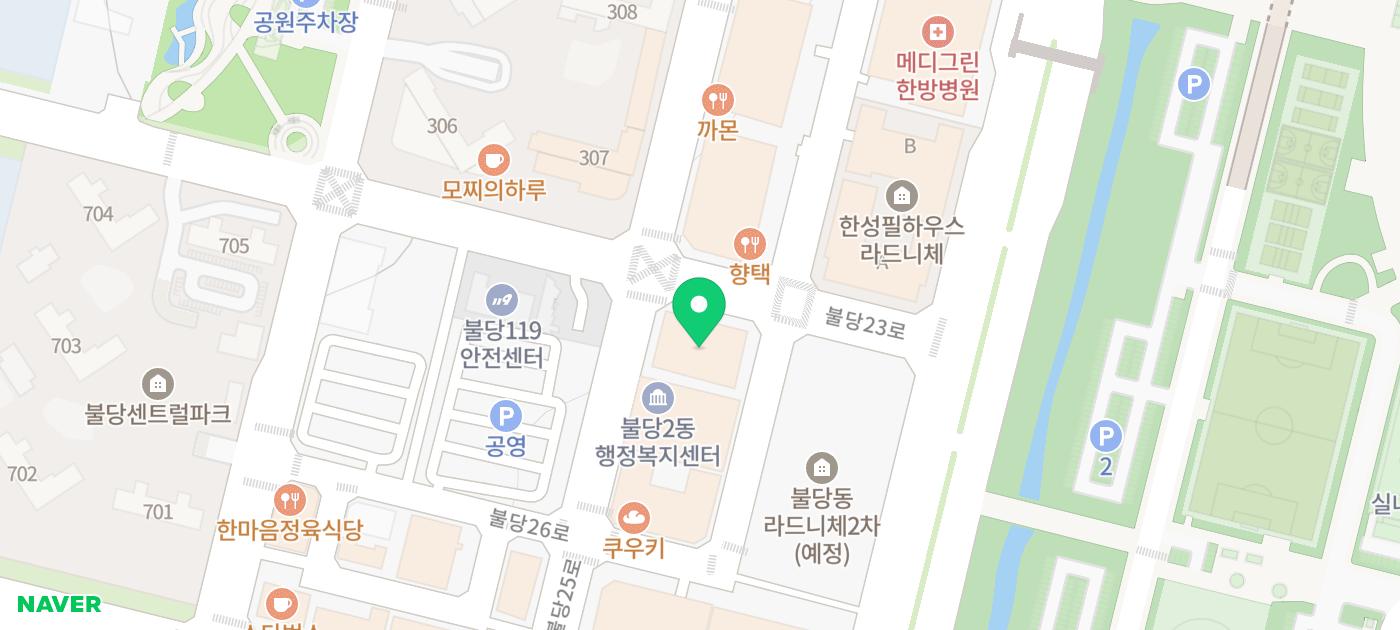
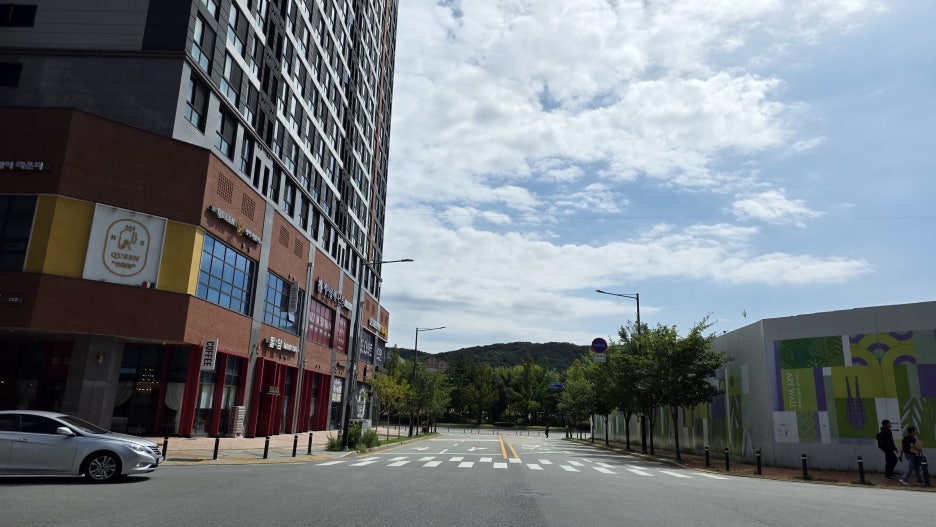
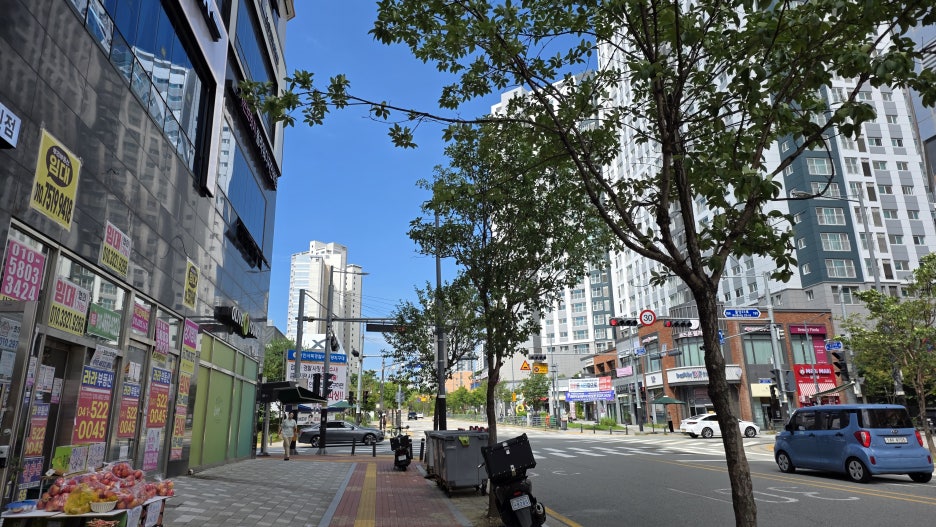
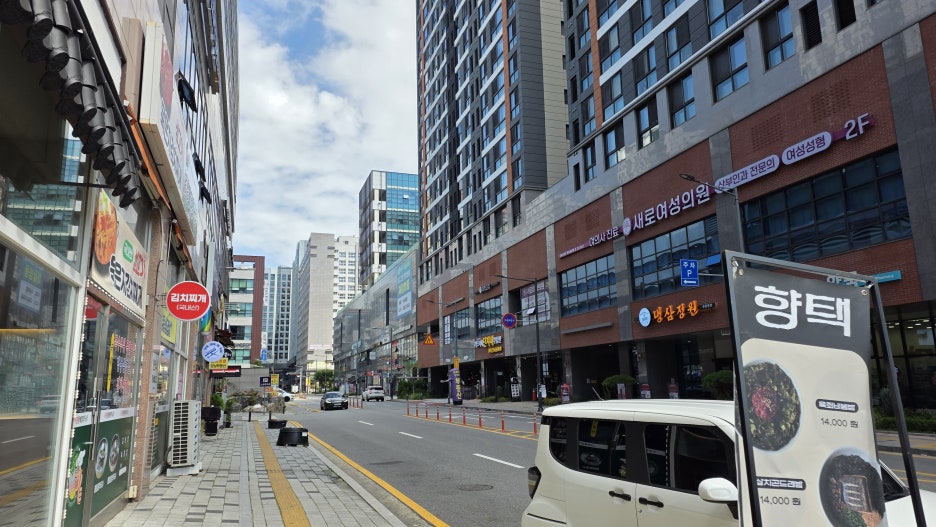
REFUSS Cheonan Buldang is at Unit 205, Jeongwoo Plaza (정우프라자), 70 Buldang 23-ro, Seobuk-gu, Cheonan-si, Chungcheongnam-do. It sits in the heart of the Buldang-dong commercial area, with lots of restaurants and cafes around, so it's an easy place to drop by while running other errands.
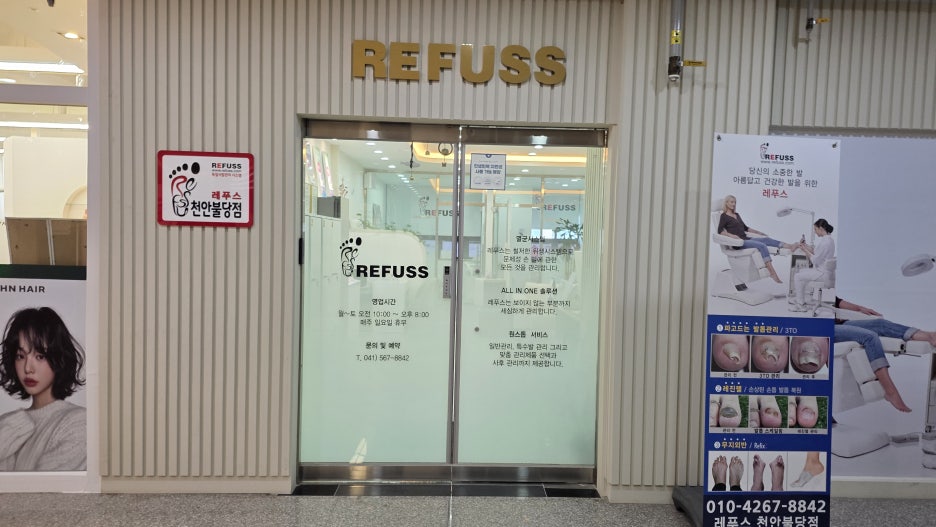
Once inside the building, the REFUSS logo is posted in large letters at the shop entrance, so it's fairly easy to find. Next to the entrance there are photos showing what kinds of care are available, such as for problem toenails and calluses, so first-timers can skim the programs before they even walk in.
The opening hours were also written on the door. Going by my photo, it's open Monday to Saturday from 10 a.m. to 8 p.m. and closed on Sundays. It runs on reservations, so it's easier to book a time before you go. Since Sunday is a day off, if you're planning a weekend visit you'll need to aim for Saturday.
A bright interior that changed my preconceptions about foot care shops
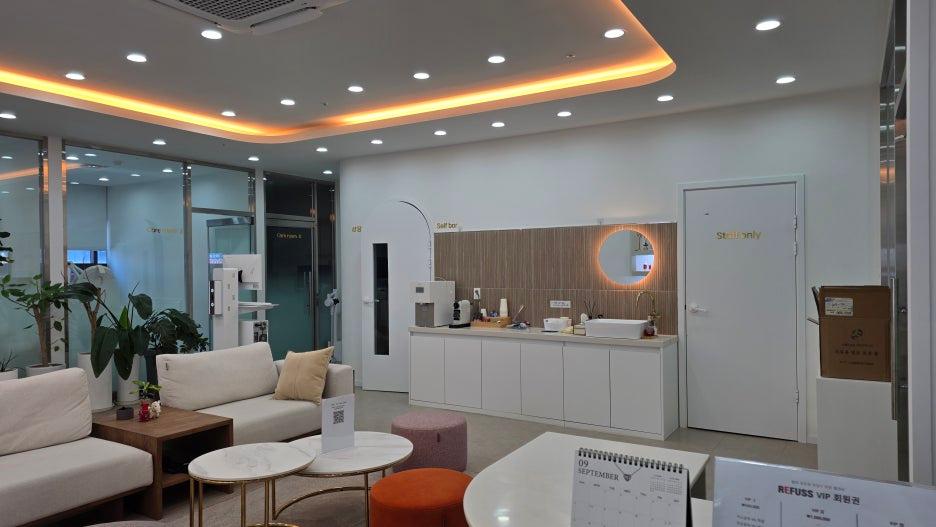
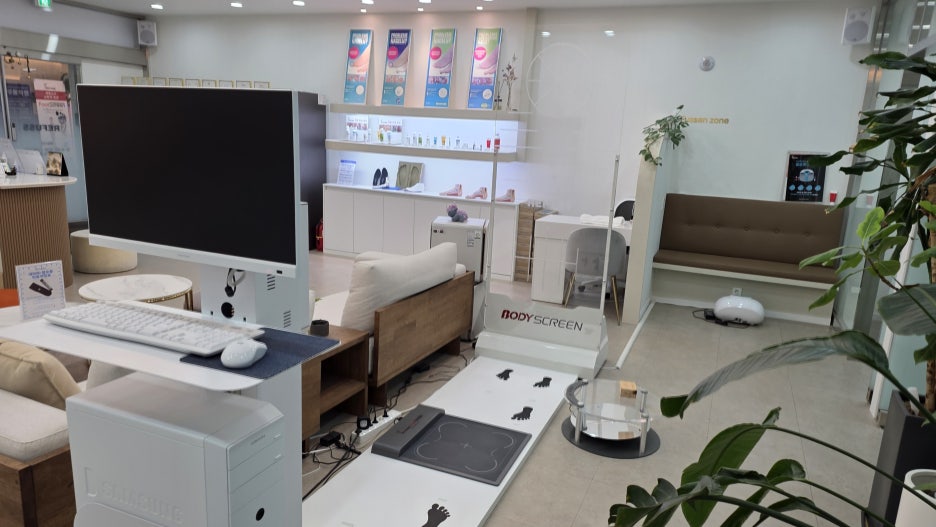
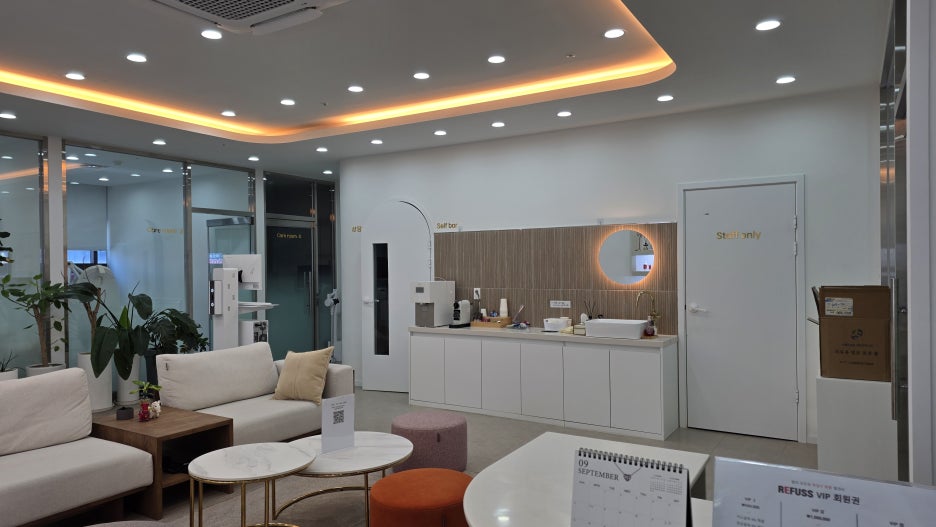
When I opened the door, the atmosphere was quite different from the foot care shop I had pictured in my head. The whole place is done in white and light wood tones, and my very first impression on walking in was how spotless it was.
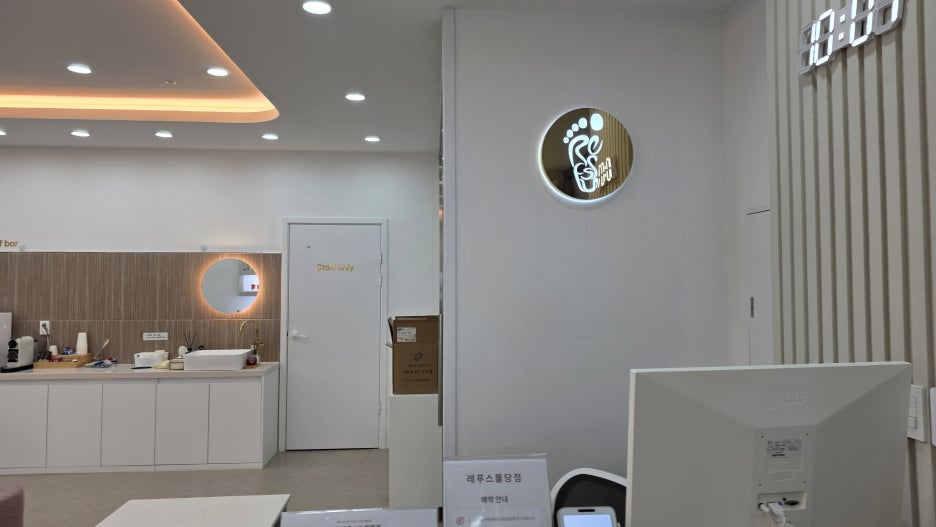
Warm indirect lighting runs along the ceiling, and the waiting area has a sofa and table, which makes it a nice spot to rest a moment before or after treatment. There was a self-service bar on one side as well. The space is bright and open, so it never felt cramped. Even if you arrive a little early for your appointment, you can wait comfortably in the lounge.
Above all, since this is a place where you hand over your bare feet, hygiene was my biggest concern, but seeing how neatly the treatment rooms and equipment were kept put me at ease from the first impression.
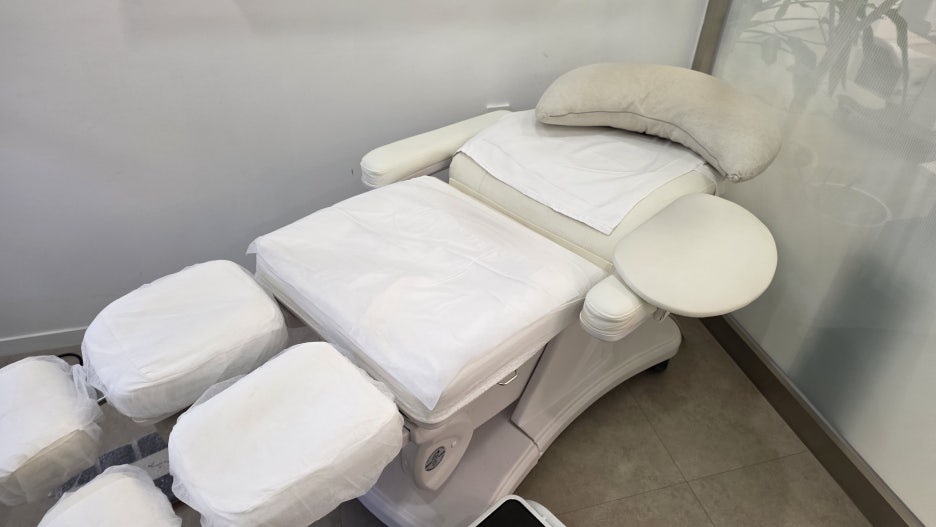
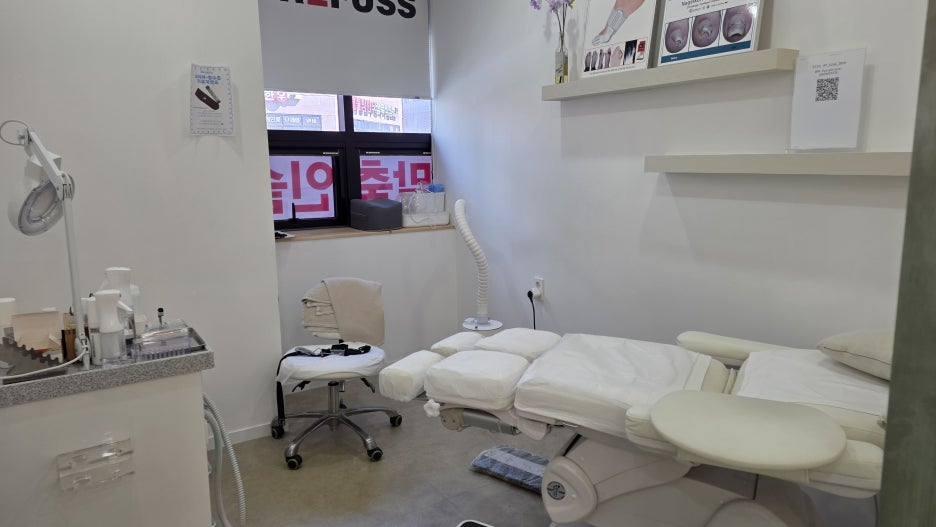
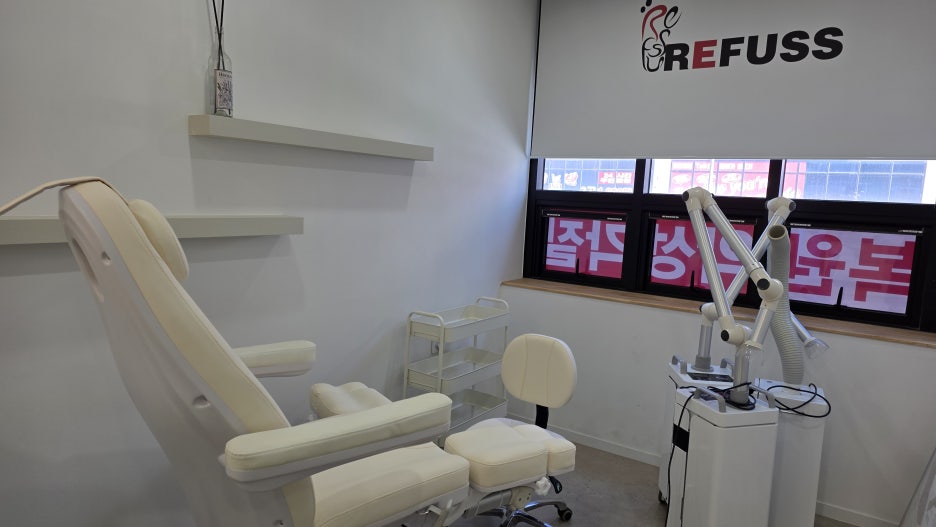
The treatment rooms are divided by glass partitions, and inside each one is a dedicated care chair where you can rest your feet comfortably. Unlike a regular nail salon chair, it lets you lean back and put your legs up, which felt quite serious and professional. When I actually lay back in it, my posture wasn't uncomfortable even with my feet raised, so I could relax completely during the session.
Thanks to the glass partitions, the space doesn't feel closed off, yet the treatment seat is separated from the waiting area, so sitting there barefoot didn't feel awkward. Showing my feet to someone else bothered me a bit at first, but with the space divided like this, getting the care was more comfortable than I expected.
From foot models to sterilizing equipment, set up like a true specialist
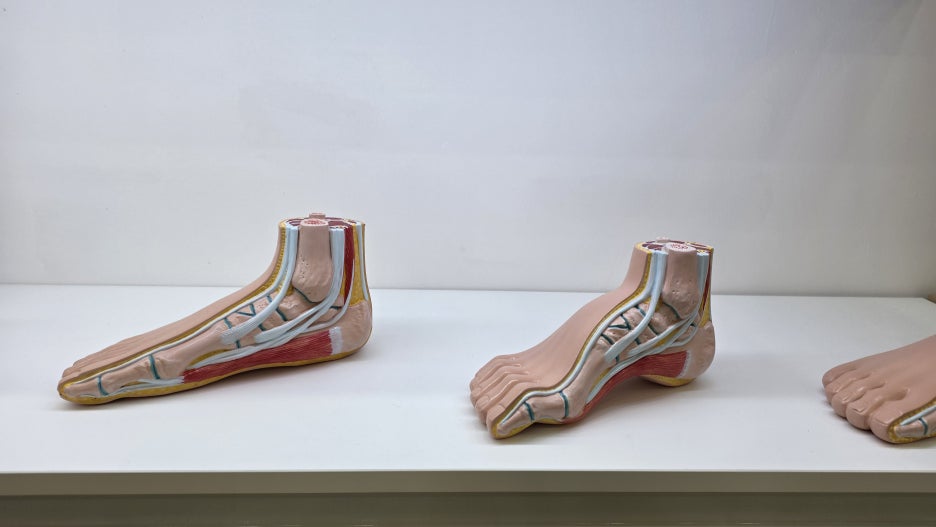
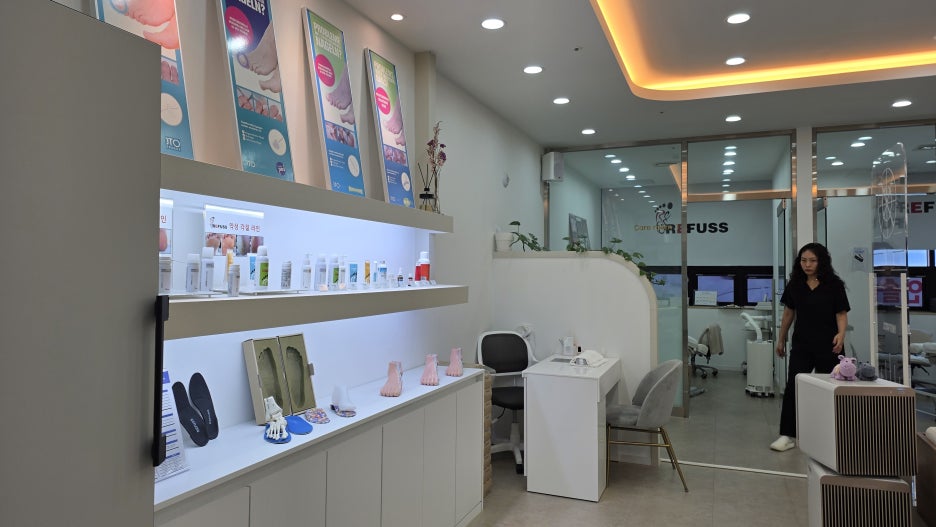
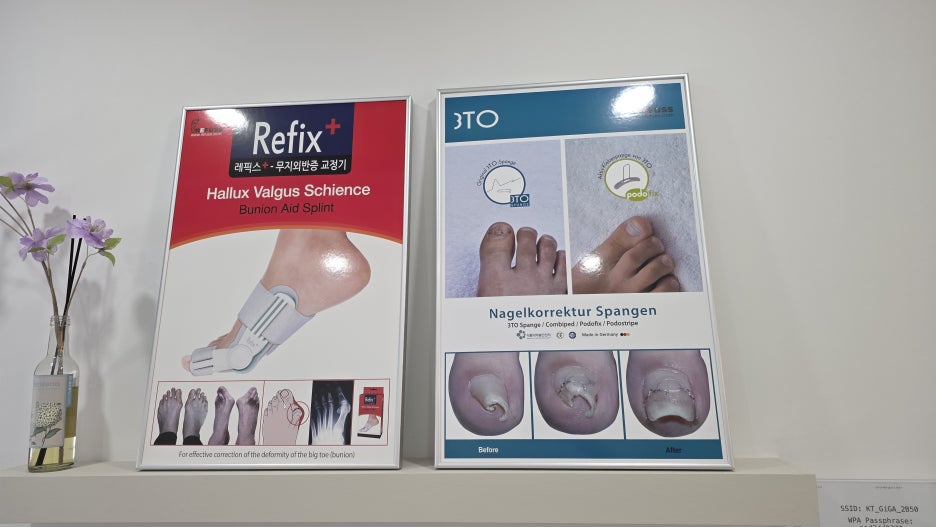
Looking around the shop, I noticed foot models and related products displayed separately. There was even a model showing the bones and structure of the foot, which gave me the sense that this is a place that looks at the foot itself in more detail, rather than just tidying up the calluses you can see on the surface.
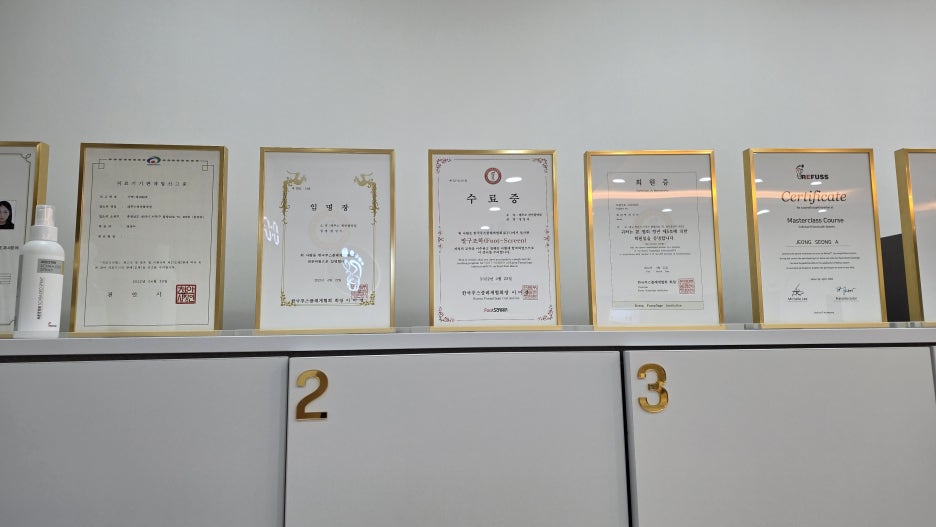
Various completion certificates and accreditations were arranged along the wall. For a first-time visitor, being able to see these with my own eyes was definitely reassuring.
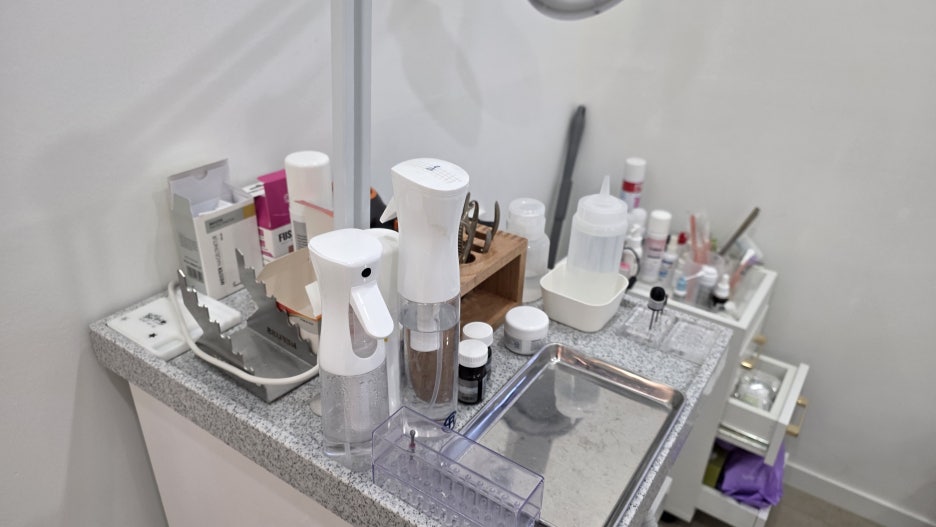
In another corner there were machines that looked like sterilizing and storage equipment, which showed they also pay attention to the hygiene of their tools.
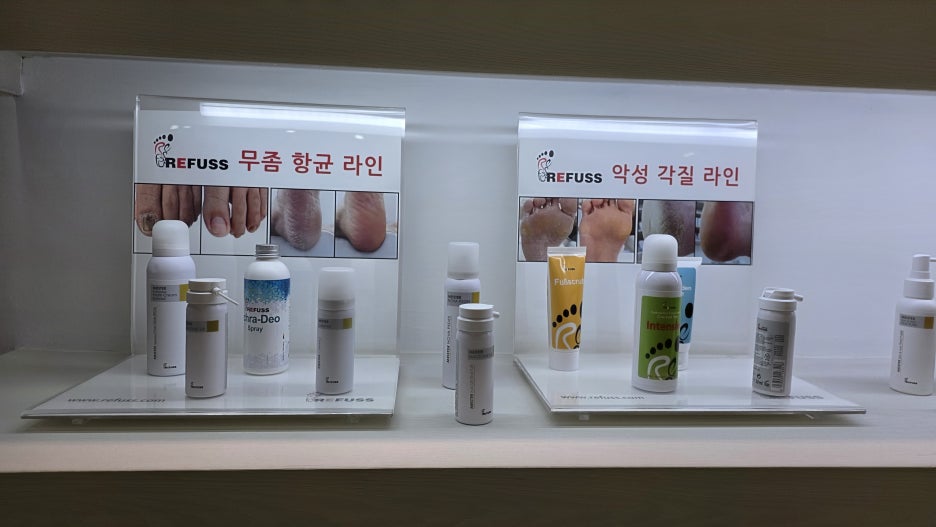
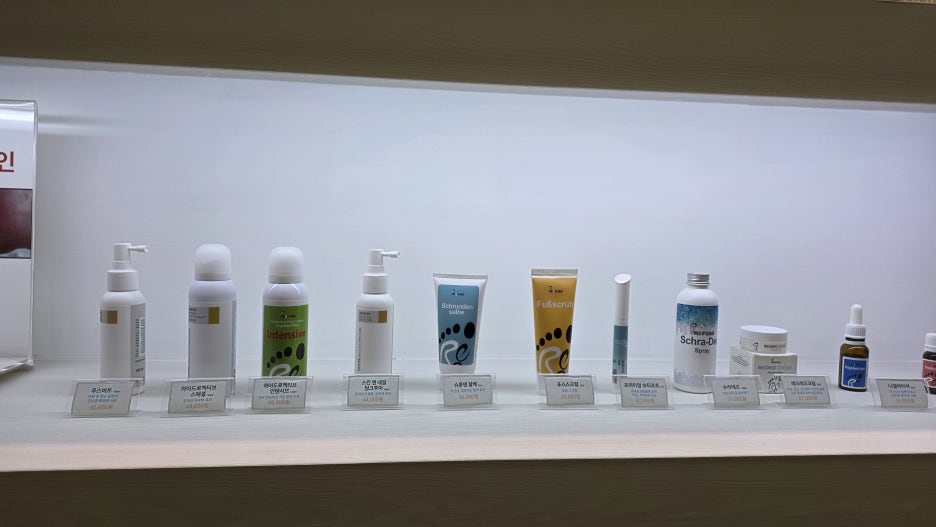
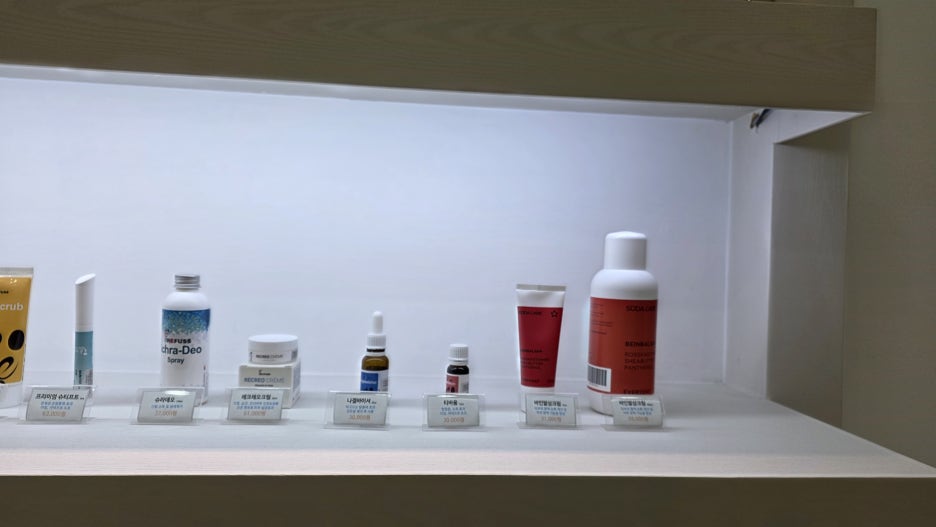
The product shelves held many kinds of products meant for different foot conditions, such as an antibacterial line for athlete's foot and a line for stubborn calluses. When I think of foot products I usually only picture a single foot cream, but there turned out to be far more variety than I imagined.
With the models, certificates, sterilizing equipment, and product shelves all in one space, it came across naturally, even before I sat in the care chair, that this is a specialist shop focused on just one part of the body: the feet. Simply browsing the models and products while waiting taught me quite a few new things about feet. My impression was that the whole approach differs from having your toenails trimmed at a regular nail salon.
Programs and prices, as listed on the information board
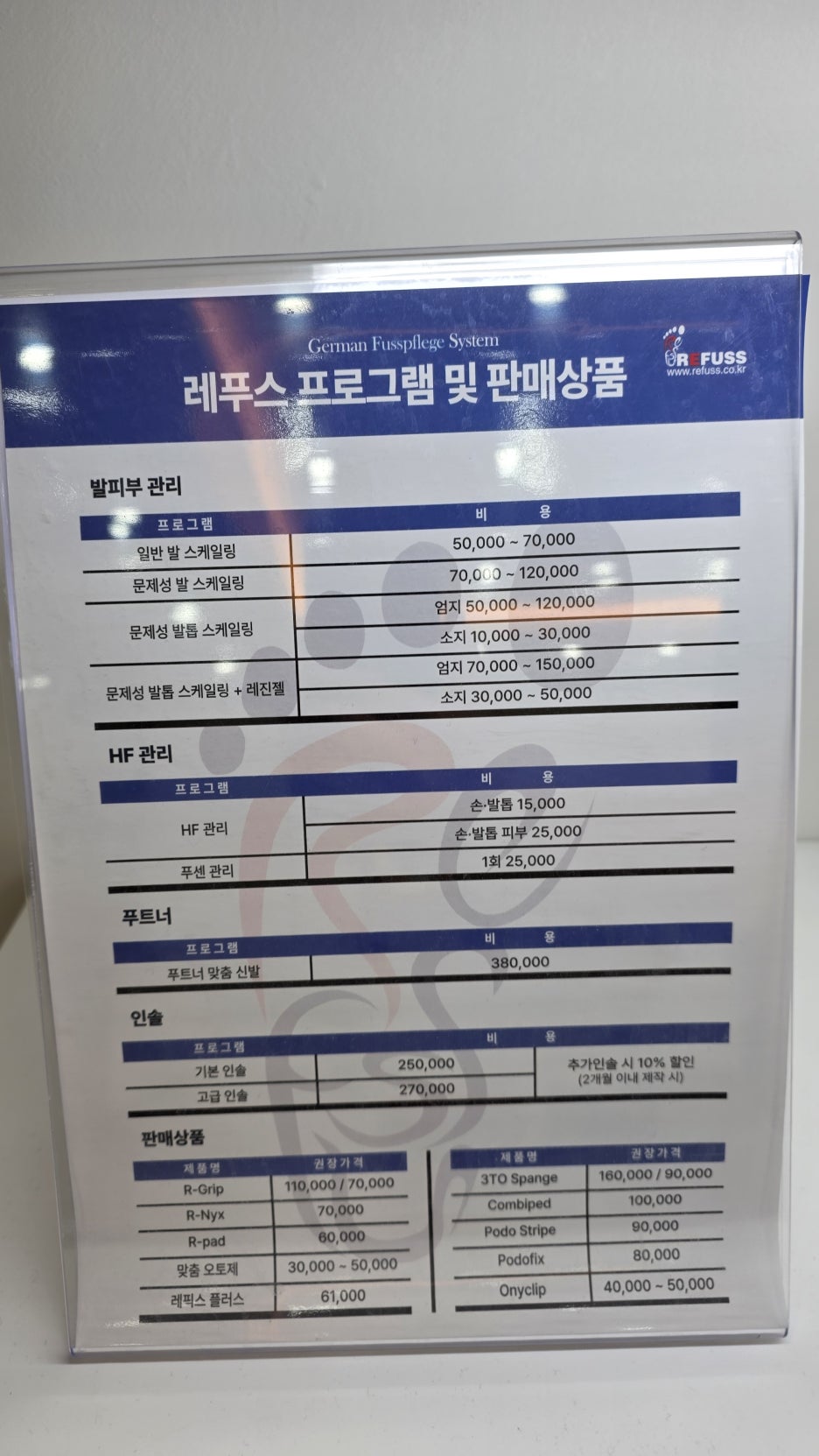
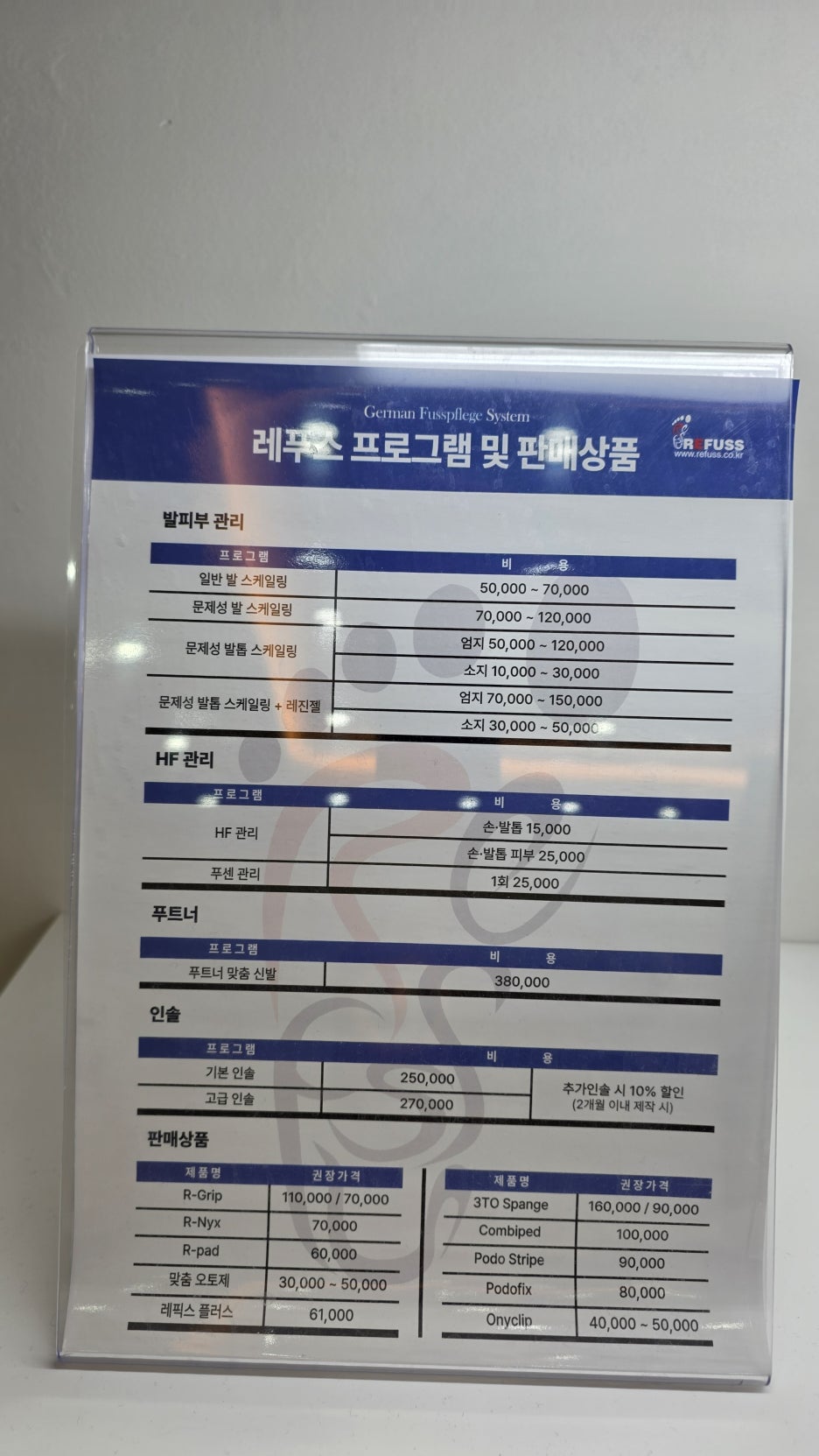
On a first visit it can be confusing to know which care you need, but the programs and prices are laid out in detail inside the shop. All the amounts below are as shown on the information board at the time of my visit.
General foot scaling was listed at 50,000 to 70,000 won, and problem foot scaling at 70,000 to 120,000 won. Problem toenail scaling was about 50,000 to 120,000 won for the big toe and 10,000 to 30,000 won for the smaller toes.
There was also a separate program combining problem toenail scaling with resin gel: 70,000 to 150,000 won for the big toe and 30,000 to 50,000 won for the smaller toes. On top of that, there were HF care for fingernails and toenails, Fussel care, and custom shoes and insoles, so the range of programs was much wider than I expected.
That said, the scope of care you need can vary with the condition of your feet, so rather than picking a program from the price list first, it seemed better to have your feet checked at the shop and then get a consultation. The thickness and extent of toenail and callus problems differ from person to person. That also seemed to be why most prices on the board are given as ranges. Since the actual cost of the same program can change depending on your feet, the realistic approach is to get a rough idea of the budget and make the final decision after the consultation.
Sitting in the care chair and truly looking at my feet for the first time
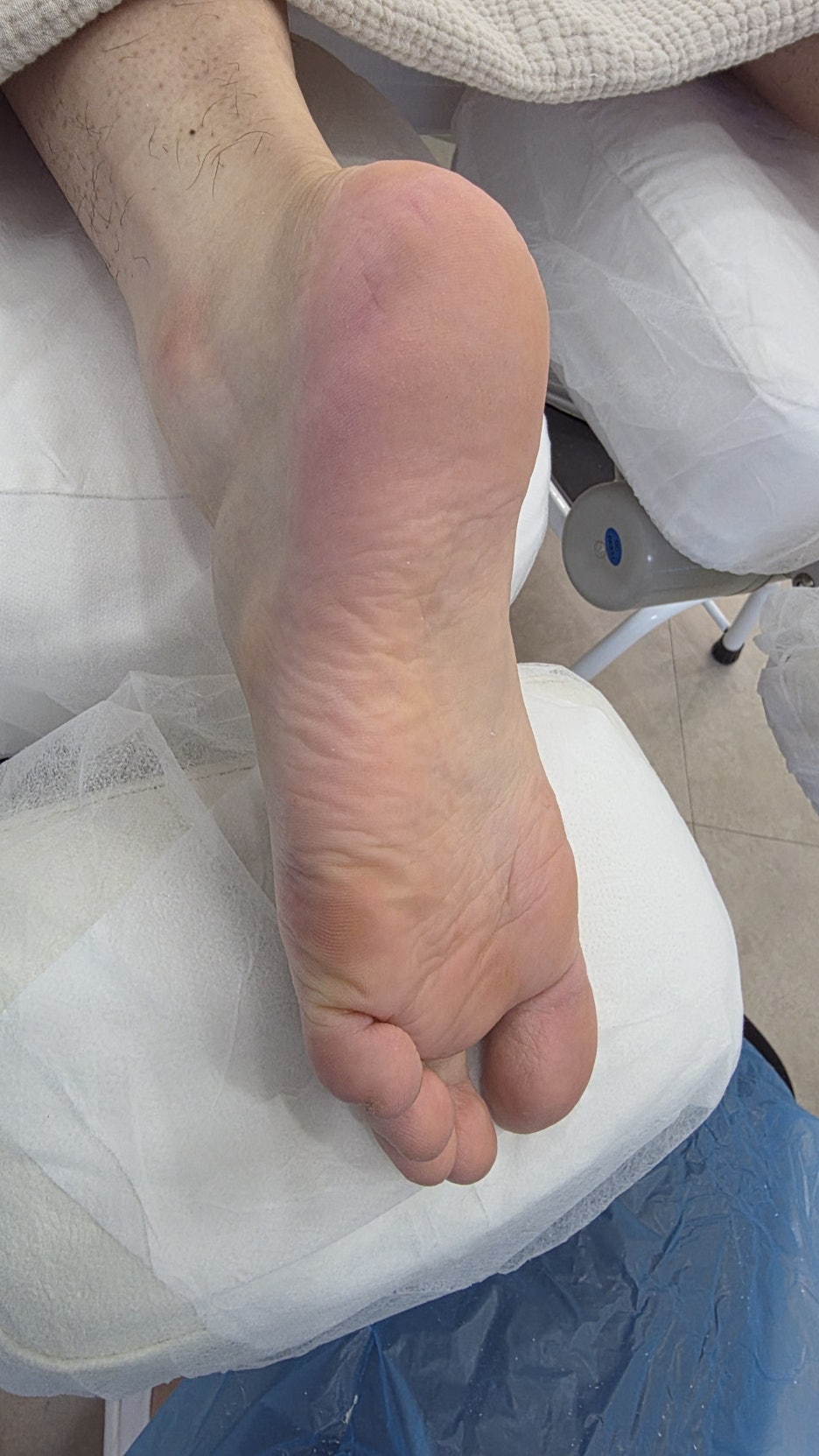
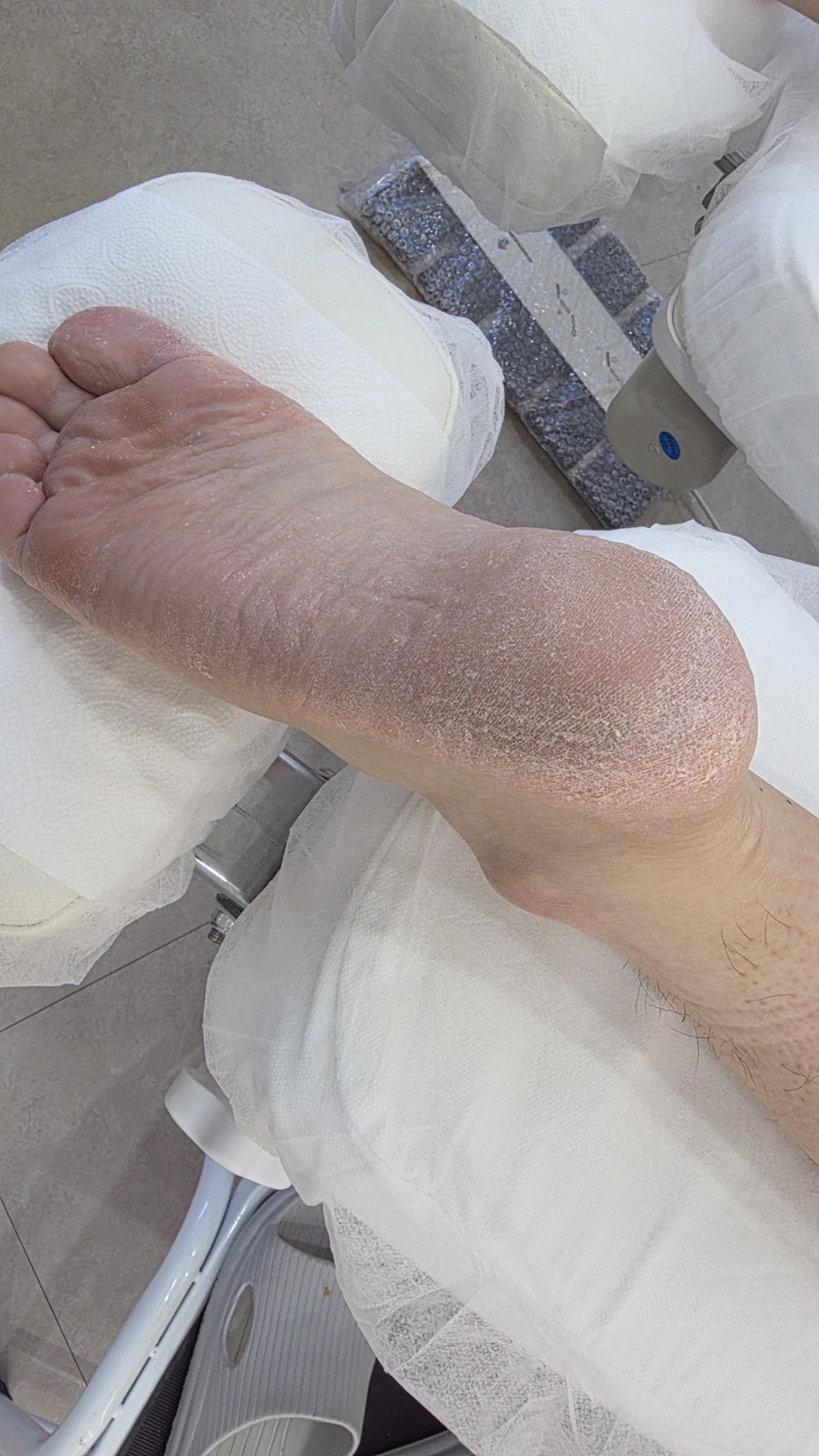
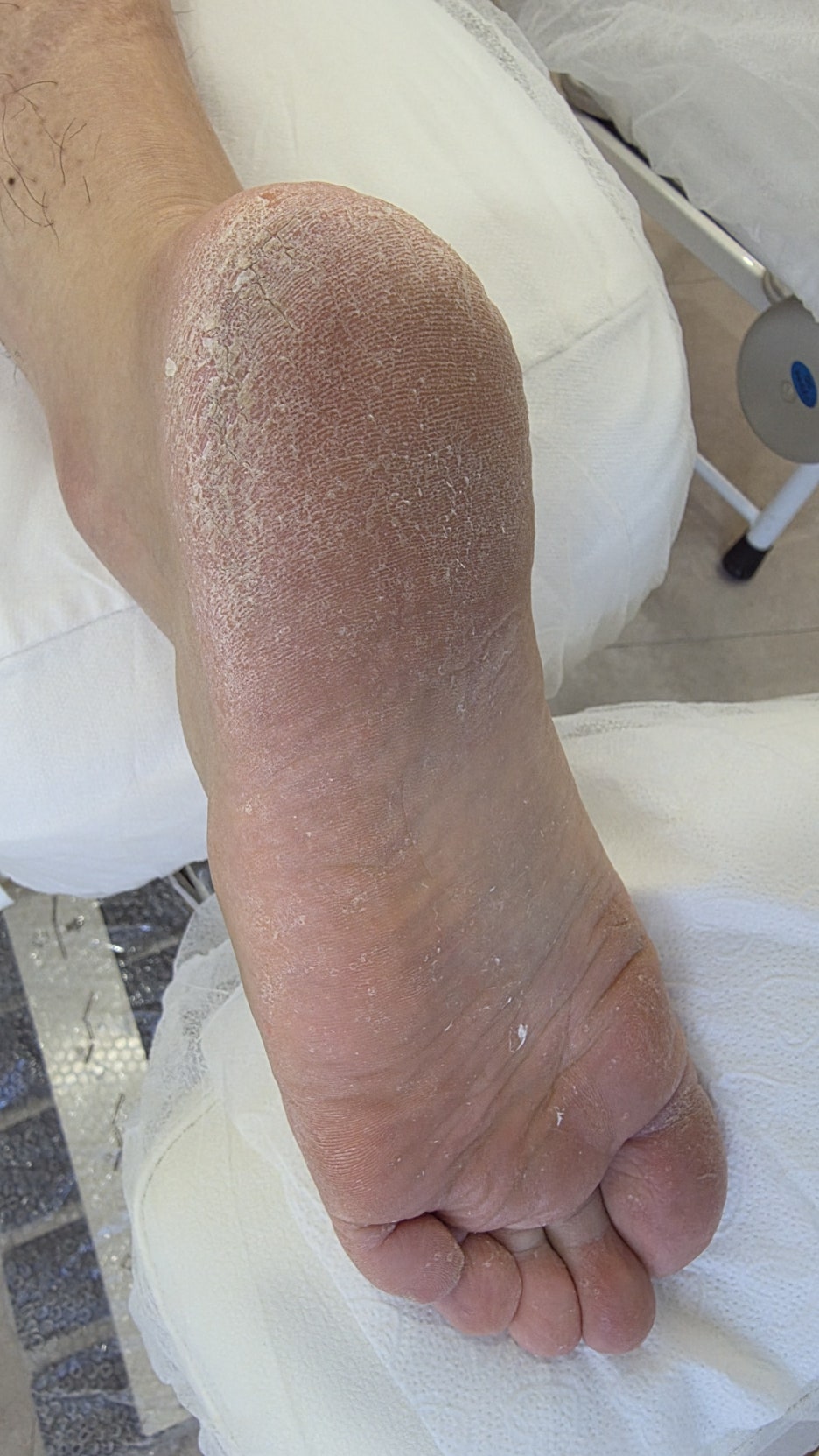
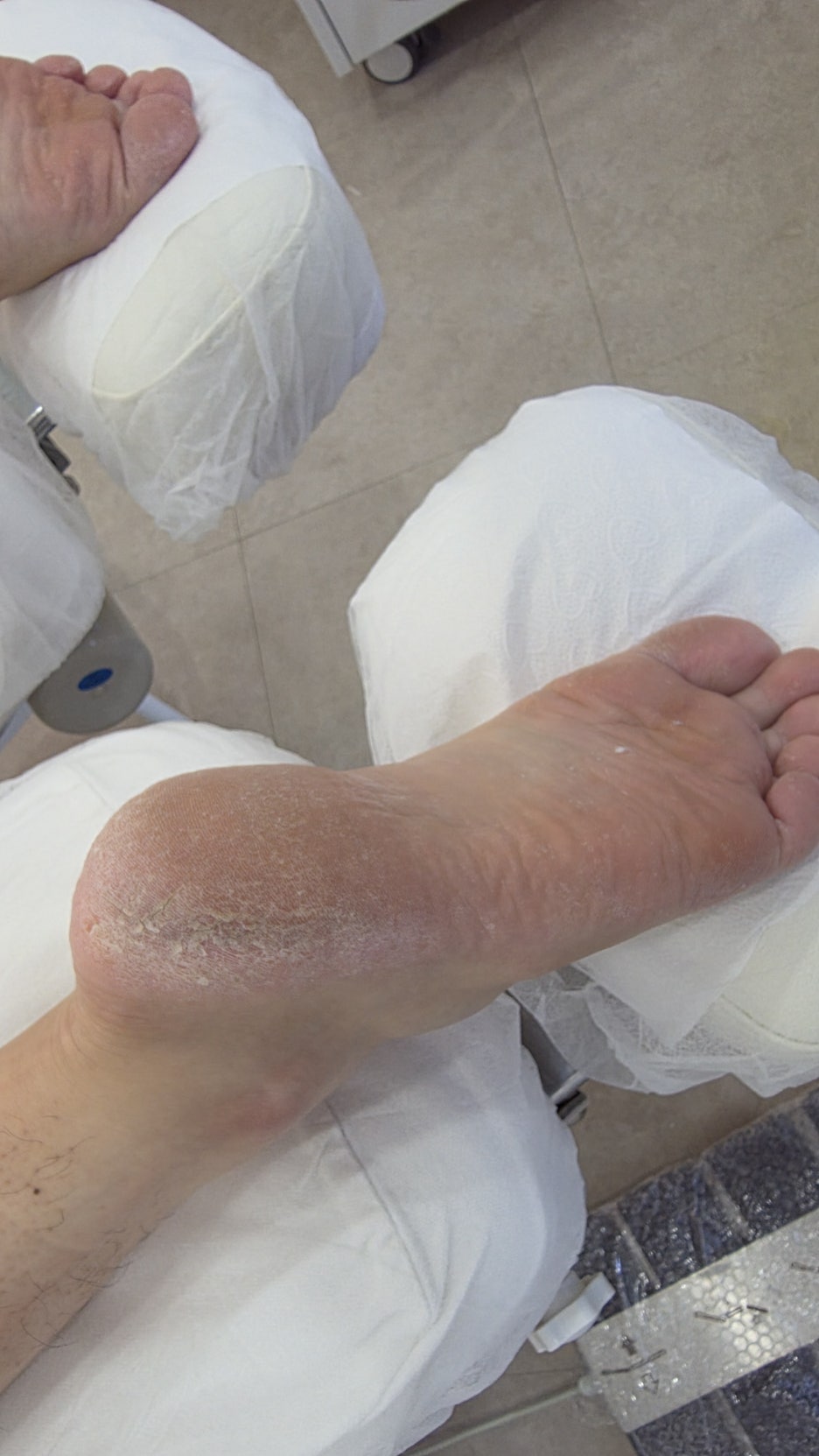
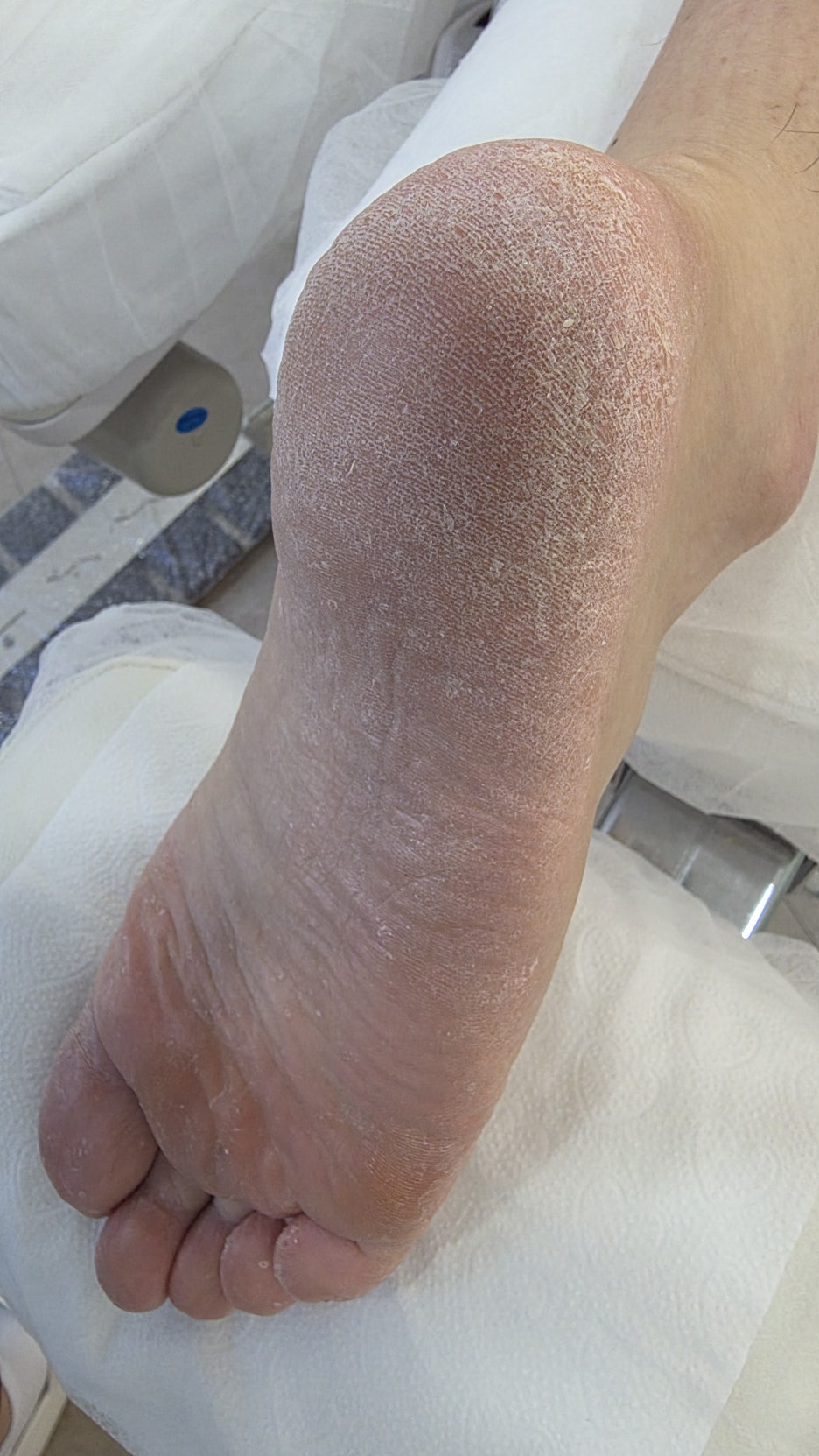
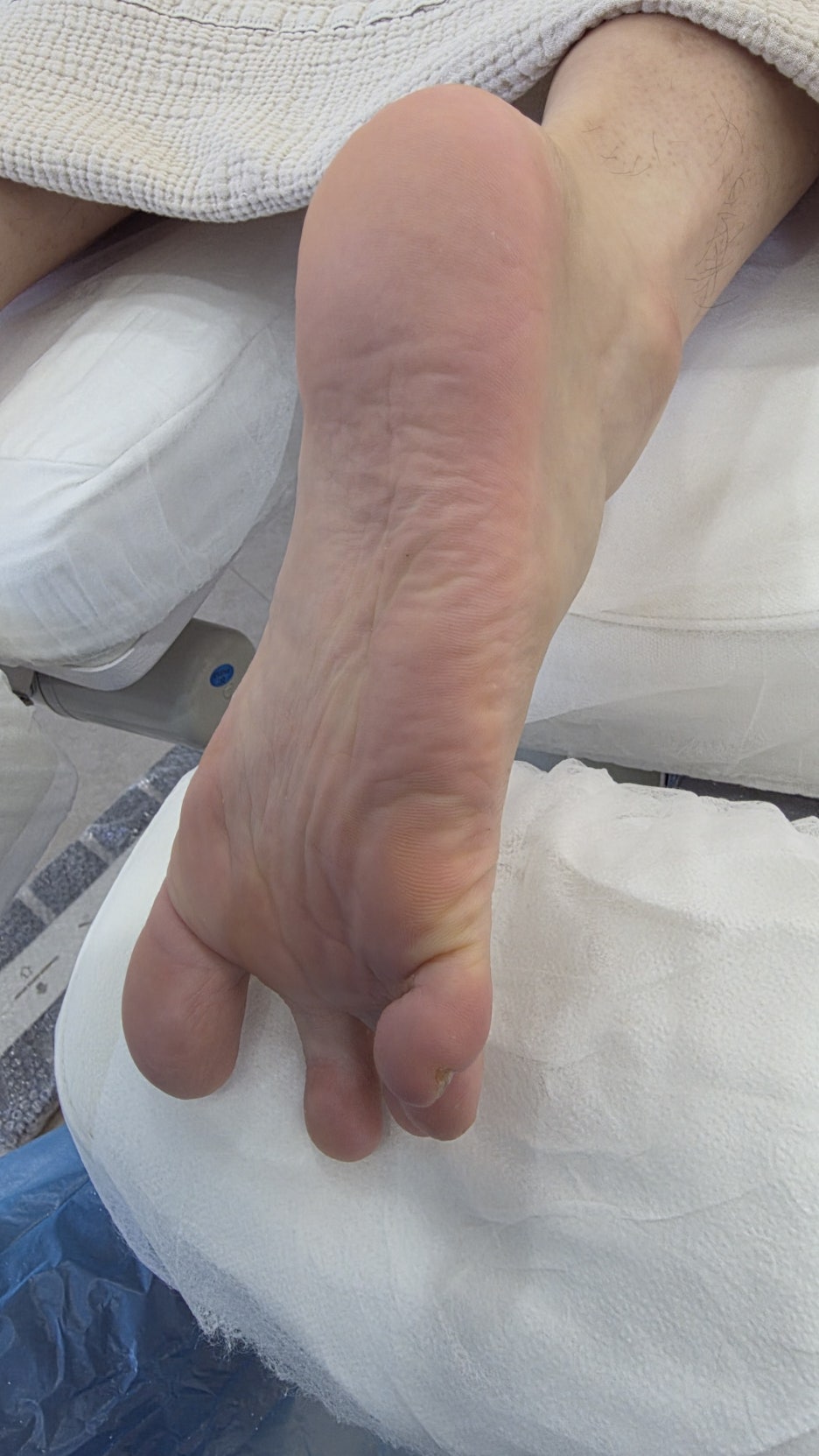
Once I sat in the care chair and took off my shoes and socks, I ended up looking very closely at feet I normally just glance at and move on. When I took photos, the heels and the front of the foot, which take a lot of pressure when walking, clearly looked different from other areas.
I didn't think there was anything seriously wrong with my feet, but looking this closely, just checking the skin condition and where the pressure concentrates was pretty interesting. Because we use our feet every day, we quickly get used to small changes, so I think many of us don't really notice how their condition changes over time.
Before the care began, they first looked over my feet and explained which areas would be good to focus on. I liked that it wasn't about blindly scraping away as much callus as possible, but about looking at the condition and concentrating on the areas that needed it. It definitely felt different from rubbing away at home with a foot file.
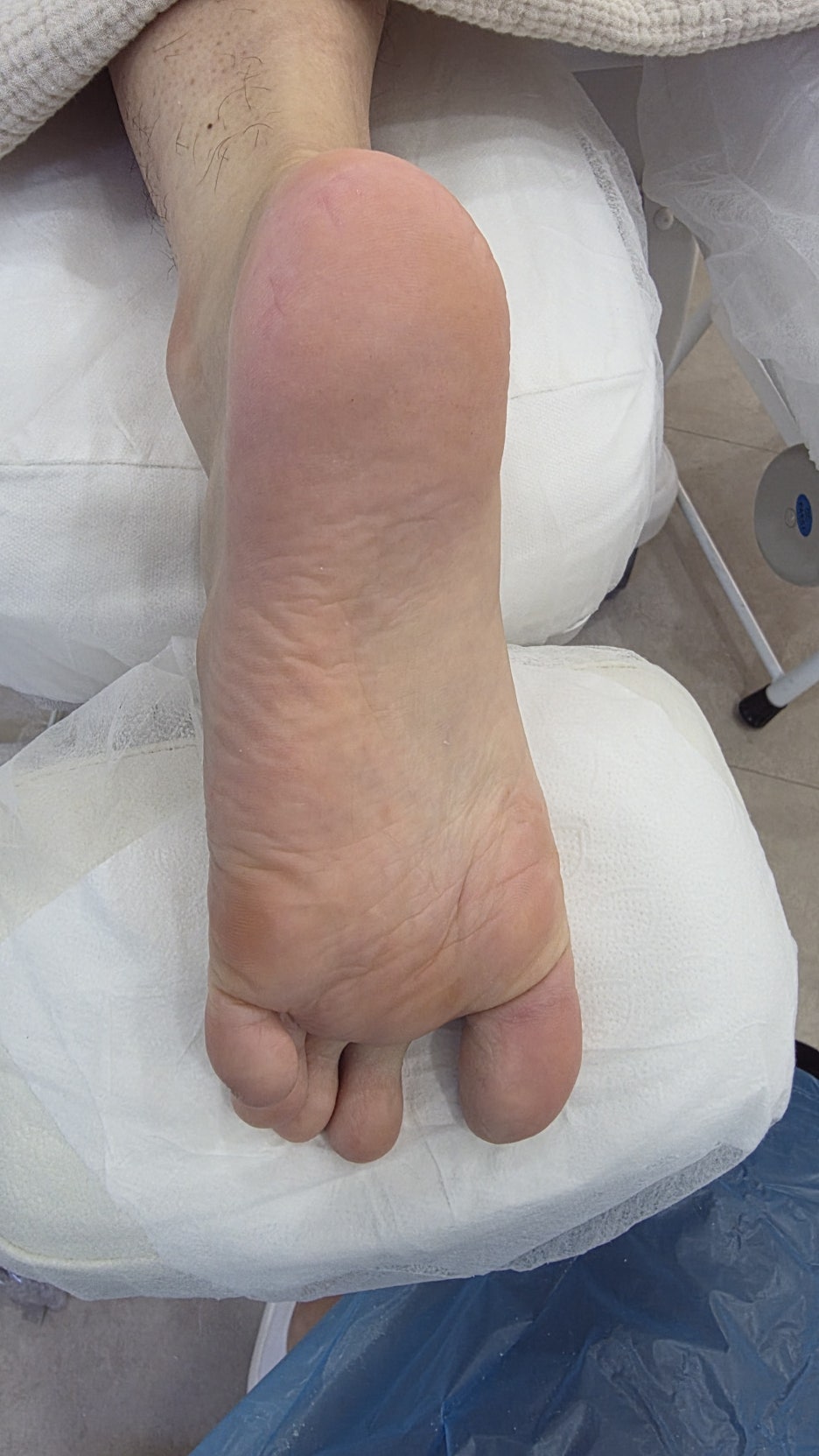
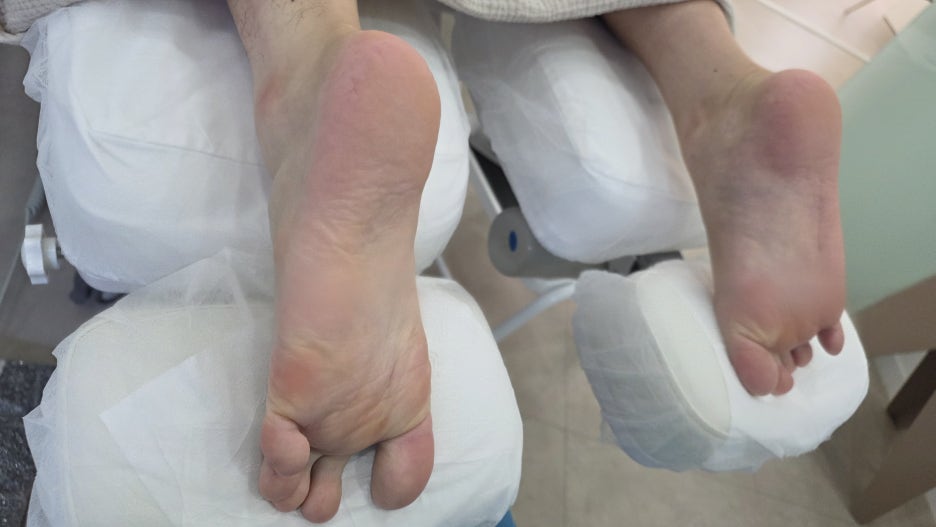
The biggest takeaway from this visit was that feet aren't a body part you can finish with just washing and moisturizer. If you wear sneakers for long stretches or stand all day, your feet are under constant pressure, so calluses and rough skin form easily. I'd rarely had reason to look carefully at my feet before, but after one proper check I found myself thinking I should pay a bit more attention to them day to day.
Also, because the care you need depends on the state of your toenails and skin, it seemed important to check your own feet first rather than simply choosing a program that worked for someone else. Some people may need callus care more, while others may need toenail care or insoles. Here the options are broken down beyond general foot skin care into toenails, calluses, and insoles, so you can get a consultation tailored to you.
Memberships, home-care products, and booking rules
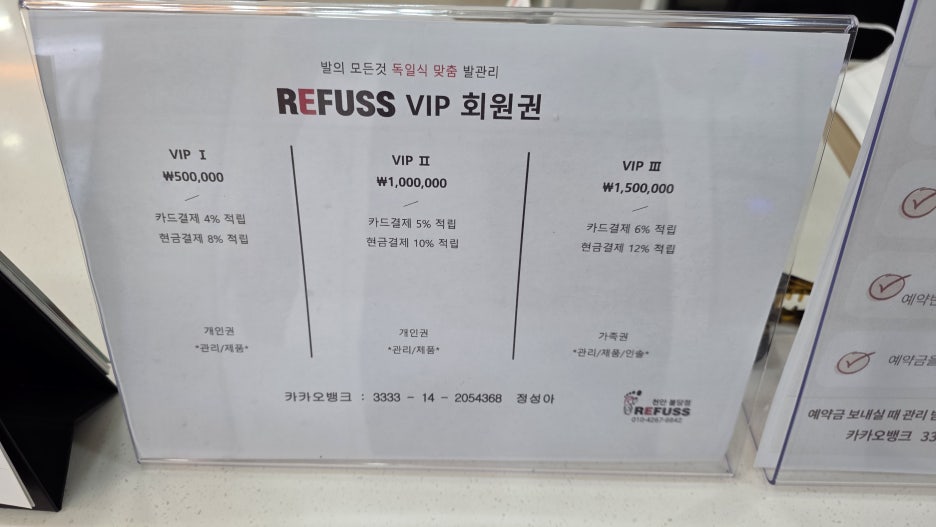
They also offer VIP memberships for people who come in for regular care. According to my photo, it's split into VIP I at 500,000 won, VIP II at 1,000,000 won, and VIP III at 1,500,000 won, with the reward points varying depending on how you pay. If you plan to come back periodically rather than go just once, it's worth comparing them before choosing.
Besides the products used during in-shop care, there were also foot products on display for use at home. They're divided by purpose, such as foot odor, skin, and calluses, so if you want to keep up with home care too, one option is to check which products suit you after your consultation.
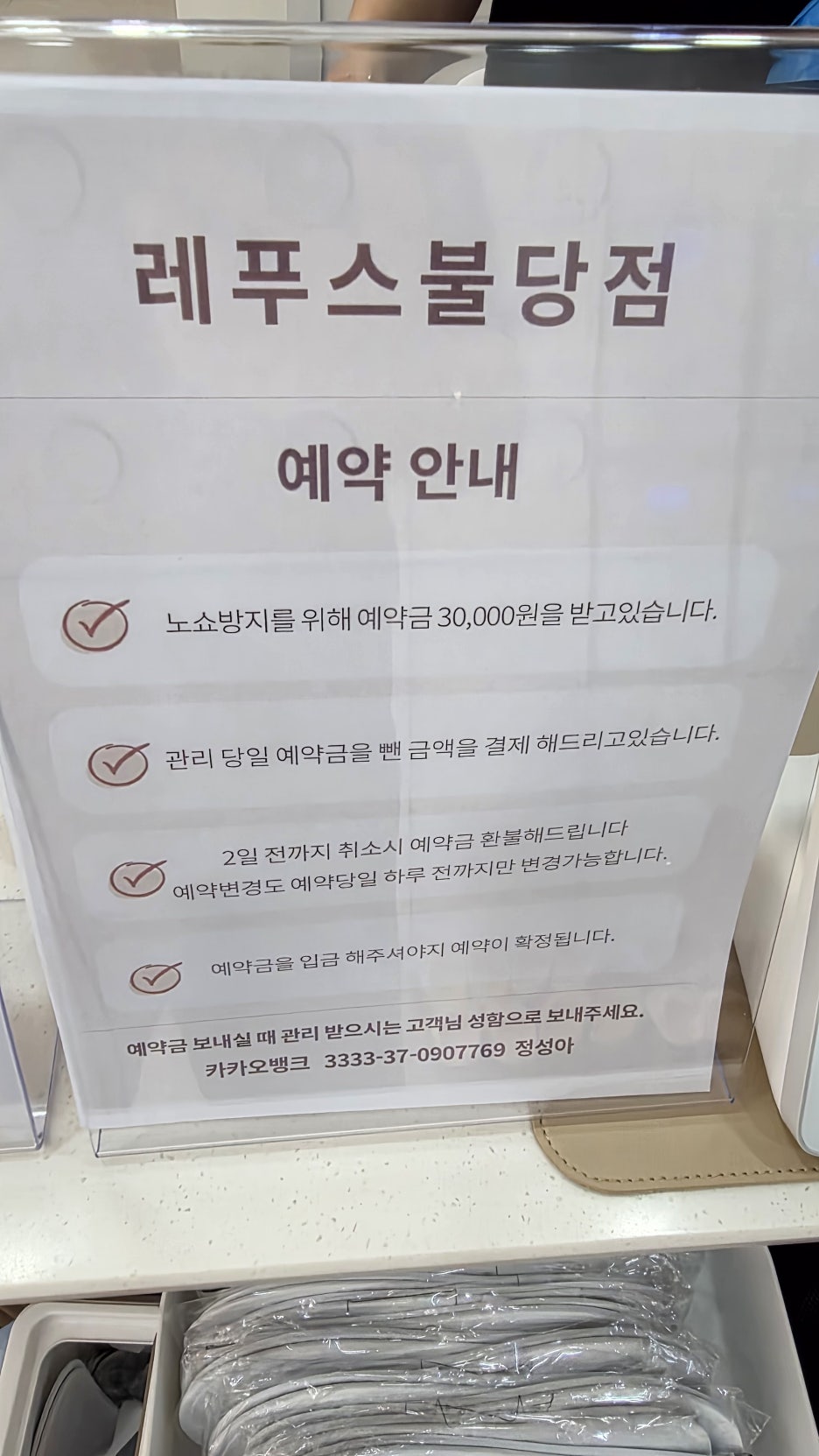
There was a separate notice about reservations as well. According to my photo, a 30,000-won deposit is taken to prevent no-shows, and on the day of your treatment you pay the remaining amount minus the deposit. You can get the deposit refunded if you cancel at least two days before your visit, and changes to a booking are only possible up to one day before the appointment.
Since it runs on reservations, once your date is set it's a good idea to check availability and book ahead. The deadlines differ, two days ahead for cancellations and one day ahead for changes, so it's worth keeping that straight.
A good place even for first-timers to foot care
At first part of me wondered whether there was really that much to care for in feet. But after going in person, there was more to look at than I expected. The shop was clean throughout, and with dedicated foot treatment rooms and equipment it had a different feel from a typical skincare shop or nail salon. Above all, simply getting a proper close look at the condition of my own feet was quite meaningful.
If your heels keep getting rough, the calluses on your soles have been bothering you, or you'd like a professional consultation about toenail care, REFUSS Cheonan Buldang in Cheonan's Buldang-dong is worth considering. From now on, I plan to check on my feet now and then, just as I do my face and hands. They work the hardest every day, and I think I'd neglected them for far too long.
Check opening hours and closing days on the map before you go.
This box contains affiliate links. If you book through them, Mudung may earn a commission at no extra cost to you.
 Read nextSame neighborhoodCheonan Touchless Car Wash Prices and Monthly Pass₩11,000Read →
 Read nextSame neighborhoodThai Massage in Cheonan Buldang-dong: Foot Bath and Prices₩50,000Read →