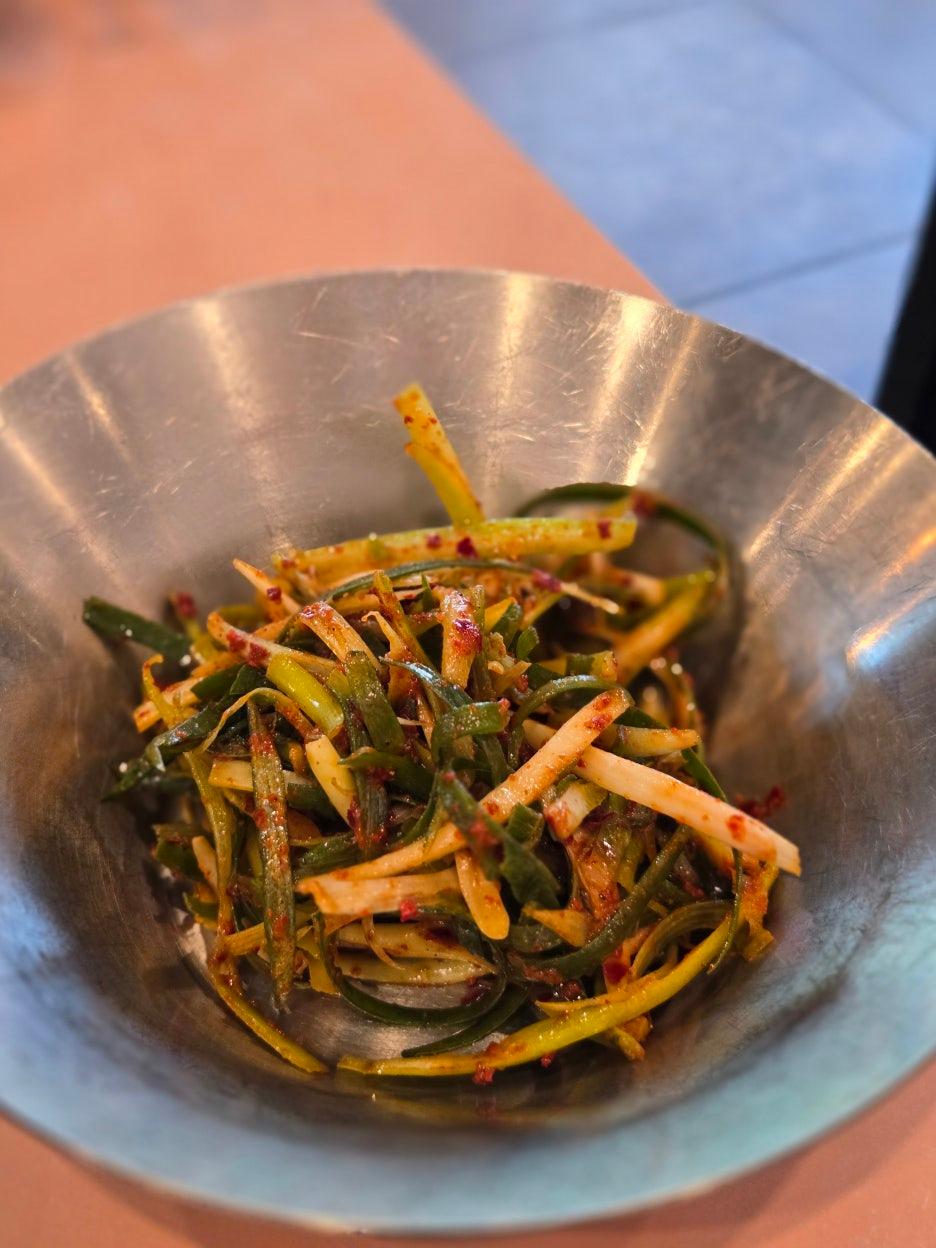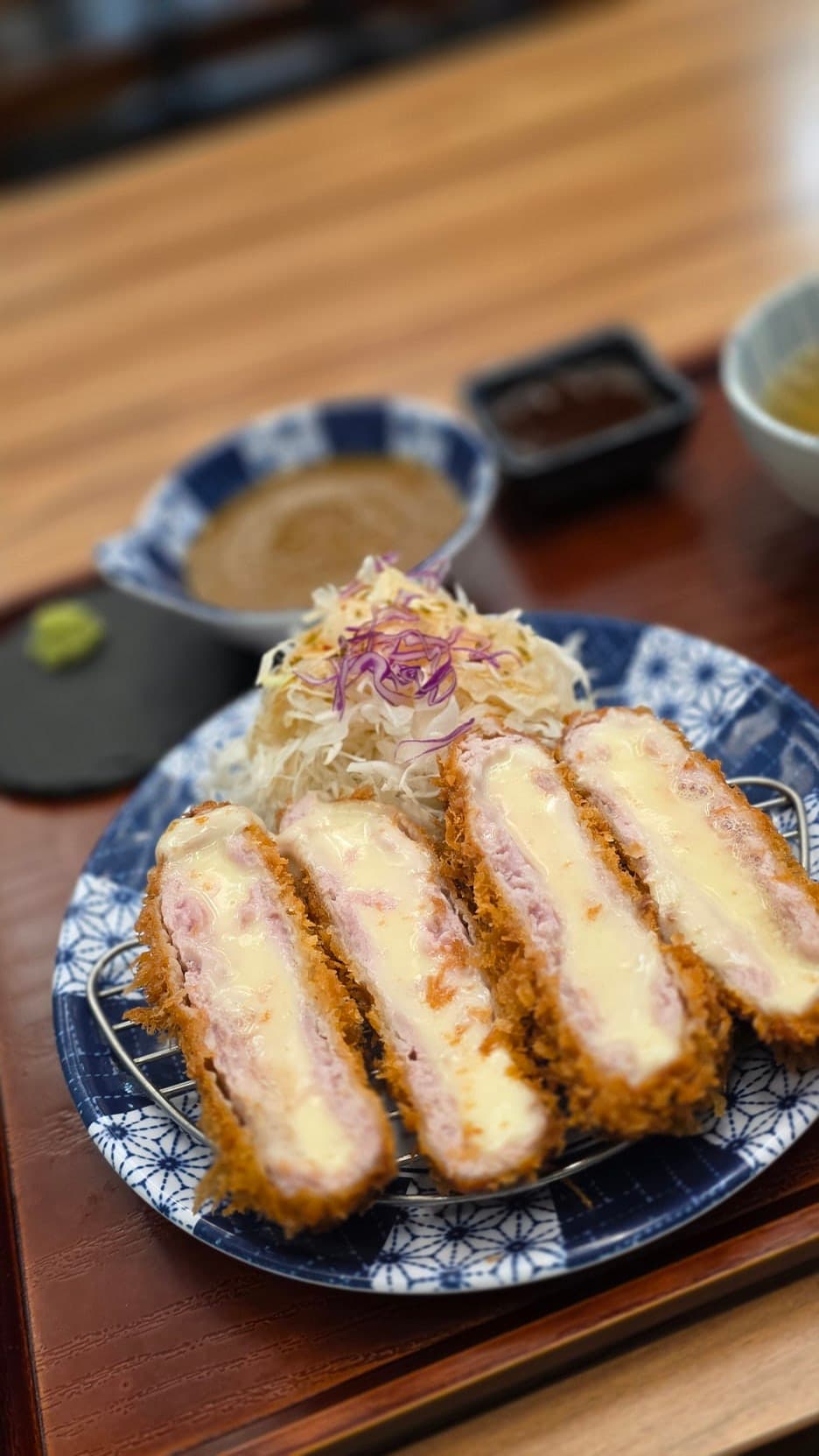
At Katsu Shokudo's Pangyo main branch, in the basement of Alphadom Tower by Pangyo Station, we had the rosu katsu set and the mozzarella cheese katsu. Here's the rundown: thick-cut pork, a cross-section packed with cheese, and cold soba in slushy broth.
In this article Show
- A day I was craving tonkatsu at Pangyo Station
- Blue Ribbons lining the entrance, and a wood-toned dining room
- Menu, prices and kiosk ordering
- A thick-cut rosu katsu set
- Cold soba in slushy, ice-cold broth
- Mozzarella cheese katsu with a cross-section packed with cheese
- When you're craving tonkatsu in Pangyo
A day I was craving tonkatsu at Pangyo Station
After going back and forth for a while over what to have for dinner near Pangyo Station, I suddenly remembered how long it had been since I'd had a crisp, freshly fried tonkatsu, so I headed to the Pangyo main branch of Katsu Shokudo (카츠쇼쿠도우). I'd vaguely wanted some kind of meat dish, but in the end I leaned toward Japanese-style tonkatsu with a properly crunchy coating.
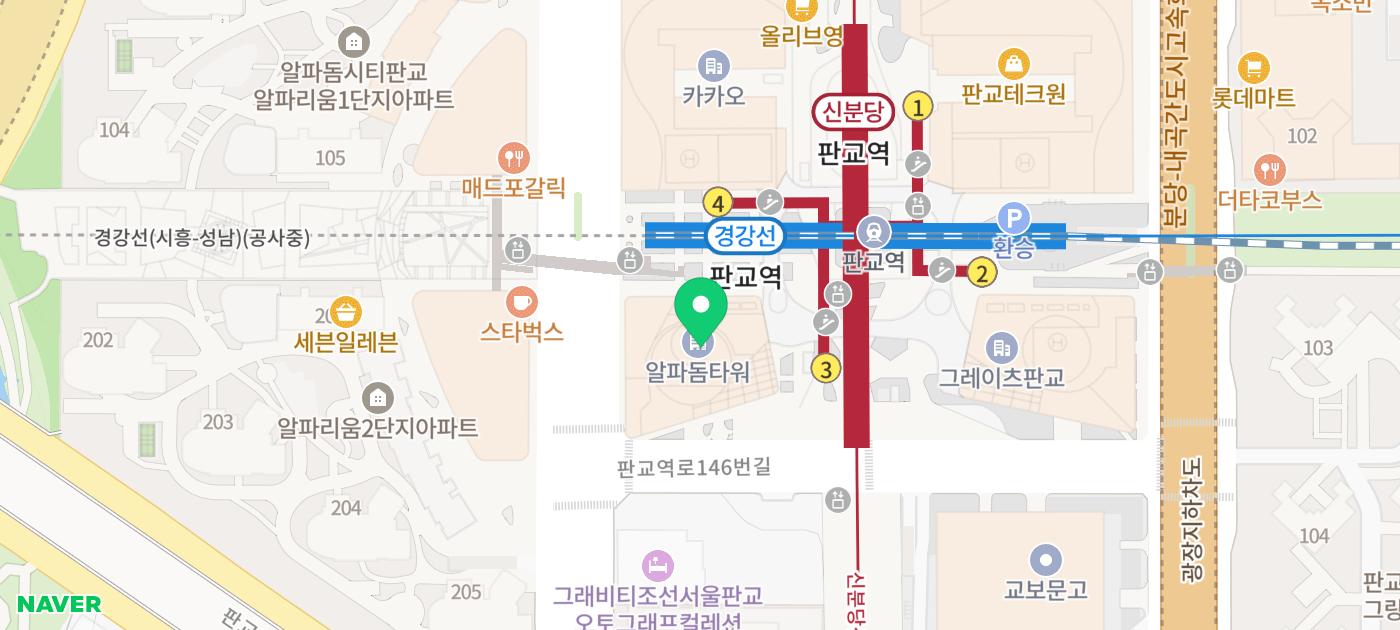
The restaurant is on basement level 1 of Alphadom Tower, near Exit 3 of Pangyo Station. It's a handy spot when you're looking for somewhere to eat around Pangyo Station, and since it's inside the building, it was convenient that rain, heat or cold didn't really affect getting there.
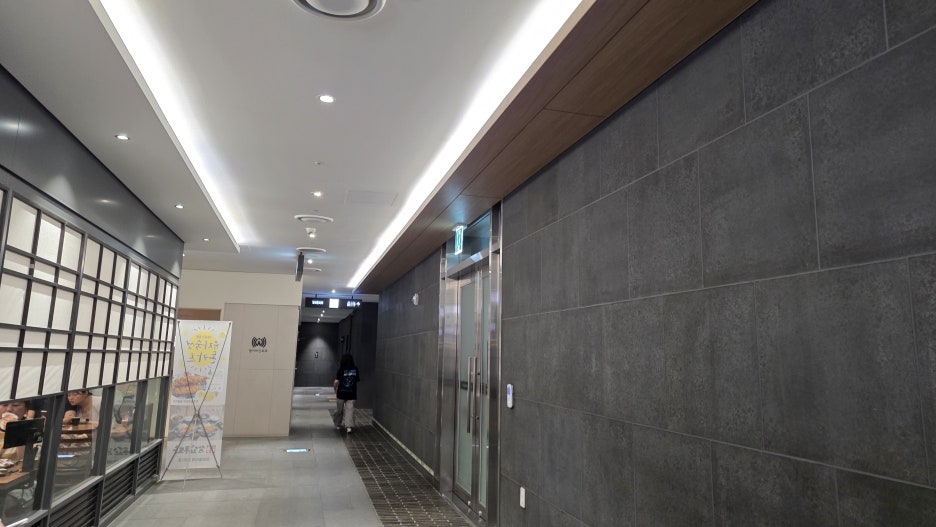
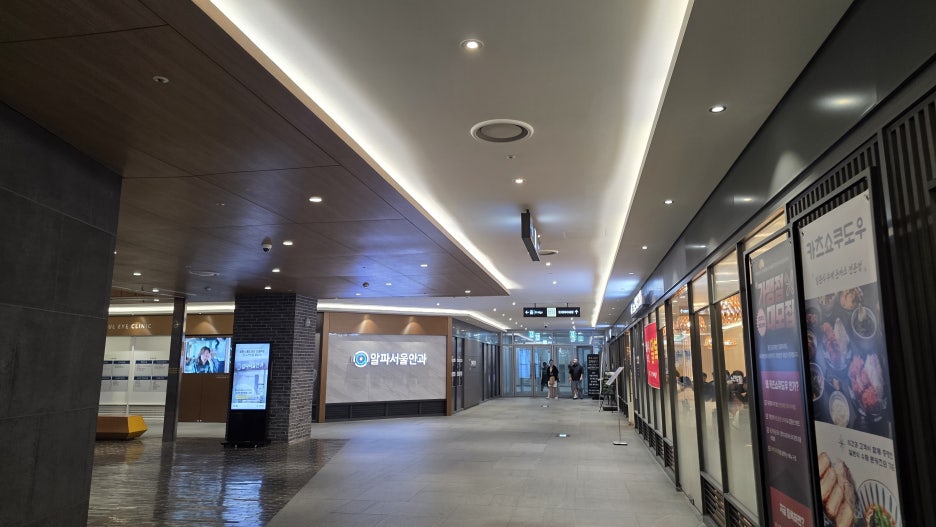
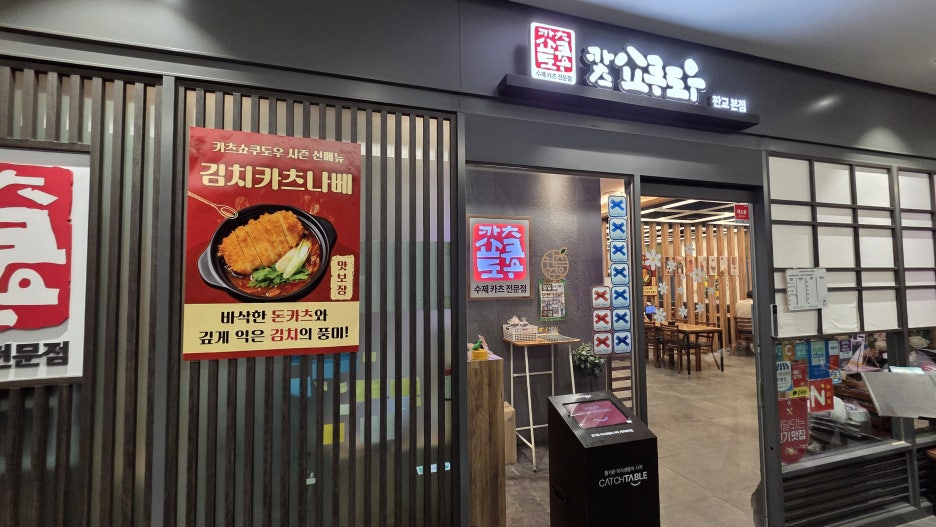
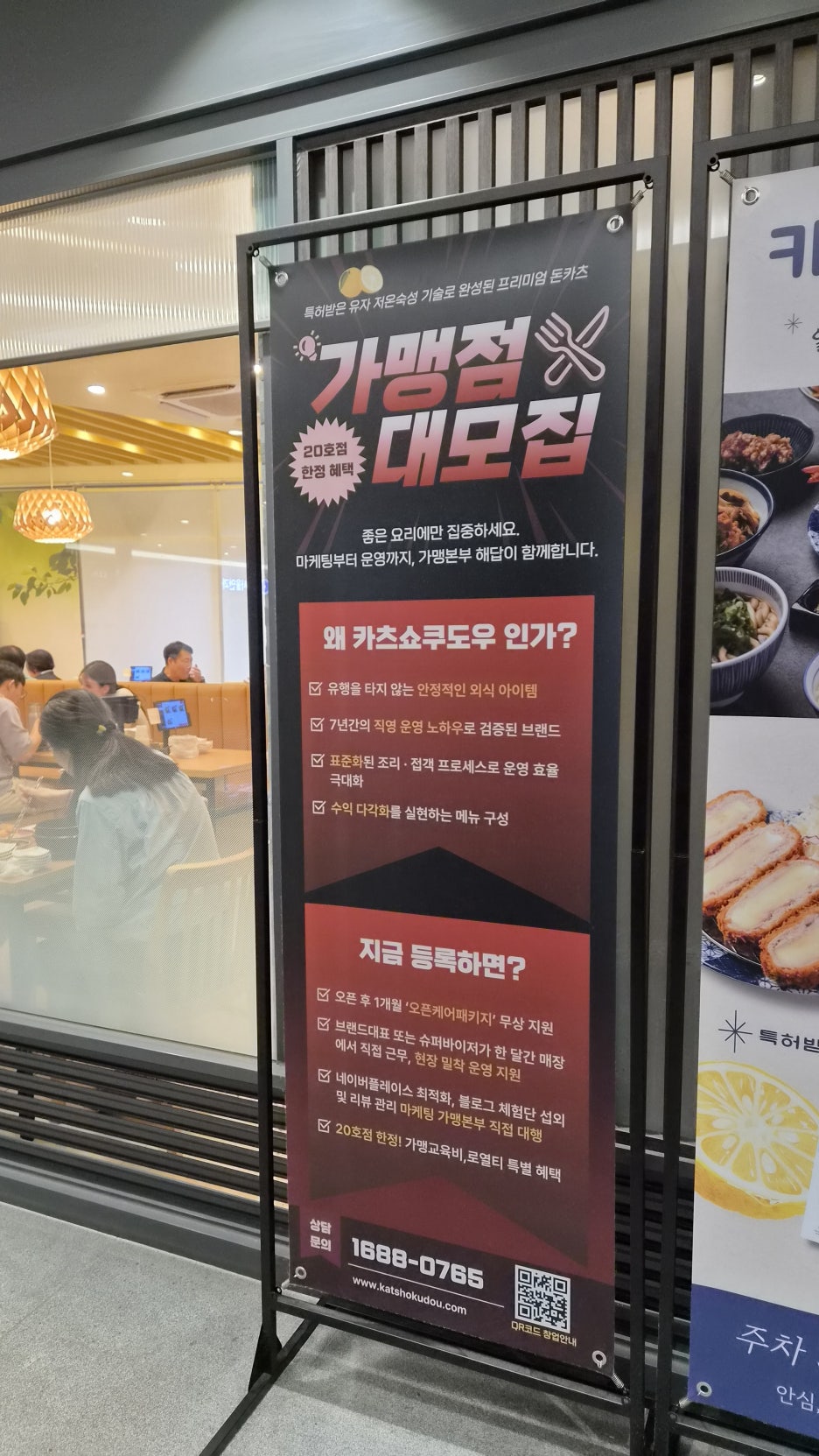
Walking along the underground shopping corridor, a big sign reading 'handmade katsu specialist' catches your eye, so even though it was my first time, the place wasn't hard to find. On one side of the entrance, the seasonal kimchi katsu nabe was featured with a large photo, drawing the attention of passersby.
Blue Ribbons lining the entrance, and a wood-toned dining room
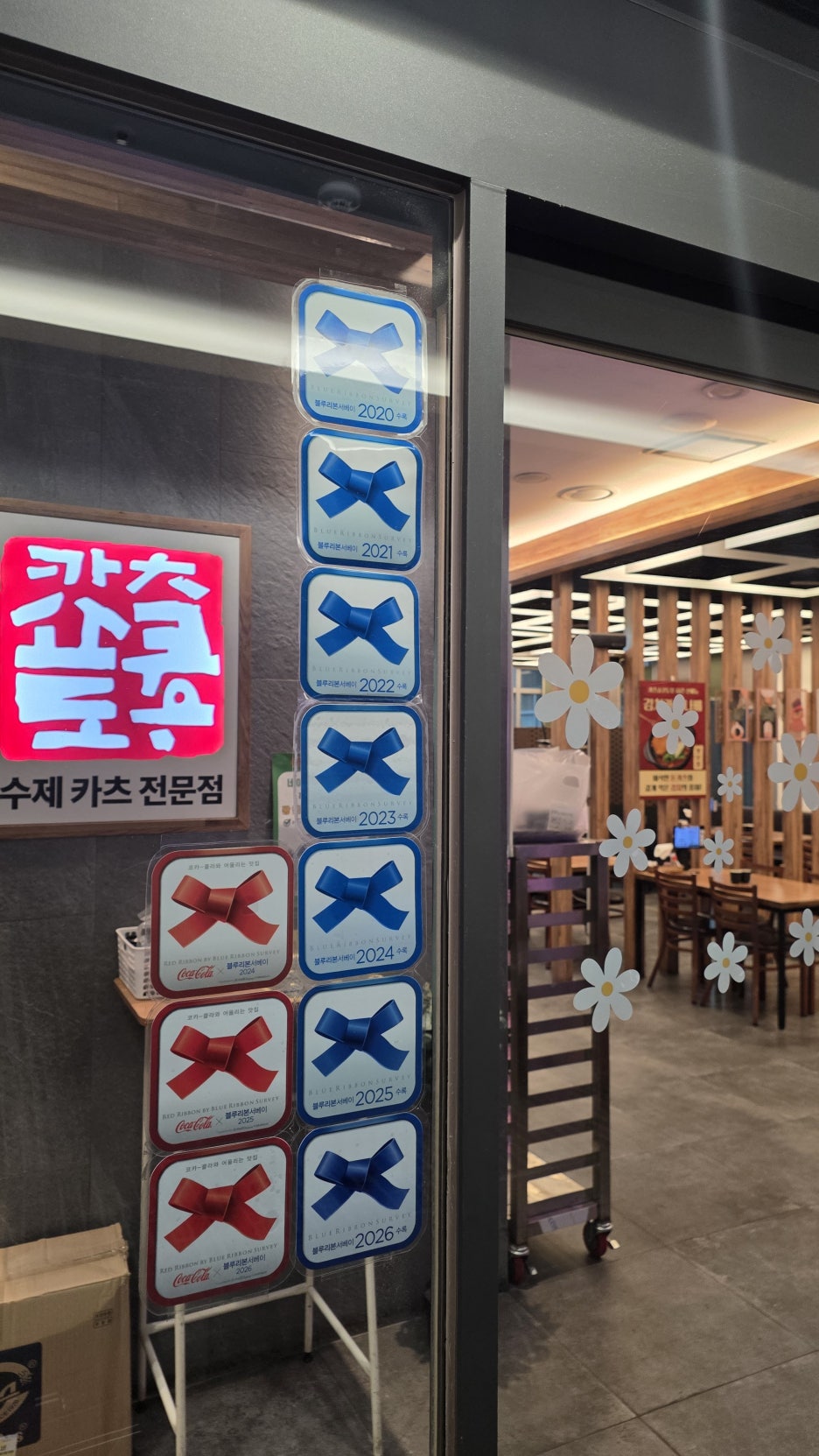
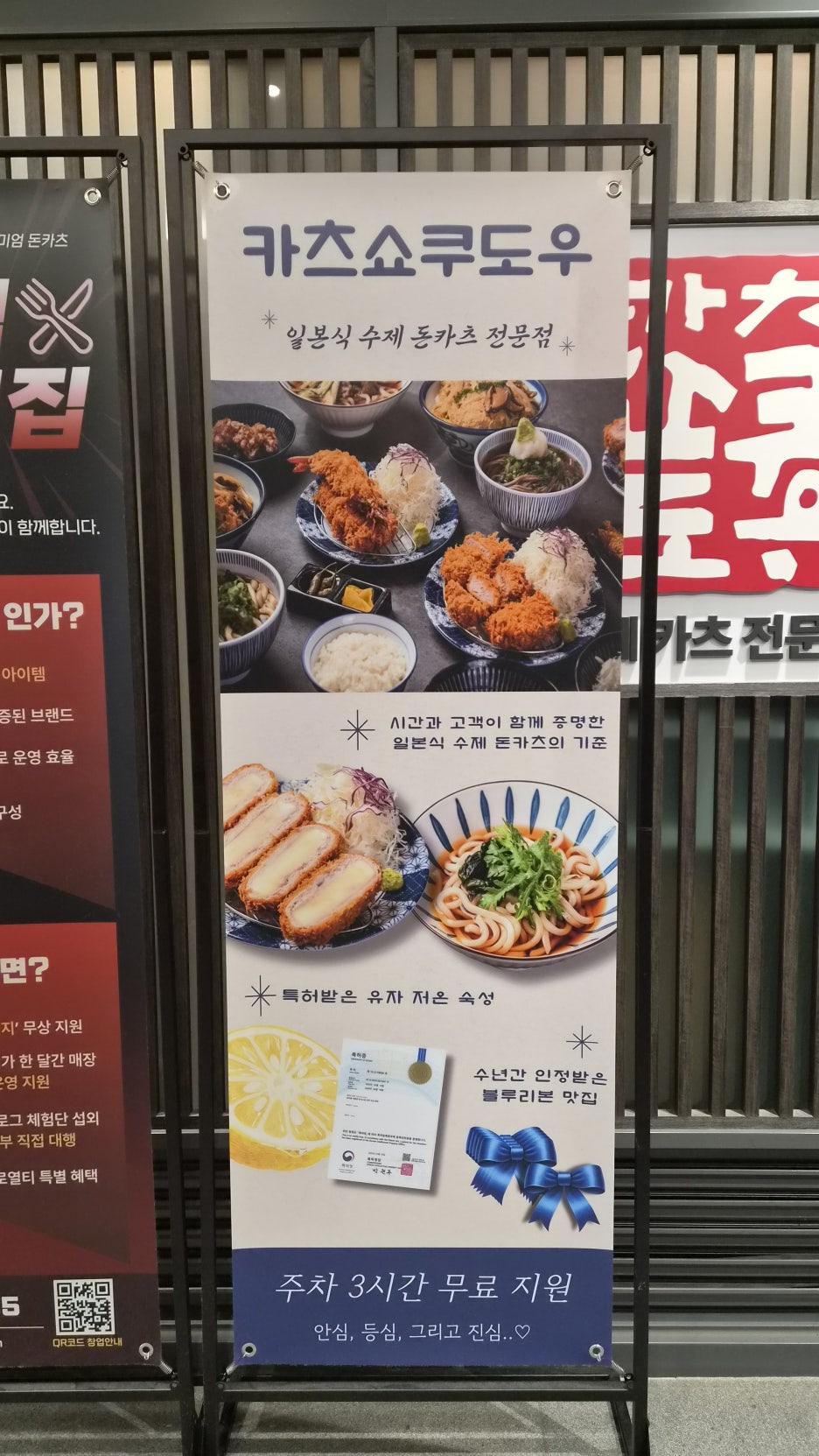
The first thing I noticed, of course, was the row of Blue Ribbon stickers stuck by the entrance. With them lined up year after year like that, it's hard to just walk past. Just from what I checked myself, the Blue Ribbon listing marks ran unbroken from 2020 through 2026, and there was a Red Ribbon mark as well.
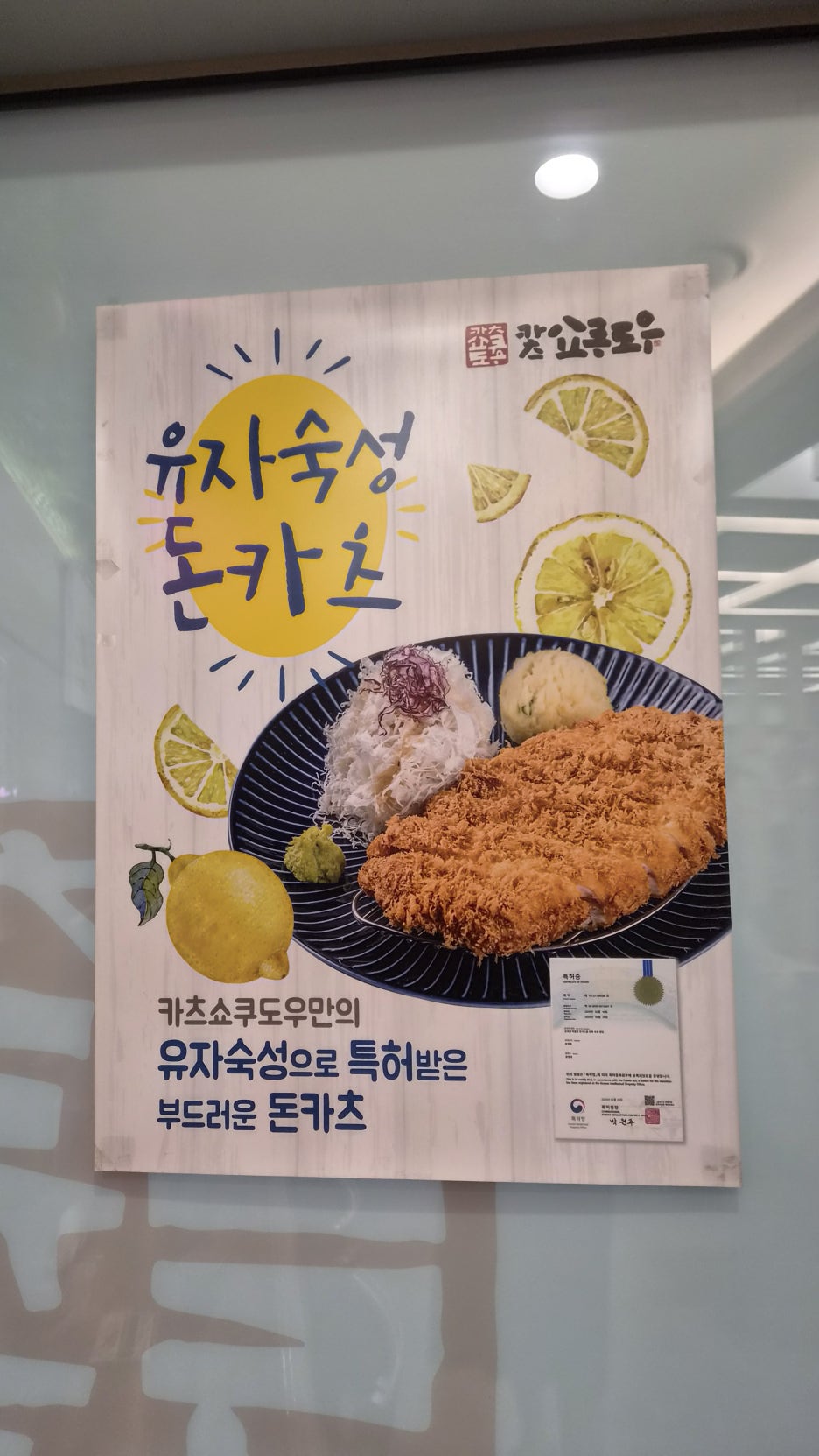
Being listed for so many years read to me as a sign that this tonkatsu spot has held its ground in Pangyo for quite a long time. The official Blue Ribbon description also introduces Katsu Shokudo as a place that low-temperature ages its pork using yuzu, so my expectations for the meat went up a little even before eating.
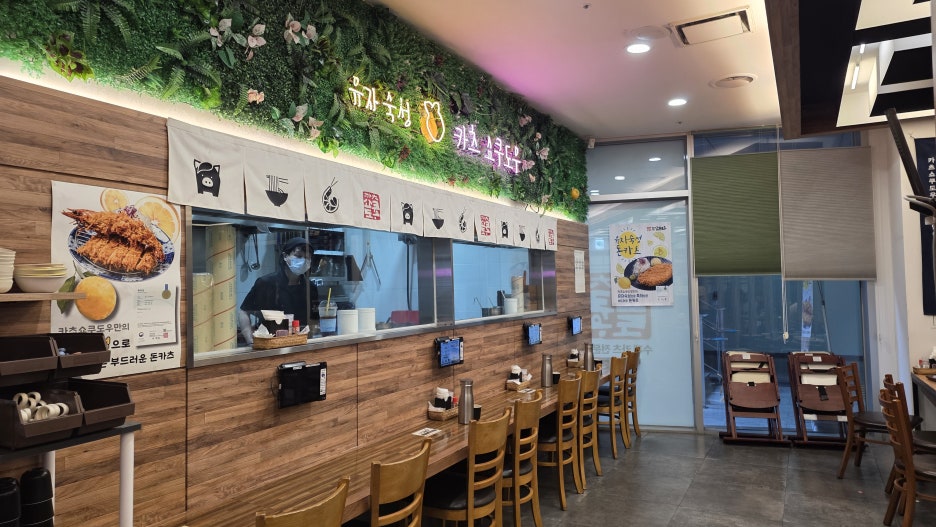
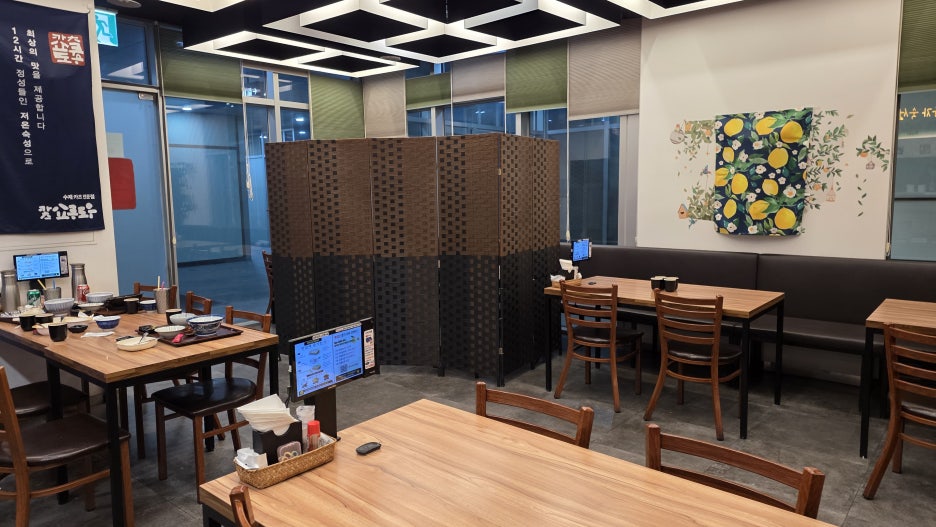
Inside, the dining room is decorated mainly in wood tones, and there are more seats than you might expect. As you'd expect in an area full of Pangyo office workers, it had an easygoing atmosphere for a comfortable lunch or dinner, whether you're alone or in a group.
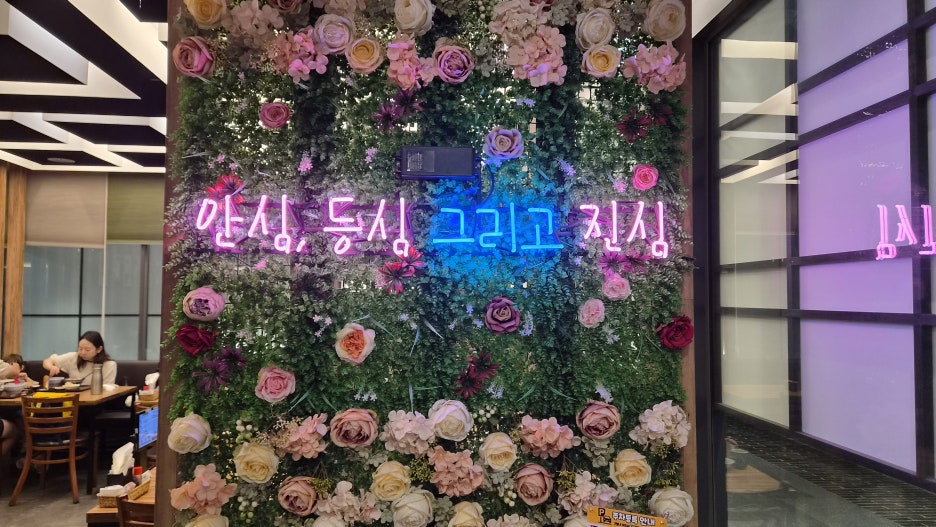
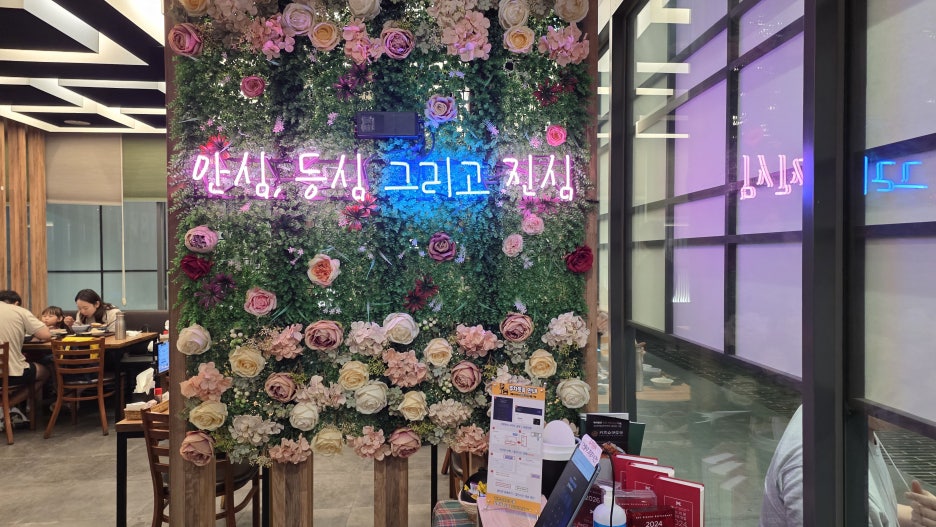
On one side there was also a small photo spot decorated with flowers. A neon sign read "ansim, deungsim, geurigo jinsim" (tenderloin, loin, and sincerity), and this little pun on the names of tonkatsu cuts quietly stuck in my mind even after the meal.
Menu, prices and kiosk ordering
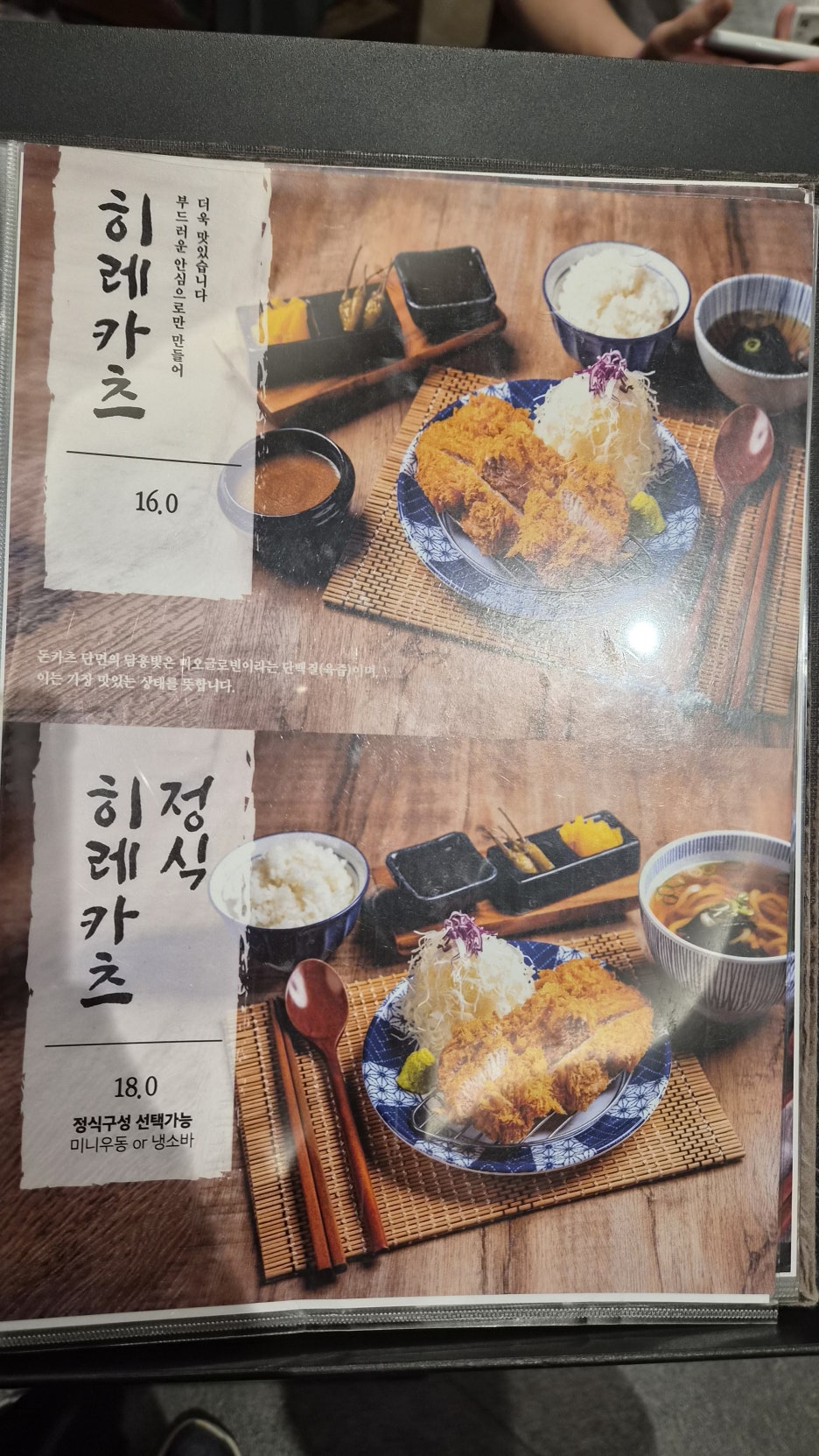
Looking over the menu, there was quite a variety, from rosu katsu (pork loin cutlet) to hire katsu (pork tenderloin cutlet), assorted katsu and katsudon. With loin, tenderloin and rice bowls all covered, you have a wide range to choose from depending on your taste. All prices are based on the menu at the time of my visit.
The rosu katsu was 15,000 won on its own and 17,000 won as a set, and with the set you could choose either mini udon or cold soba. The mozzarella cheese katsu is 16,000 won on its own and 18,000 won as a set. The difference between the single item and the set is 2,000 won, so you can decide based on whether you want the noodles on the side.
We ordered one mozzarella cheese katsu on its own for 16,000 won and one rosu katsu set for 17,000 won, for a total of 33,000 won. The idea was to order the basic rosu katsu together with the cheese katsu and compare the two styles.
You can order right away from the kiosk at your table. Once you've decided on your food, you don't have to call a server over, so ordering went smoothly even during the busy mealtime rush. For the noodles with the rosu katsu set, I chose cold soba.
A thick-cut rosu katsu set
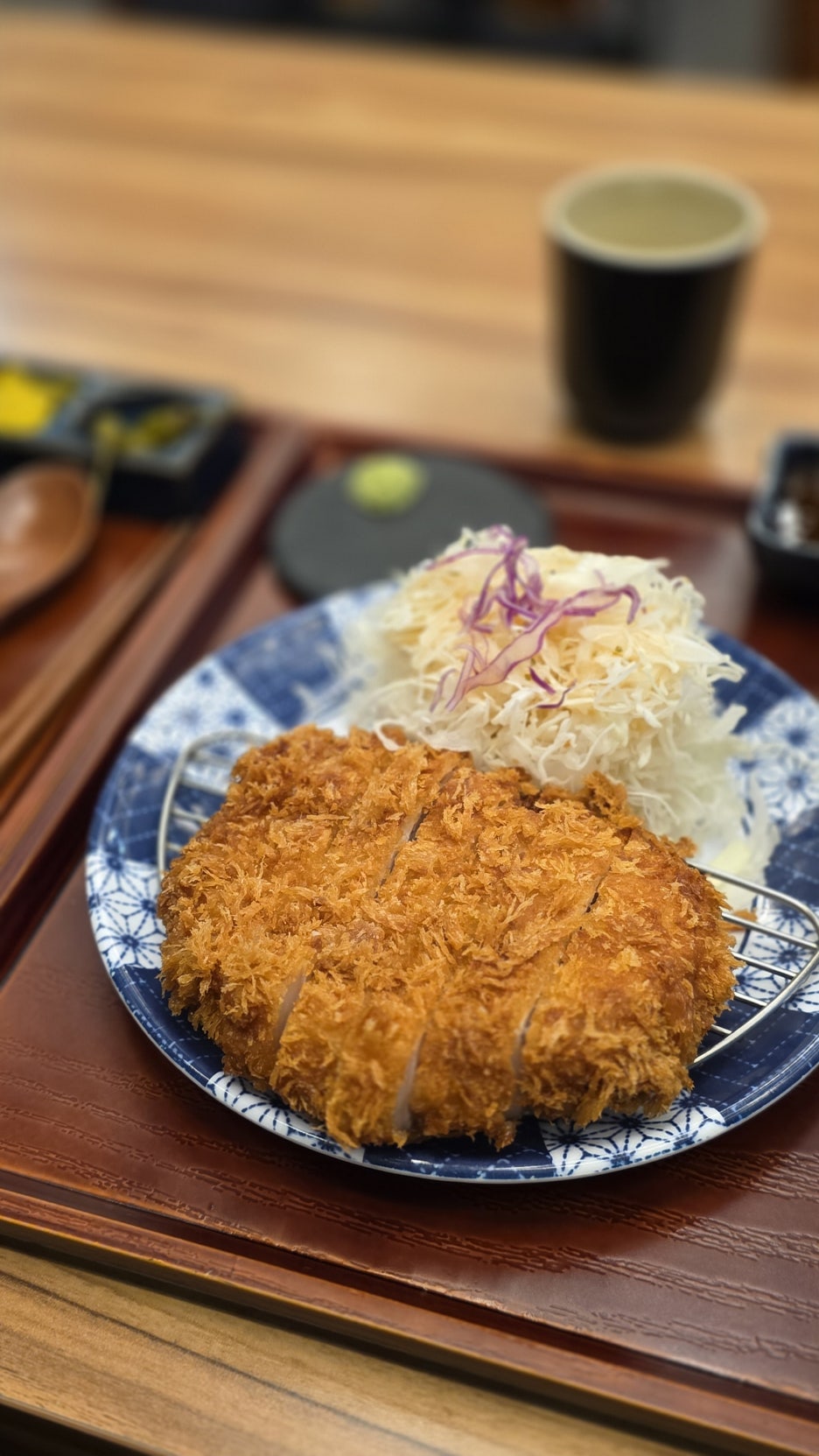
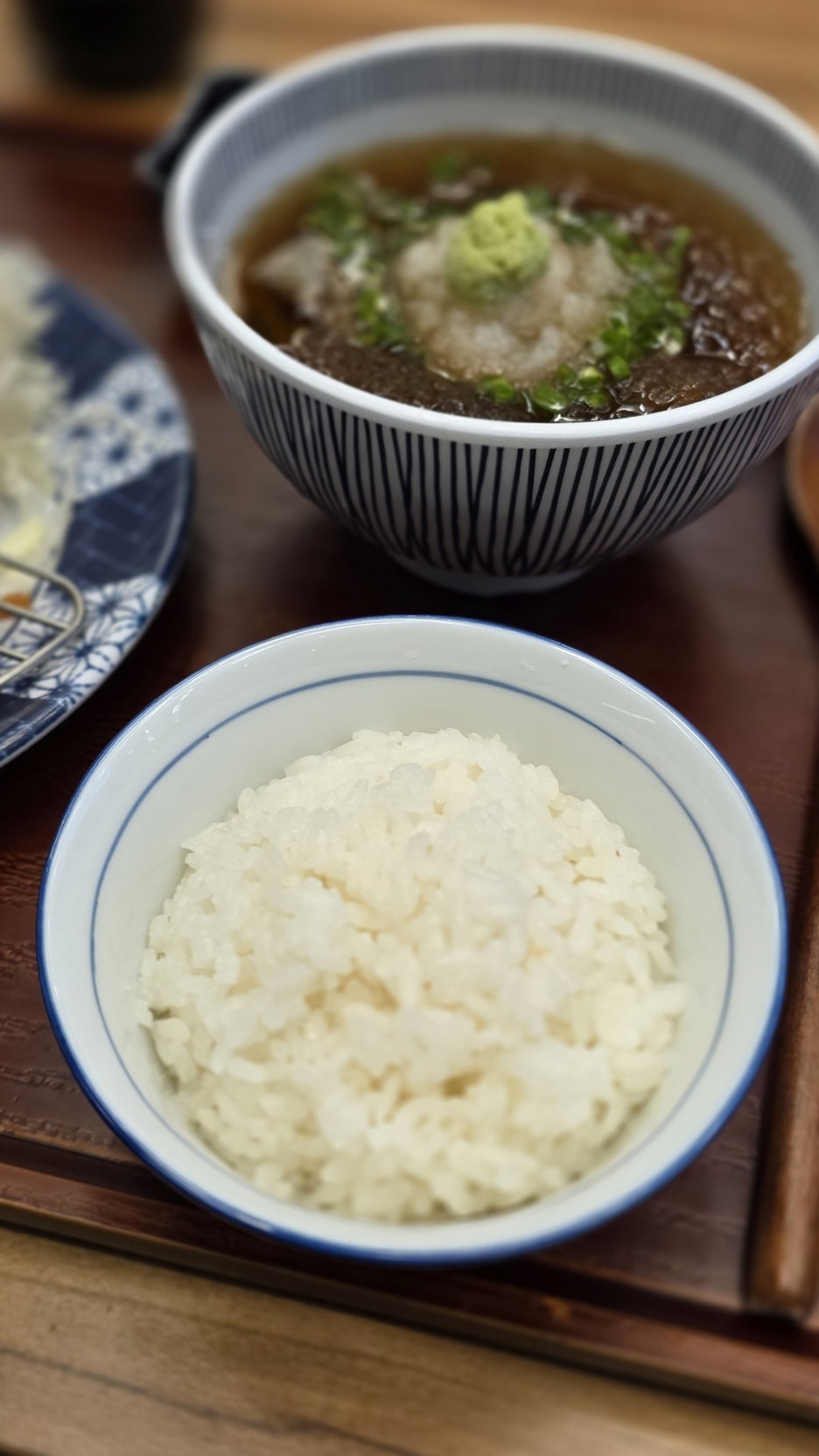
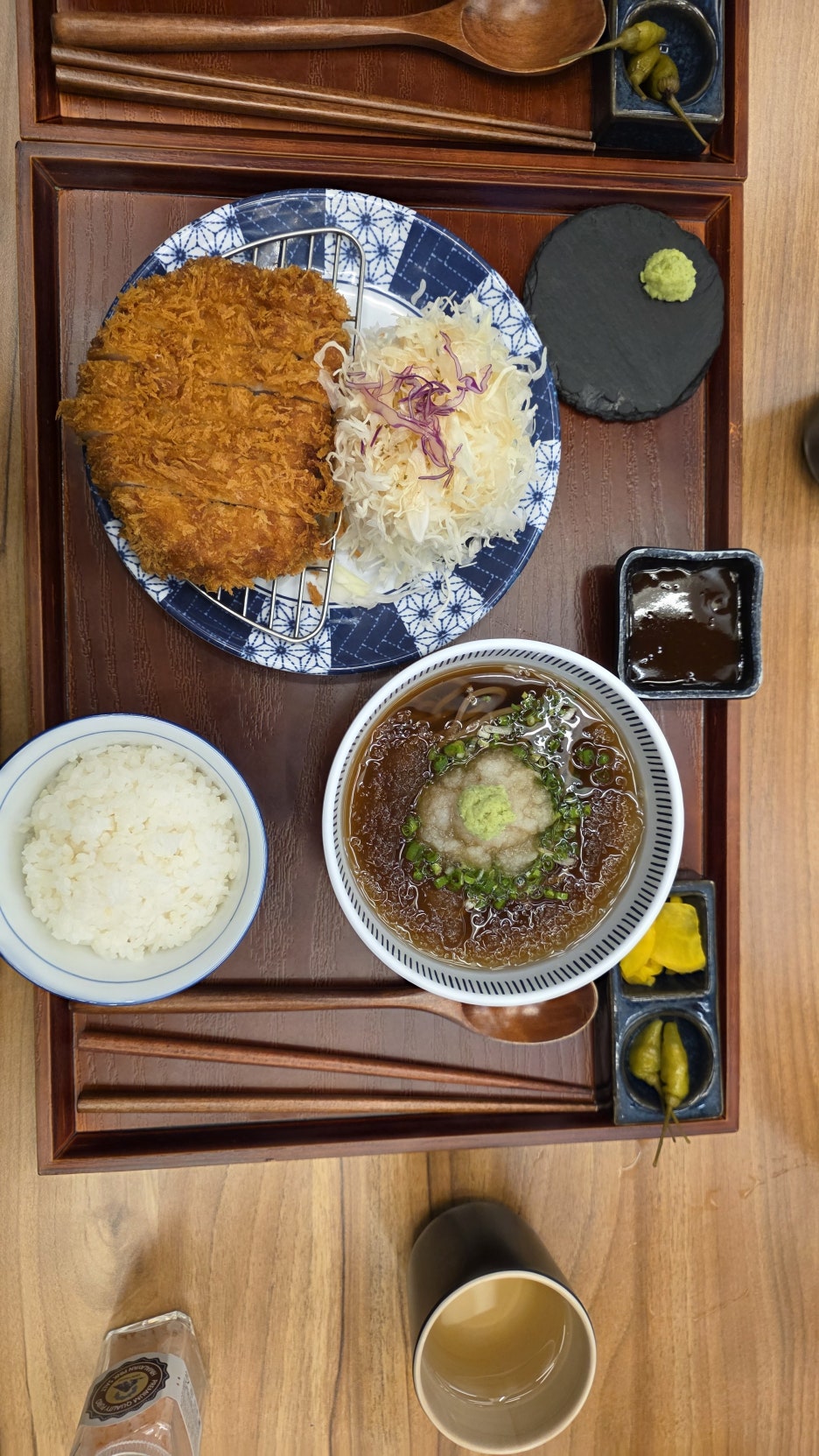
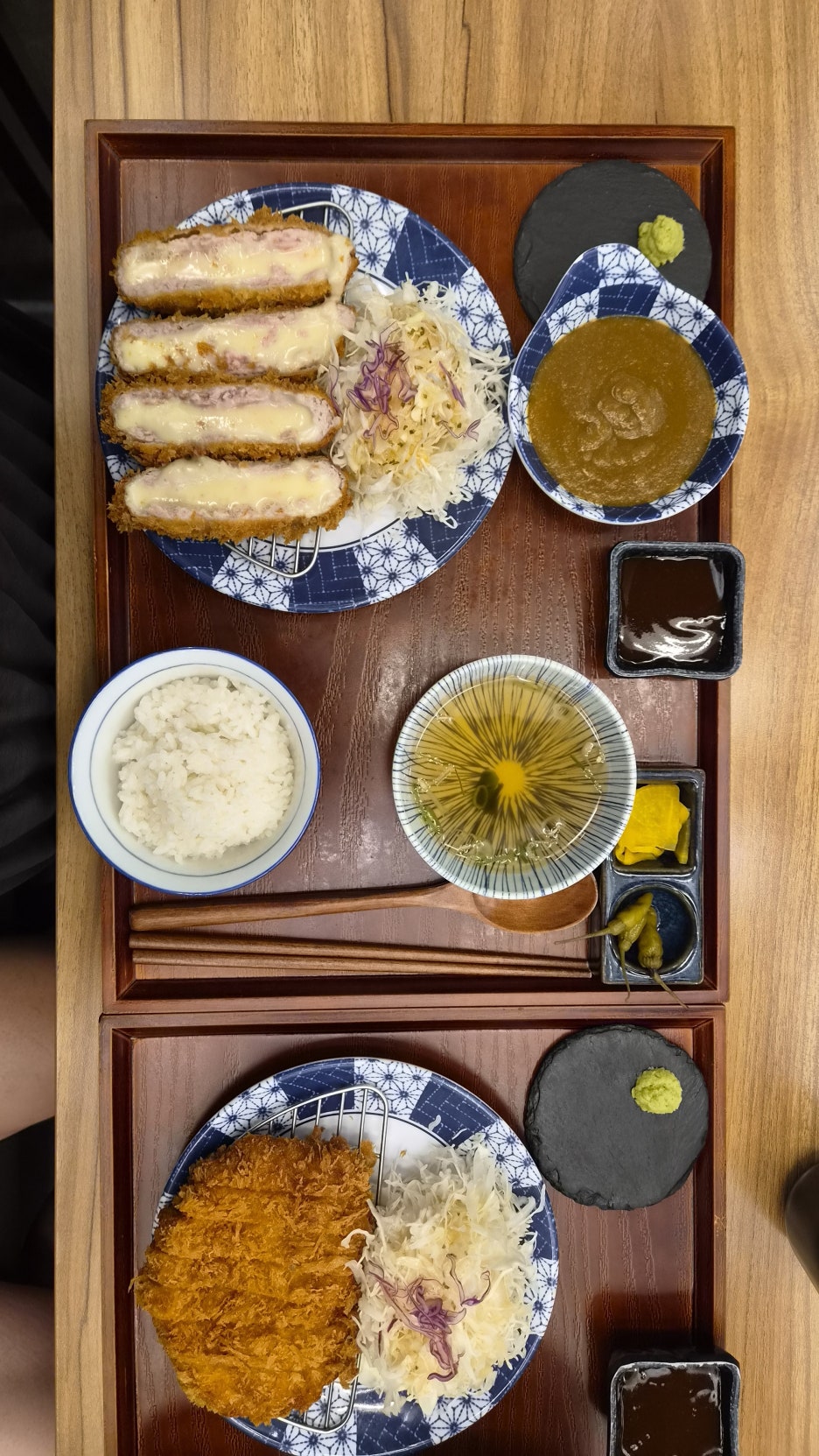
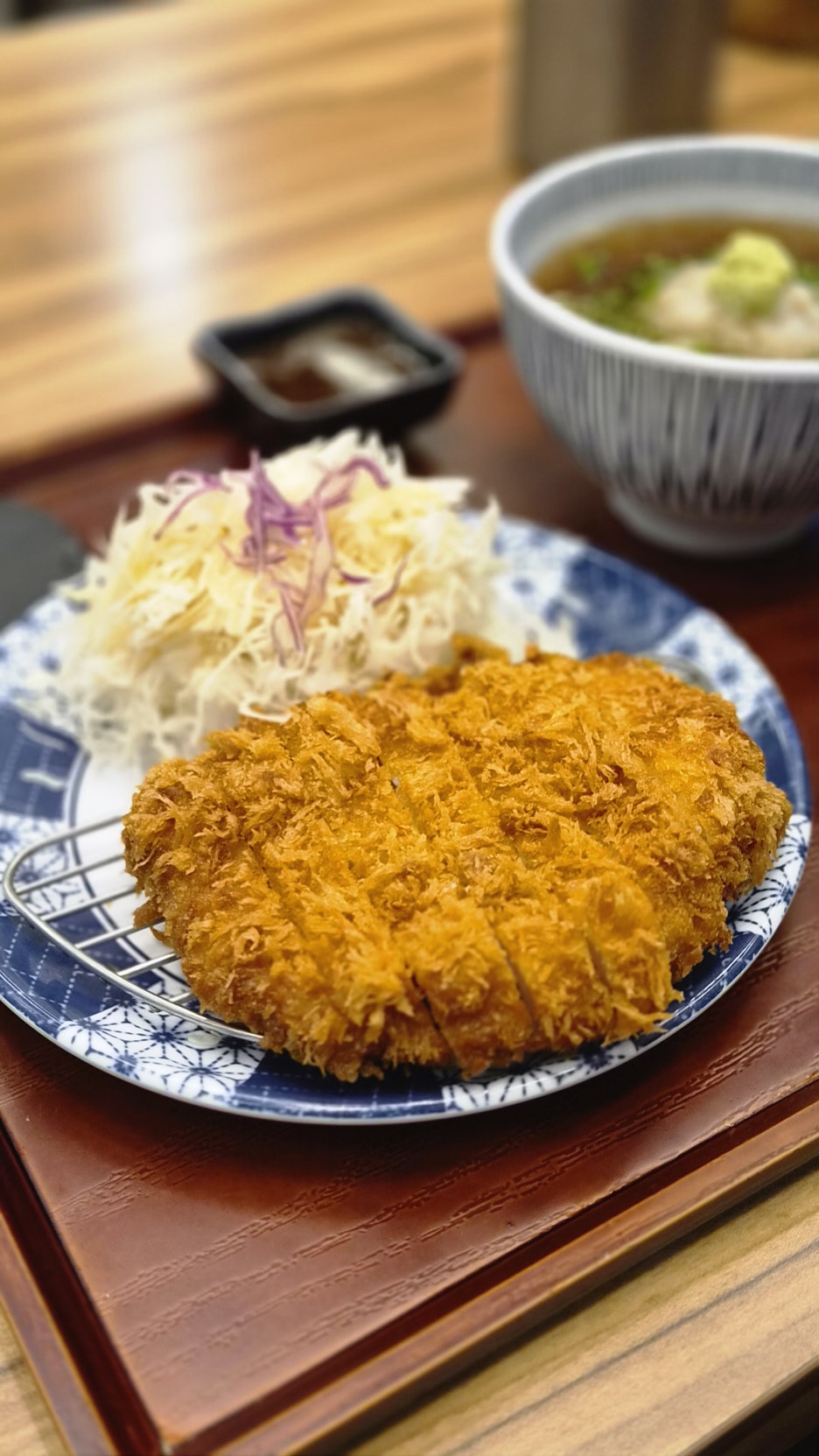
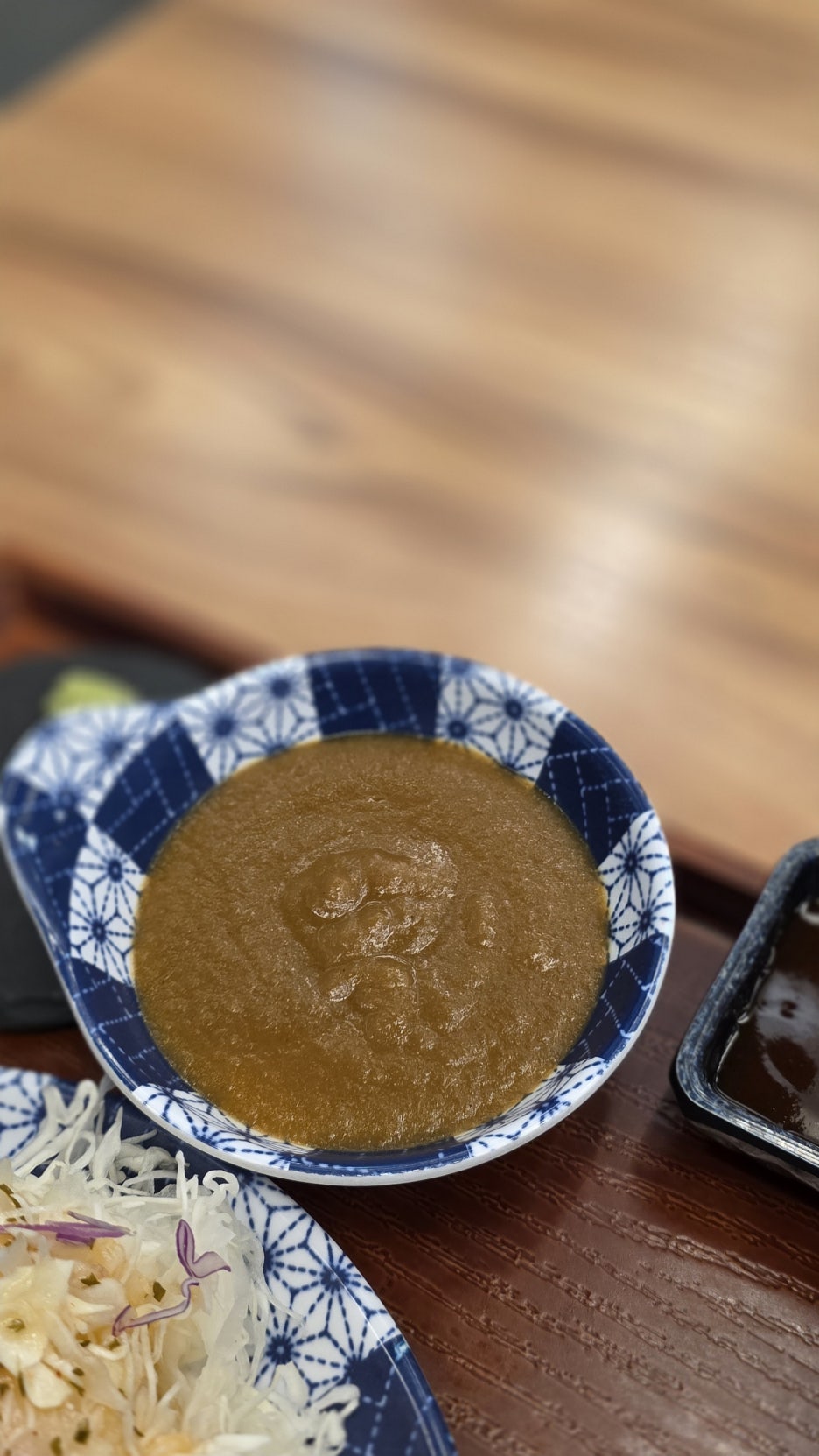
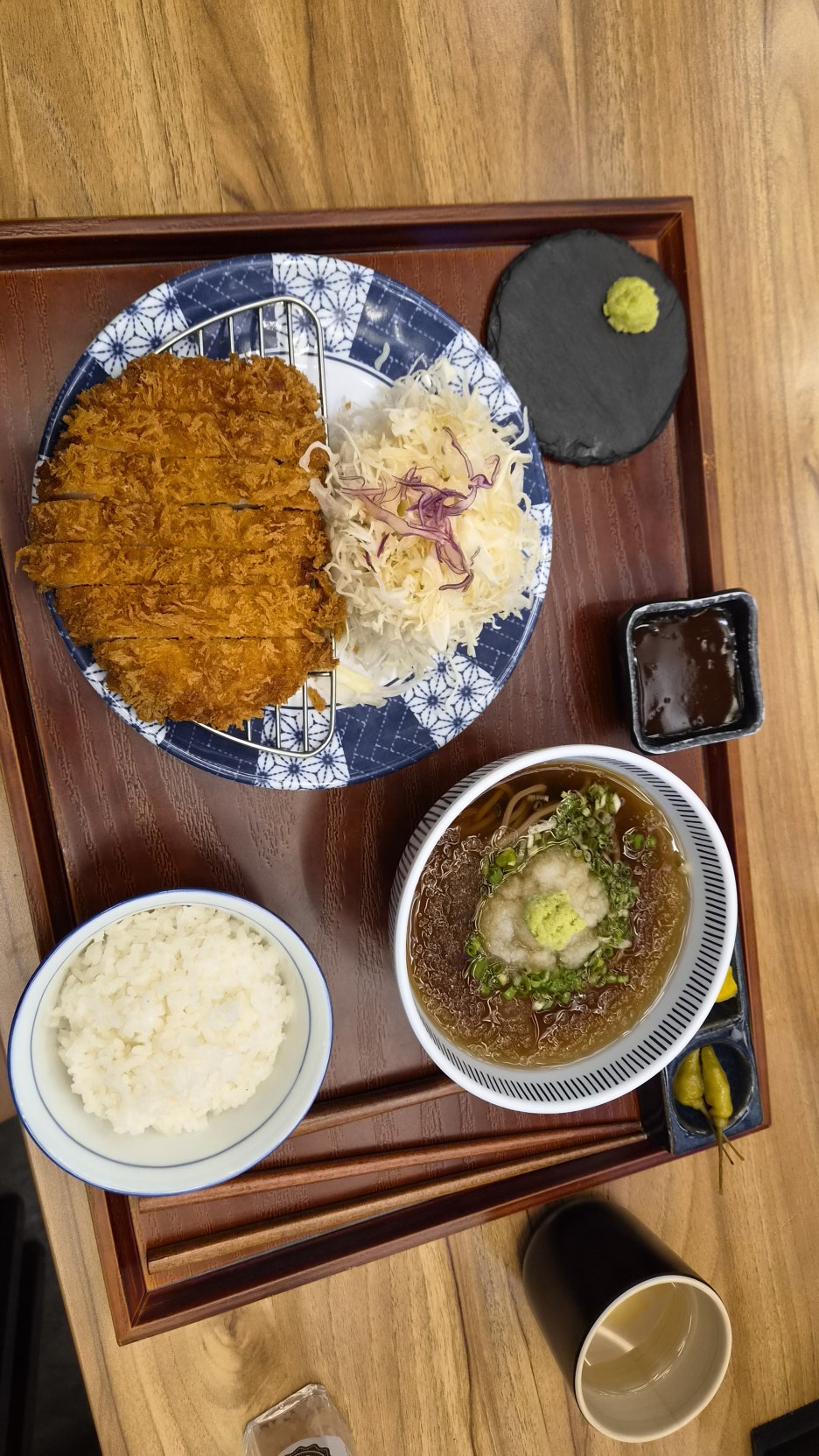
The rosu katsu set came out first. The tonkatsu and cabbage were served on one plate, along with rice, sauce and a bowl of cold soba, so the single tray looked quite filling.
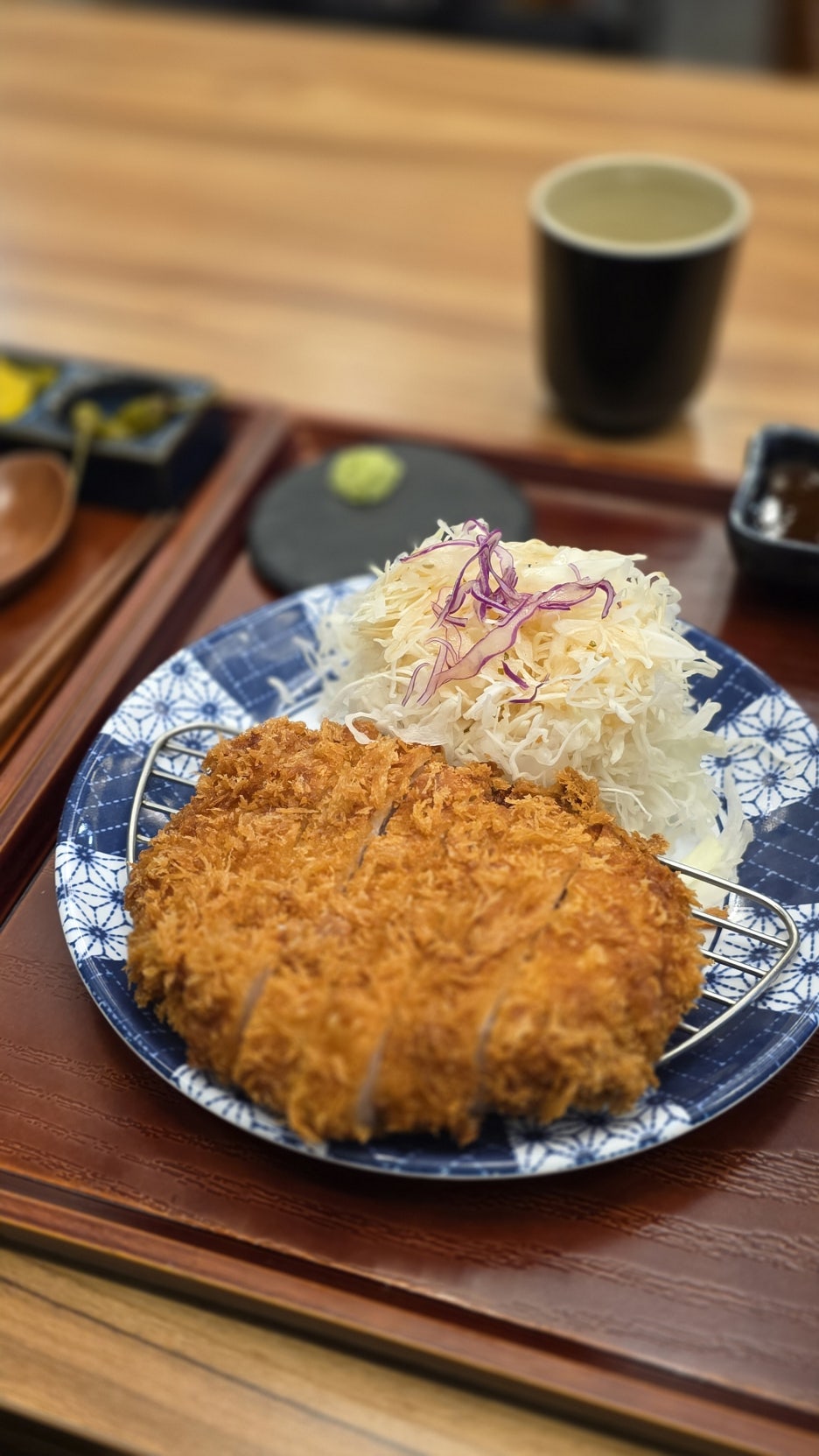
The panko on the rosu katsu was coarse and stayed nicely crisp, and the cross-section showed a pretty thick cut of meat. The coating clung firmly to the pork instead of lifting away from it.
When you pick up a piece and bite in, it isn't the kind where only the batter is thick; the meat makes up a large part of each piece, so you really feel the chew. Biting through the crisp outside and then into the meat is a clear sequence, so it felt very much like eating tonkatsu as a meat dish. Even with that thickness, it never felt dry, and I kept reaching for one piece after another.
Personally, I preferred dipping the pieces lightly in the sauce rather than soaking them. That way the panko stays crunchy longer and the flavor of the meat doesn't get buried. Having some cabbage in between cut the greasiness, and adding a little of the wasabi provided on the side made it taste even cleaner.
Cold soba in slushy, ice-cold broth
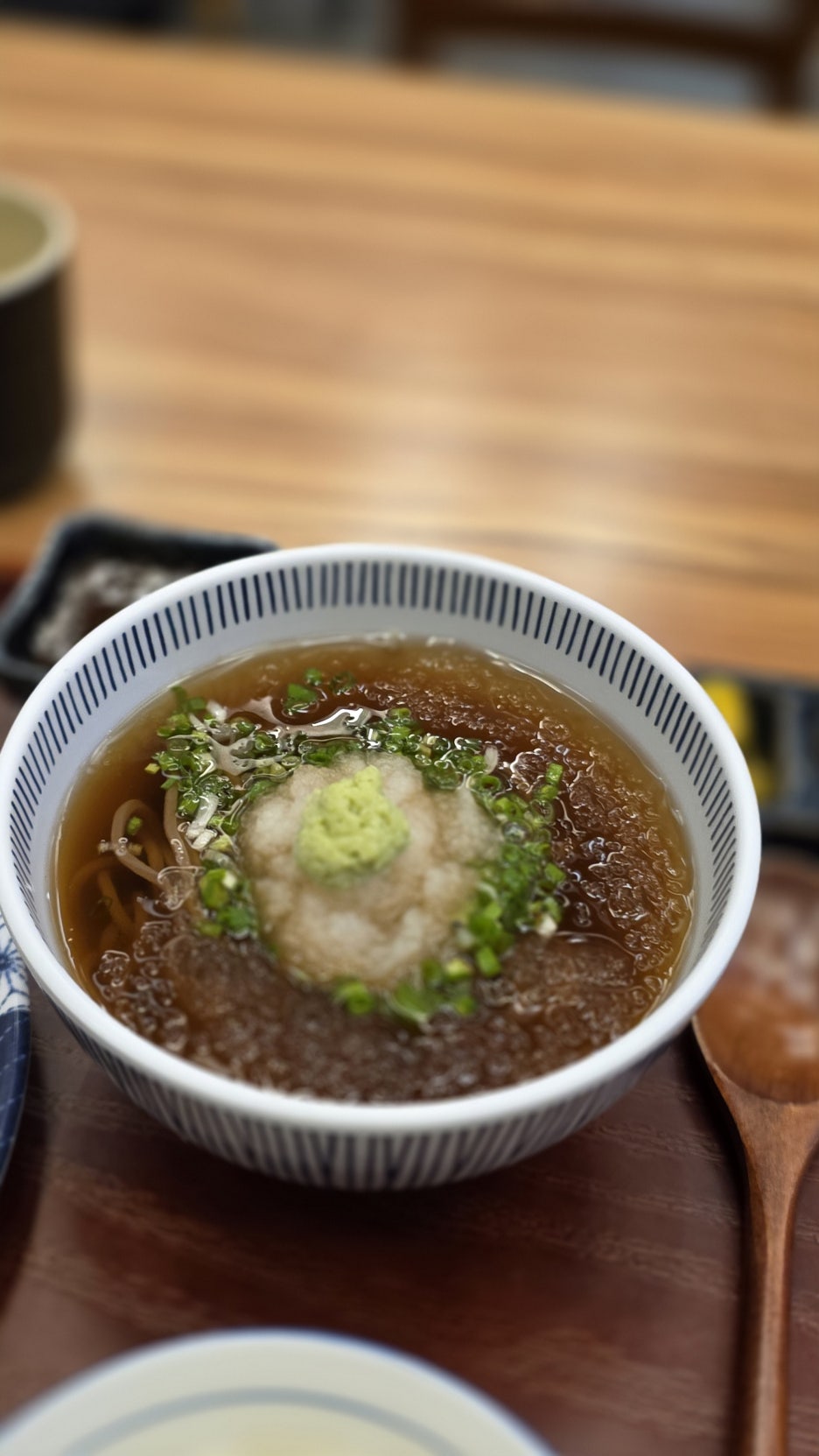
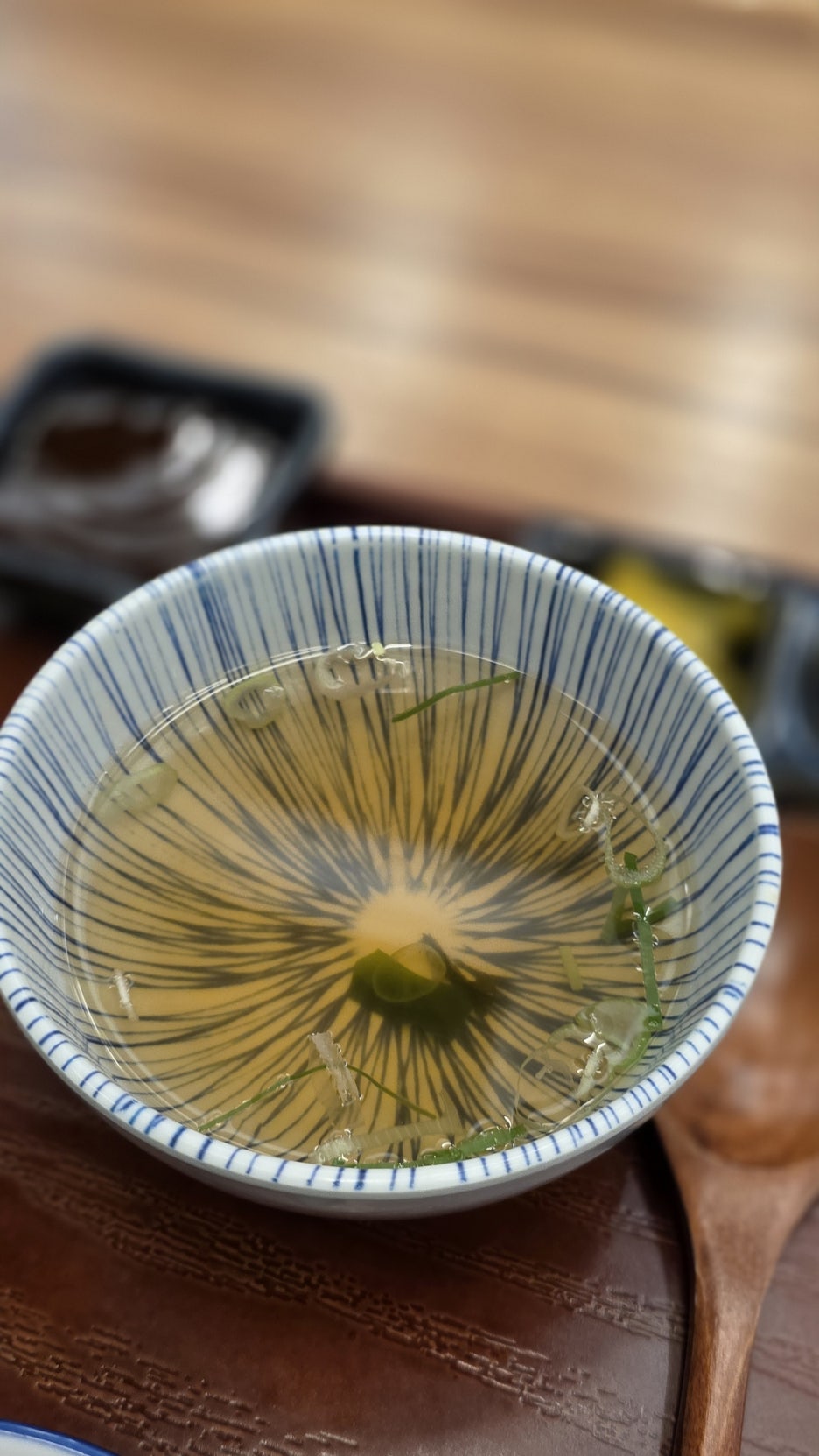
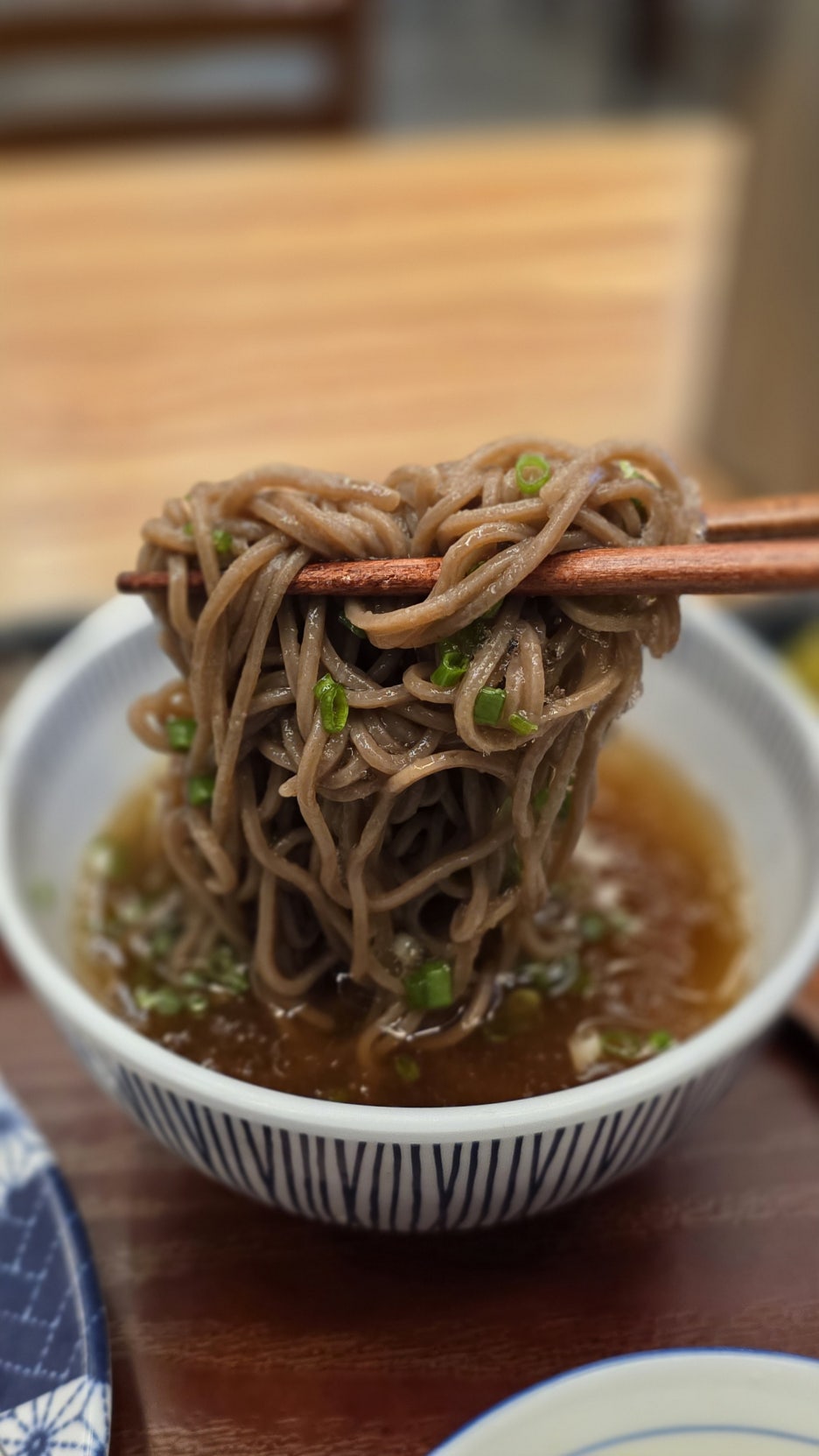
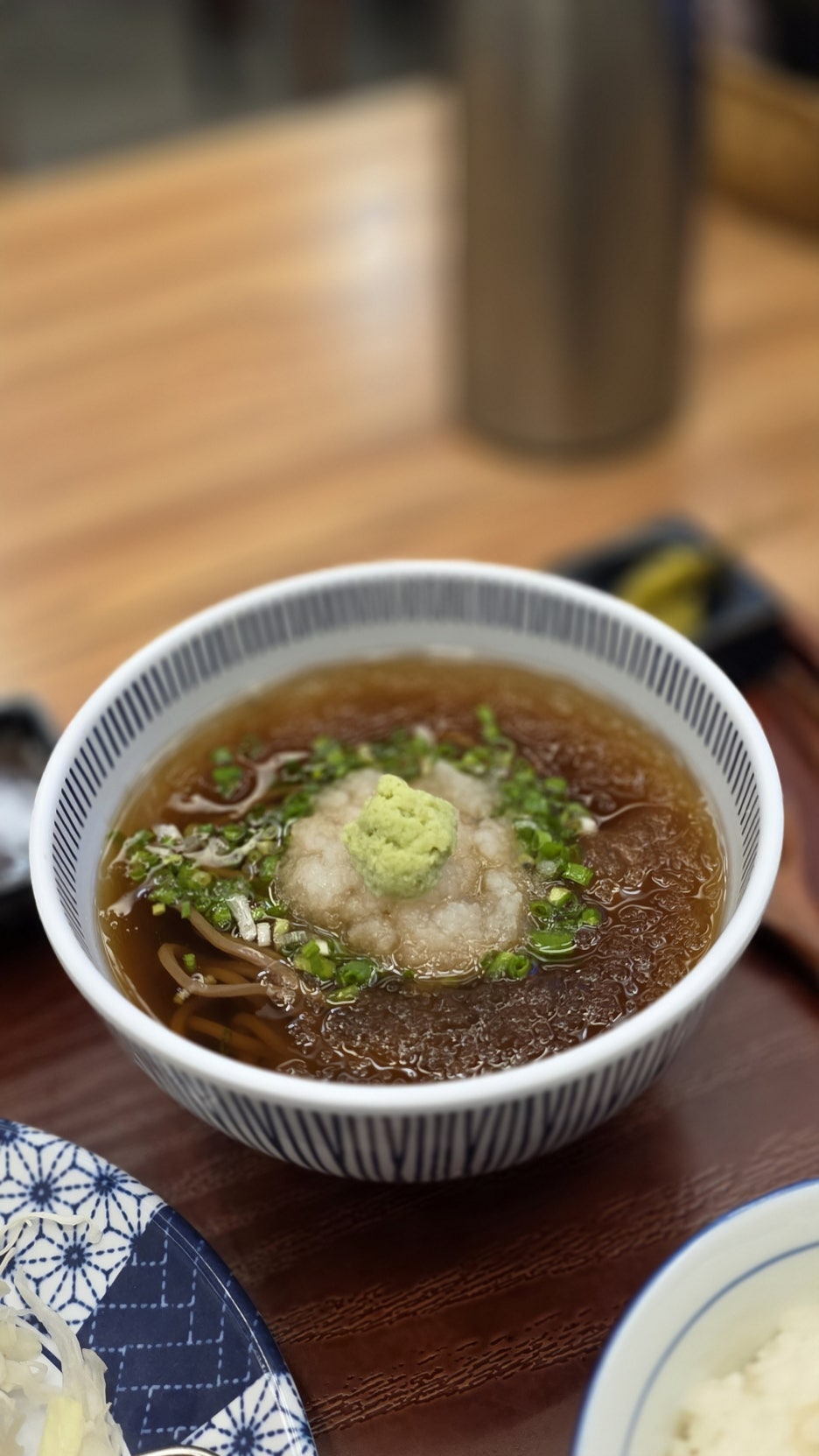
The cold soba that came with the set was better than I expected, too. I'd thought of it as just a side, but it held its own as a bowl.
With radish and wasabi on top of the chilled broth and bits of slushy ice floating in it, it looked refreshing from the start. When you loosen the noodles in the broth and lift them up, the buckwheat noodles come out coated in a salty yet refreshing broth.
Eating a few pieces of crispy tonkatsu and then a mouthful of cold soba felt like resetting your palate, so the two dishes made a good combination. Going back and forth between the richness of the fried cutlet and the freshness of the cold broth kept the rhythm of the meal from getting dull.
With the set you can choose between mini udon and cold soba, and if I were having tonkatsu in Pangyo on a hot day in particular, I think I'd go with the cold soba over the udon.
Mozzarella cheese katsu with a cross-section packed with cheese
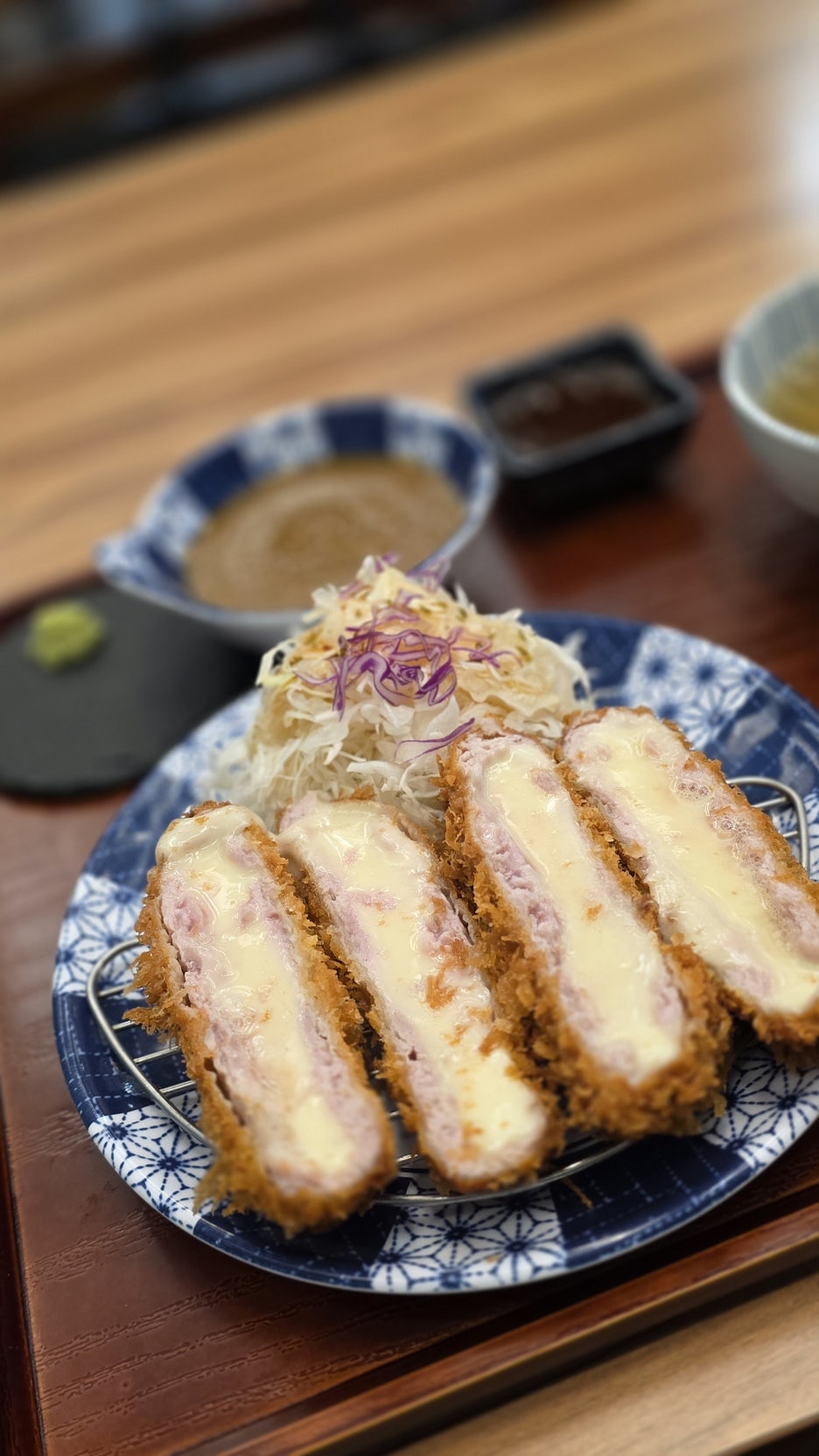
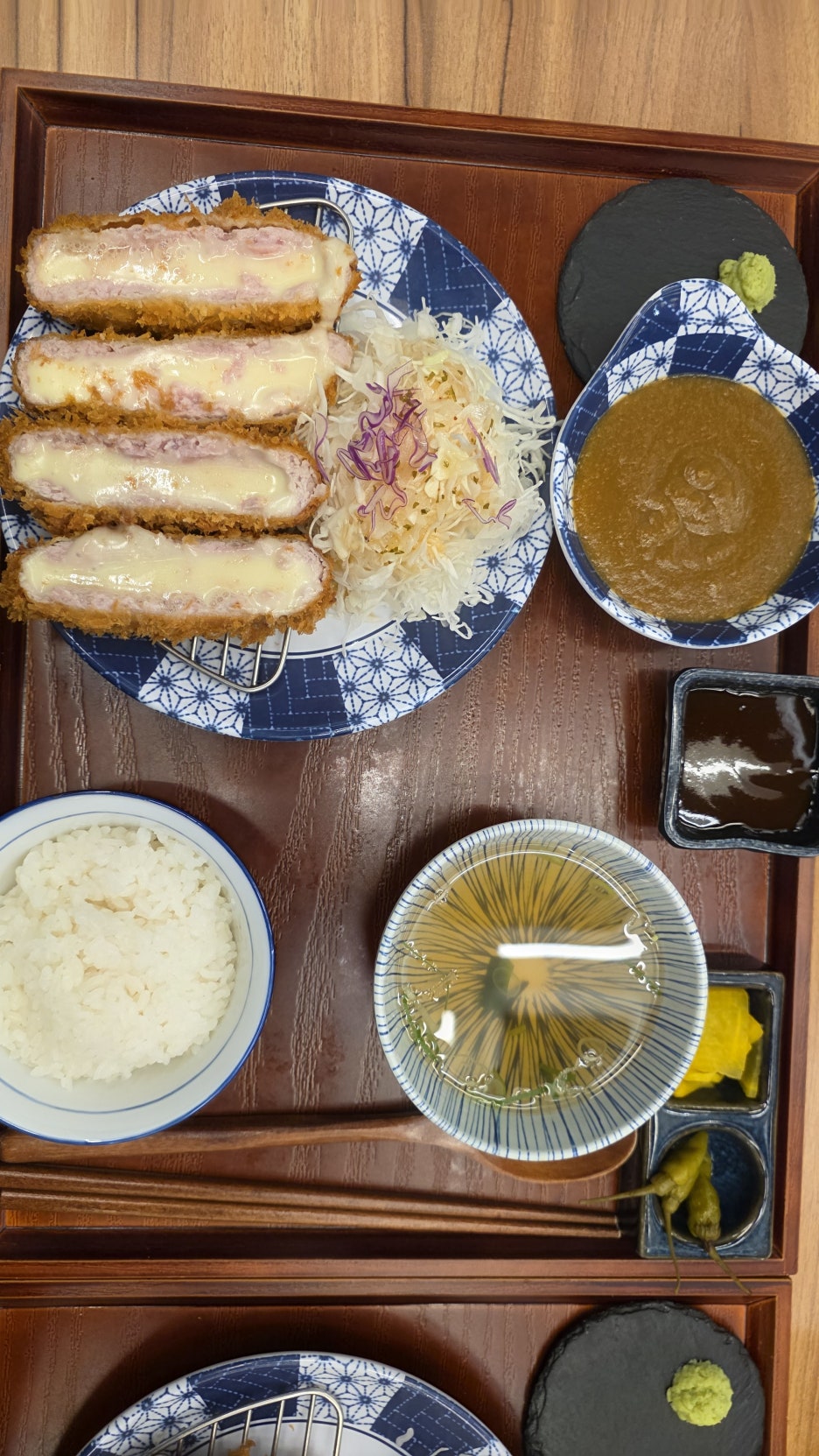
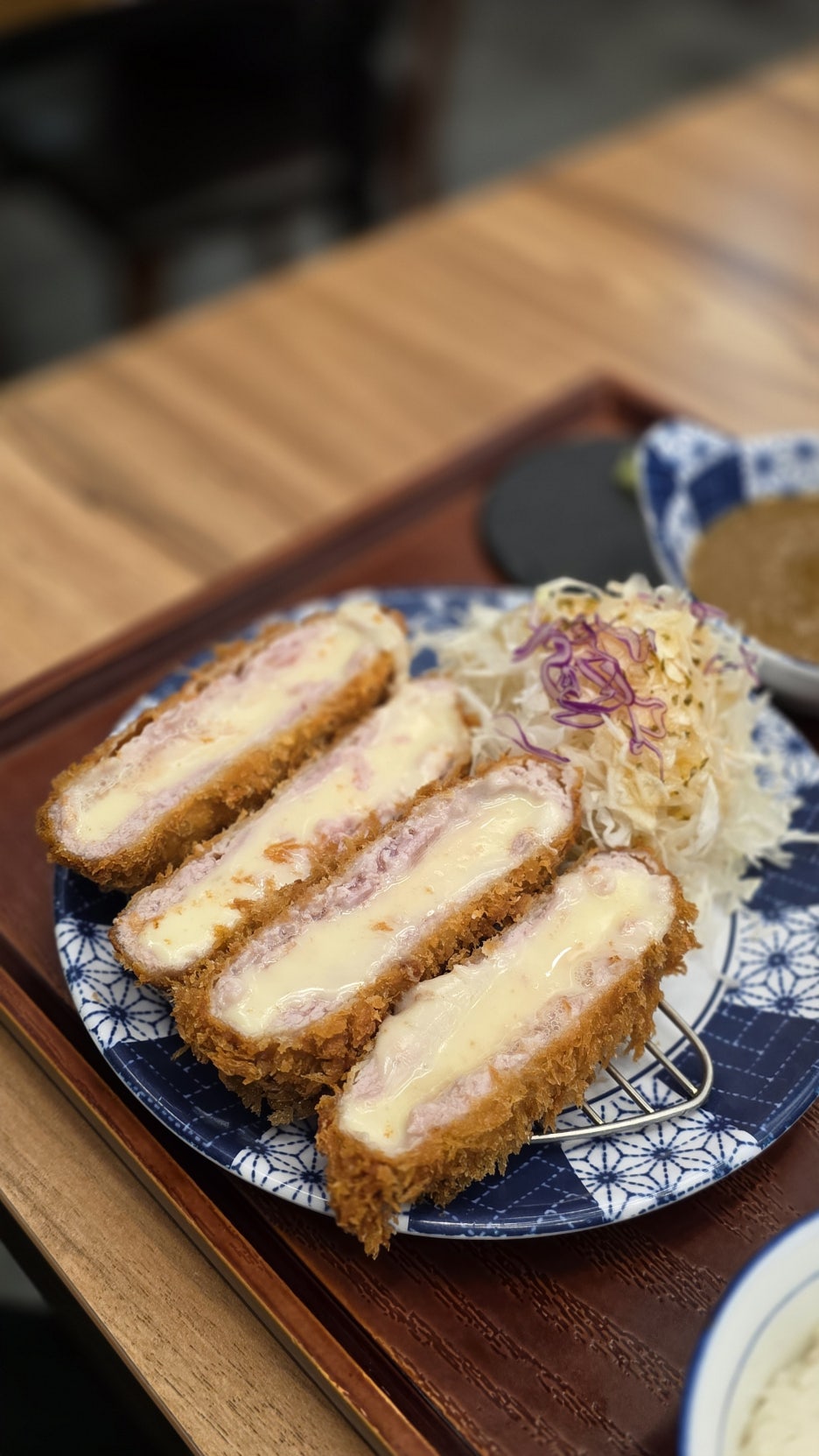
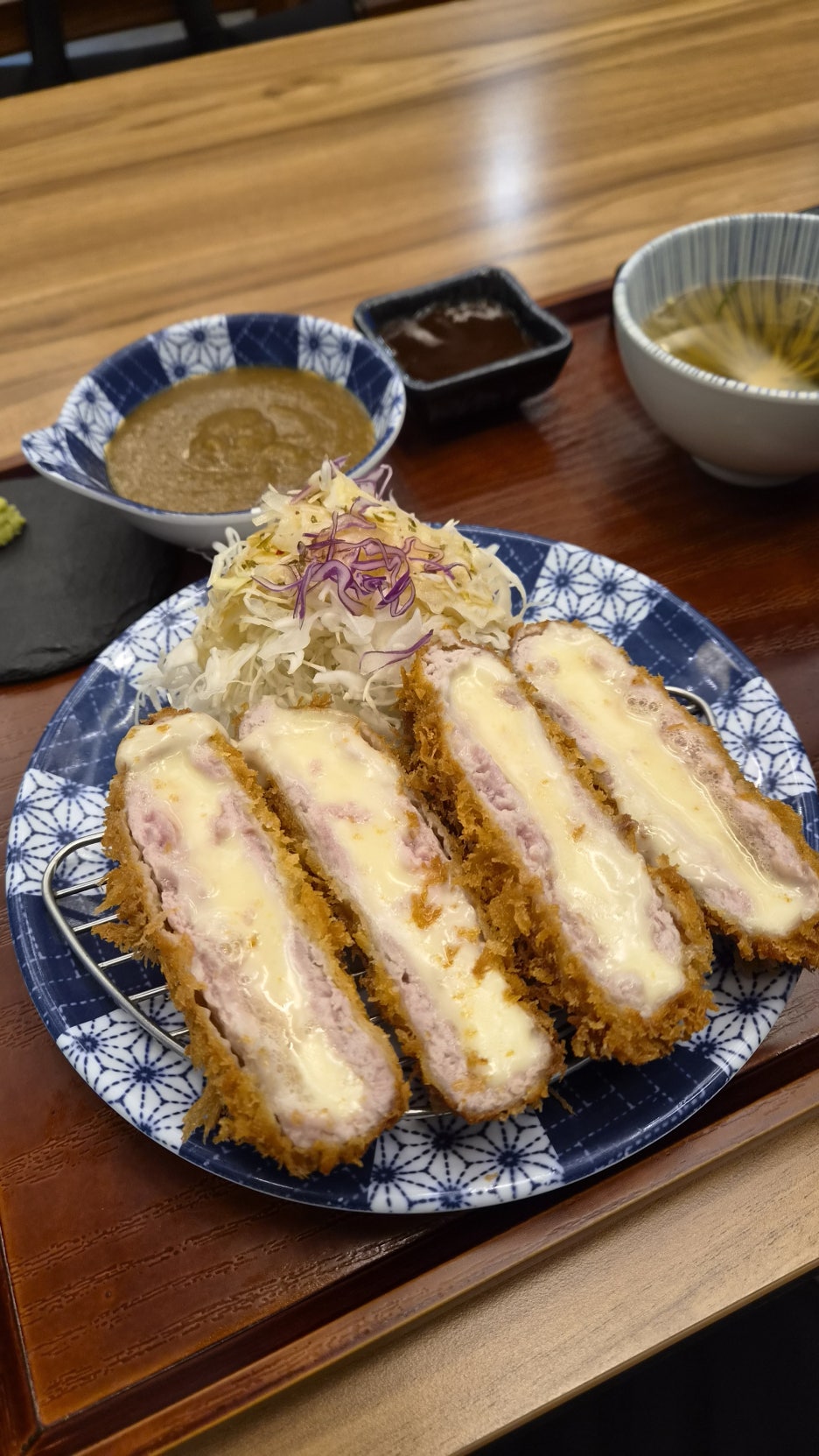
The dish I took the most photos of during this meal was, as you'd expect, the mozzarella cheese katsu. It comes cut into easy-to-eat pieces, and looking at the cross-section, the middle was almost completely filled with mozzarella.
With a thick layer of soft cheese between the crispy coating and the meat, it had a completely different appeal from the regular rosu katsu. If the rosu katsu wins you over with the chew of the meat, the cheese katsu is all about the soft texture of meat and cheese layered together.
Eaten while hot, the cheese stretched softly and its rich, savory flavor came right through. That's why it was also the dish I reached for first as soon as it arrived. This dish is at its best when you eat it before the cheese cools, so if you order both, I'd suggest trying the cheese katsu first.
That said, there's a lot of cheese, so you get pretty full after just a few pieces. If two people go, I felt that ordering one regular katsu and one cheese katsu to share would be a good combination. We also alternated between the rosu katsu and the mozzarella cheese katsu, and enjoyed it right to the end without getting tired of it.
When you're craving tonkatsu in Pangyo
Rather than a flashy, reinvented tonkatsu, Katsu Shokudo is all about thick pork, a crisp fry and a neat, well-composed set meal. It's a good fit for anyone looking for tonkatsu that focuses on the fundamentals.
It's easy to reach from Pangyo Station and has a wide variety of katsu, so it looked like a good choice for an office-worker lunch or dinner. The fact that it has been listed by Blue Ribbon for so long is another reason you might want to visit at least once.
If I go again, I'd like to try the hire katsu or the assorted katsu I didn't get to this time. If you find yourself craving crispy Japanese-style tonkatsu and cold soba around Pangyo Station, the Pangyo main branch of Katsu Shokudo is worth a stop. The address is B1-9, Alphadom Tower 3, 152 Pangyoyeok-ro, Bundang-gu, Seongnam-si, Gyeonggi-do.
Check opening hours and closing days on the map before you go.
This box contains affiliate links. If you book through them, Mudung may earn a commission at no extra cost to you.
 Read nextSame neighborhoodPangyo Lunch: Pork Belly Butadon and Kimchi Cheese Katsunabe₩12,000Read →
 Read nextA roundup with this spotBundang & Pangyo Food Guide: 6 Casual Meals and PricesRead →
 Read nextSame neighborhoodPangyo Indian Curry Lunch: Naan and Set A at Bombay Broi₩14,900Read →