At Unagiwa (우나기와), an eel specialist tucked into a side street by Yeoksam Station, I ate hitsumabushi three ways and finished with ochazuke. Valet parking and free corkage details are included too.
In this article Show
- Yeoksam's Unagiwa, a stop on my recent eel rice bowl hunt
- Tucked into a side street, with valet parking and free corkage
- A Japanese-style space of wooden signage, bamboo and warm wood tones
- Tablet ordering, hitsumabushi prices and how to eat it
- One and a half eels and a half eel, cut into small pieces
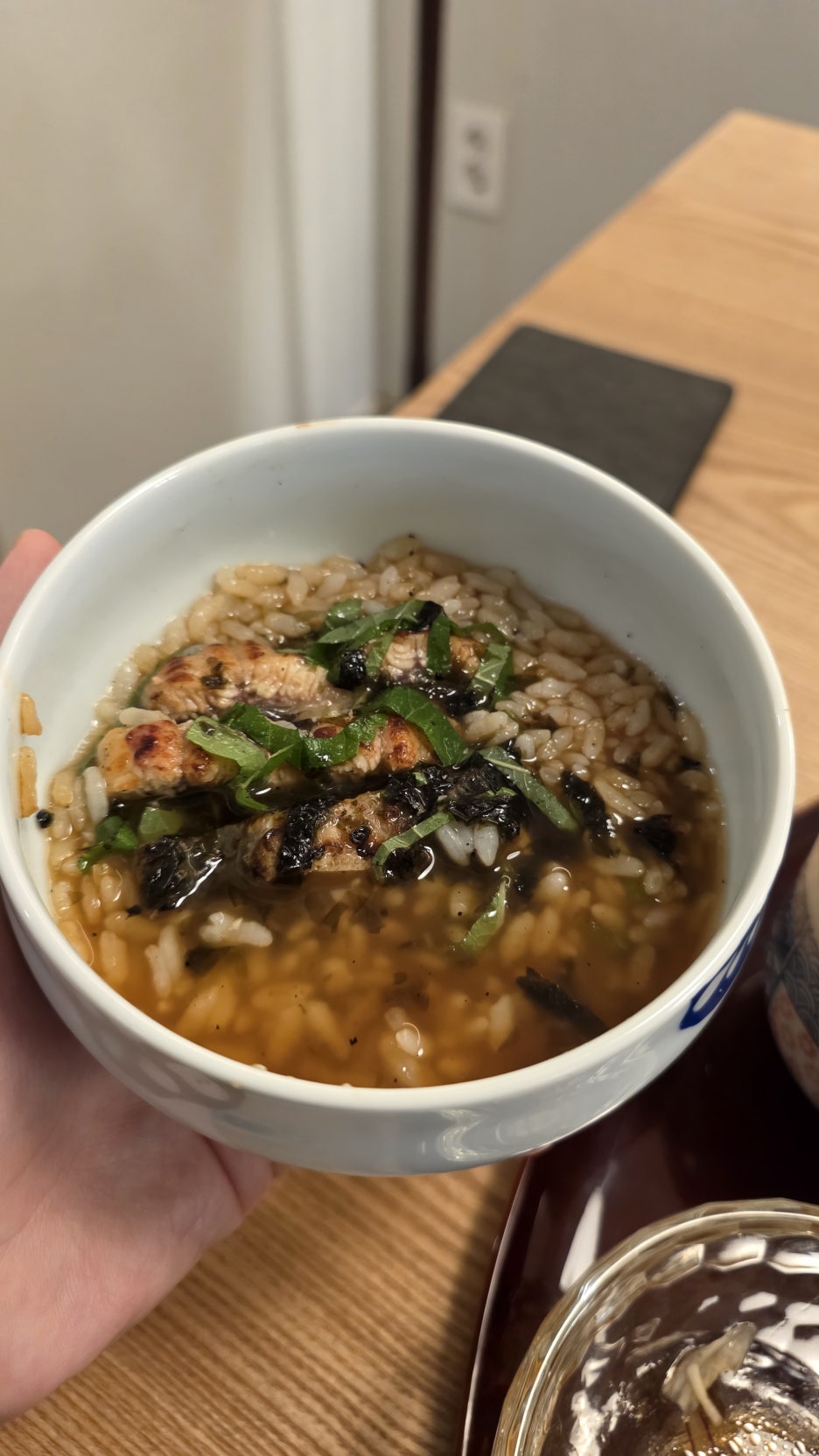
- The ochazuke that stole the show
- Sides
- If you are looking for eel rice near Yeoksam Station
Yeoksam's Unagiwa, a stop on my recent eel rice bowl hunt
Lately I have been going around to quite a few places for eel rice bowls. This time it was Unagiwa (우나기와), an eel specialist near Yeoksam Station. To give you the conclusion first, it ranked fairly high in my personal satisfaction among the eel restaurants I have visited recently.
What stuck with me most was the way you finish the meal by pouring tea over the rest to make ochazuke (rice in tea broth). I did not expect much from it at first, but it worked far better than I imagined, and that one moment is probably why I will remember this place for a long time. If you like eel rice bowls, I think it is worth keeping on your radar.
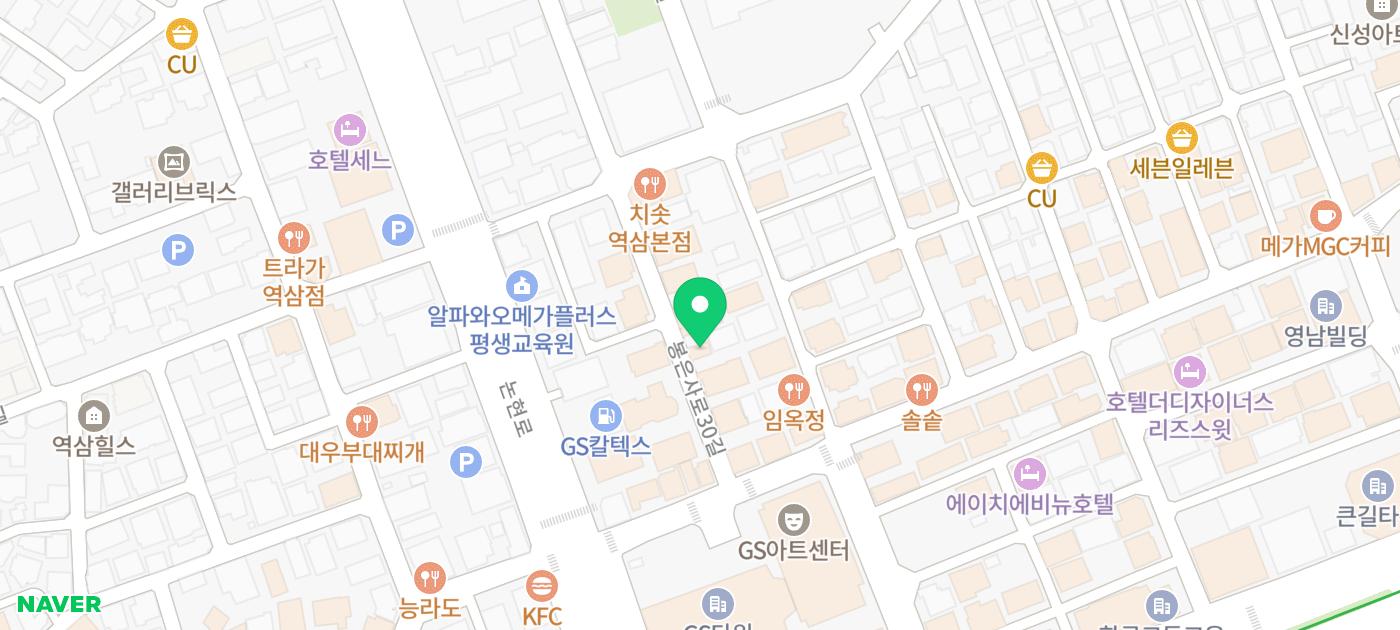
The address is 2F, 71 Bongeunsa-ro 30-gil, Gangnam-gu, Seoul. Below I go through it in the order of my visit: getting there and parking, the atmosphere, how ordering works, the eel and the ochazuke, and the side dishes. All prices in this post are as of my visit.
Tucked into a side street, with valet parking and free corkage
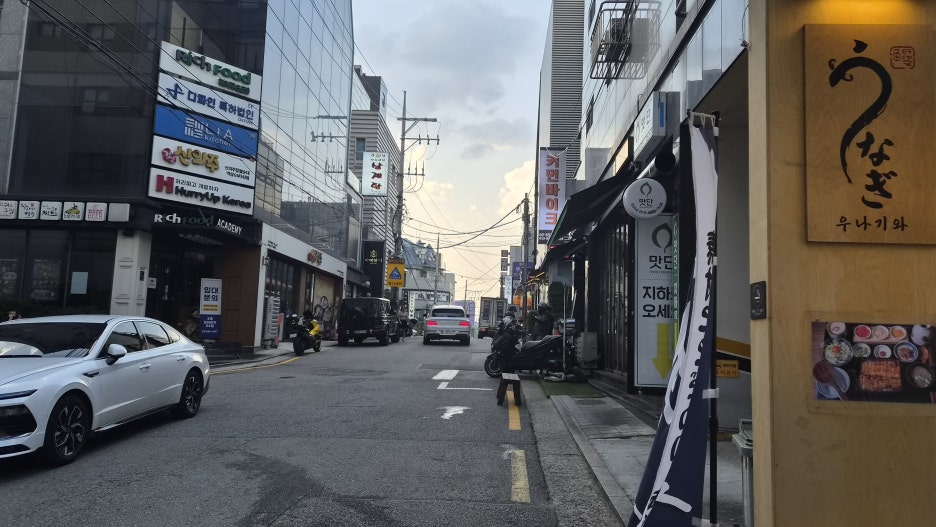
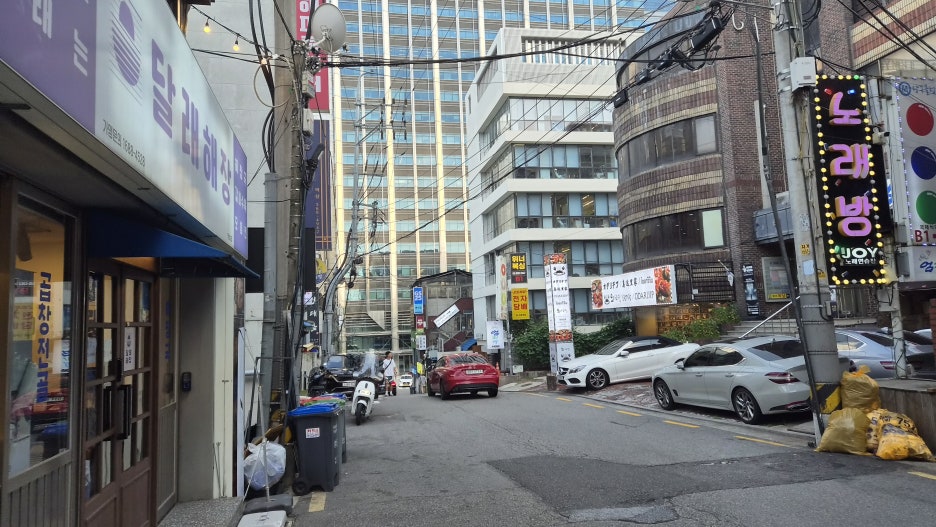
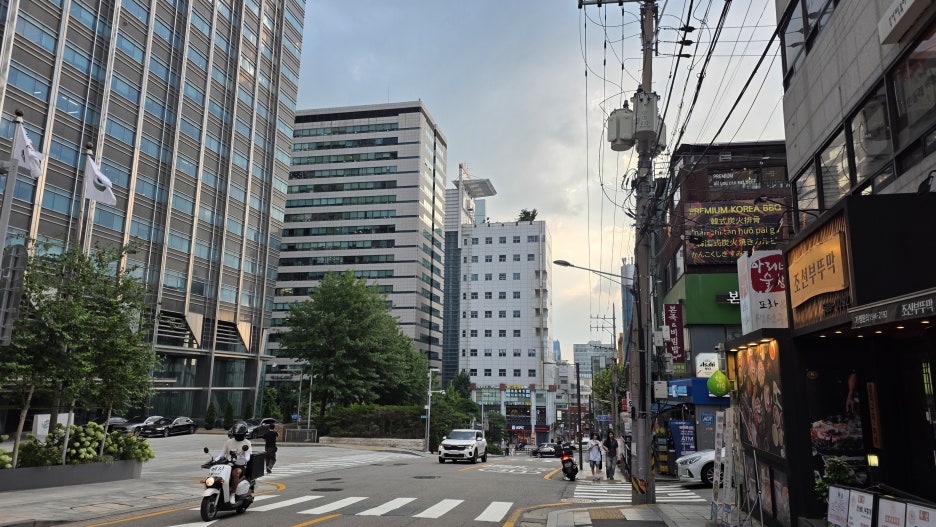
Unagiwa sits inside a side street near Yeoksam Station. As is typical in Gangnam, there was no big dedicated parking lot out front, so we used the valet. If you are driving, it is easier on the mind to plan on valet from the start.
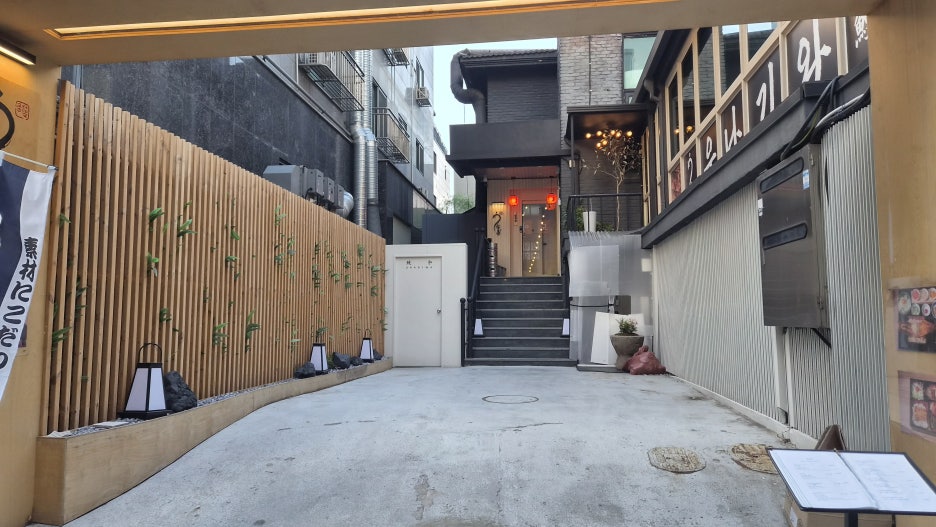
When I first saw the space by the entrance, I wondered if it was a parking area, but up close it turned out to be the approach into the restaurant. First-timers might be briefly confused by the layout, so it helps to know this beforehand.
Valet was a flat 5,000 won at the time of my visit. Considering that nearby parking lots charge around 1,000 won per 30 minutes, it felt like a fairly decent deal if you stay a while rather than eating and leaving right away. After the meal I ran some errands nearby and even stopped by a cafe, so it was not as much of a burden as I had first thought.
There was also good news for anyone who likes a drink with dinner: we were told corkage is free. If you want to bring a favorite bottle to enjoy with the eel, this is worth noting.
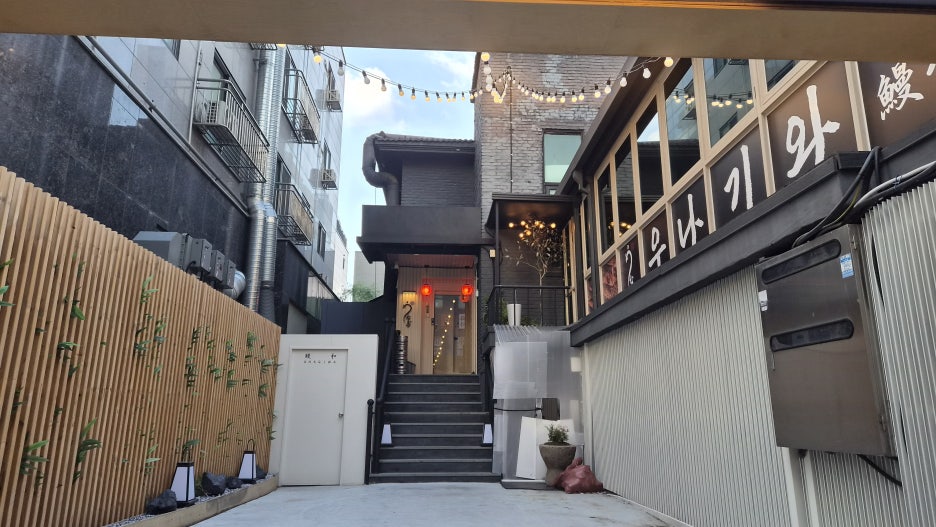
A Japanese-style space of wooden signage, bamboo and warm wood tones
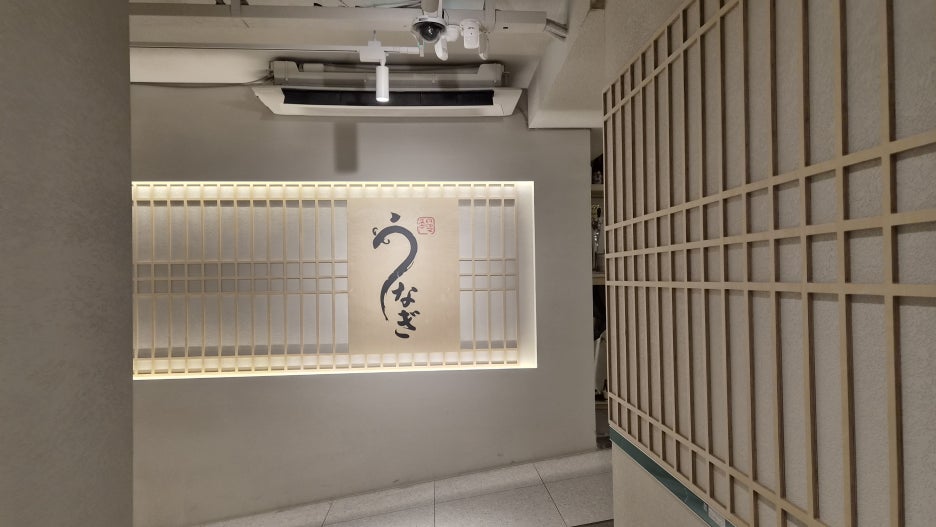
Follow the side street in and the Unagiwa entrance appears with its wooden sign. Bamboo decorations and soft lighting start right at the entrance, and the feel of a Japanese eel restaurant comes through quite well.
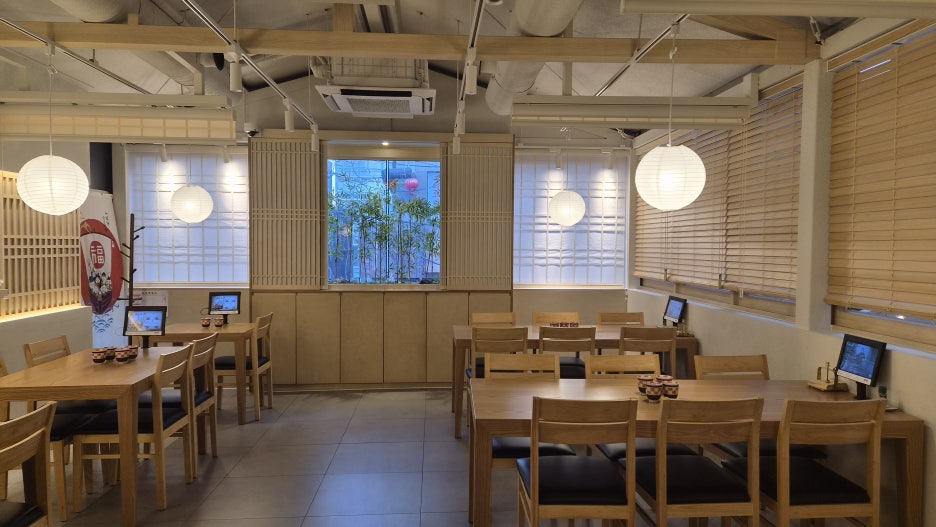
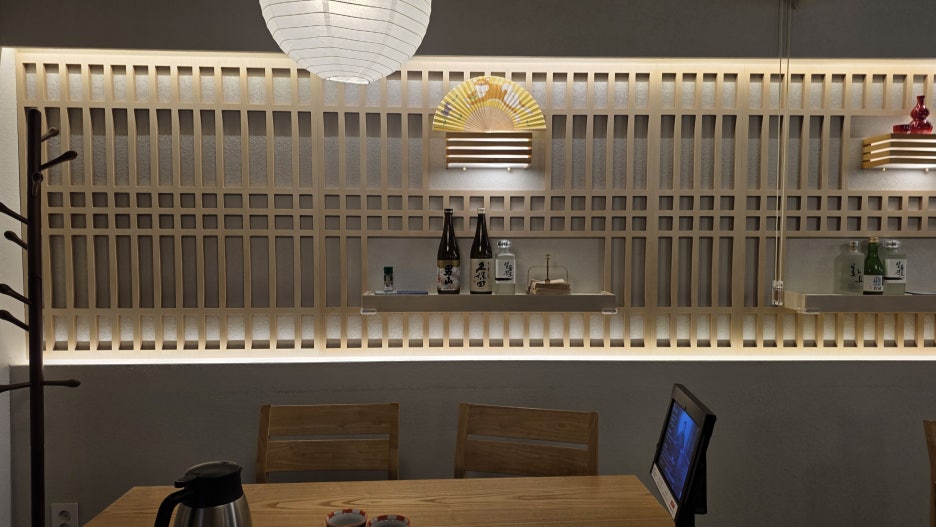
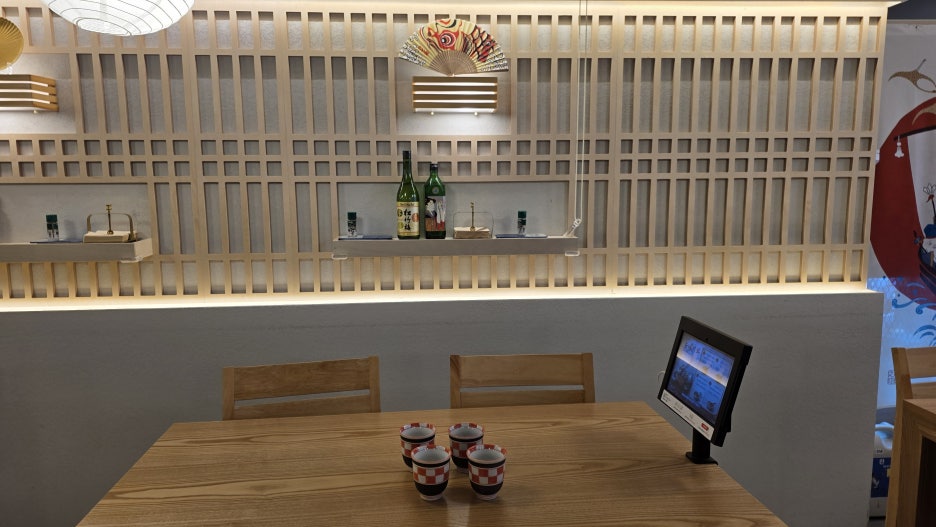
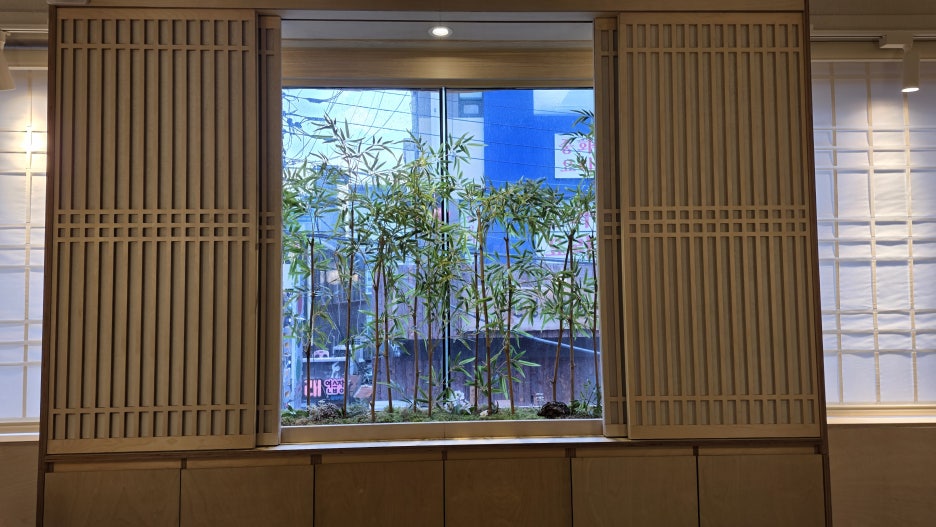
Climb the stairs into the restaurant and you find a bright wood-toned interior with long runs of lattice detailing. With round lights and bamboo by the windows, it feels clean and orderly without being over the top.
The tables were not crammed together, so it was easy to talk while eating. Even though it is in the middle of Gangnam, once inside you feel clearly separated from the busy street outside, which let me settle in and focus on the meal.
Tablet ordering, hitsumabushi prices and how to eat it
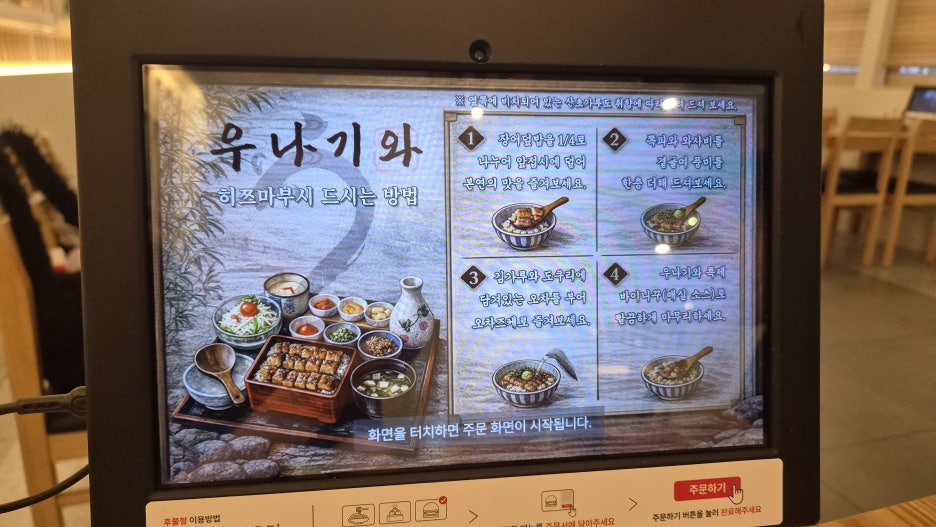
You order on a tablet installed at each table. Menu items come with photos, so it was easy even on a first visit, and the screen has a separate explanation of the order in which to eat hitsumabushi (grilled eel over rice, eaten several ways), so newcomers can follow along easily.
At the time of my visit, the tablet listed hitsumabushi at 38,000 won for the regular (sang), 52,000 won for the special (teuk), and 26,000 won for the mini. You can pick the mini for a light meal or go all the way up to the special for a generous one.
Hitsumabushi is not a dish where you just eat eel and rice and are done; you enjoy it several ways. First you taste the eel as it is, next you add chopped scallions and wasabi, and finally you pour tea over it and eat it as ochazuke. The flavor keeps changing as you work through one bowl, which made it genuinely fun to eat.
One and a half eels and a half eel, cut into small pieces
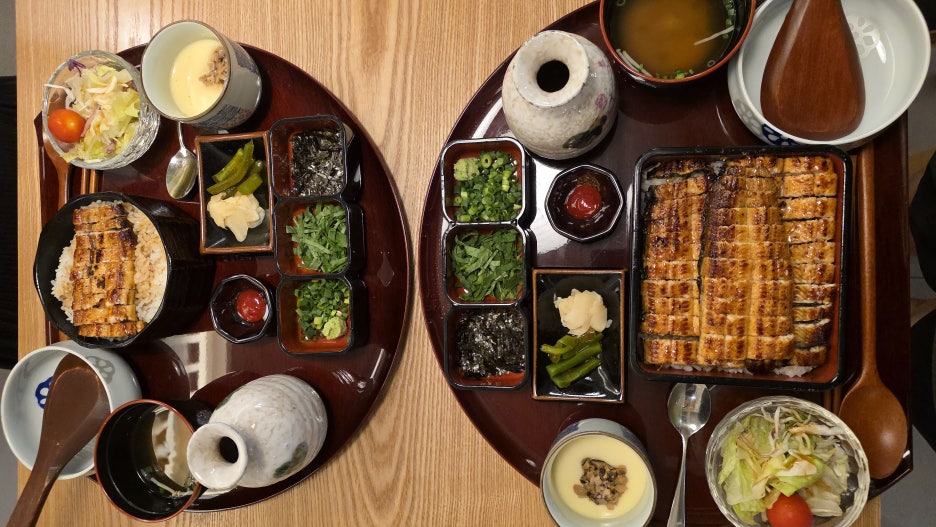
That day we ordered one portion with one and a half eels and another with half an eel. I tend to eat quite a lot, so I finished the one-and-a-half portion by myself.
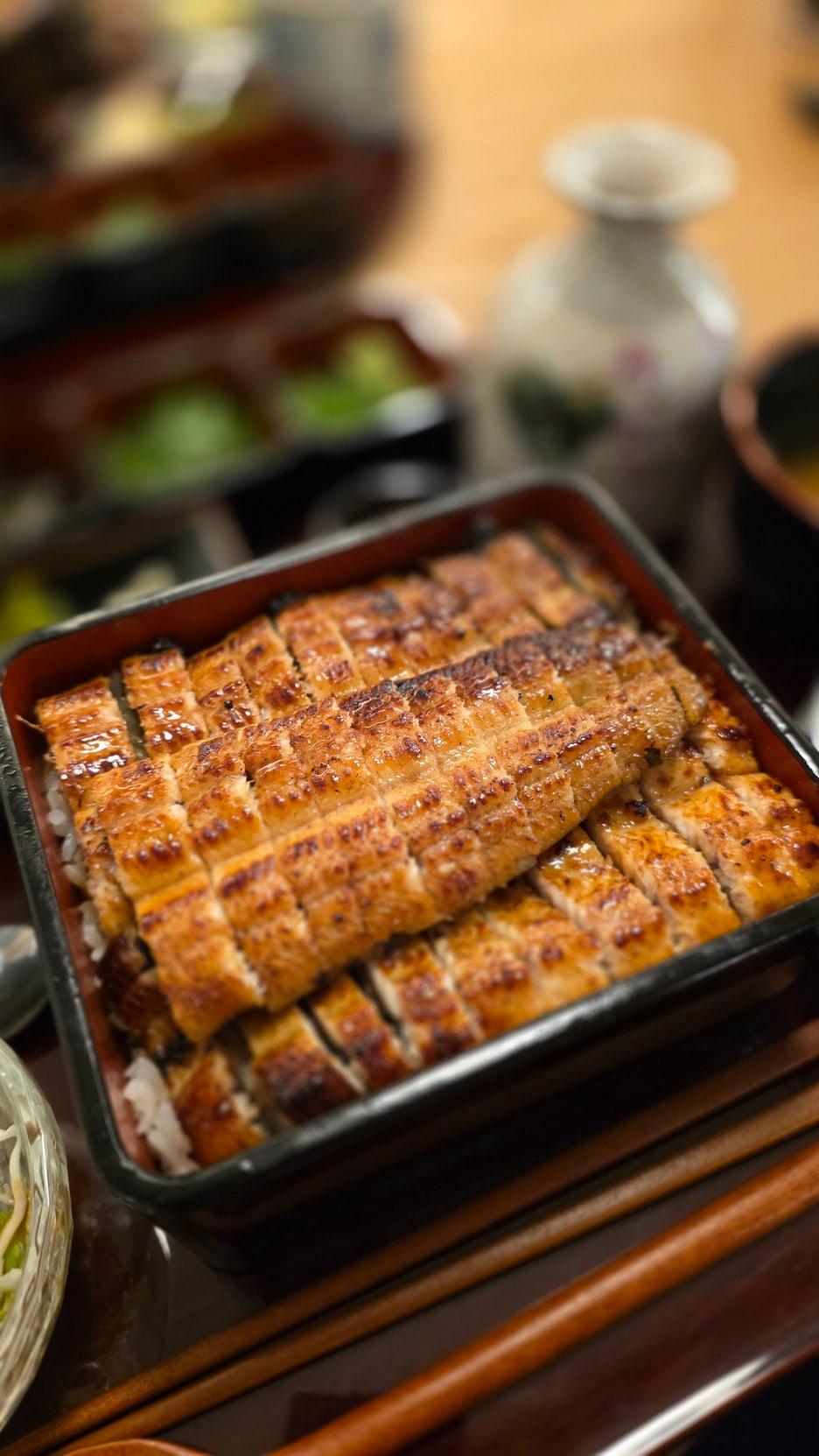
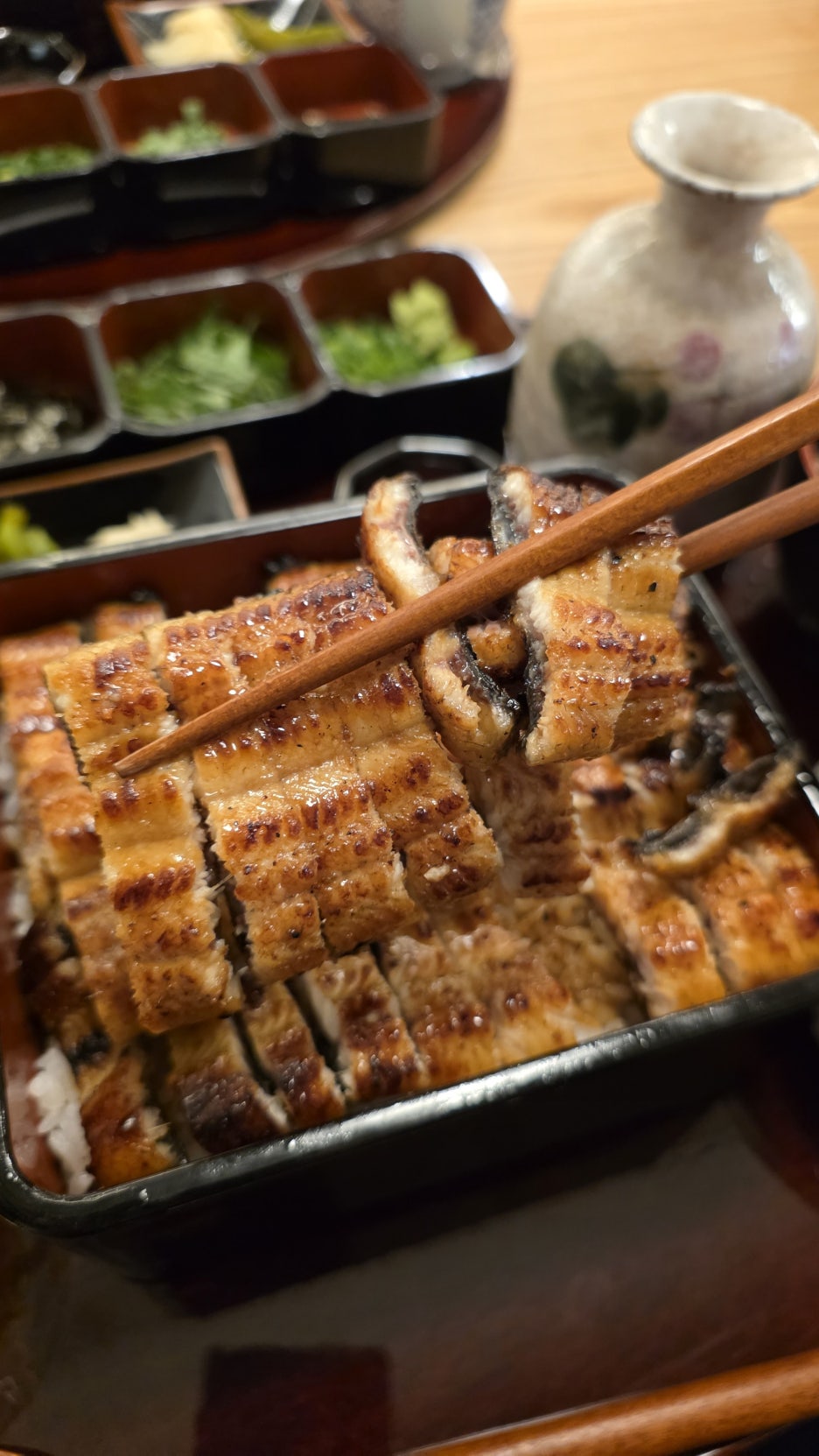
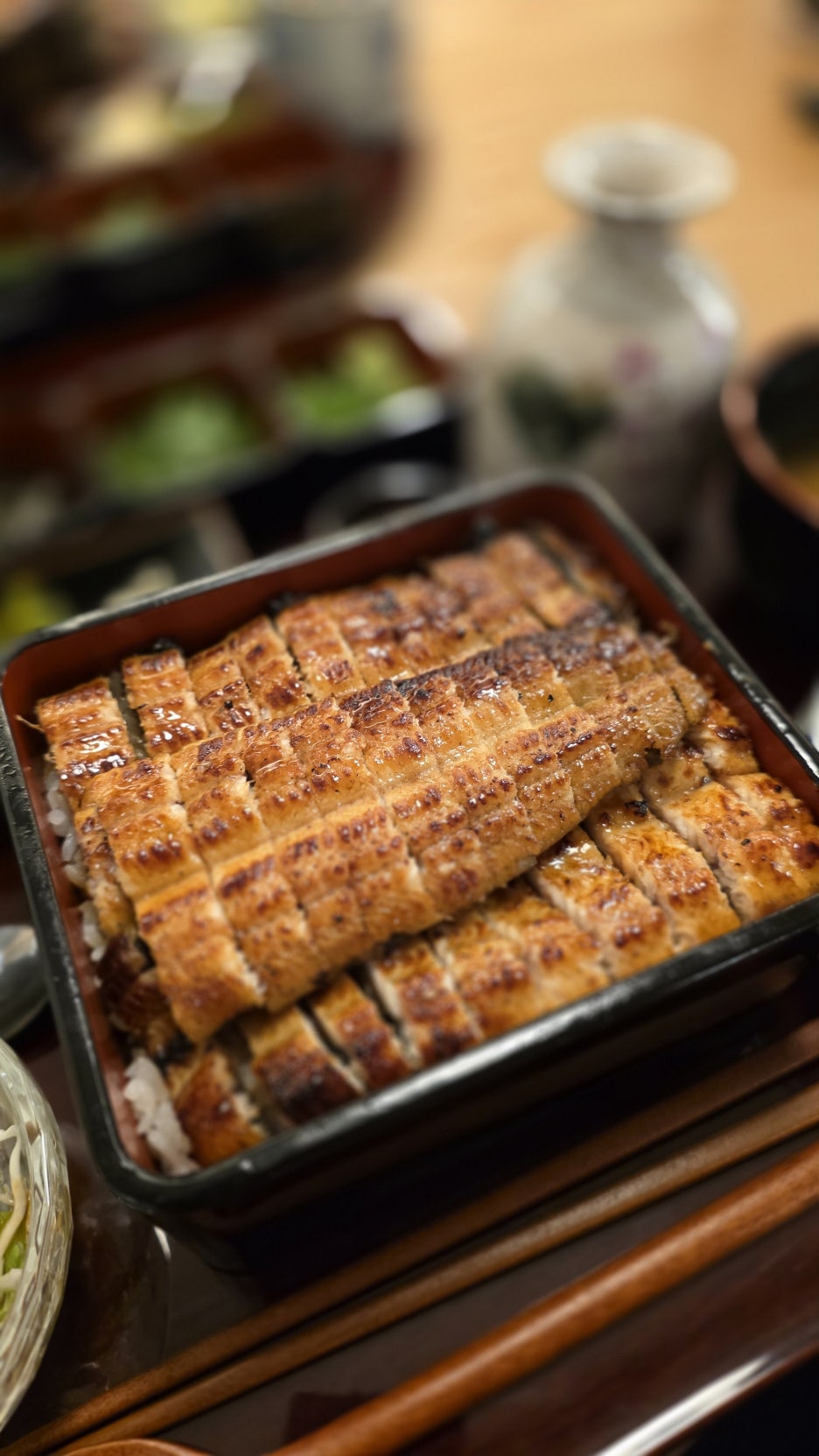
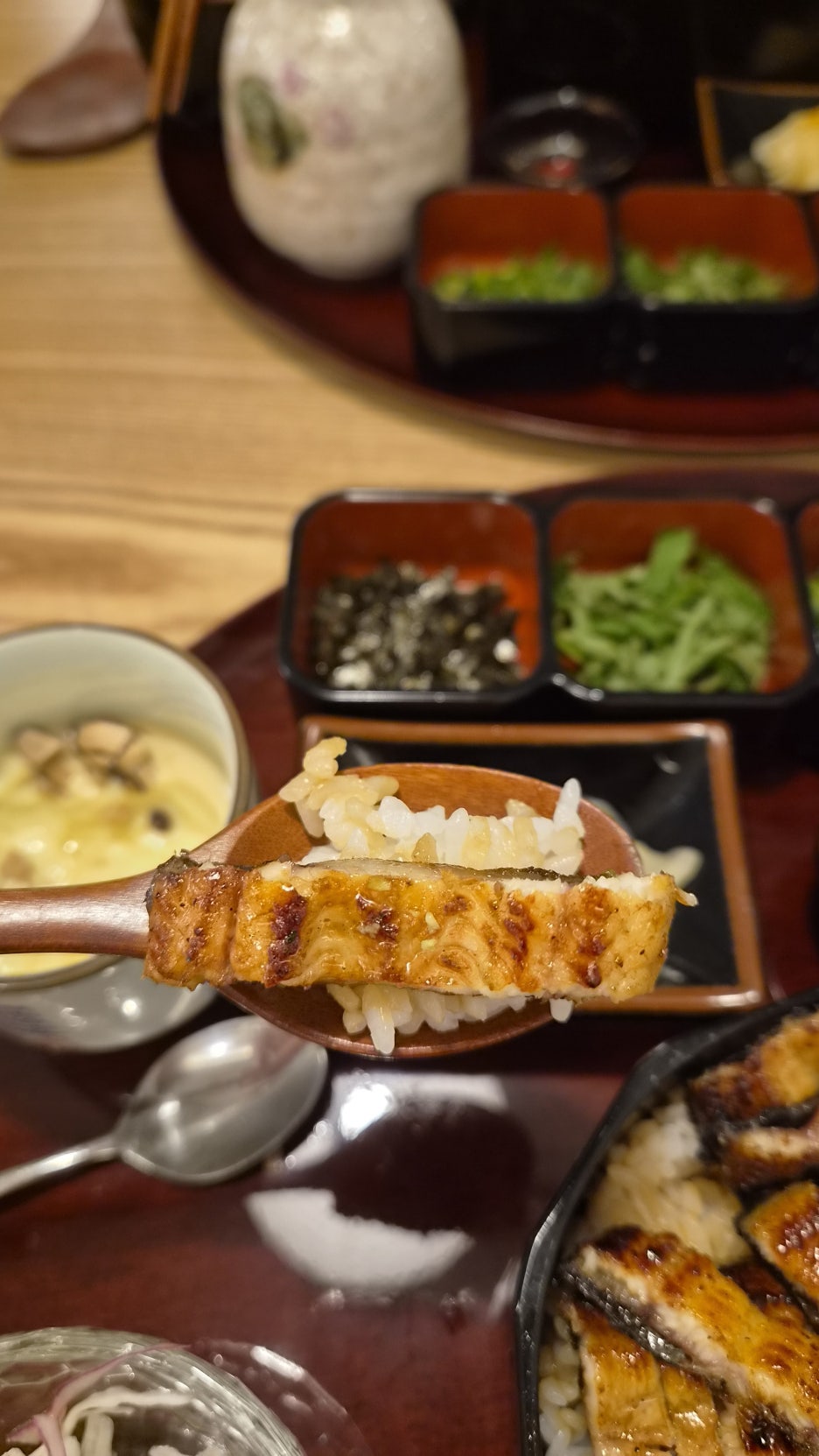
The first thing I noticed when the food came out was that the eel was cut into fairly small pieces. At first I half wondered if it was cut that way to make the portion look bigger. But once I ate it, it was easy to scoop up with rice in one bite and the sauce coated every piece evenly, so this style clearly has its own advantages.
The surface of the eel was grilled golden and glazed with a glossy sauce, so it looked appetizing from the start. The eel sauce had soaked naturally into the rice too, and a spoonful of eel and rice together hit just the right balance of sweet and salty.
The eel flesh was moist rather than dry. So even with a generous one-and-a-half-eel portion, I never got tired of it and enjoyed it down to the last spoonful.
The ochazuke that stole the show
The most memorable part of the day was, without a doubt, the ochazuke. Honestly, at first I questioned whether you really need to pour broth over a delicious eel rice bowl. The well-sauced eel and rice were already plenty tasty on their own, so I worried the flavor would get watered down the moment the broth went in.
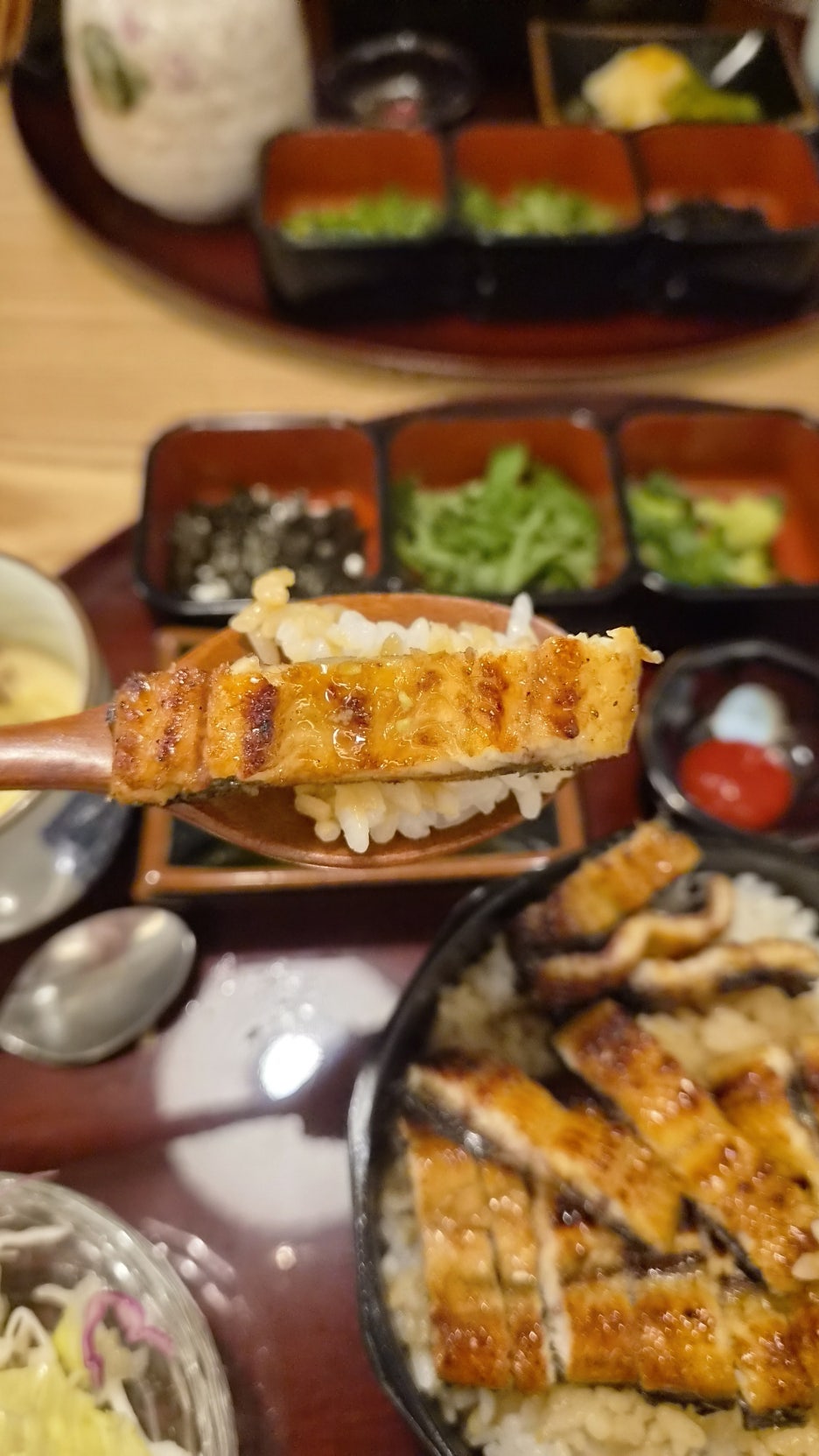
Still, I followed the instructions, left a little eel and rice, topped it with scallions and wasabi, and poured on the tea. The combination turned out to be really good. The sweetness of the eel sauce melts naturally into the broth, making the whole thing much gentler, and the wasabi neatly cleans up the finish.
Add a bit more seaweed and green onion and the aroma comes alive too, so it felt like a completely different dish from the eel rice bowl itself. At first I wondered what the point was, but after eating it, ochazuke was the way of eating that stayed with me longest that day.
The ochazuke was great, but of course grabbing a big piece of eel at once and eating it with rice was delicious too. Take a big scoop of thick eel and you get the moist flesh and the sauce fully in one bite.
The catch is that eating it that way makes the eel seem to disappear too fast, which felt like a bit of a waste. Whether you eat slowly with the small pieces or grab big pieces at once, just mix it up to your taste.
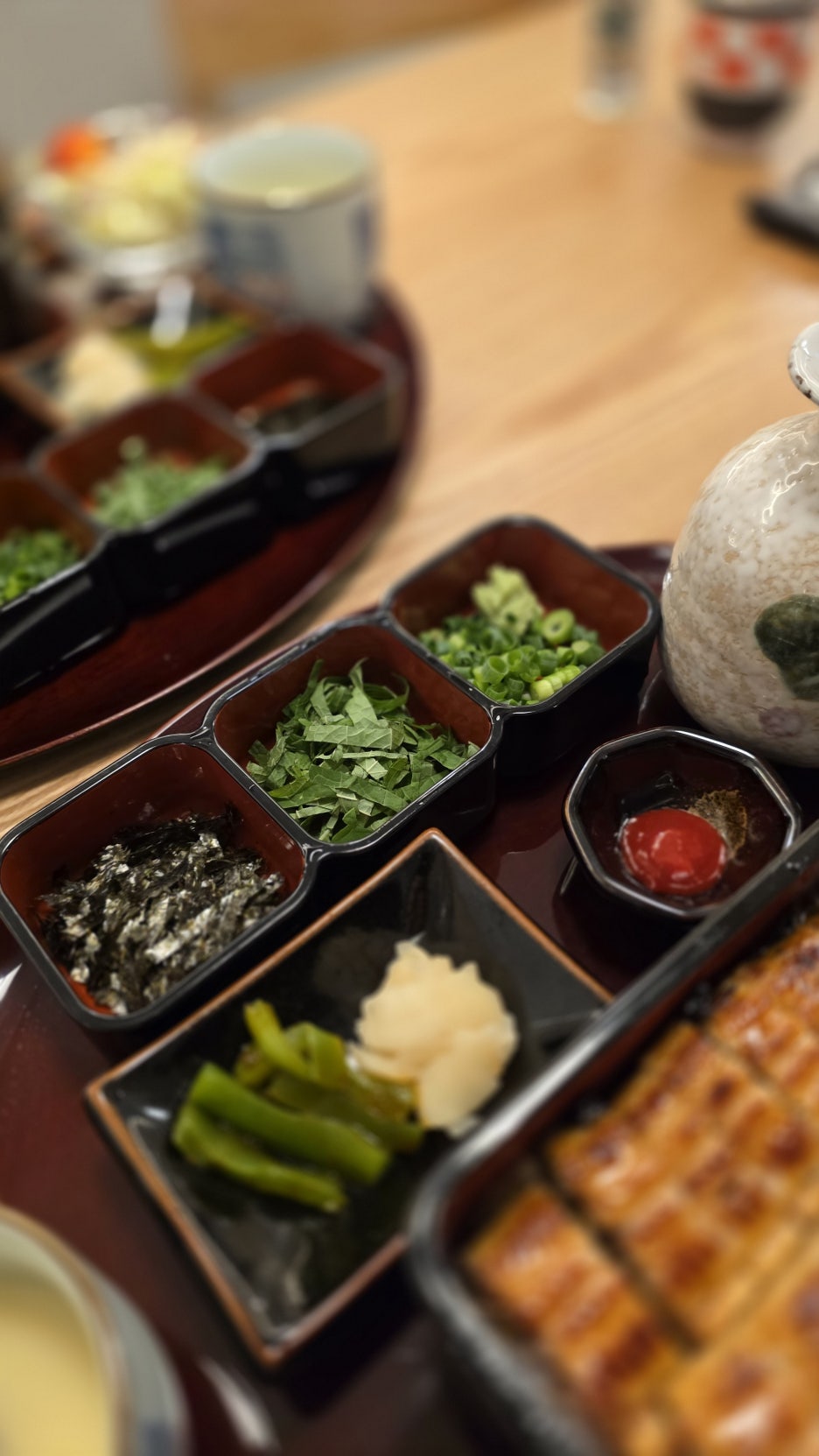
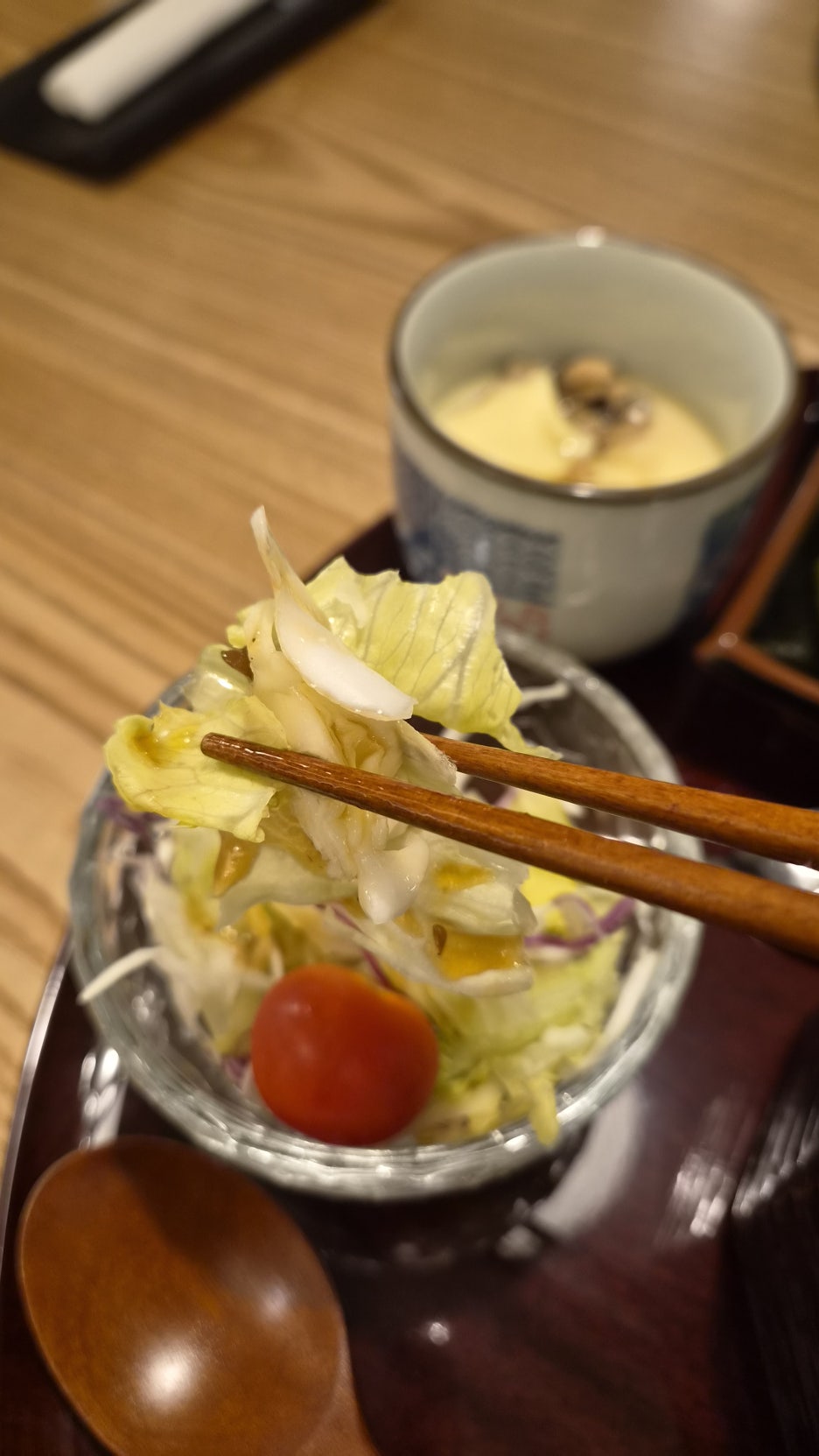
Sides: salad, pickles and mushroom steamed egg
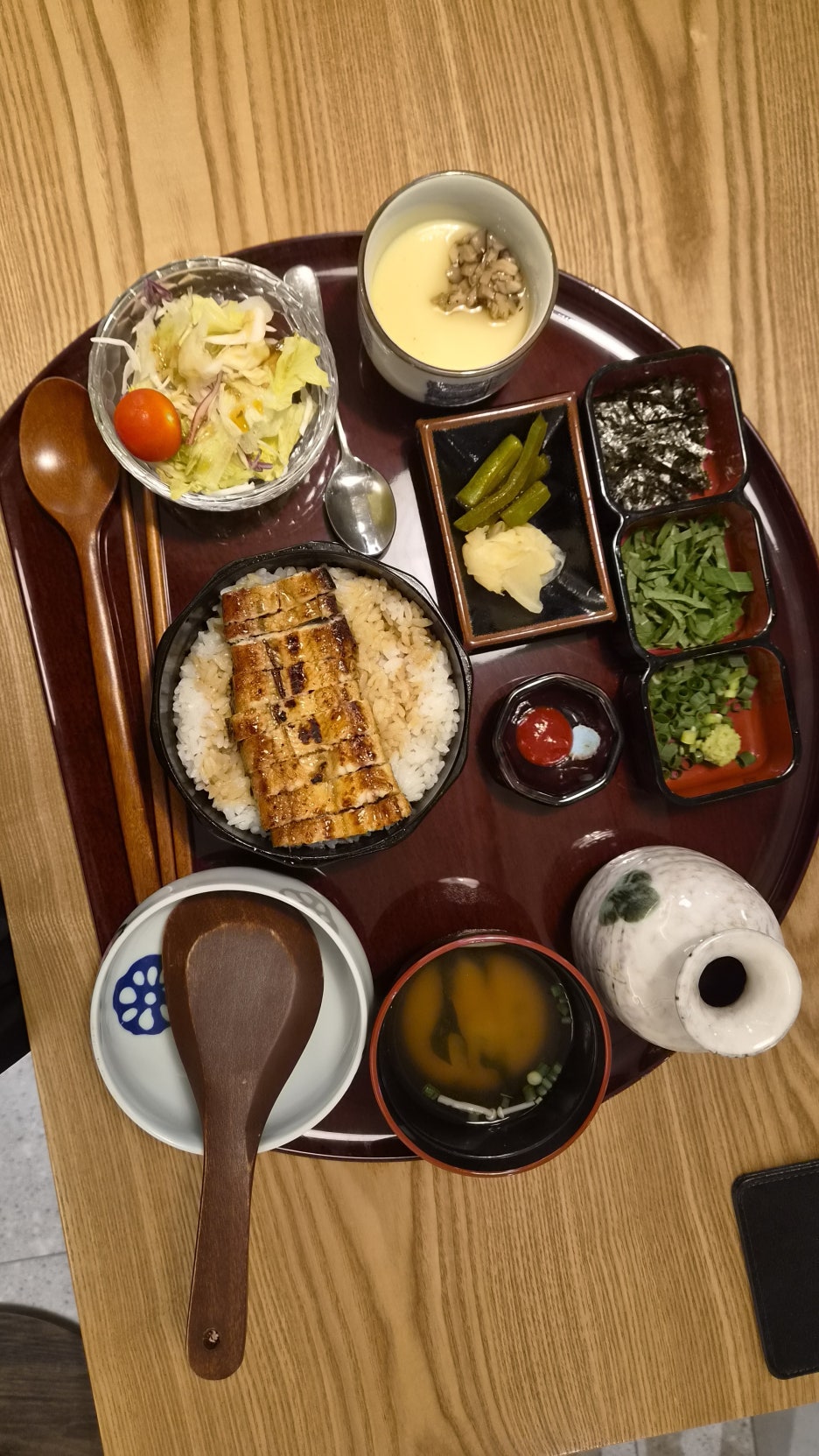
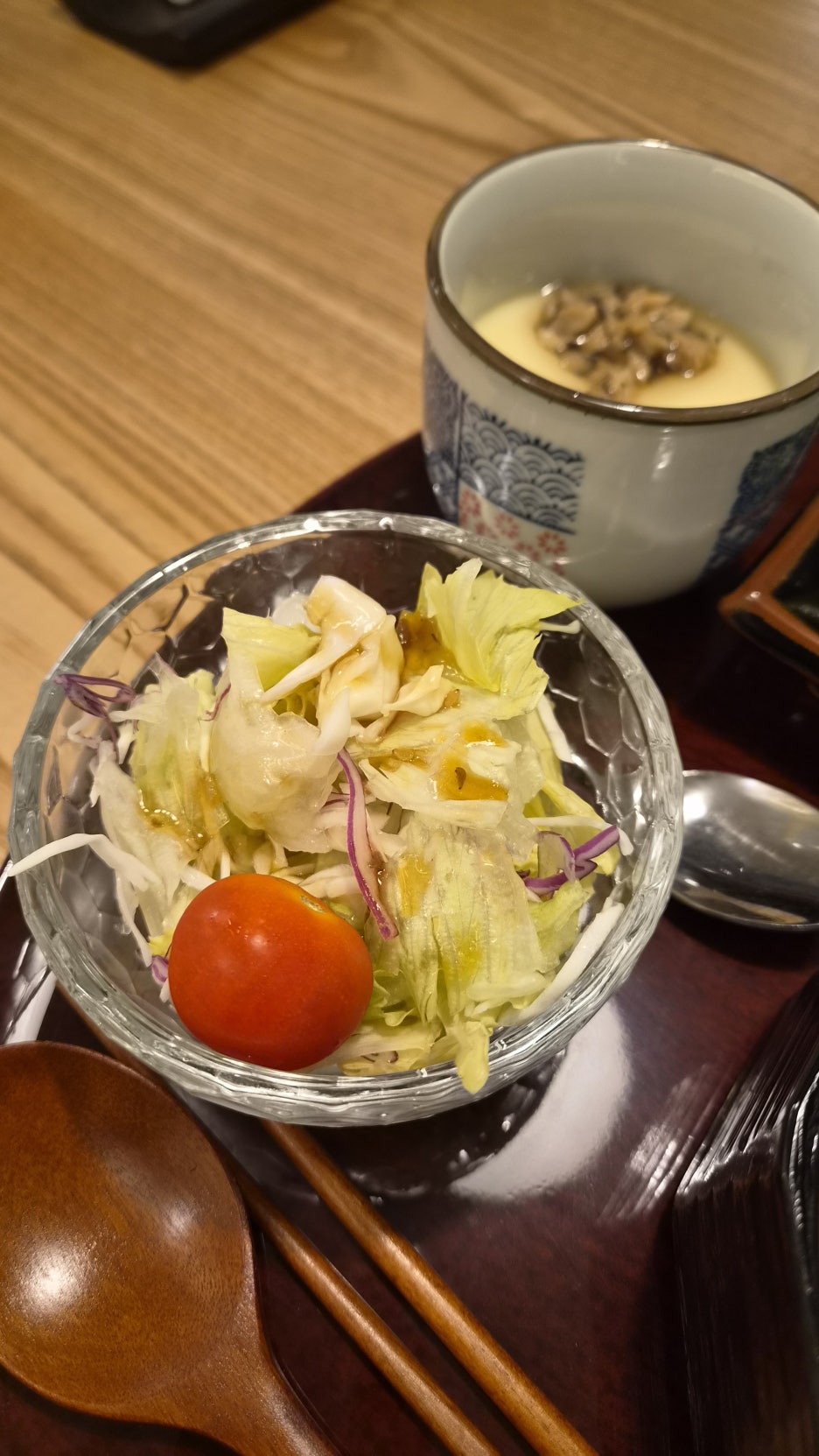
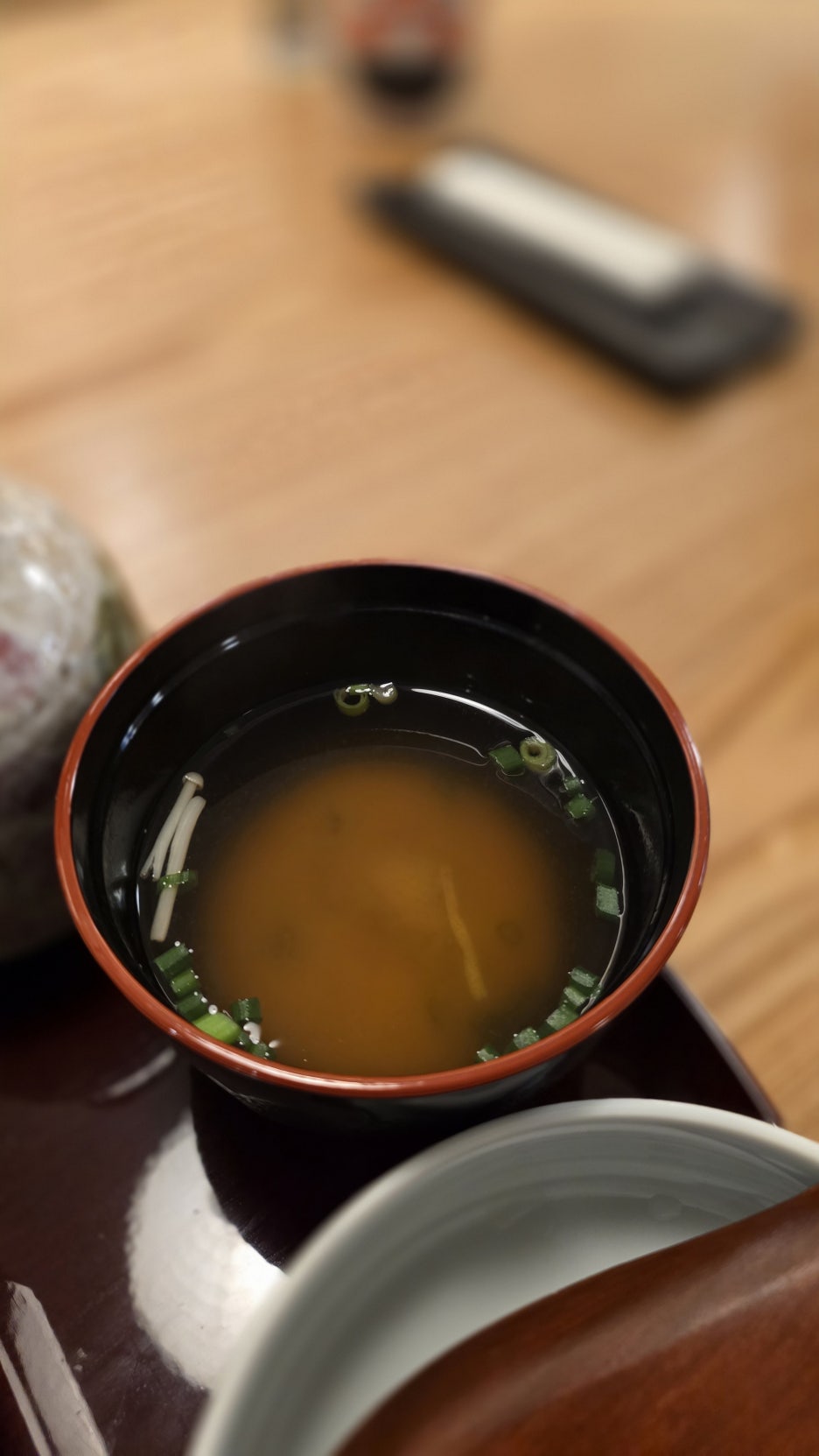
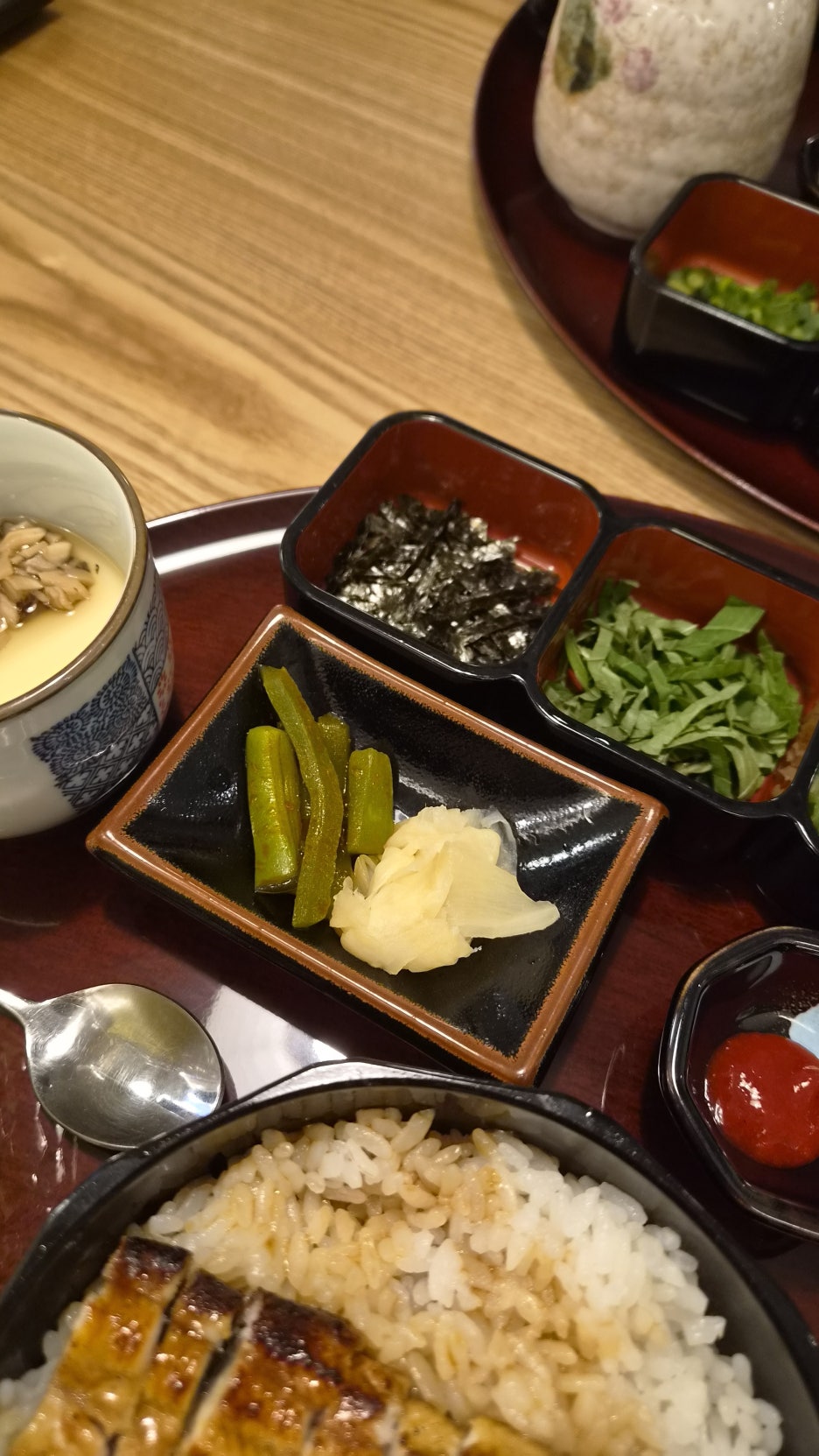
Salad, pickled sides, seaweed, scallions and wasabi came out together with the hitsumabushi. They were arranged to be eaten in between bites, cutting through the richness that can build up when you eat only eel.
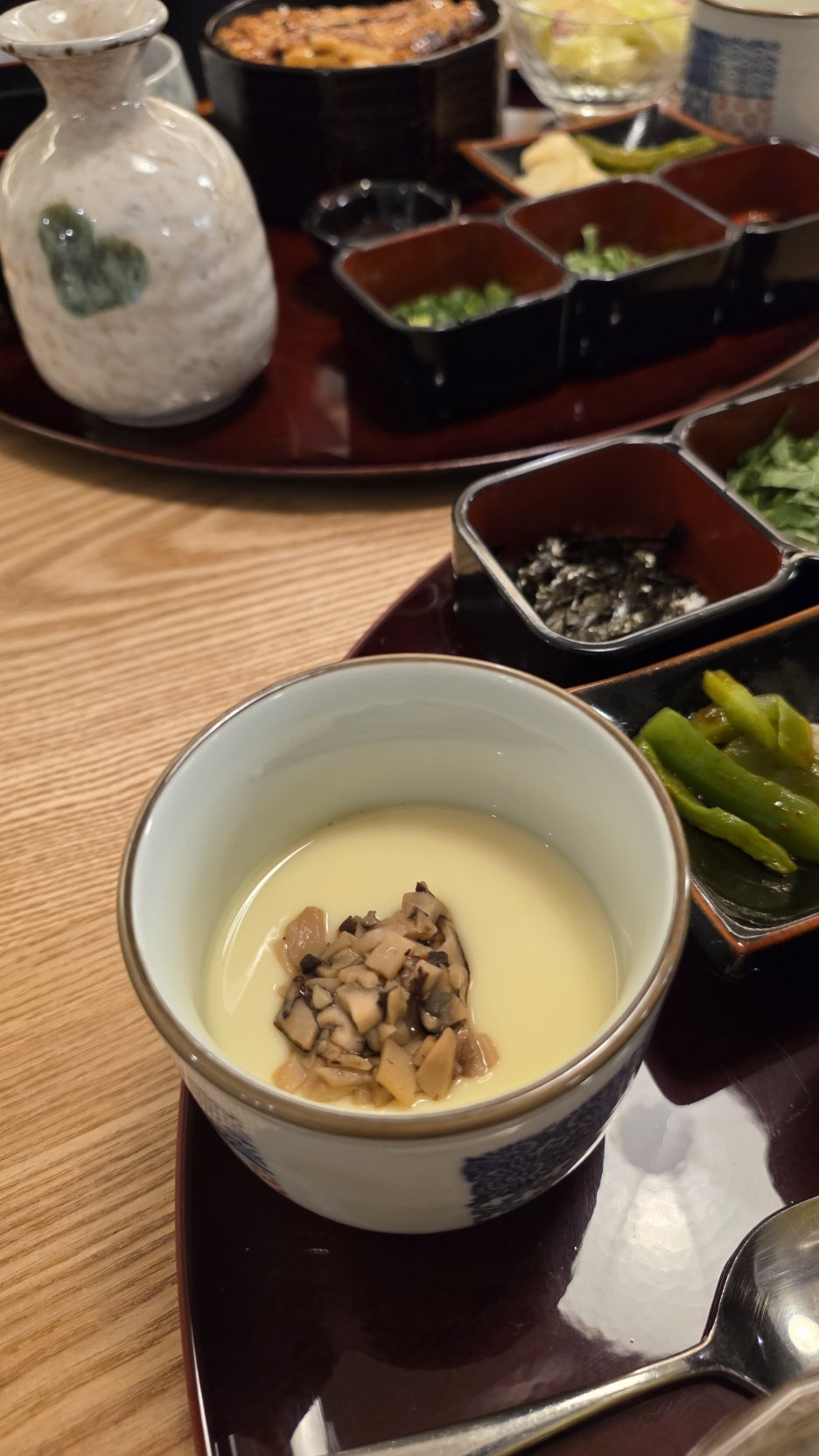
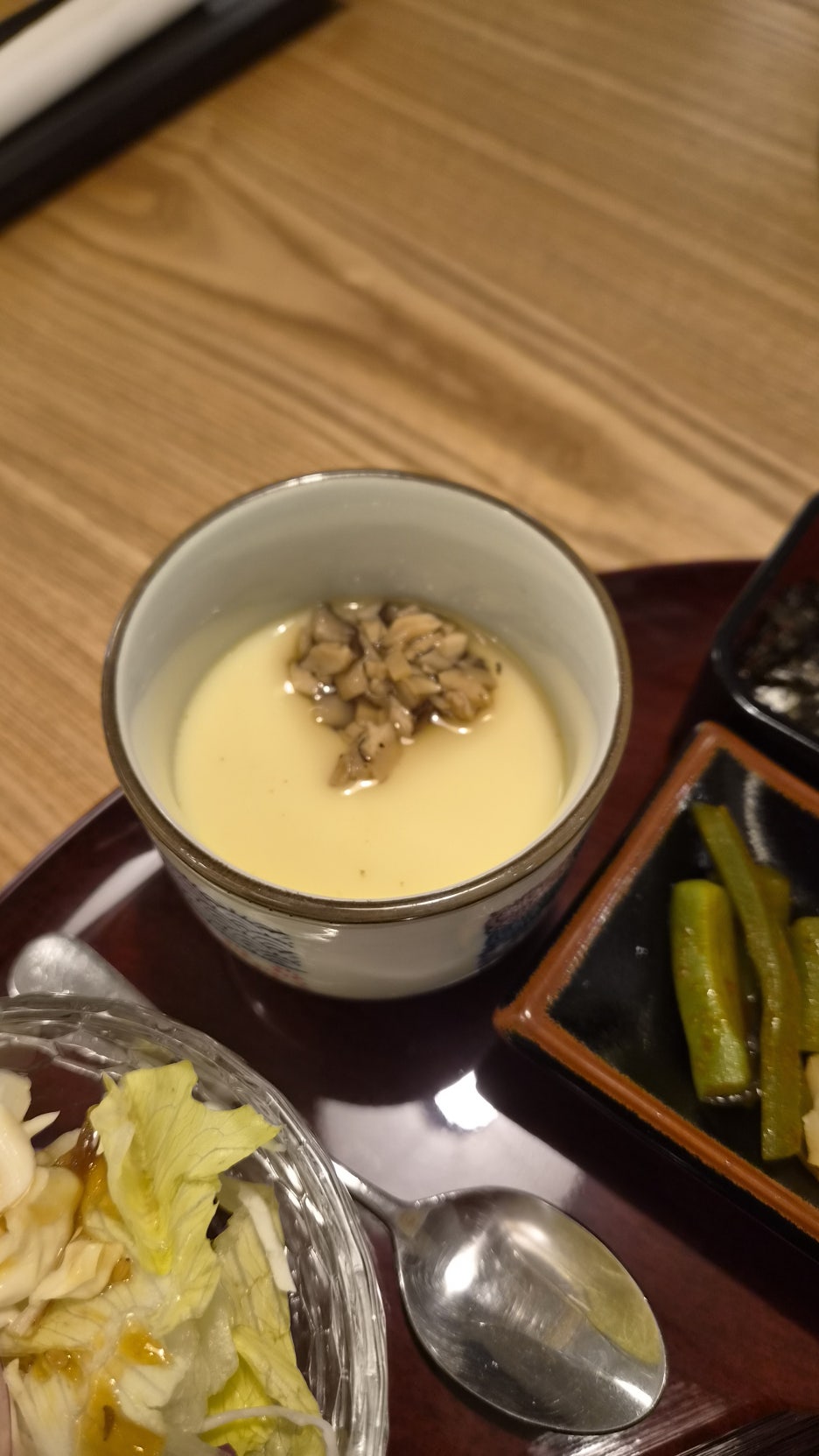
The steamed egg in particular had quite a generous amount of mushrooms. The texture and aroma of the mushrooms came through the soft steamed egg, so even the side dish was satisfying. Overall the sides were mild rather than strongly seasoned, staying out of the eel's way and pairing well with the main. I alternated between a few bites of eel, a reset with salad or pickles, and back to the eel, and never got bored right to the end.
If you are looking for eel rice near Yeoksam Station
At 38,000 won for the regular hitsumabushi, Unagiwa is not exactly a light-priced meal. Still, considering the amount of eel, the spread, and the fact that you can enjoy one bowl in several ways, I was quite satisfied. My companion said they enjoyed it too, and for me it became one of the more memorable eel restaurants I have visited recently.
Above all, I liked that it is not just eating one eel rice bowl and being done, but a progression of adding scallions, wasabi and seaweed and then ending with ochazuke. With valet available and corkage reportedly free, it also looked like a good option for a group dinner or a date spot near Yeoksam Station.
If you are looking for an eel specialist with a clean, calm atmosphere around Yeoksam Station or Gangnam, Unagiwa is worth considering. If I go again, I plan to save a little more eel and rice for the ochazuke at the end.
Check opening hours and closing days on the map before you go.
Contains affiliate links. Your price stays the same.
This box contains affiliate links. If you book through them, Mudung may earn a commission at no extra cost to you.
 Read nextSame neighborhoodHitsumabushi near Yeoksam Station: Top-Grade Eel, Revisited₩25,000Read →
 Read nextSame neighborhoodGangnam Lunch with Parking: Sundubu Noodles and TangsuyukRead →