Seafood gan-jjajang, jjamppong and a small tangsuyuk at Songyuhyang, a Korean-Chinese restaurant facing Jungdae Mulbit Park in Gwangju, Gyeonggi-do, plus notes on parking, private rooms and group seating, the lunch special and the special courses.
In this article Show
- When one bowl of jjajangmyeon isn't enough
- Right in front of the park, a building that stands out even as you drive by
- Parking was less of a worry than I expected
- A space closer to family dining and gatherings than a neighborhood Chinese takeout
- A menu from chefs who trained at The Shilla's Palsun, and the course lineup
- Basic sides
- Small tangsuyuk, the first dish out
- Seafood gan-jjajang with big pieces of seafood
- Jjamppong with a deep color
- A meal with all three dishes on the table at once
- Why it also looked good for family meals and gatherings
When one bowl of jjajangmyeon isn't enough: a Chinese restaurant facing Jungdae Mulbit Park
Some days I really crave Korean-Chinese food. I walk in planning to have just a bowl of jjajangmyeon (black bean noodles), but as I flip through the menu I end up adding jjamppong (spicy seafood noodle soup), and in the end tangsuyuk (sweet and sour pork) as well. That, I think, is the dangerous thing about Chinese restaurants.
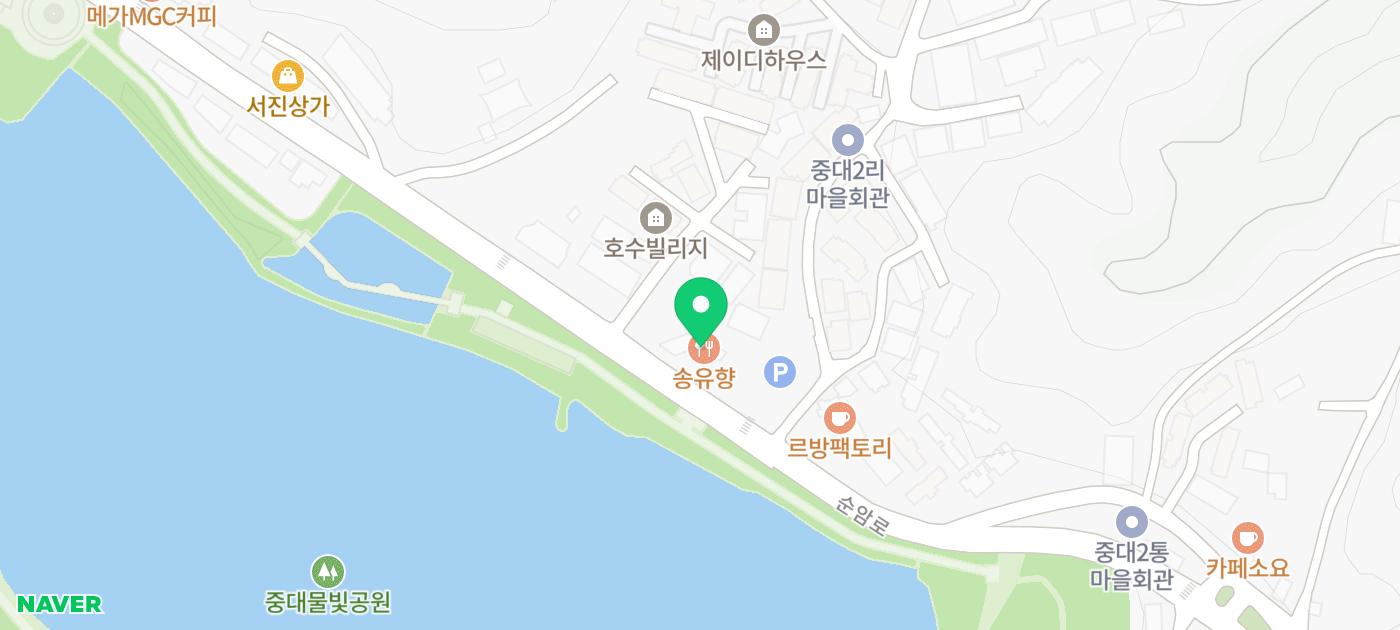
This time, while I was in Gwangju, Gyeonggi-do, I stopped by Songyuhyang (송유향), a Chinese restaurant right in front of Jungdae Mulbit Park. The address is 270 Sunam-ro, Gwangju-si, Gyeonggi-do. Compared with the typical neighborhood Chinese takeout place, it was a cleaner, calmer place to sit down for a meal.
Rather than picking a course that day, we decided to go with the dishes we wanted, and ordered seafood gan-jjajang (dry-fried black bean noodles with seafood), jjamppong and a small tangsuyuk. Below, in order, are notes on the location and parking, the atmosphere, the menu, and how the three dishes tasted.
Right in front of the park, a building that stands out even as you drive by
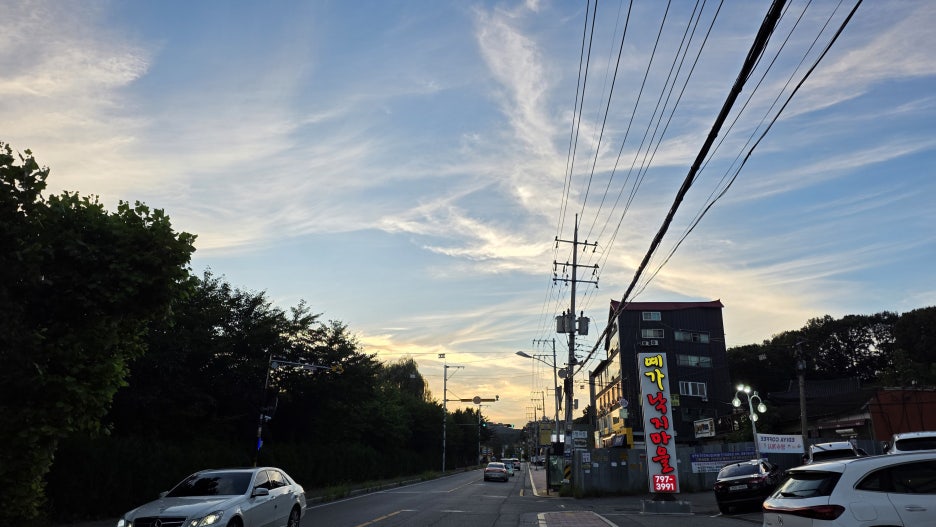
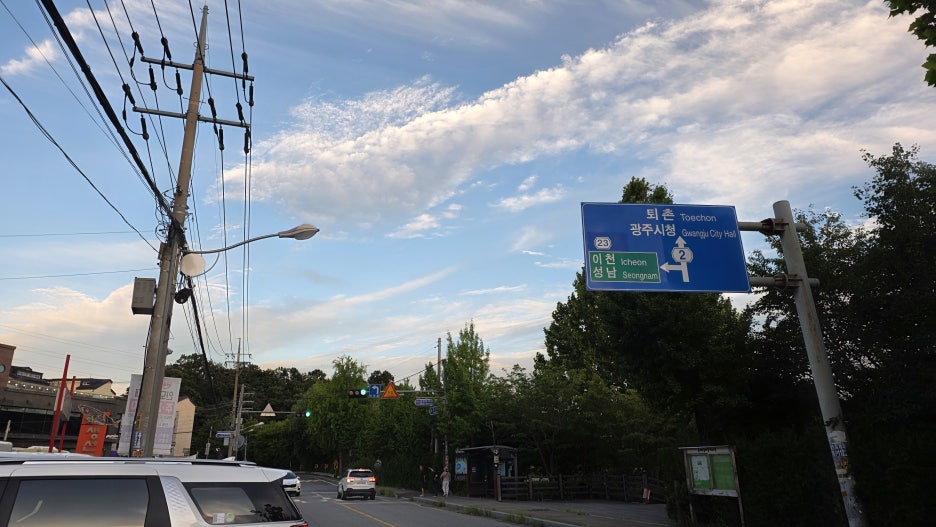
Songyuhyang sits right in front of Jungdae Mulbit Park in Gwangju, Gyeonggi-do. A large sign is mounted on the outer wall of the building, so it was easy to spot even while driving past.
The restaurant takes up a big portion of one side of the building, and there is also a cafe on an upper floor, so the building is easy to see from far away. Even on your first visit, the sign comes into view just as your navigation finishes guiding you.
Since it faces the park, I thought it would be nice to pair the meal with a walk around Jungdae Mulbit Park. Especially in cool spring or autumn weather, rather than eating and heading straight home, a slow stroll toward the park before going back seemed just right.
When we went, the area around it was fairly quiet. Even the air felt a bit different from a Chinese restaurant squeezed between shops in the middle of a city.
When I choose a restaurant, I look at what you can do nearby as much as at the food, and what stuck with me here is that there is a park you can walk to right after eating. A loop along the water to help digest a big Chinese meal is enough to make it a proper day out.
Parking was less of a worry than I expected
Around Gwangju, Gyeonggi-do you usually get around by car, so the first thing I check before going to a restaurant is whether there is parking. Songyuhyang does have parking.
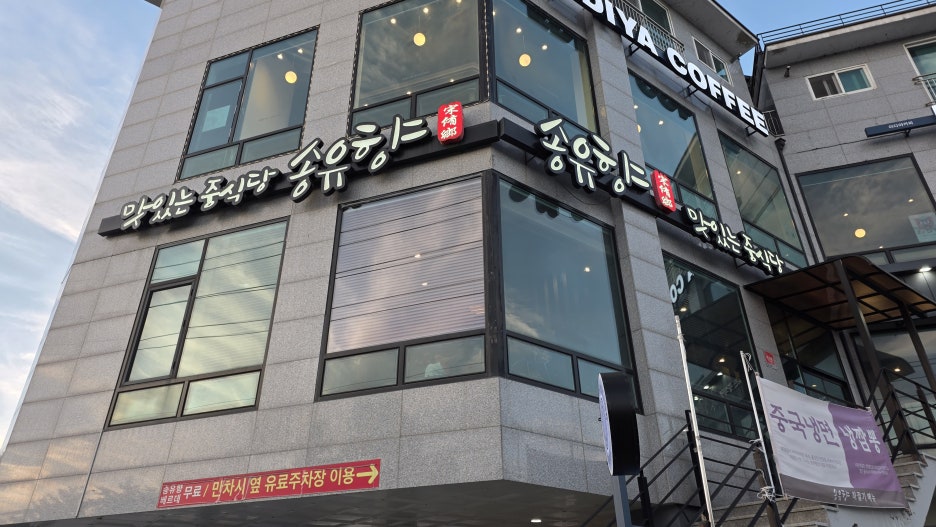
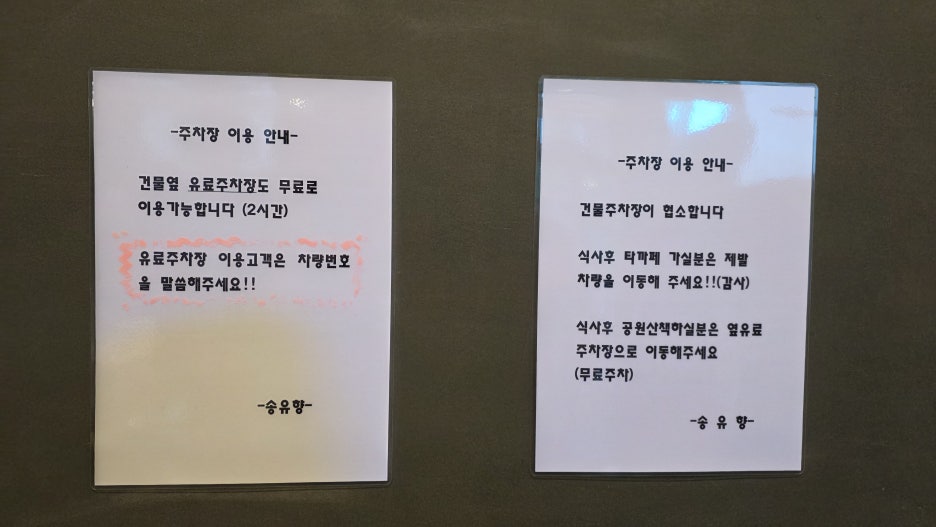
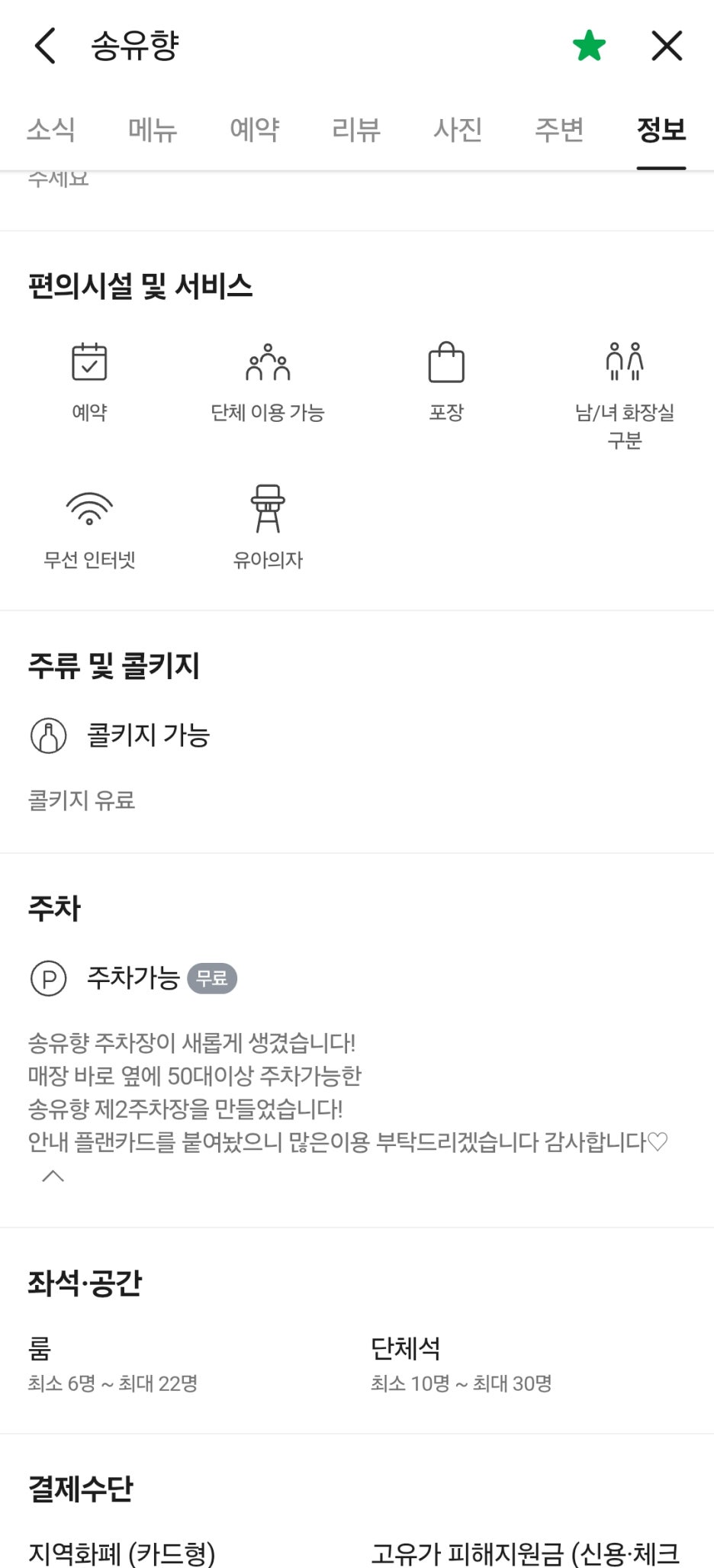
According to its Naver Place listing, there is also a separate second parking lot right next to the restaurant that holds more than 50 cars. A notice posted inside the restaurant said that when the building's lot is tight, you can use the paid parking lot next door, which is free for 2 hours for dining customers only.
As someone who drives, I found this very convenient. When you are eating with family or taking your parents out, not having to circle the area several times looking for a spot is a bigger advantage than you might think.
That said, if you plan to visit Jungdae Mulbit Park as well, it is a good idea to check with the restaurant about parking, such as whether you can leave your car there after the meal, before heading off.
In short, there are several options: the building's parking lot, the second lot next to the restaurant, and the paid lot next door that is free for 2 hours for diners. Even at busy times like weekends, it did not look like you would need to stress much about where to leave your car.
A space closer to family dining and gatherings than a neighborhood Chinese takeout
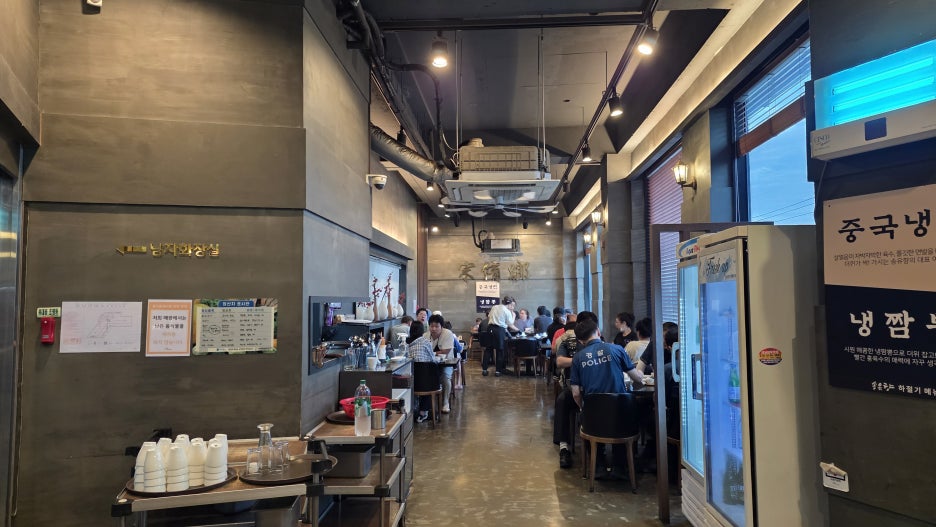
When you arrive in front of the building, you see a big sign reading 'Delicious Chinese Restaurant Songyuhyang.' Just from the outside, it looked less like a delivery-focused neighborhood Chinese place and more like a Chinese restaurant designed with family meals and gatherings in mind.
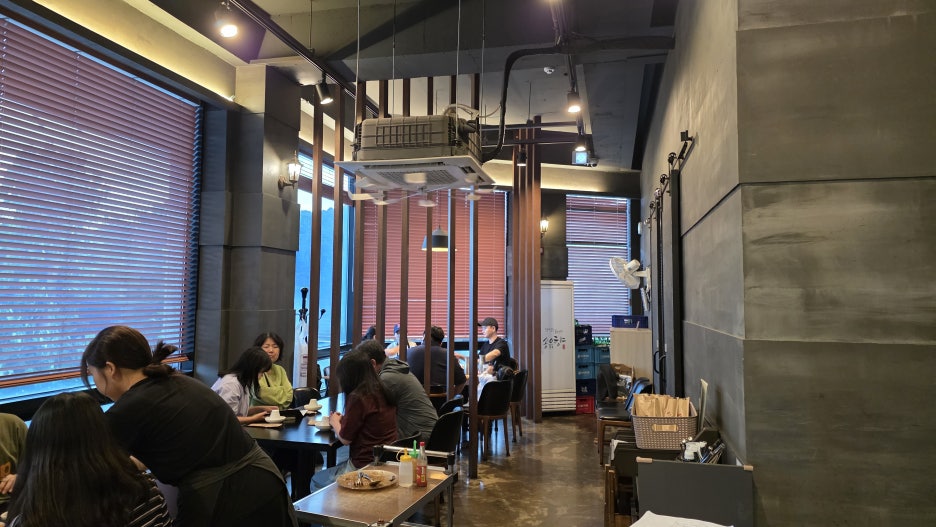
The restaurant is on the second floor, but the building is substantial enough that first-timers will not get lost. A notice by the entrance said they have private rooms and group seating, and the Naver Place listing also showed that groups are welcome and that rooms are available for parties of at least 6.
It also looked like a good fit for occasions where many people go together, such as family gatherings, sanggyeonrye (the formal meeting of both families before a wedding) or work dinners. With Chinese food, the more people there are, the more fun it is to share many dishes, so this kind of layout suits it well.
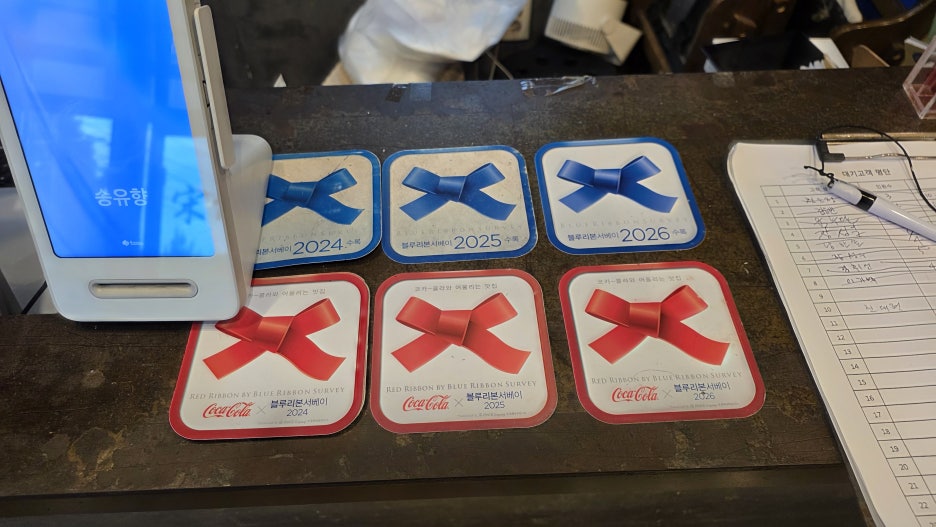
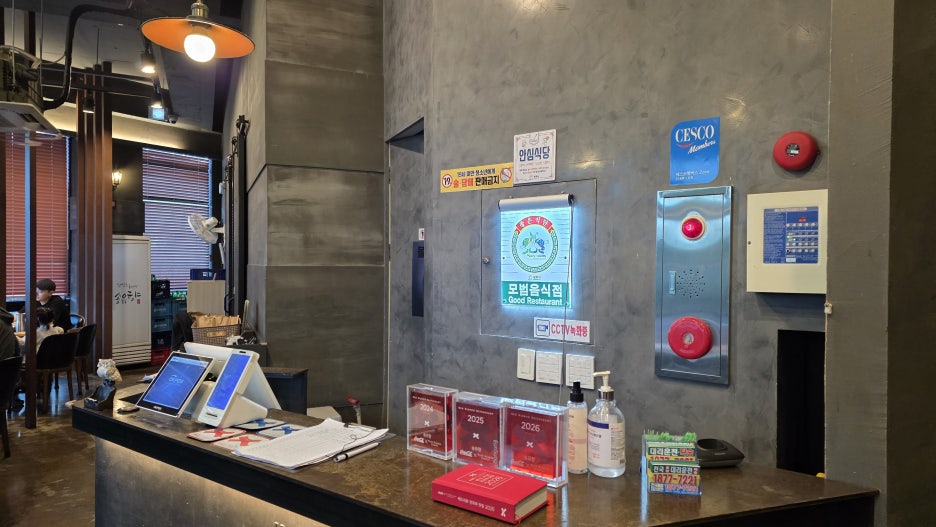
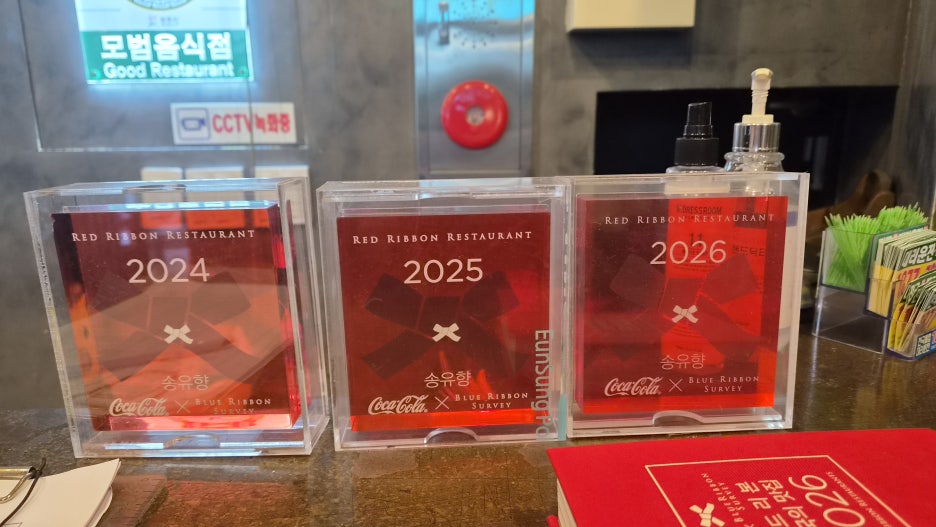
Near the entrance, Blue Ribbon Survey 2024, 2025 and 2026 plaques sat side by side with Red Ribbon-related plaques. Having these does not automatically mean a place will suit your taste, but at a restaurant you are trying for the first time, they certainly raise your expectations.
A menu from chefs who trained at The Shilla's Palsun, and the course lineup
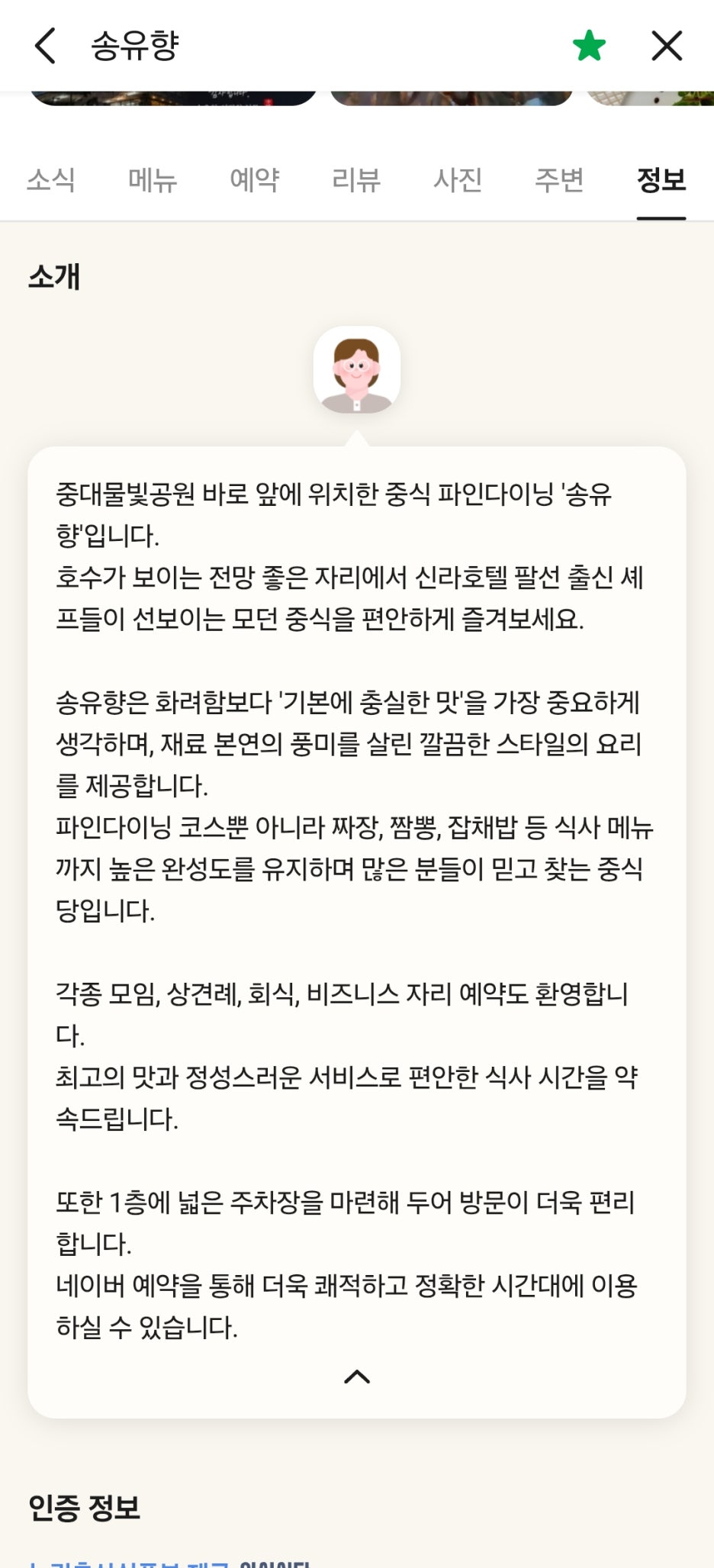
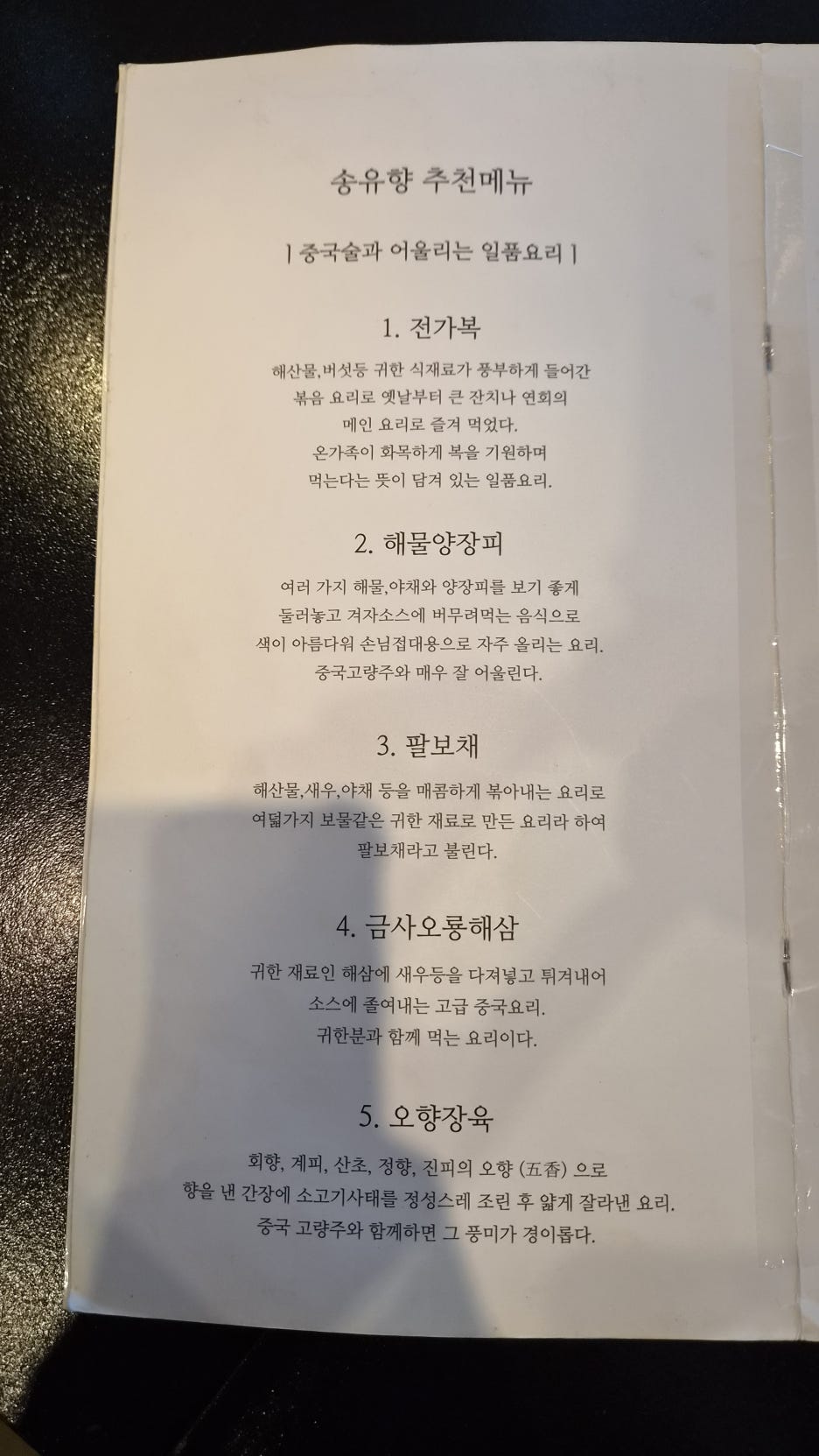
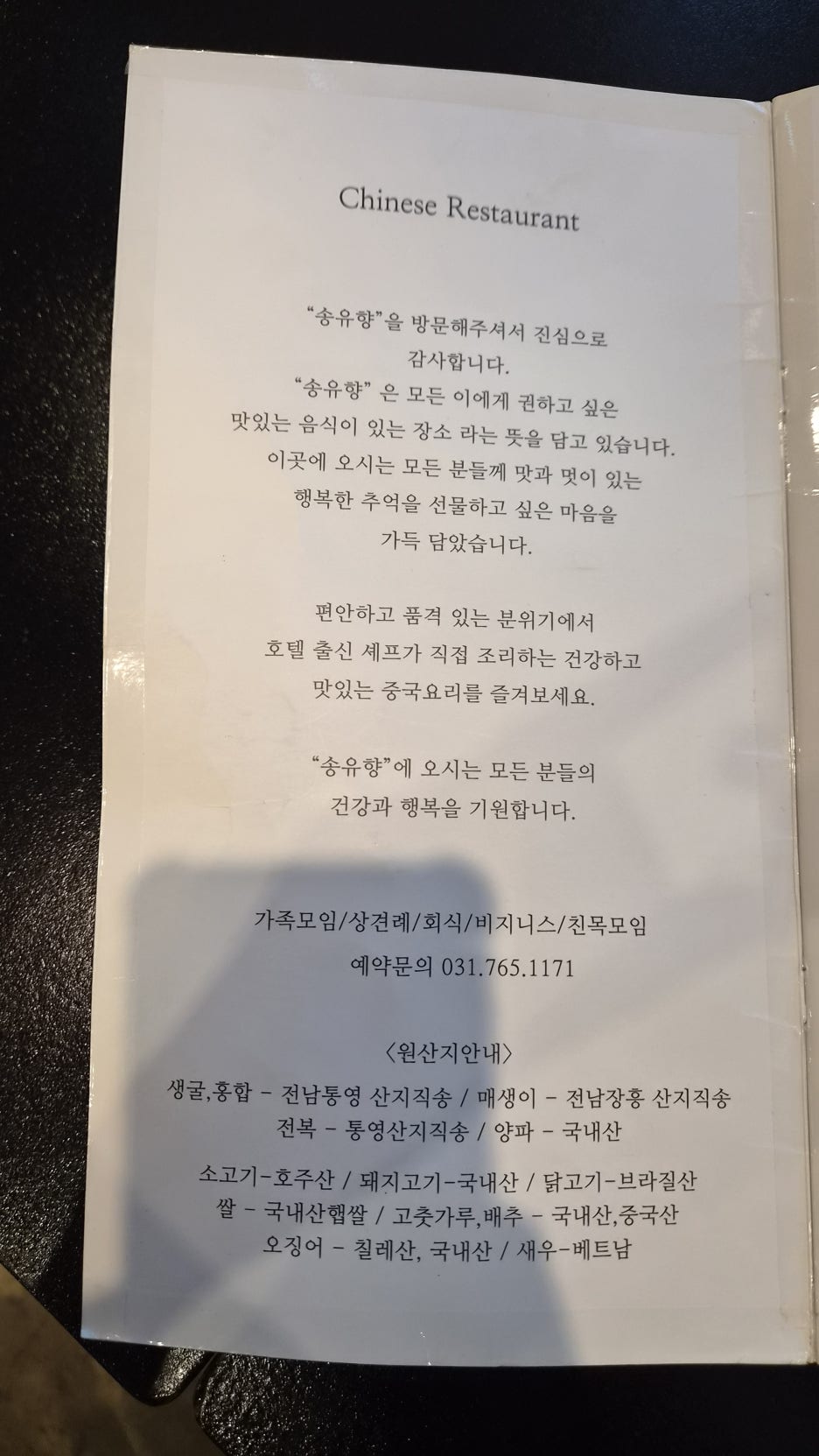
As I flipped through the menu after sitting down, I found a short introduction to Songyuhyang. It said this is a place to comfortably enjoy Chinese cuisine prepared by chefs from Palsun, the Chinese restaurant at The Shilla hotel.
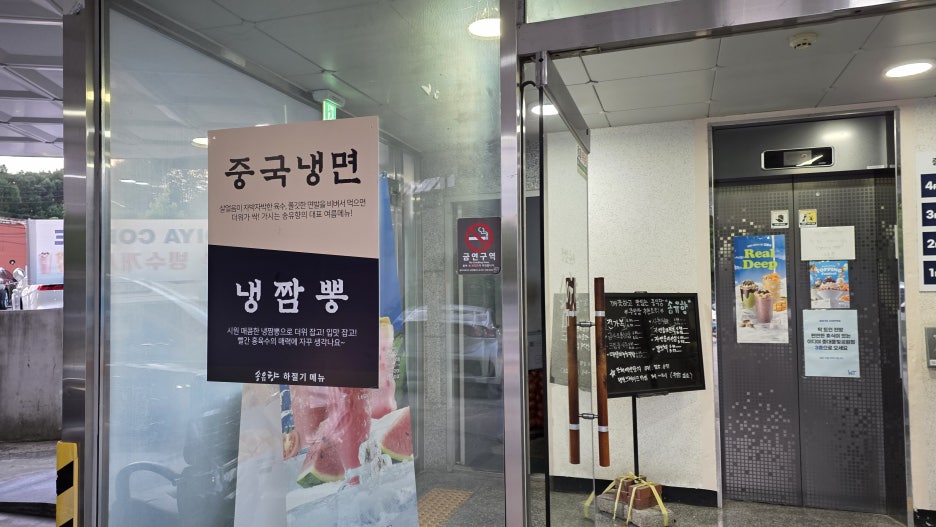
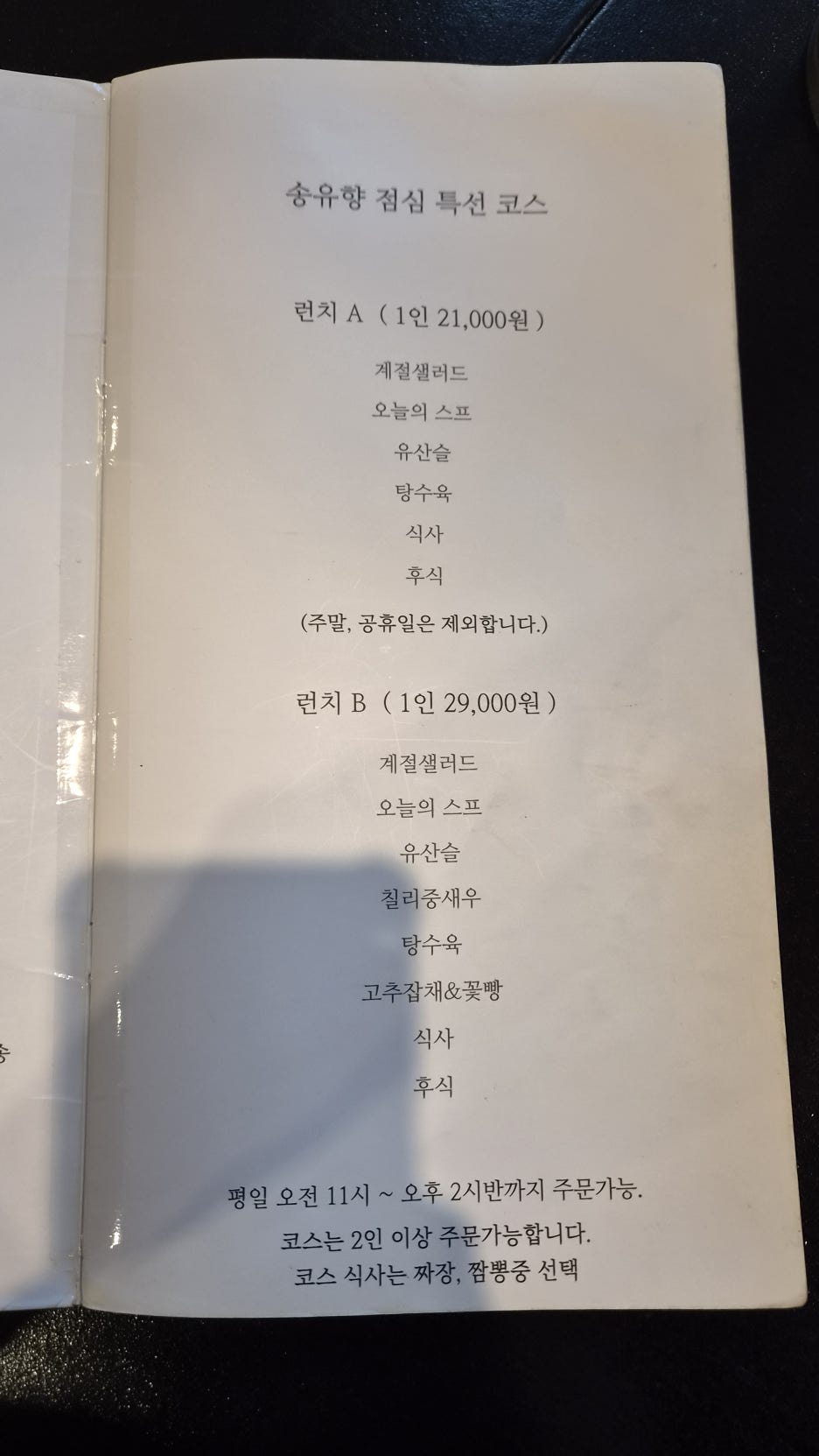
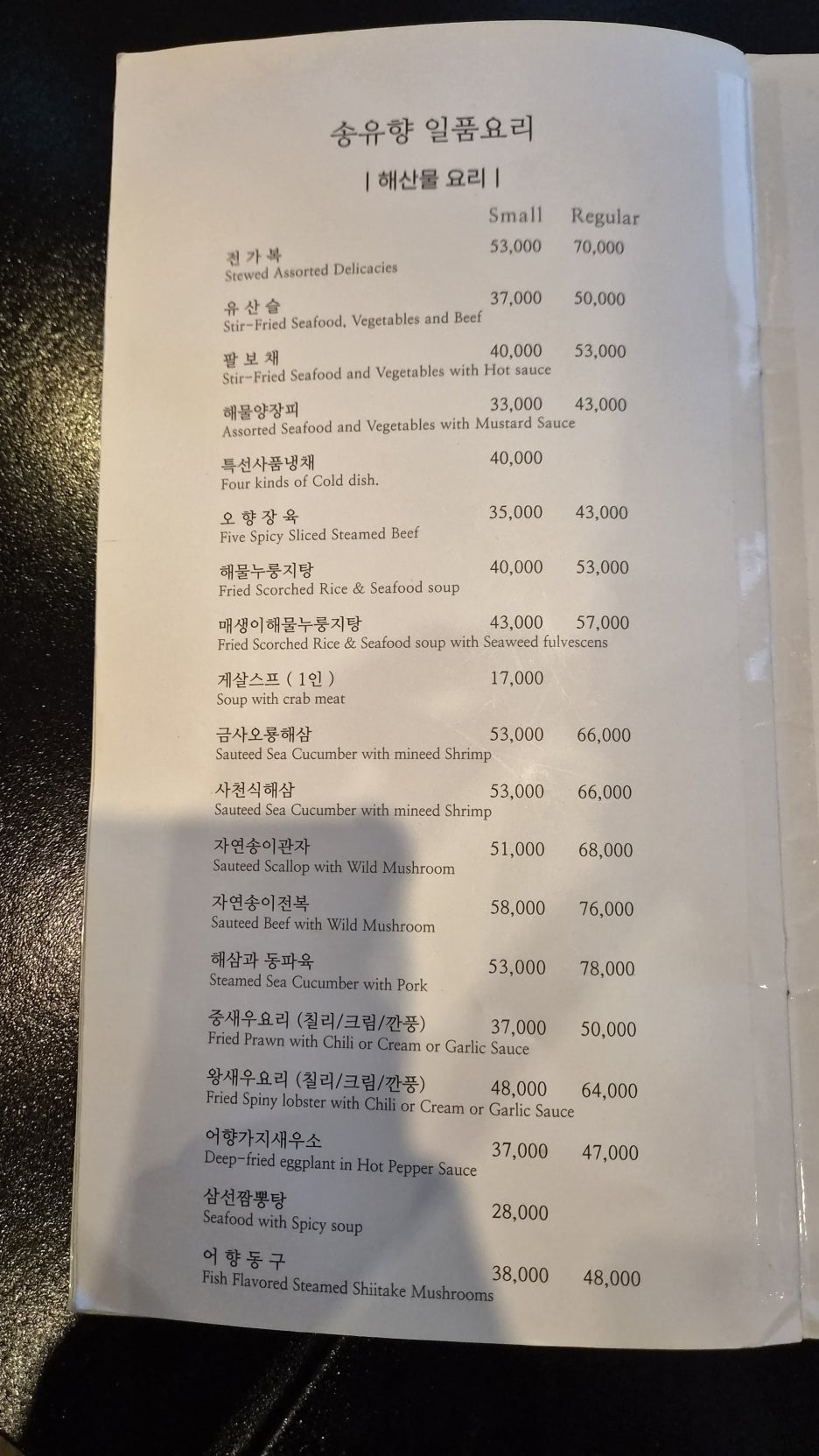
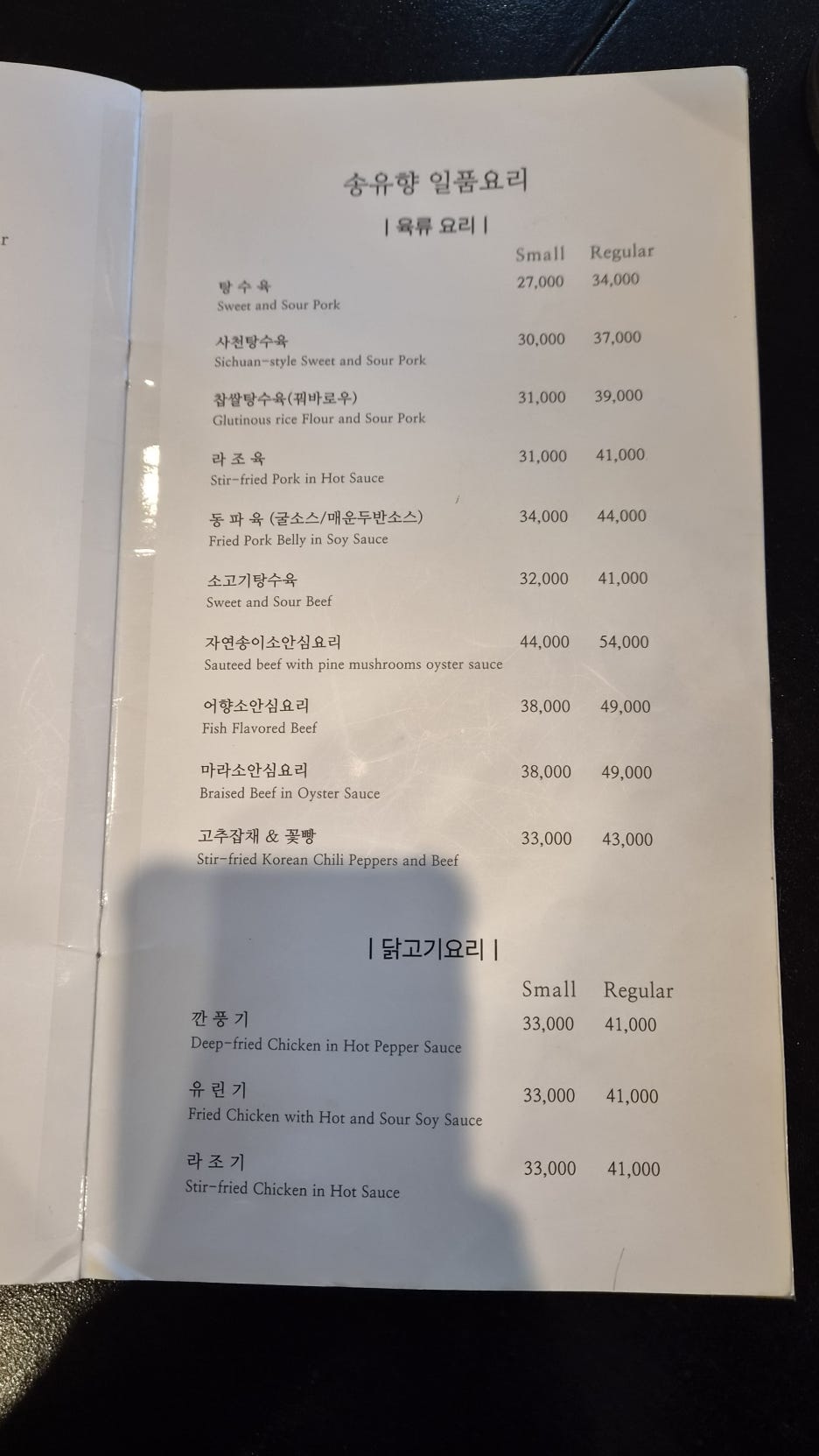
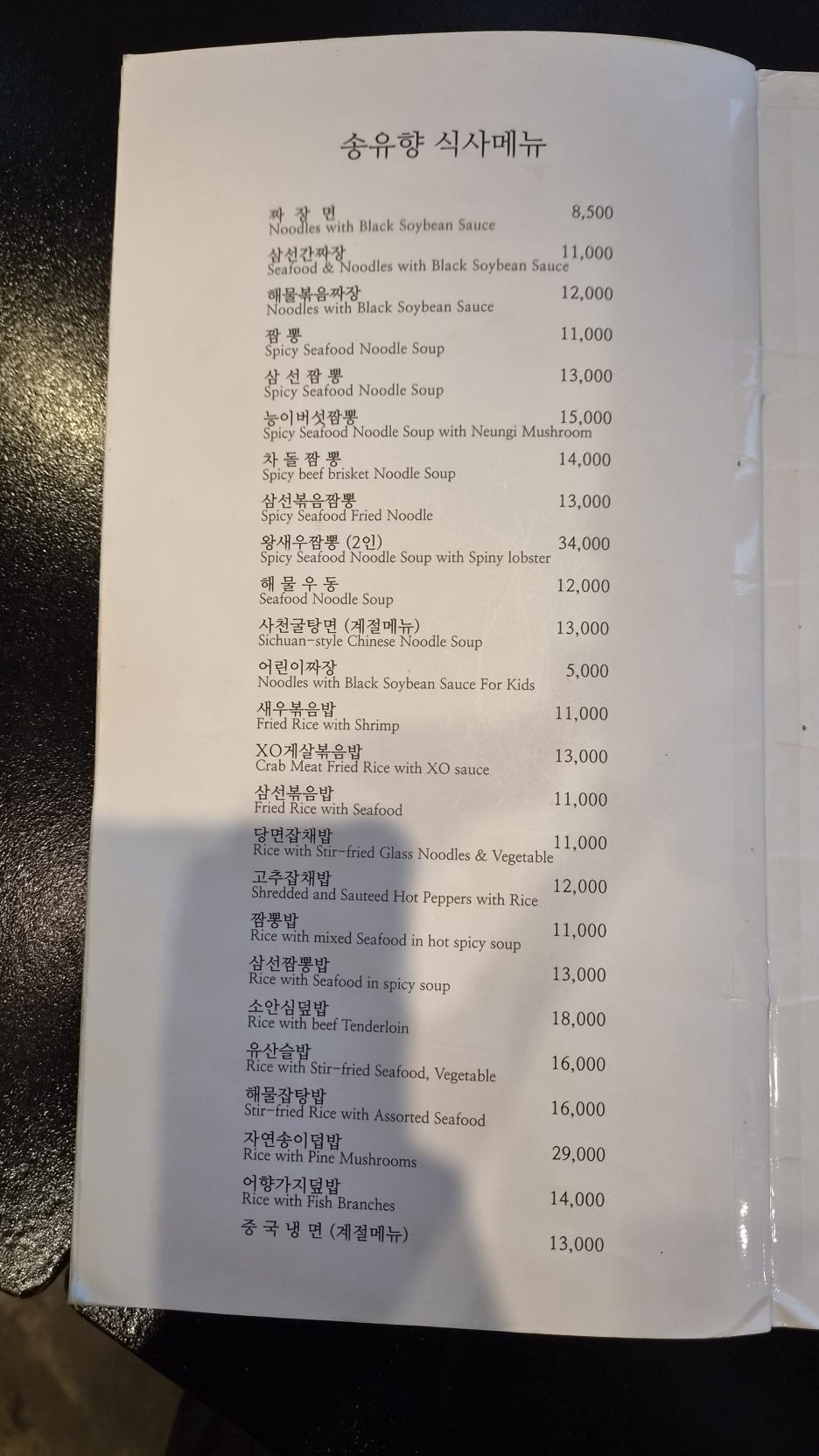
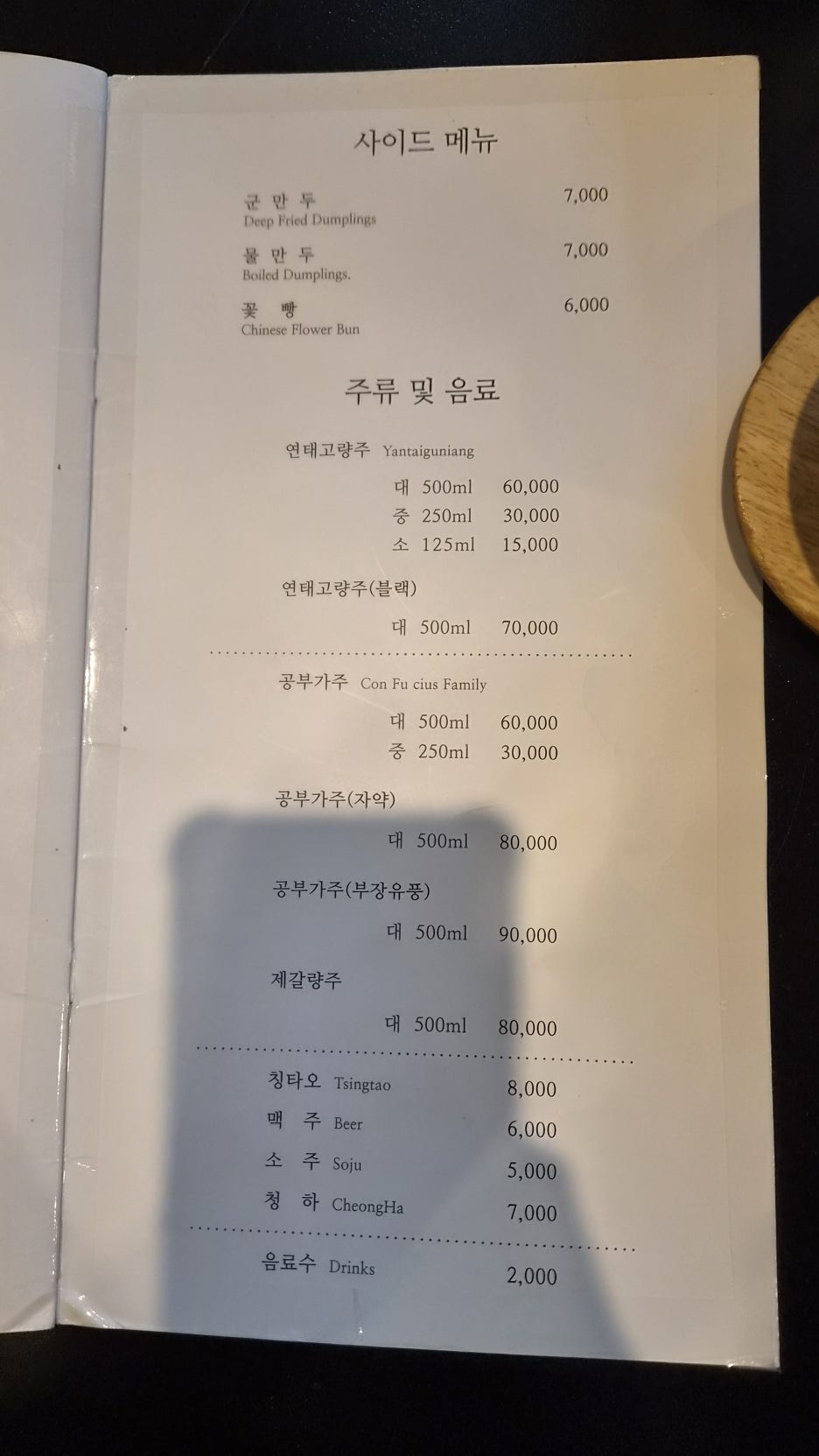
Perhaps because of that, it is not just a place selling jjajangmyeon and jjamppong; it also has a fairly wide range of course menus. We ordered à la carte that day, but the menu offers plenty of choices, from a lunch special course to the special courses. All prices below are as of my visit.
The lunch special, Lunch A, is 21,000 won per person and runs through a seasonal salad, soup of the day, yusanseul (stir-fried seafood with shredded pork), tangsuyuk, a meal course and dessert. It looked like a good pick when you want a light taste of a full course at lunchtime.
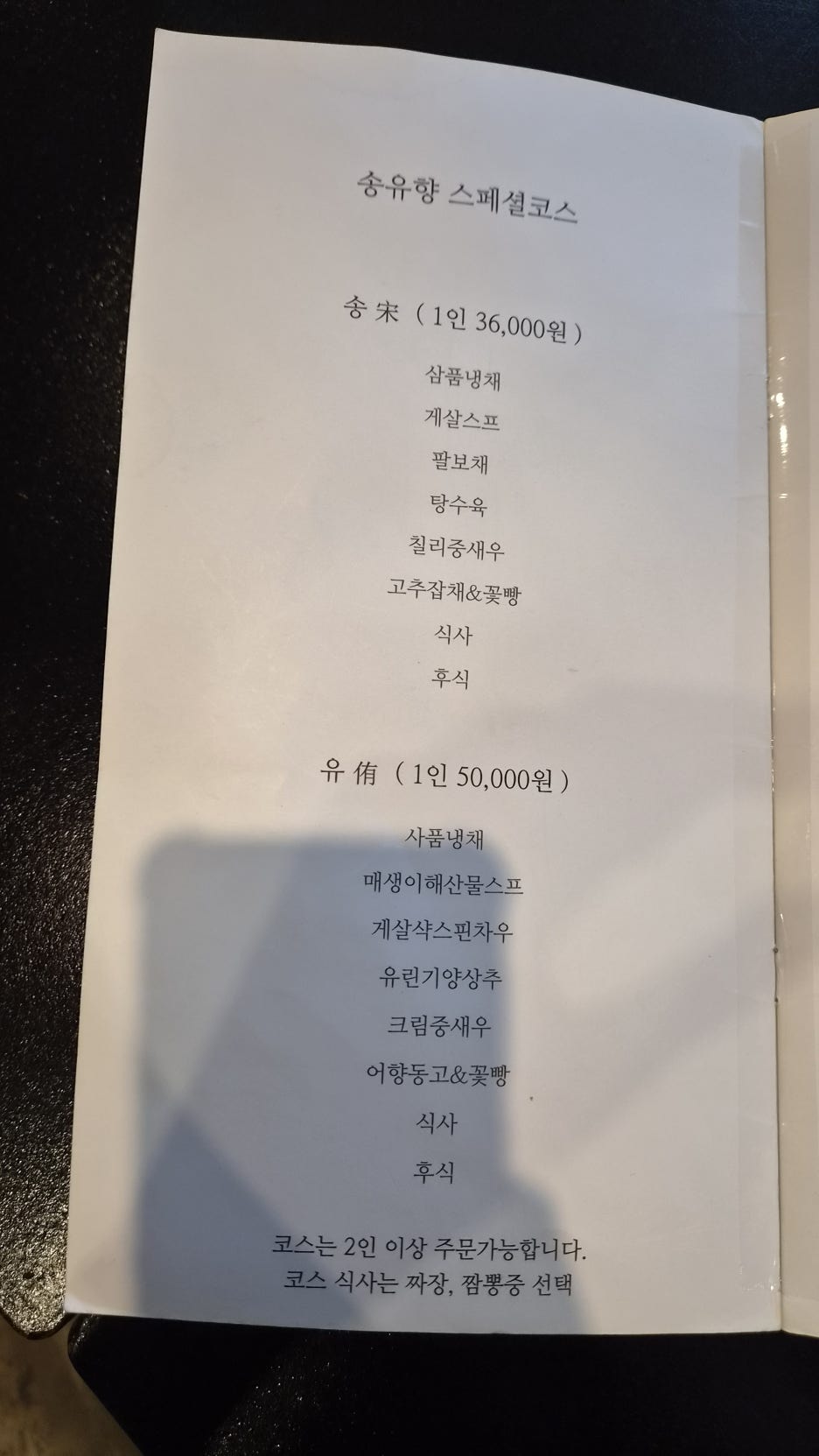
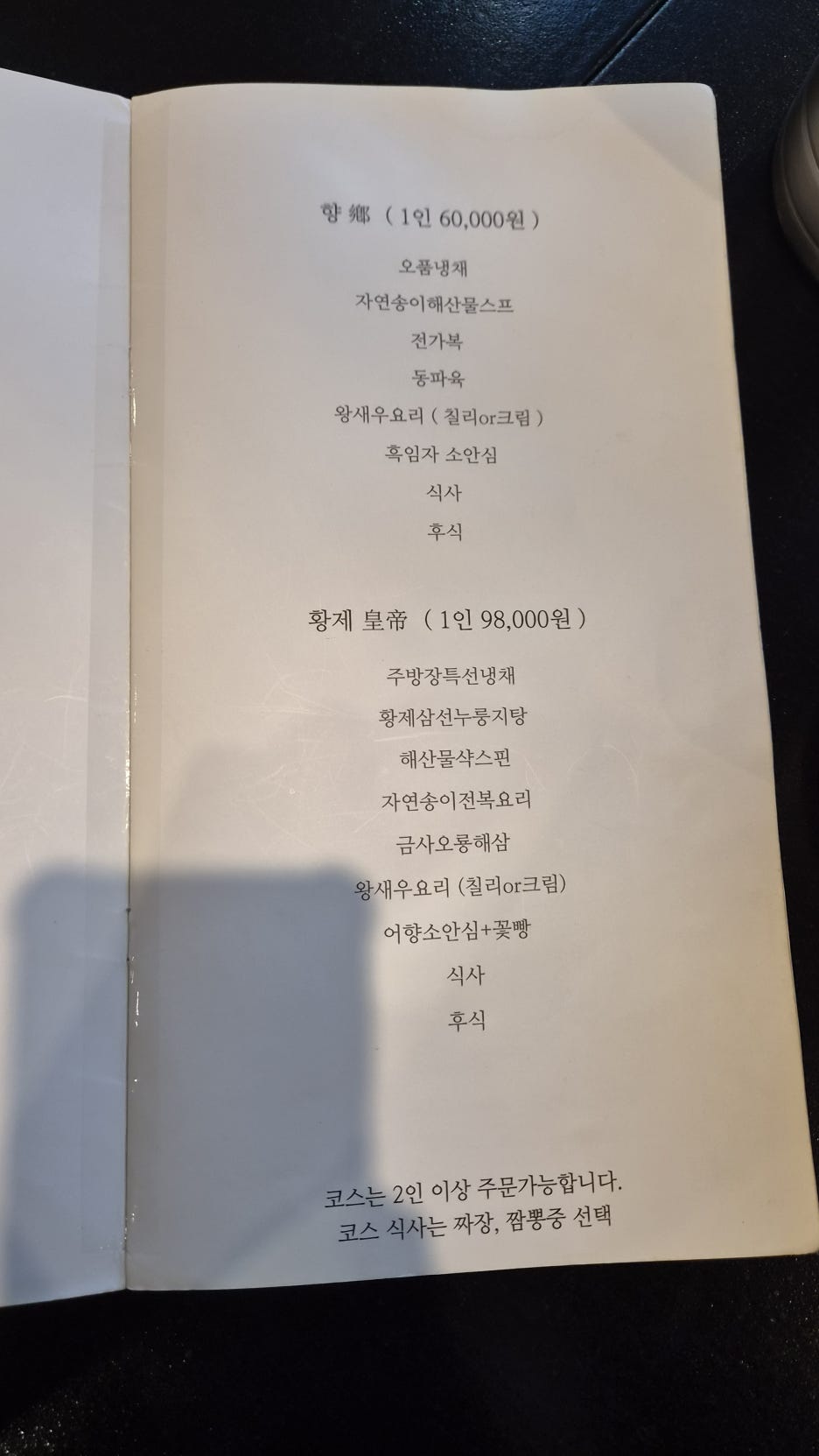
If you want to enjoy Chinese food more fully, there are special courses. The Song course is 36,000 won per person, the Yu course 50,000 won per person and the Hyang course 60,000 won per person, and the top-tier Emperor (Hwangje) course is 98,000 won per person, with a very varied lineup including jeongabok (a lavish braised seafood and meat platter), a king prawn dish and beef tenderloin.
But our goal that day was a little different. It was one of those days when I wanted jjajang, jjamppong and tangsuyuk all at once, so without much deliberation we settled on seafood gan-jjajang, jjamppong and a small tangsuyuk.
Looking at the menu, what struck me was that you can choose a lunch course, a high-end course or simple single dishes like jjajangmyeon all at the same restaurant. Lunch A includes tangsuyuk too, so you could come alone or as a pair at lunch and try a little of several dishes as a course, or do what we did and order just your favorites as single dishes in generous portions. Choose based on the occasion and the size of your group.
Basic sides: danmuji, zha cai and peanuts
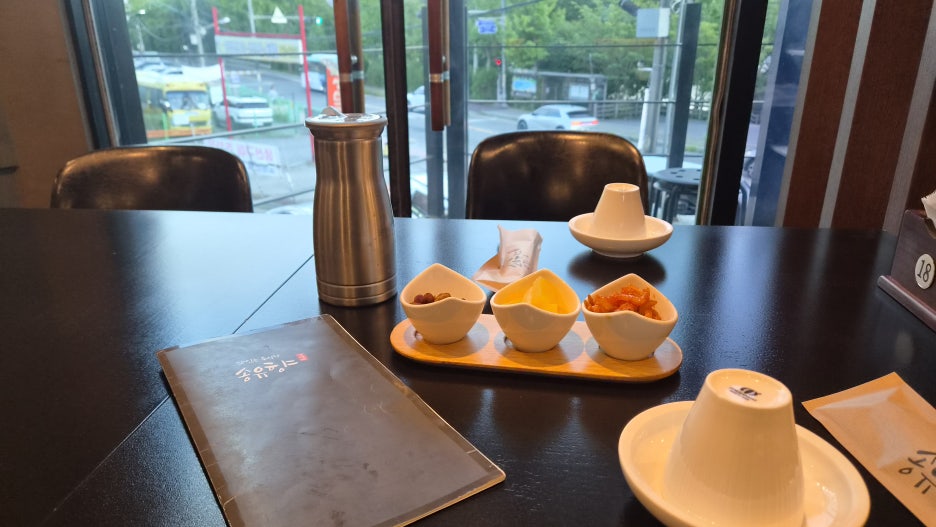
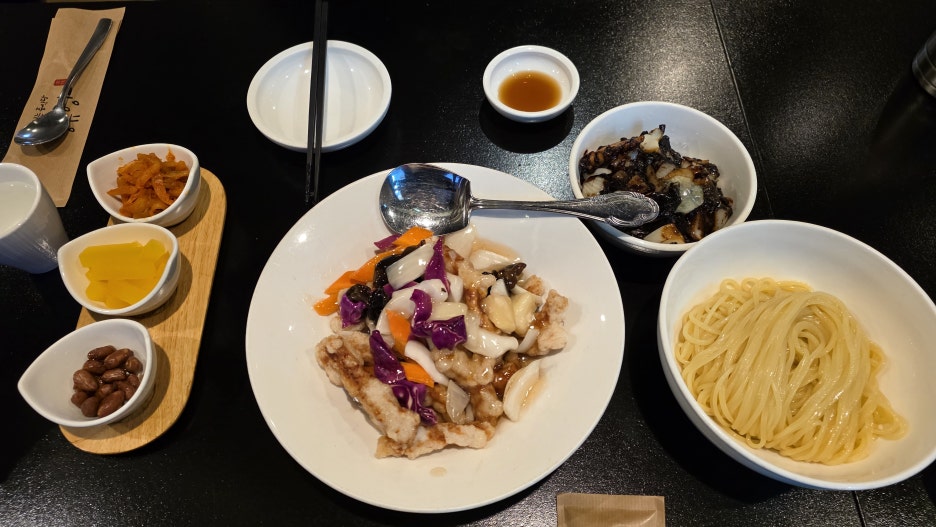
Once you order, the basic side dishes come out first. We got danmuji (yellow pickled radish), zha cai (pickled mustard stem) and peanuts, a good set for nibbling throughout a Chinese meal.
The peanuts in particular kept me reaching for more as I picked at them one by one while waiting for the food. The zha cai also worked well to reset the palate between rich dishes like jjajang and tangsuyuk.
All the sides came neatly arranged in small dishes, which made a good first impression before the meal even began.
Basic sides may seem minor, but they are the first yardstick of a restaurant, so I always pay attention to them. With even the danmuji and zha cai set out so neatly, my expectations for the dishes to come naturally went up.
Small tangsuyuk, the first dish out
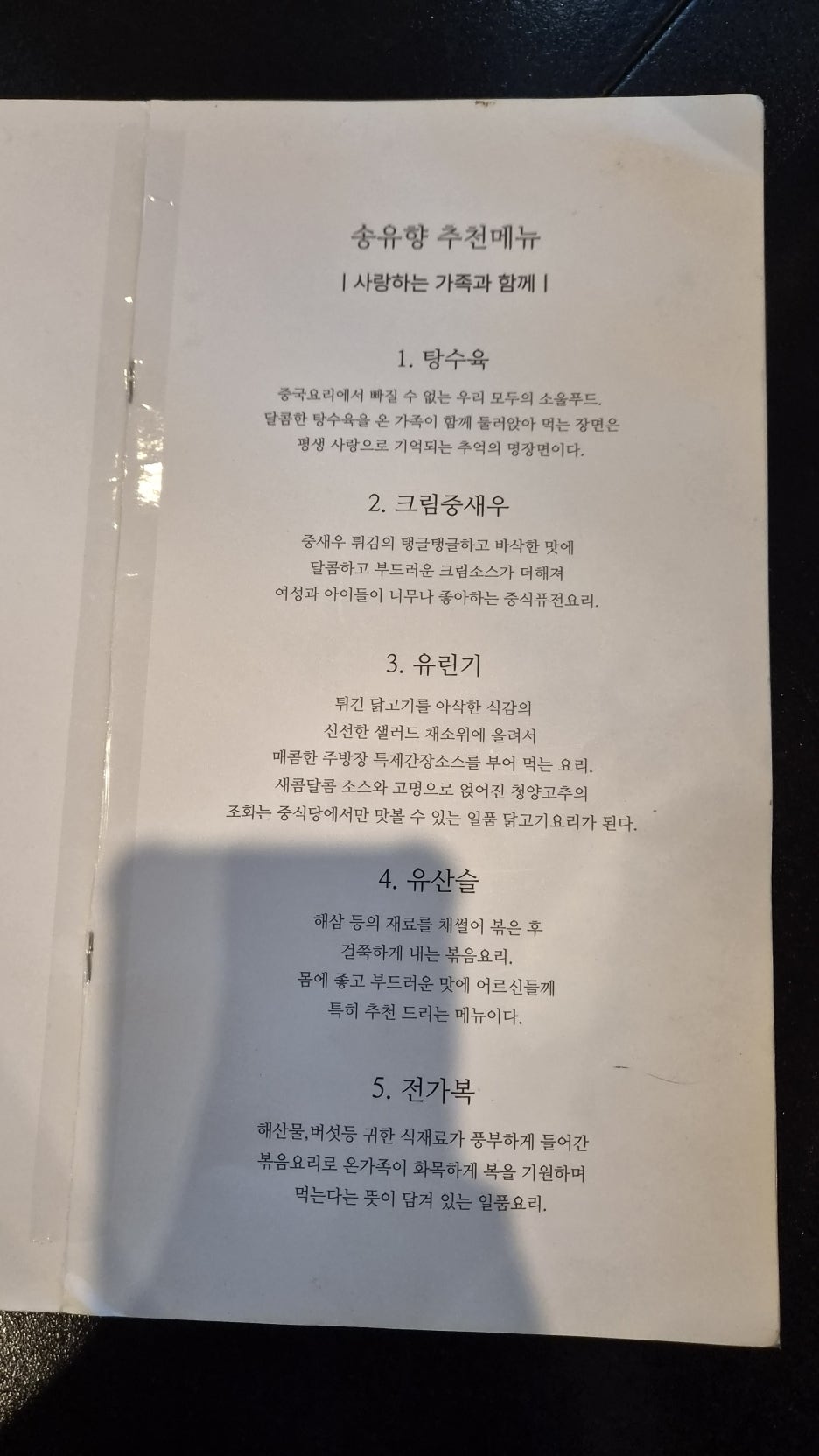
The first dish to arrive was the small tangsuyuk. When two people go to a Chinese restaurant, you debate until the very end whether to order tangsuyuk, and somehow you always end up ordering it.
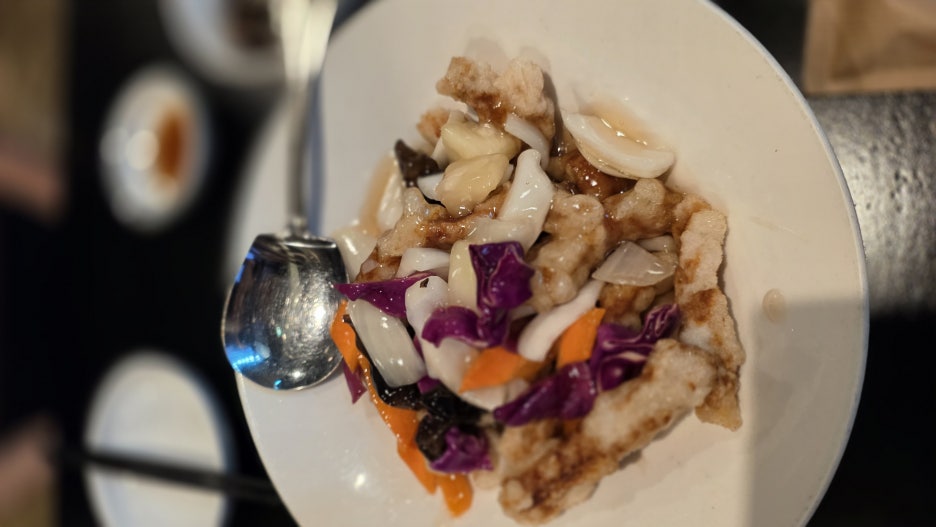
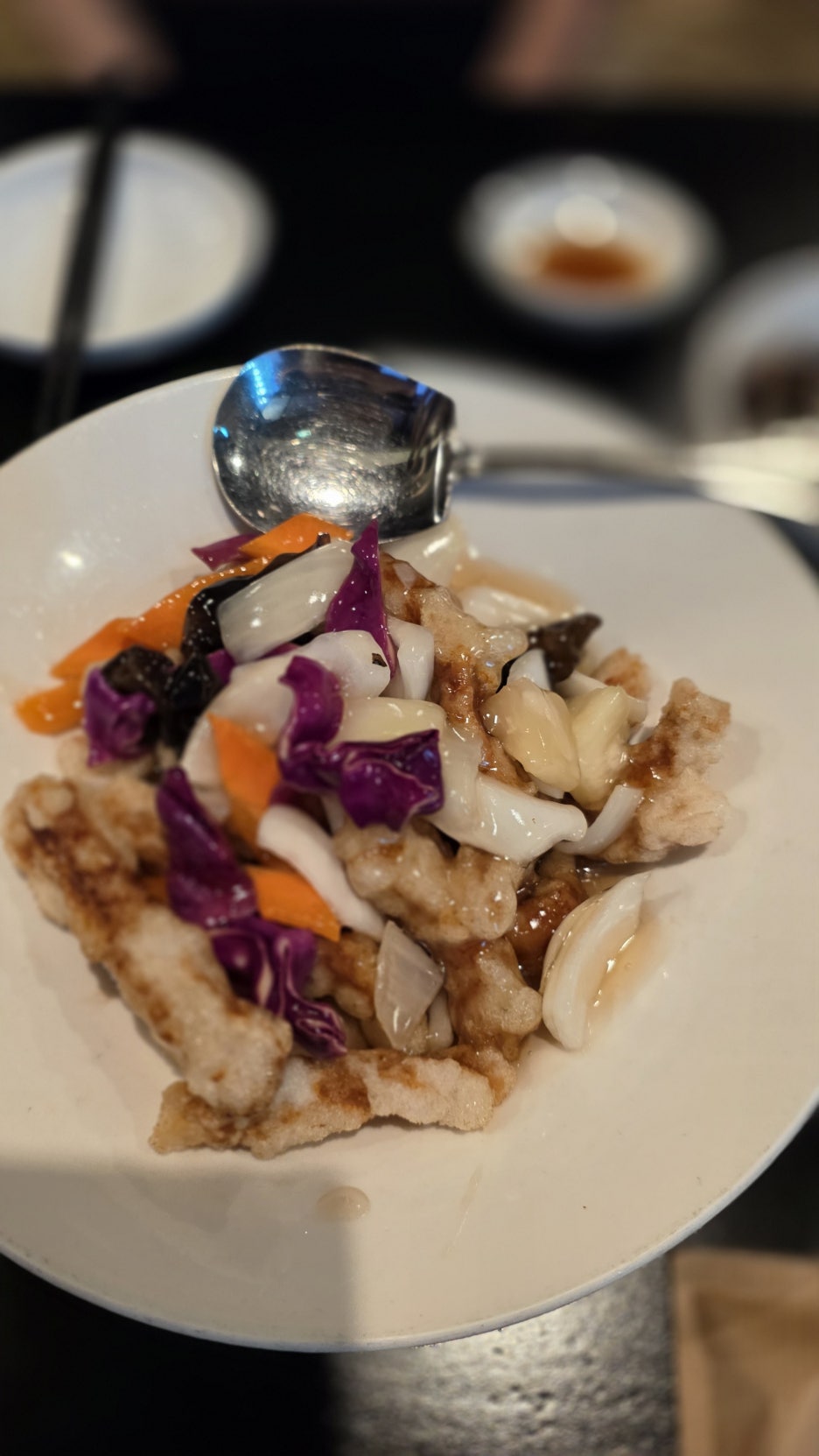
On the plate, the tangsuyuk is topped generously with vegetables such as onion, carrot, red cabbage and wood ear mushrooms. The sauce did not look like a thick, gloopy coating; it was glossy and evenly blended over everything.
The tangsuyuk was fried in long strips, which made it easy to pick up piece by piece. Even with the sauce already on top, the batter still had some of its texture, and there was real meat inside, so it was satisfying to chew.
These days there are many versions with a chewy, glutinous-rice-style batter that put chewiness above all else, but this one was closer to the classic tangsuyuk you get at a Chinese restaurant. Eating it with the vegetables brought the sweet sauce and crisp vegetables together nicely.
I like alternating tangsuyuk with sips of jjamppong broth rather than eating it on its own, so I went back and forth between this plate and the jjamppong that came out later.
With the crisp coating, the sweet sauce and the crunchy vegetables all in one bite, the plate never got boring, even as a small size. For two people sharing, the small portion was an easy amount to pair with other dishes.
Seafood gan-jjajang with big pieces of seafood
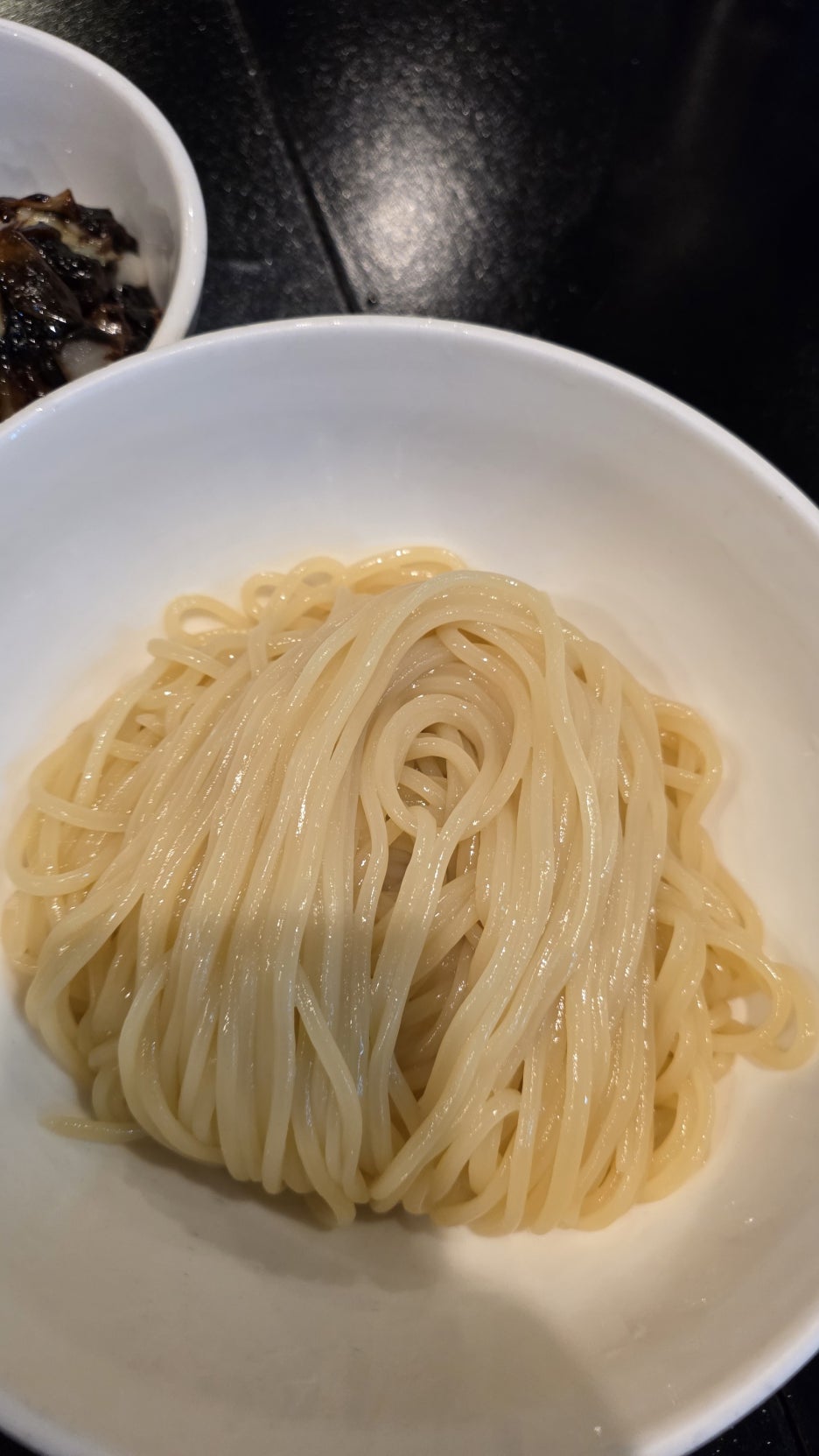
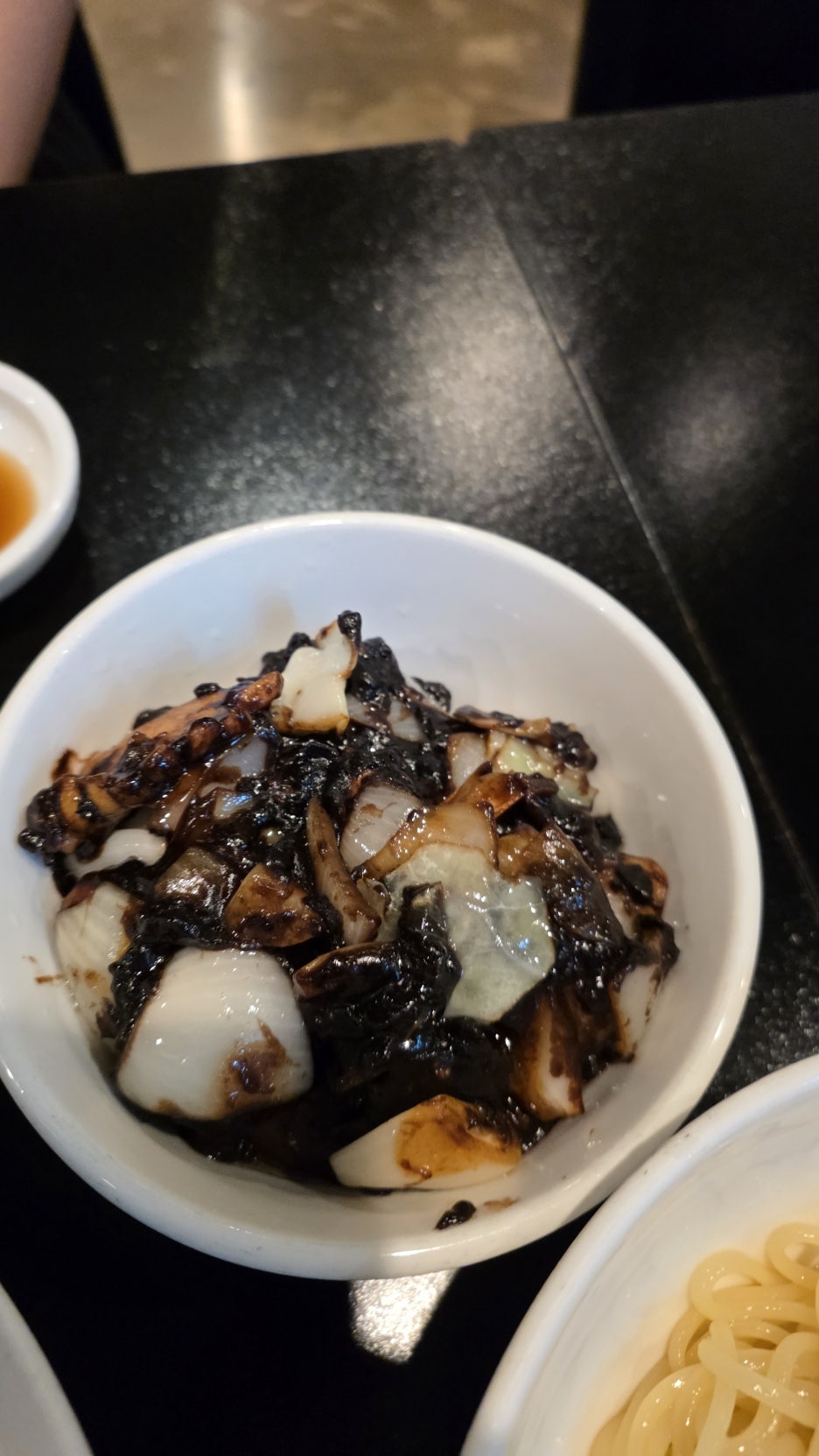
Next came the seafood gan-jjajang. The charm of gan-jjajang is that the noodles and sauce come out separately. Looking at the freshly boiled noodles on their own, they had a glossy sheen and were neatly arranged.
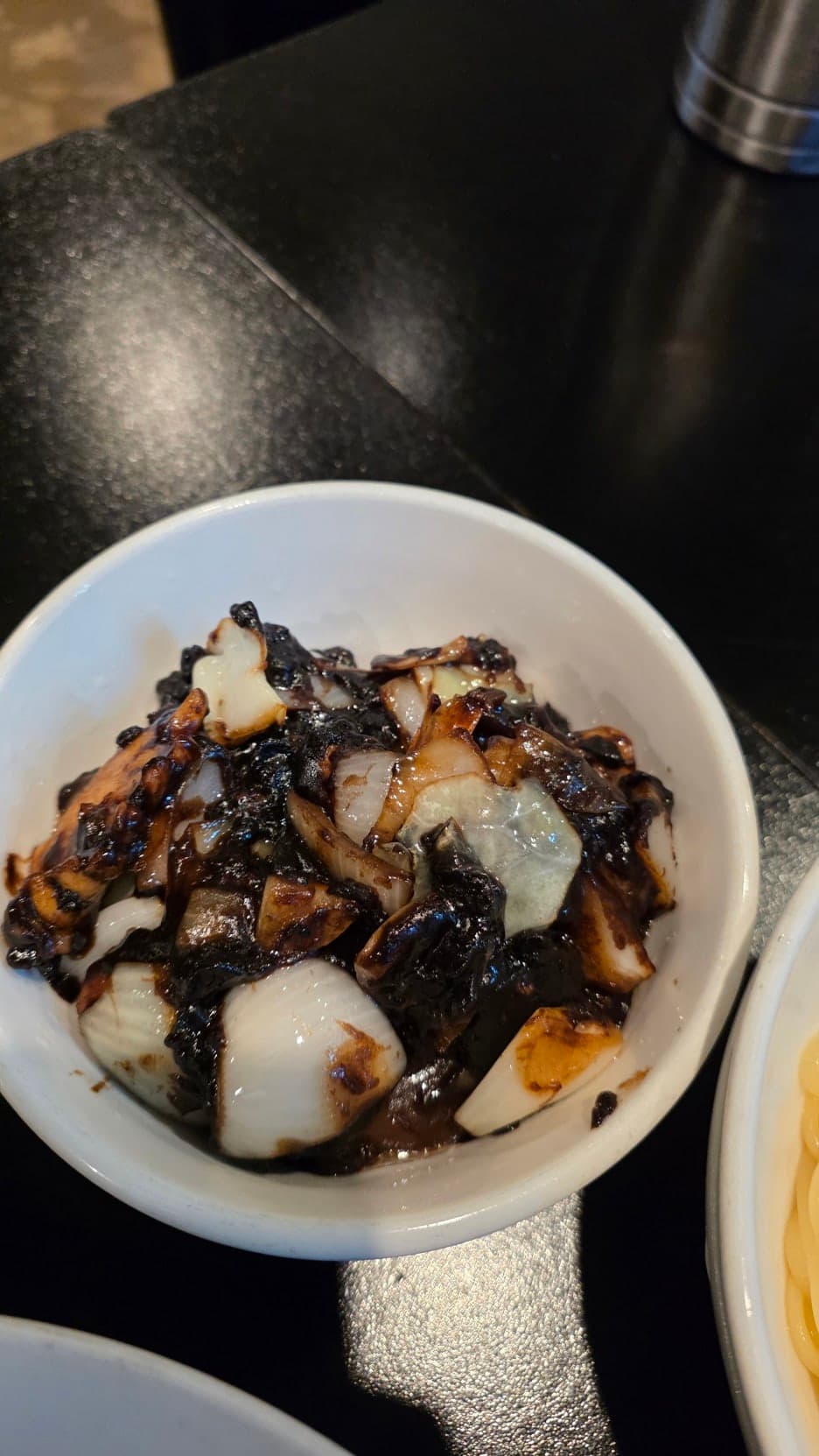
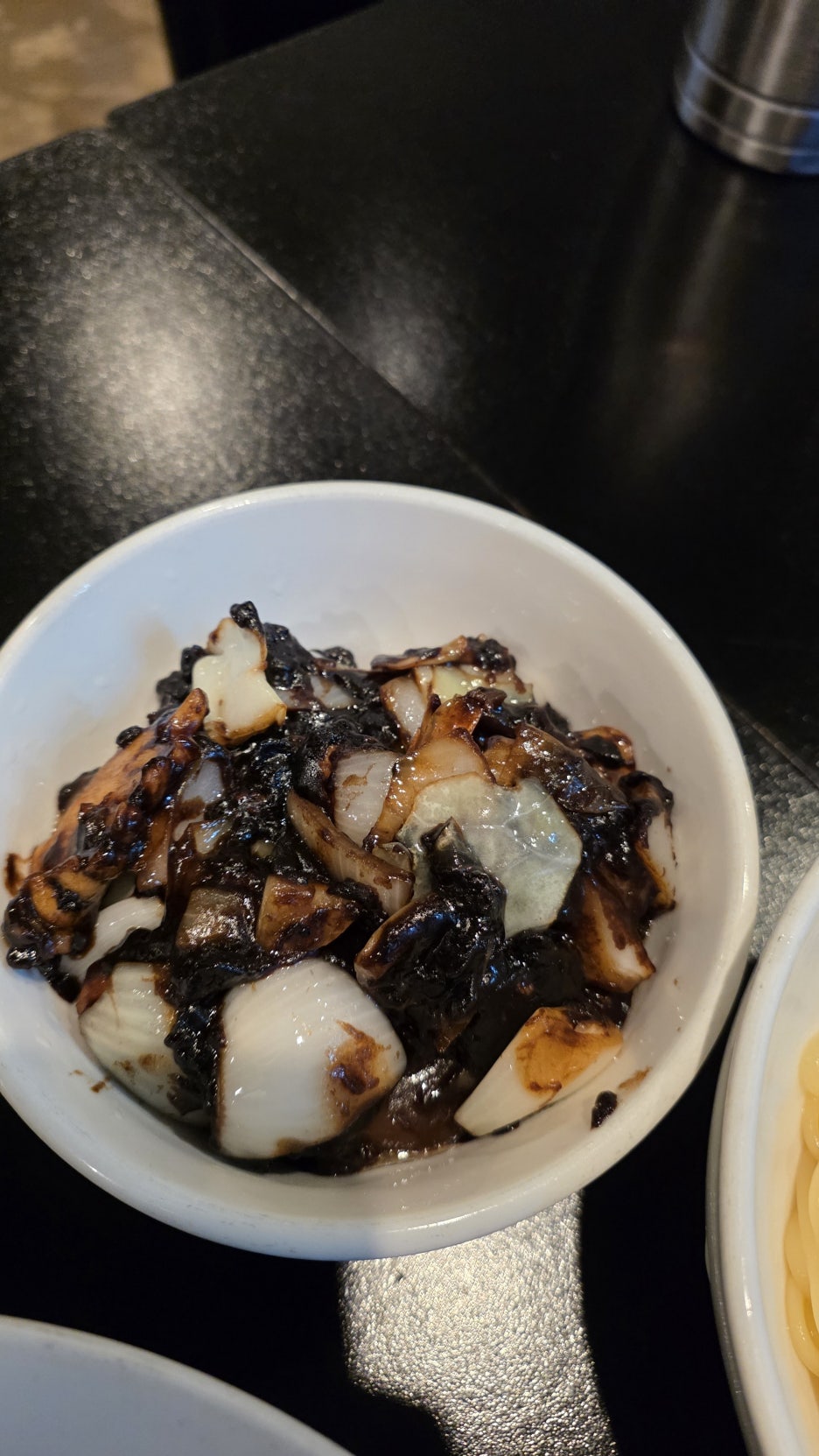
You add as much of the separately served seafood jjajang sauce as you like and mix it in. Up close, the sauce has big pieces of onion, and the seafood is easy to see.
The reason I prefer gan-jjajang to regular jjajangmyeon is that the onions and other ingredients, stir-fried to order, keep a more distinct texture. Songyuhyang's seafood gan-jjajang also had large chunks of onion, so it had a nice bite when mixed with the noodles.
The jjajang sauce is glossy jet black, as you can see in the photos, and adding it to the noodles a little at a time brought out a rich, deep black bean flavor. Pick up some seafood along with it and it becomes a clearly different bowl from plain jjajangmyeon.
The noodles were not overly soft either, so they kept some springiness even after mixing in the sauce. Personally, of the three dishes we ordered that day, the seafood gan-jjajang was the one I reached for first.
Jjamppong with a deep color
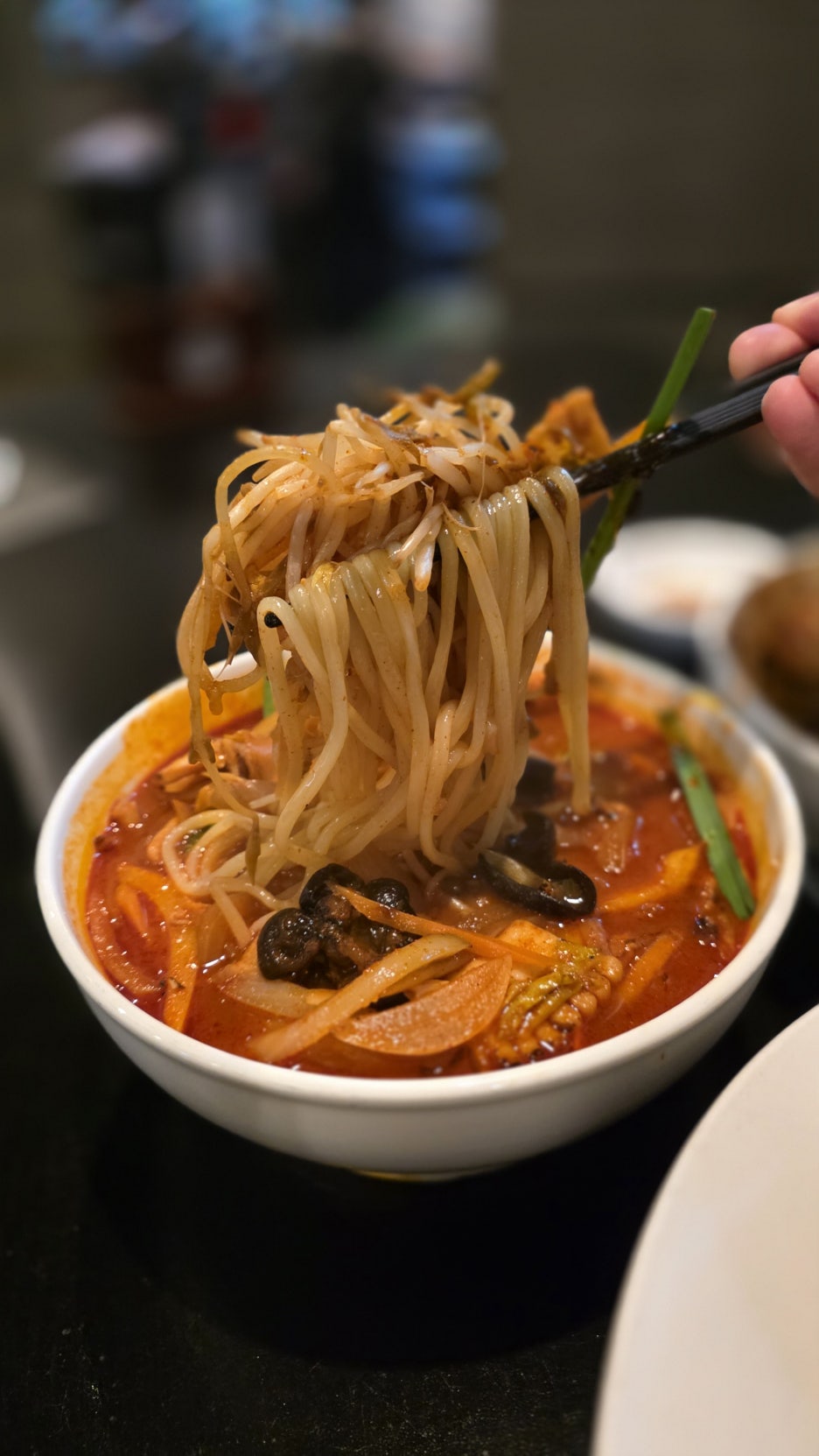
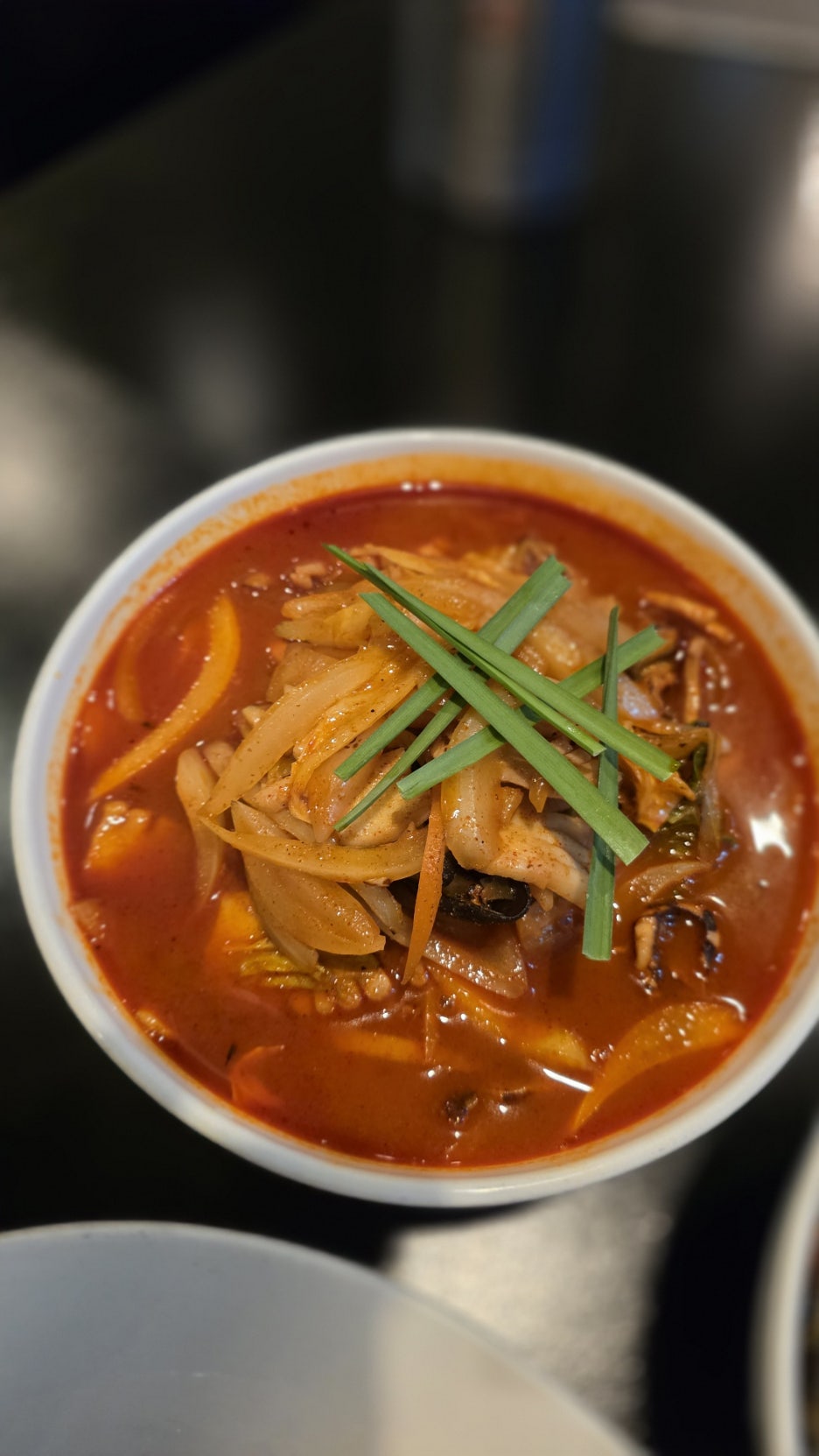
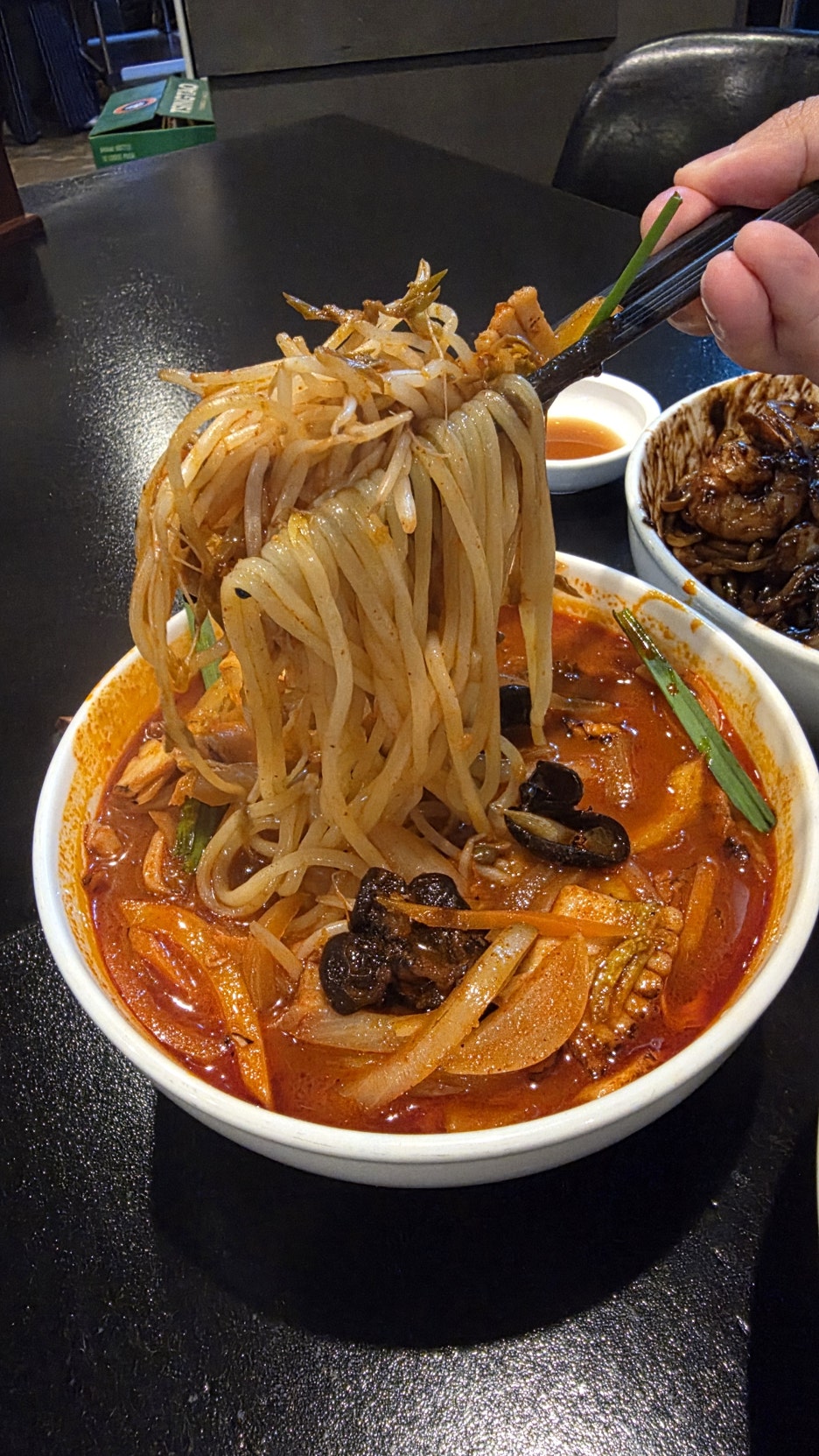
You can't have jjajangmyeon without jjamppong on the side. Songyuhyang's jjamppong had a deep-colored broth from the moment it hit the table. Long strips of garlic chives were laid on top, and underneath was a generous mix of onion, napa cabbage, wood ear mushrooms and more.
If jjamppong broth is only spicy, I lose interest after a few spoonfuls; to finish it, the flavor drawn from the seafood and vegetables has to come through too. One spoonful in, it was hearty and spicy with plenty of savory depth in the broth itself, so it was good for sipping between bites of tangsuyuk.
Ordered alongside jjajangmyeon, it lets you alternate between sweet and spicy, which is always a great pairing. There were also more ingredients than I expected, so it was not the kind of jjamppong where you fish out the noodles and are done; the onion and cabbage had cooked down and soaked up the broth, which made them nice to eat together.
If you are ordering several dishes like we did, I think the safest approach is one jjajang and one jjamppong to share.
With its deep broth, it helped cut the richness of the tangsuyuk and the intense sweetness of the gan-jjajang every so often, which kept the three dishes in balance.
A meal with all three dishes on the table at once
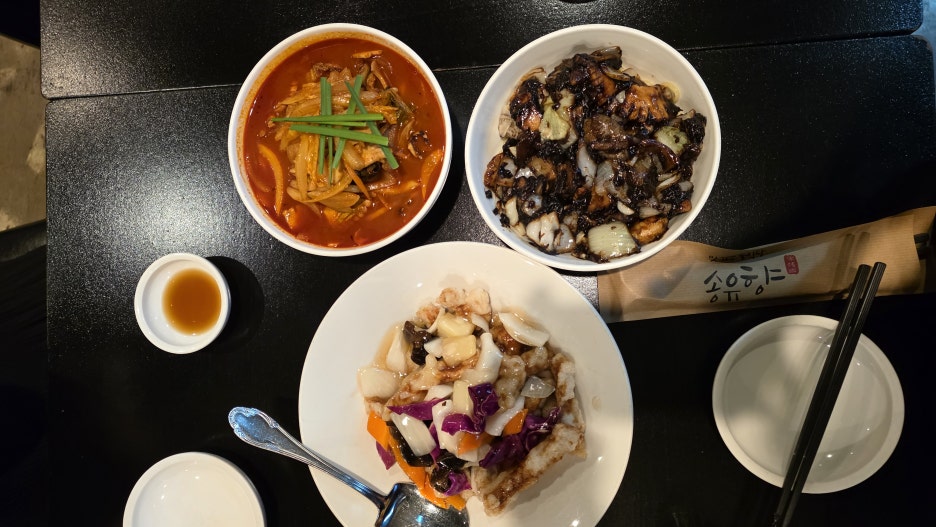
Once the seafood gan-jjajang, jjamppong and tangsuyuk were all out, the table was full. Chinese food is most fun when several dishes are spread out together like this. A bite of jjajangmyeon, a piece of tangsuyuk, then a spoonful of jjamppong broth, and ordering three dishes feels completely worth it.
Being able to order a small tangsuyuk even as a pair made it easy to try a variety. Alternating between different flavors kept us from getting tired of any one of them, unlike eating a single dish, and in the end we kept going back and forth among the three until the bowls were empty.
The sweetness of the jjajang, the heartiness of the jjamppong and the sweet-and-sour tangsuyuk each went in a different direction, so they seemed to support one another. I wondered whether three dishes would be too much for two, but going back and forth like this, we finished the whole table more easily than expected.
Why it also looked good for family meals and gatherings
Having been there, I found Songyuhyang quite large to think of as just a place to come for a bowl of jjajangmyeon. With hall seating plus separate private rooms and group seating, it looked well suited to larger parties.
Its Naver Place listing says reservations and group bookings are available and that high chairs are provided. I thought it would work well for families coming with children or for meals with parents.
Above all, having somewhere to park is a real convenience in Gwangju, Gyeonggi-do. And with Jungdae Mulbit Park right in front, it is easy to plan a walk before or after your meal.
If you are visiting casually like we did, I would recommend ordering seafood gan-jjajang, one jjamppong and a small tangsuyuk to share. With Chinese food, it is always easier on the mind to order both jjajang and jjamppong than to agonize over which one to pick.
Check opening hours and closing days on the map before you go.
This box contains affiliate links. If you book through them, Mudung may earn a commission at no extra cost to you.
 Read nextSame neighborhoodBundang Lamb Ribs near Jeongja Station: Steamed Set for TwoRead →
 Read nextSame neighborhoodSuwon Gwanggyo Movie Theater: CGV IMAX in Galleria, ParkingRead →