What I learned in a Primaje baby massage class at my postpartum care center, from massage timing to diaper-area care and face moisturizing, and why I bought the basic 7-piece set, in the order it happened.
In this article Show
The Primaje baby massage class I took at the postpartum center
During a stay at a postpartum care center (joriwon), you end up attending more classes than you'd expect. This time there was a baby massage class run by Primaje (쁘리마쥬), so I joined in.
At first I assumed it would be a short session showing a few massage moves. But once I listened in, it covered not only massage technique but also things worth knowing after you leave and go home, like newborn skin care, diaper-area care and moisturizing the face. The class went in this order: when and how to massage, caring for the diaper area after a bowel movement, facial moisturizing, and finally a product introduction.
Before the technique: when to massage
The first thing the class emphasized was, unexpectedly, not hand movements but the baby's condition. Sleep matters more than anything for a baby, so there's no need to wake a soundly sleeping baby just to give a massage, they said.
The best time, they said, is when the baby is awake, in a good mood and looks relaxed. They added that even right after a feed, it's better to wait a while rather than start straight away.
In short: if the baby is sleeping well, let them sleep; avoid times when they're hungry or fussy; massage when they're awake and content. That order was the most important takeaway of the day. I took it to mean that since the massage is for the baby, it should happen when the baby is ready for it, not when the parent has a spare moment.
Not firm like jjukjjugi, but soft like stroking
The baby massage I had in mind was close to jjukjjugi, the limb-stretching that used to be common in Korea. What the class actually taught was quite different.
Rather than holding the baby's arms or legs to stretch out the joints or pressing with force, gently stroking and touching with your hands is enough, they said. Put the oil in your hands first and warm it, then go slowly while watching the baby's expression and reactions to make sure they're not uncomfortable.
Infant massage, too, is basically about touching gently and rhythmically while the baby is calm and awake, they explained. The tummy is the same: instead of pressing hard, we learned to massage the belly very softly with the palm.
Newborns are so small and delicate that approaching it as stroking rather than applying pressure seemed right to me. The core of this part, I felt, was that relaxing your hands and watching the baby's response matters more than memorizing the exact moves.
Caring for the bottom and diaper area after a poo
We also heard about diaper care. Especially after a bowel movement, it's important to clean thoroughly so no stool stays on the skin, they said.
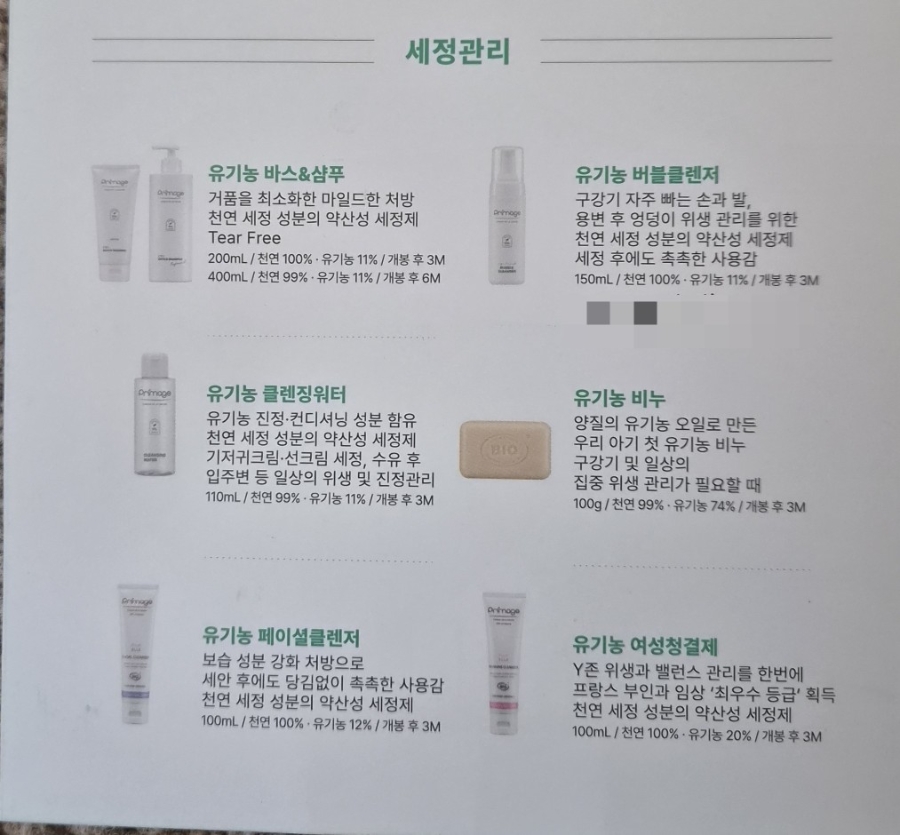
Use water or a gentle cleanser suited to baby skin, and again, wash softly rather than scrubbing. For girls, they said it's also important to get in the habit of wiping from front to back.
They showed how to dry the skin well after washing and then apply diaper cream to protect it. The instructor said it's easy to understand if you think of it as a product for protecting the skin inside the diaper, like the baby powder people used to use. These days many people seem to use diaper creams that form a protective layer on the skin rather than powder. This was a chance to get it clear in my head that cleaning, drying and protecting with cream form one sequence.
Moisturizing a newborn's red, bumpy face
Next up was newborn face care. Newborns' faces can redden easily or get little bumps, and when you first see it, you worry right away whether it's taeyeol (what Koreans call baby heat rash).
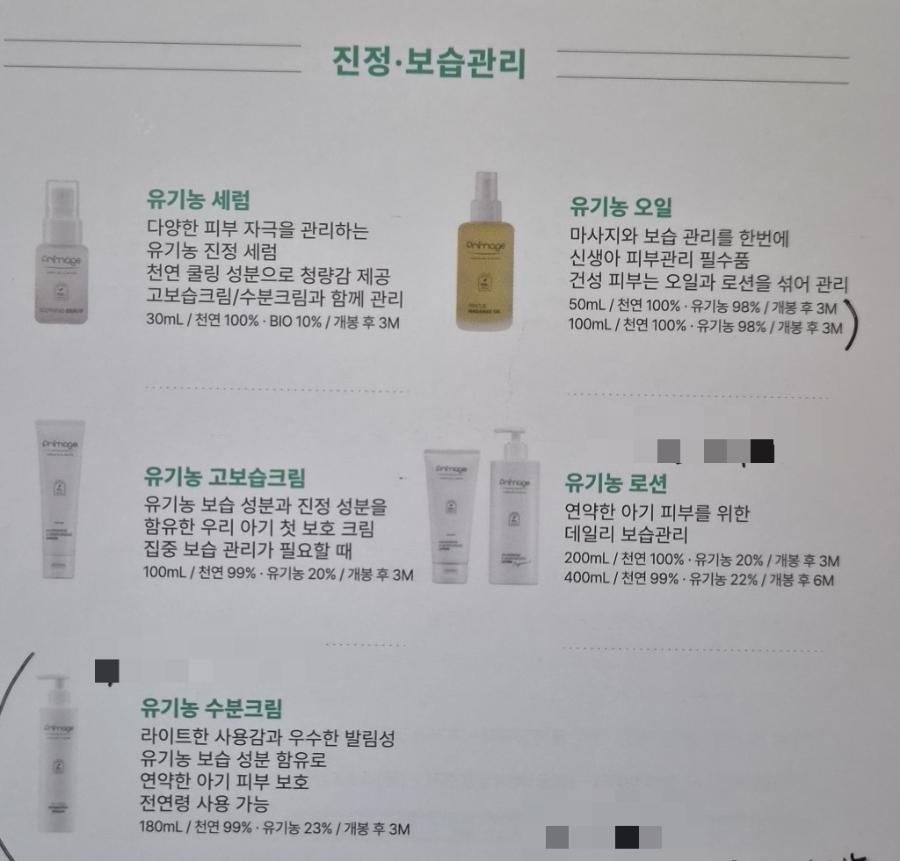
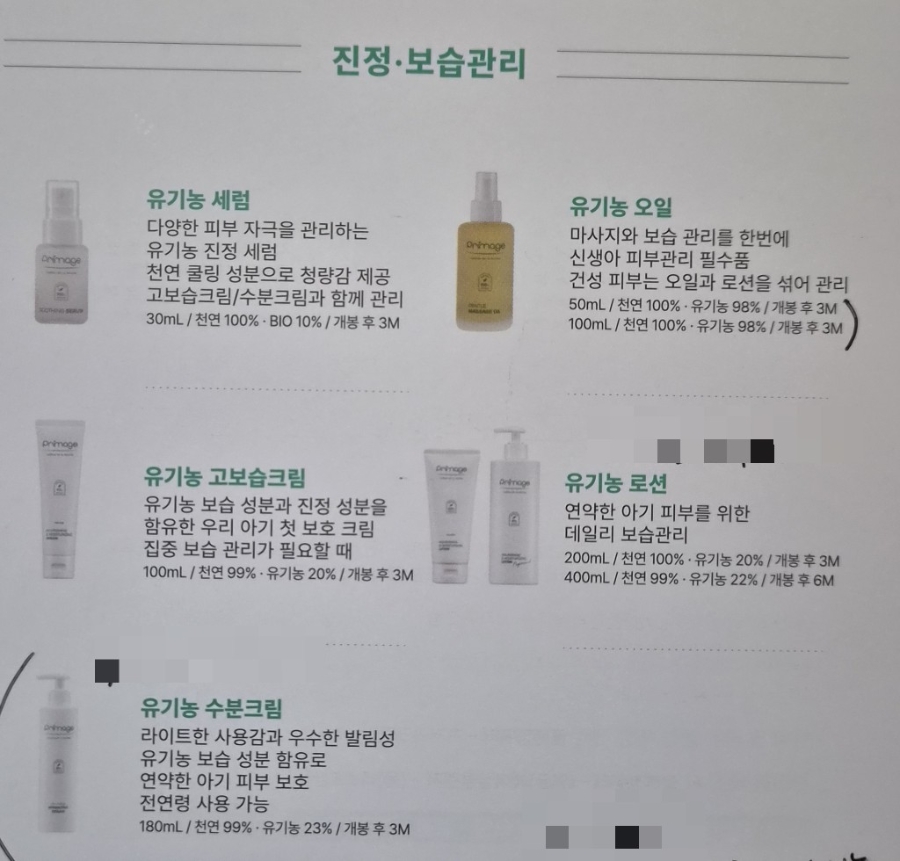
The class also showed products to use when a baby's face feels warm or the skin is dry. They explained the order as first hydrating the skin with a serum, then moisturizing with a rich cream so it doesn't dry out. Hearing which product to use first and in what situation, while looking at the actual products, made it much easier to understand than words alone.
That said, newborn skin varies so much from baby to baby. I thought it would be better to start with small amounts and watch how the skin reacts rather than applying a lot from the start.
The product talk after class, and why I chose the basic 7-piece set
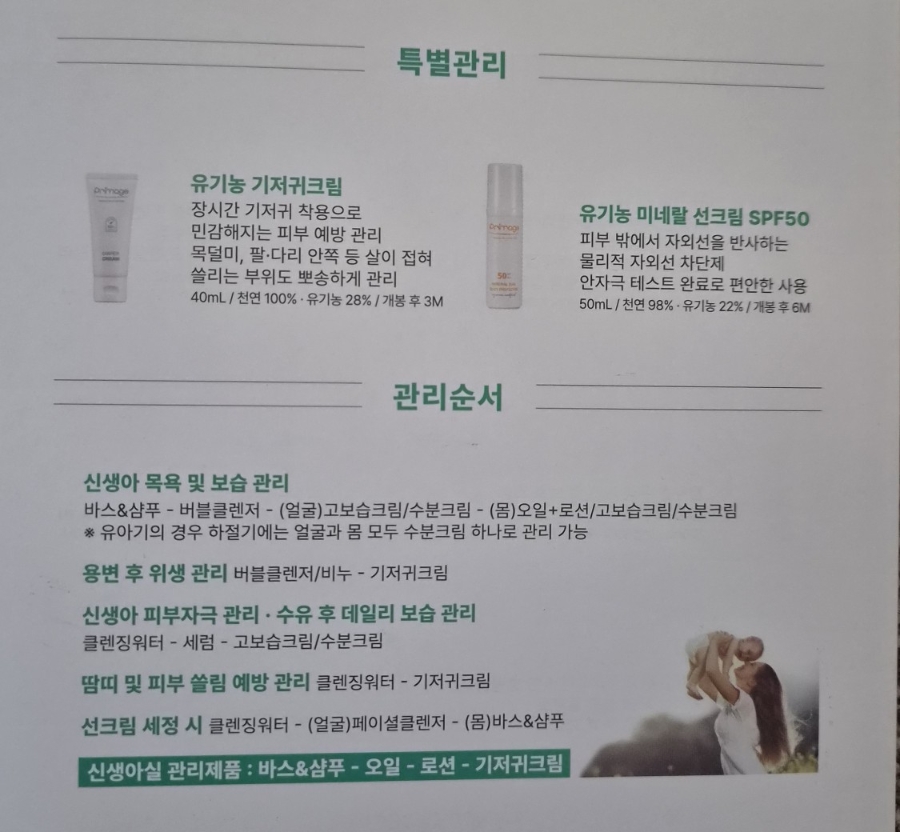
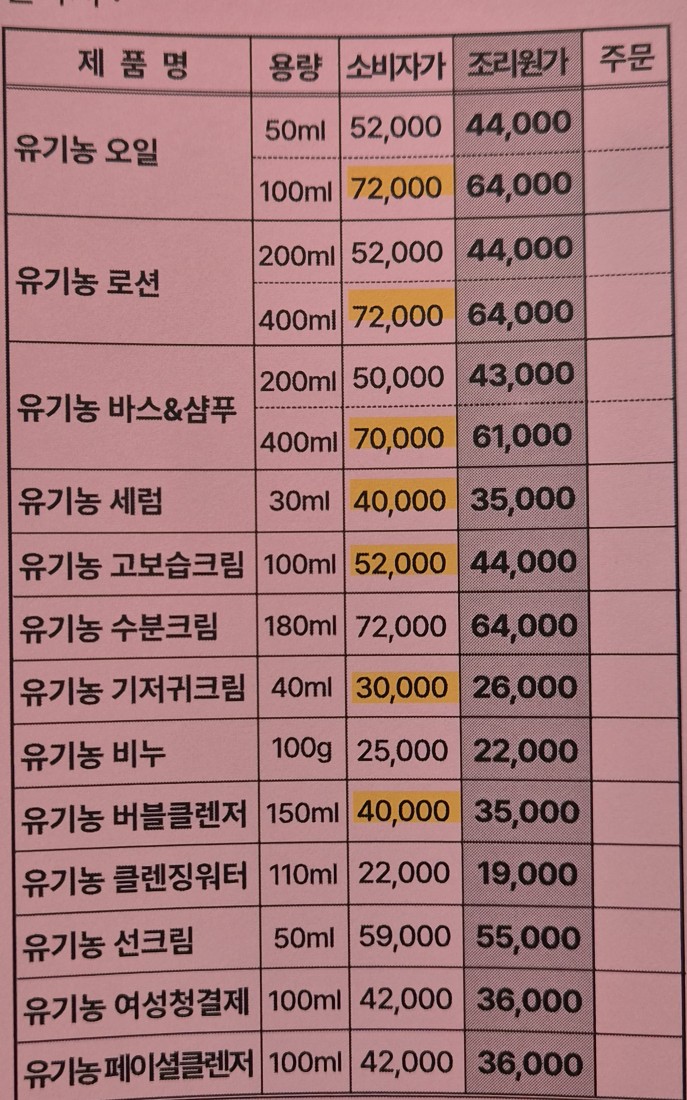
After the massage and skin care explanations came an introduction to Primaje products available at the postpartum center, along with the center's discount prices. Honestly, from this point on it felt less like a class and more like a product introduction combined with a sales pitch.
Rather than buying lots of things right away, I thought it would be better to try them first and see whether they suit my baby's skin, so after some thought I bought only the Primaje basic 7-piece set for now. Being able to get it at the center's discount price was part of it, and since I figured we'd need things like baby lotion, cream and cleanser once we got home anyway, I decided to try one set first.
Since I've only just bought it, I'll need to use the products more before I can say whether they're really good. So rather than a Primaje product review, this post is a record of the baby massage and newborn skin care class I took at the postpartum center, plus a note on buying the 7-piece set. I paid for the set myself.
This box contains affiliate links. If you book through them, Mudung may earn a commission at no extra cost to you.
 Read nextMore like thisHair Salon near Ewha: Scalp Check and a Long Layered TrimRead →