At Hwanggeum Haemul Nurungji-tang in Bijeon-dong, Pyeongtaek, I had the abalone emperor nurungji-tang bubbling in a stone pot and Jirisan black pork glutinous rice tangsuyuk. Menu prices, parking, and the waitlist system.
In this article Show
- On a chilly day, nurungji-tang bubbling in a stone pot
- On Bijeon 4-ro, with plenty of parking and a waitlist kiosk
- A bright interior and three kinds of nurungji-tang to choose on a tablet
- The abalone emperor nurungji-tang, finished with a loud sizzle
- Jirisan black pork glutinous rice tangsuyuk, crispy outside and chewy inside
- When you want a hot meal that isn't gukbap or jjigae
On a chilly day, nurungji-tang bubbling in a stone pot
When the mornings and evenings get a little chilly, you naturally start craving something hot. This time I went to Hwanggeum Haemul Nurungji-tang (황금해물누룽지탕), a place in Pyeongtaek that does seafood nurungji-tang (scorched rice soup) properly.
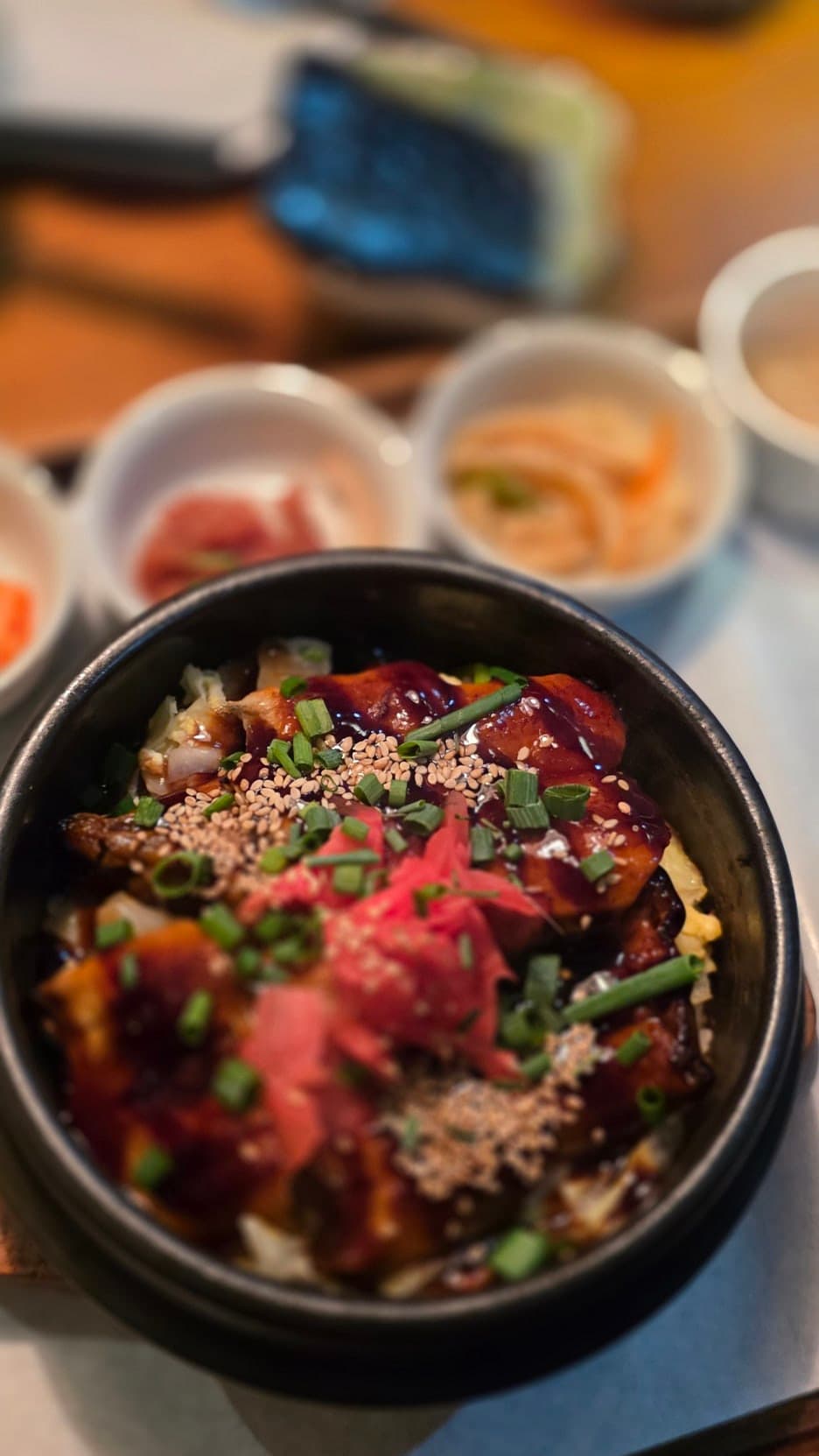
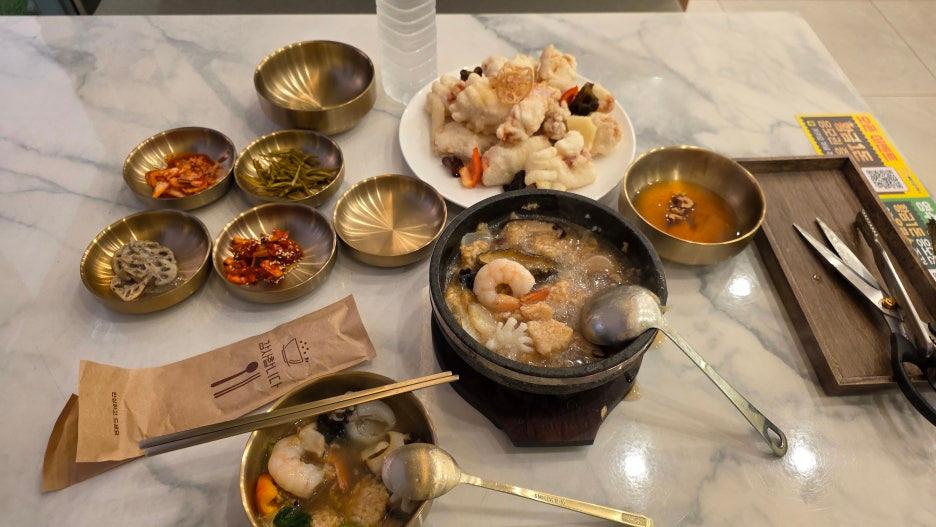
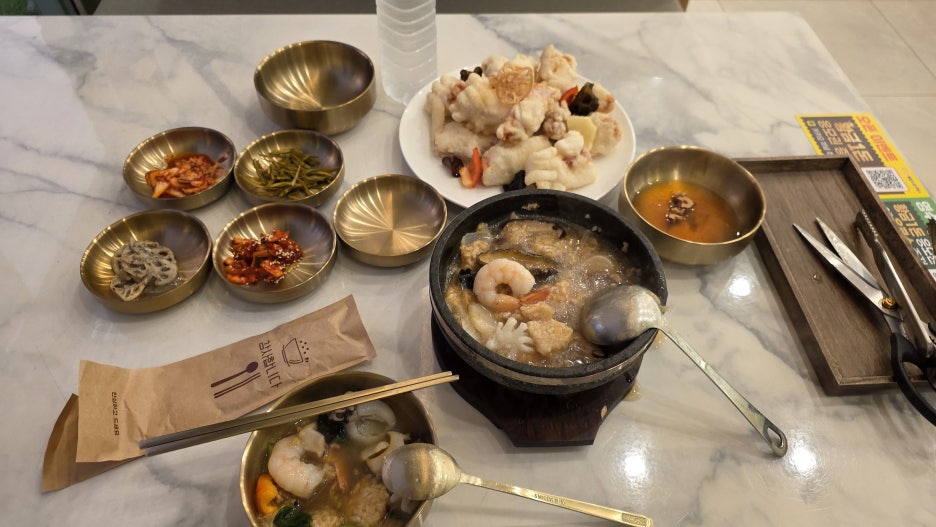
The visual alone, arriving bubbling away in a stone pot, made quite an impression. For lunch I had the abalone emperor nurungji-tang together with Jirisan black pork glutinous rice tangsuyuk (sweet and sour pork), and alternating between the hot, thick broth and the crispy, chewy fried pork made for a very satisfying meal.
Below I've covered how to get there, parking, the waitlist system, the atmosphere and how to order, and then the flavor and texture of both dishes in the order I ate them. There are three kinds of nurungji-tang, so on a first visit you may wonder which to choose, and I've noted the price and ingredient differences too.
On Bijeon 4-ro, with plenty of parking and a waitlist kiosk
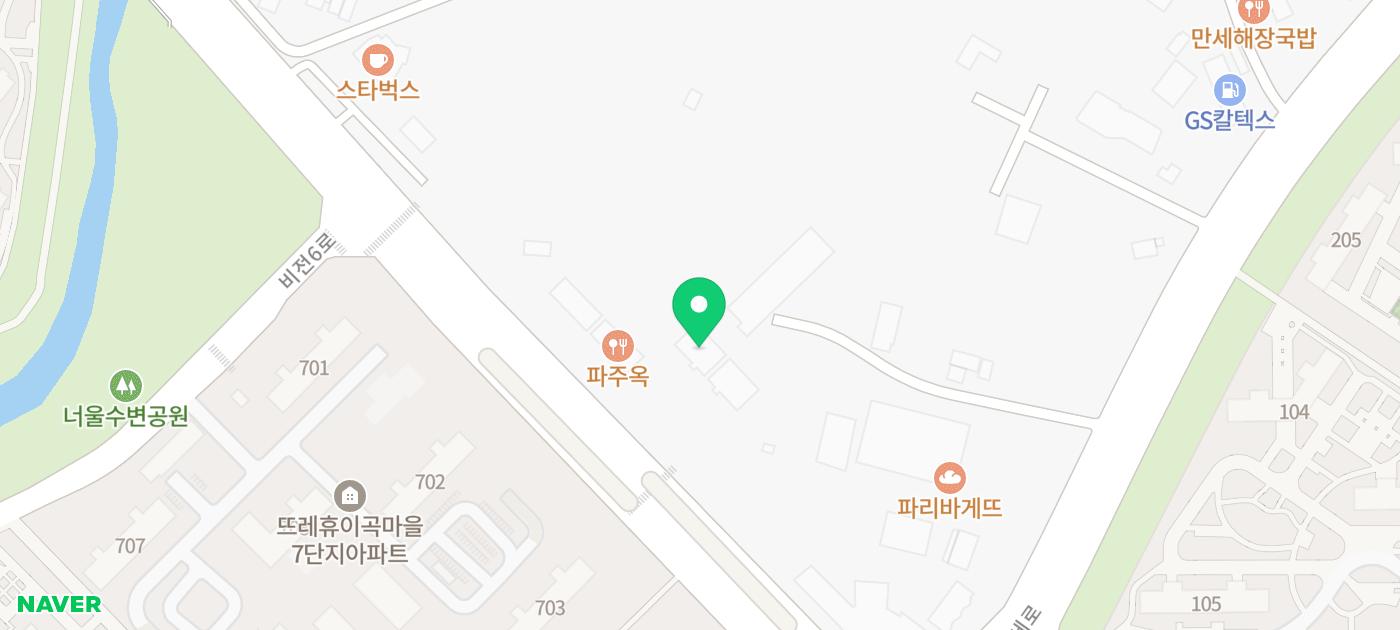
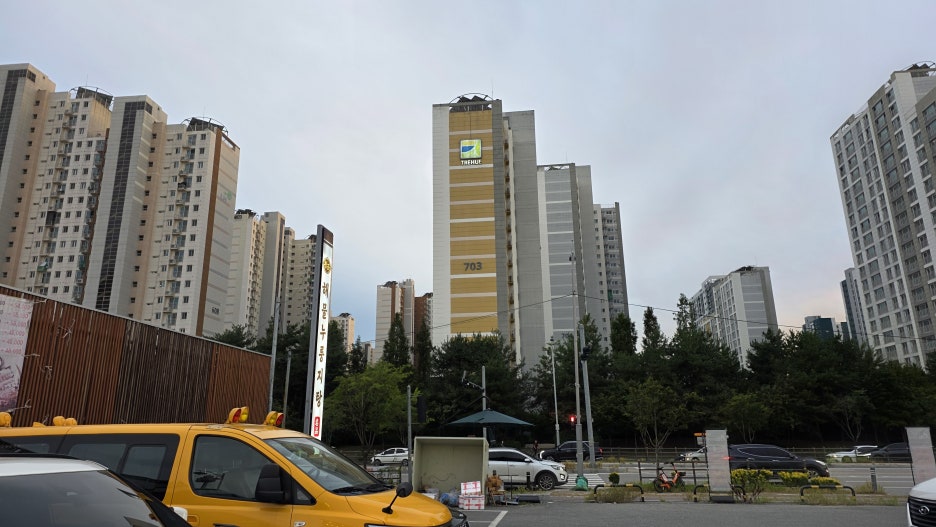
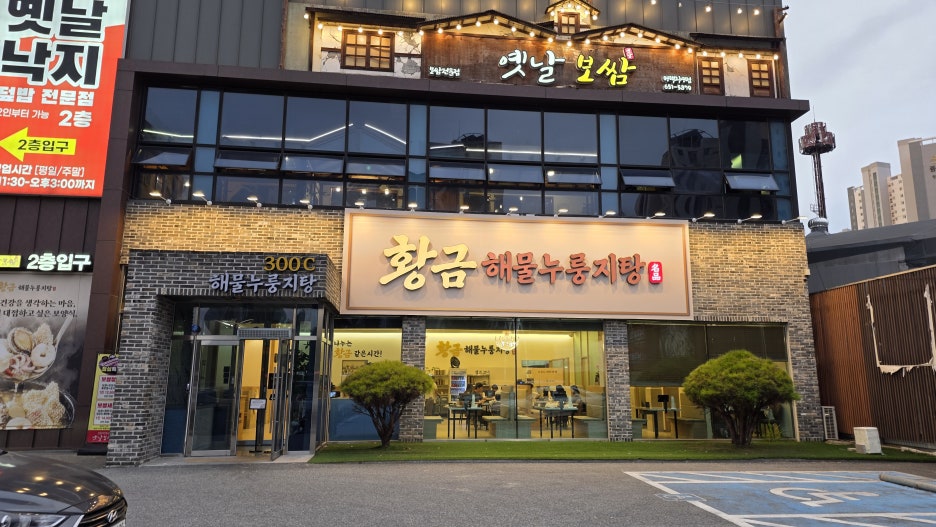
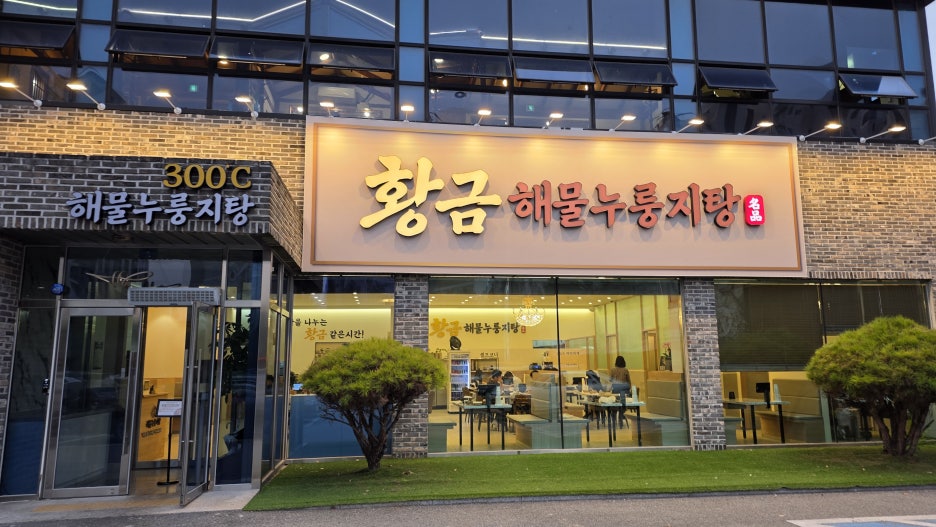
Hwanggeum Haemul Nurungji-tang is on the 1st floor of Building Na (나동), 160 Bijeon 4-ro, Pyeongtaek-si, Gyeonggi-do. It's conveniently located if you're coming from Bijeon-dong, Dongsak-dong, or the Sosabeol area.
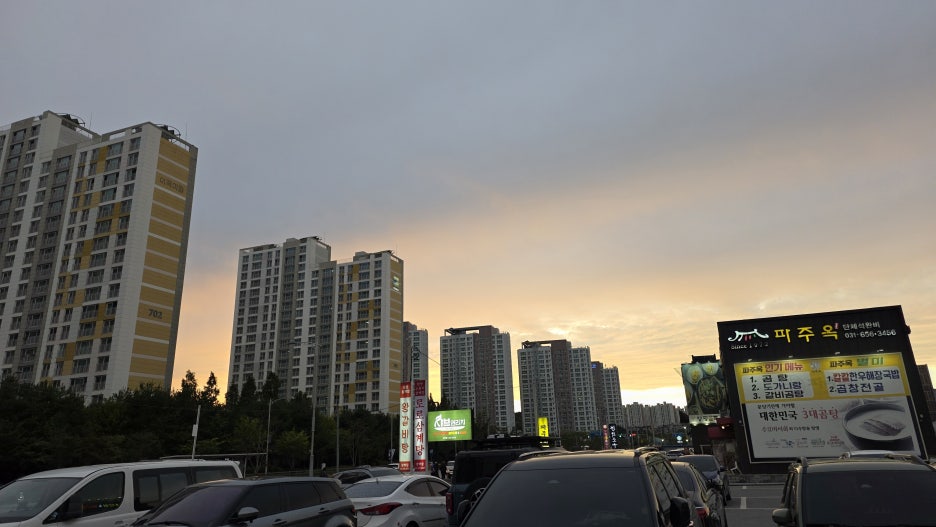
There's a wide area in front of the restaurant where you can park. When I drive somewhere to eat, parking is always the first worry, so this was definitely convenient. It's an easy setup for a family meal out or a quick drive over at lunchtime.
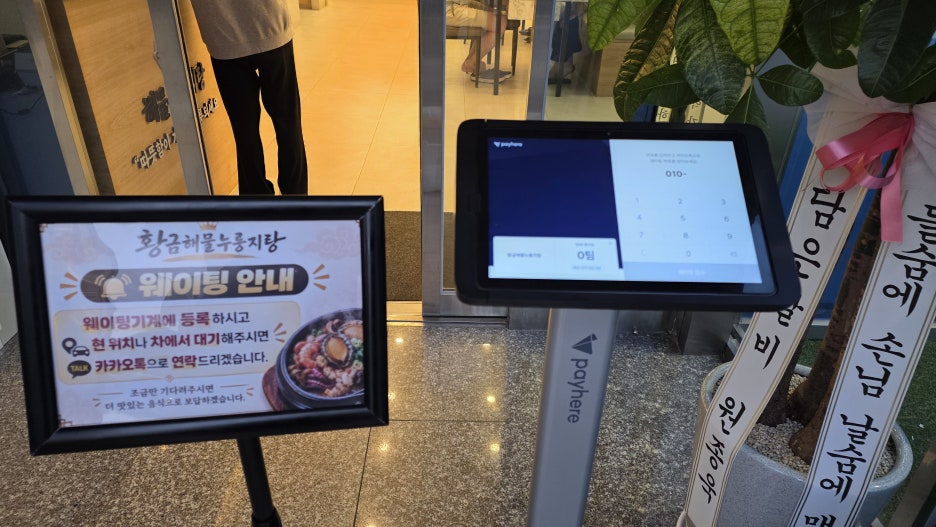
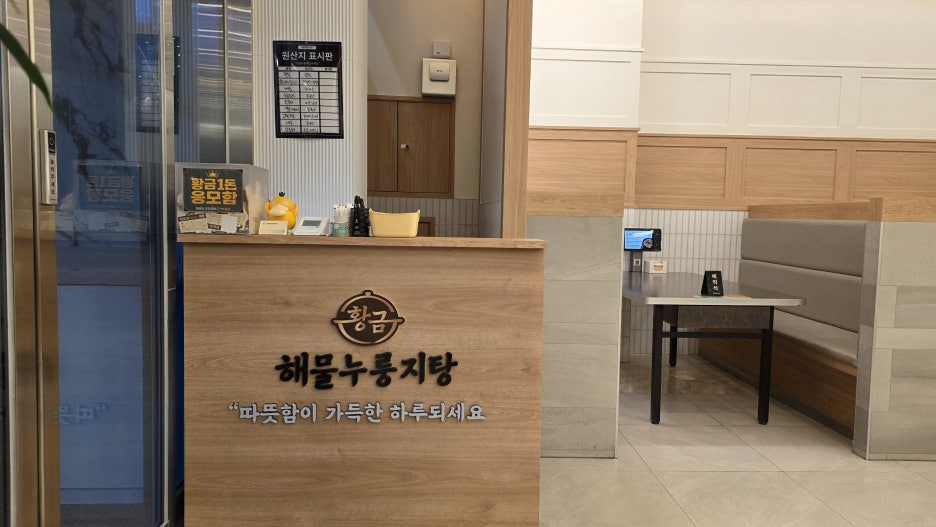
A separate waitlist kiosk stands at the entrance. During busy hours you register your phone number and wait, so there seemed to be no need to keep standing in front of the restaurant. When I visited, customers kept coming in nonstop. If you go at mealtime, it's probably wise to register as soon as you arrive.
A bright interior and three kinds of nurungji-tang to choose on a tablet
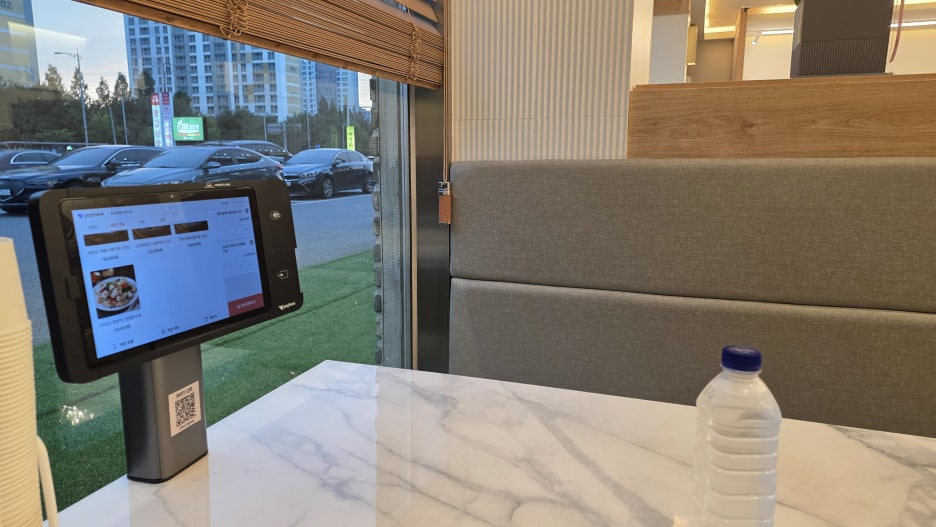
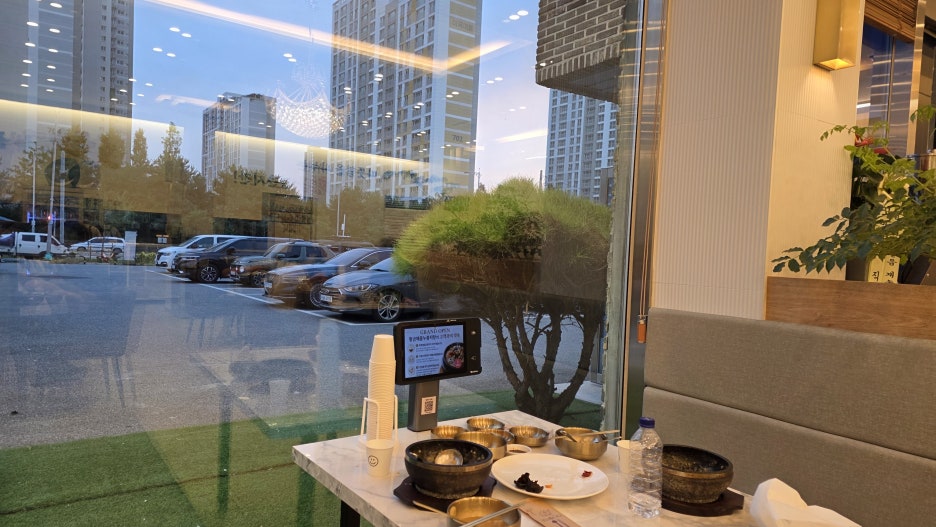
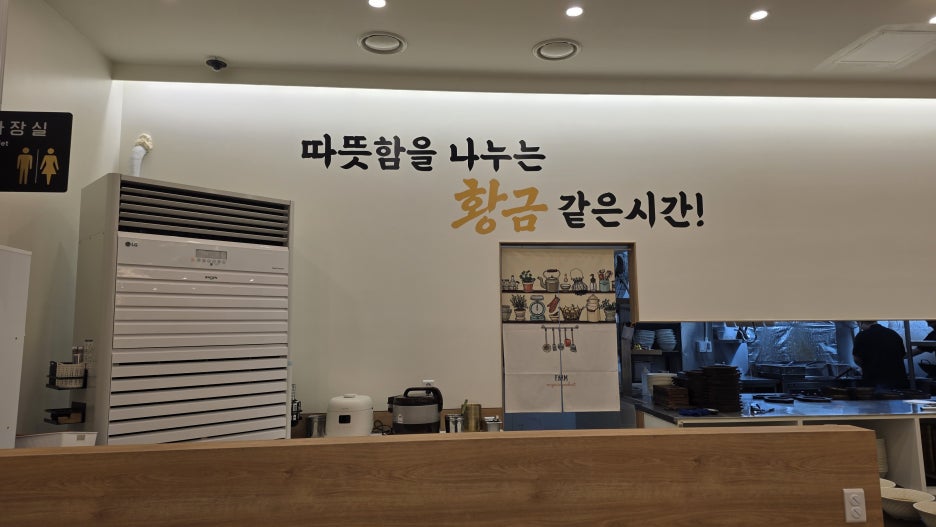
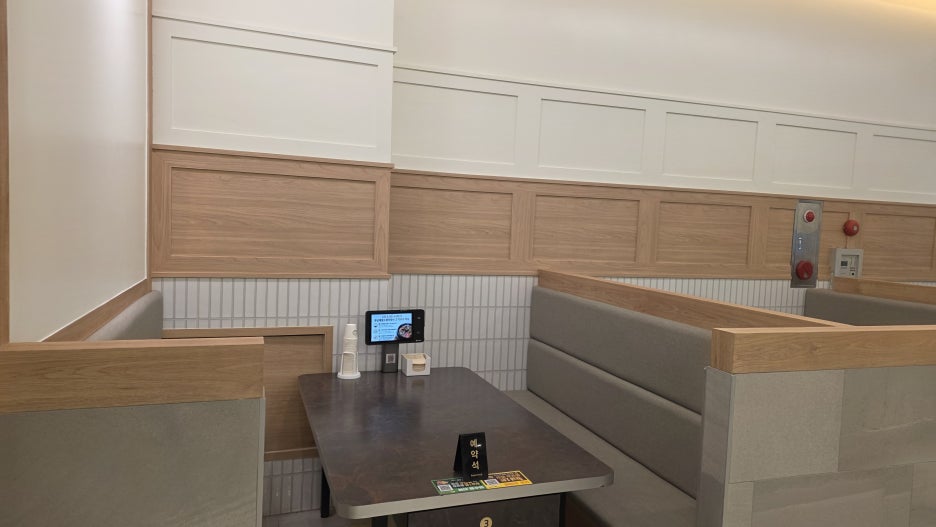
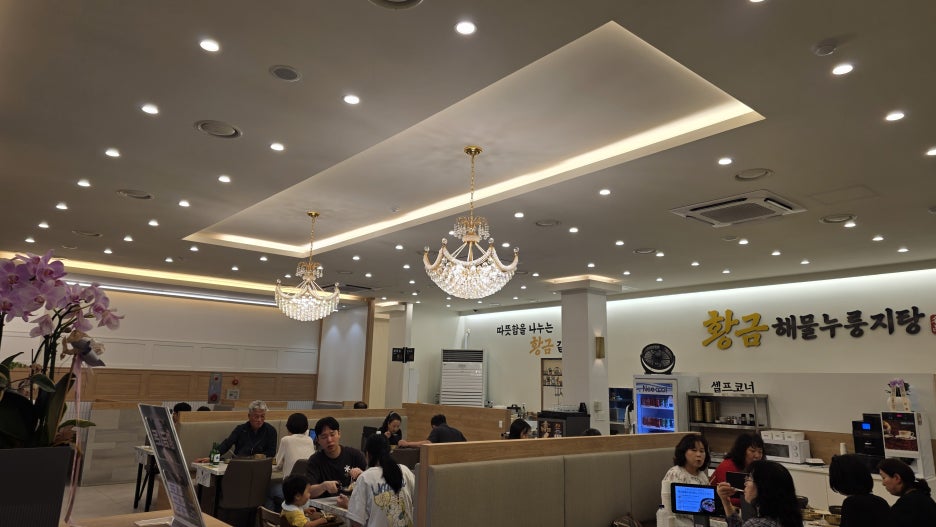
The interior is bright overall and gives a clean impression. The tables weren't crammed together, and the window side has a nice open view outside, so the dining atmosphere was pleasant.
Each table has a tablet for ordering, so I could take my time looking over the menu and order without calling a server. That style really is convenient these days. Flipping through the menu photos also made it easy to discuss with my companion what to share.
The nurungji-tang comes in three main types: 300-degree seafood nurungji-tang, cultivated wild ginseng root (sansam baeyanggeun) nurungji-tang, and abalone emperor nurungji-tang. The basic seafood nurungji-tang is 18,000 won and the wild ginseng root version is 22,000 won, so you can pick according to your taste. Going up from the basic seafood version to wild ginseng root and then abalone, the price rises by 4,000 won each step, so it comes down to how generously you want to enjoy your seafood.
That day I ordered the abalone emperor nurungji-tang at 26,000 won per person and the Jirisan black pork glutinous rice tangsuyuk at 24,000 won. All prices are as of my visit.
The abalone emperor nurungji-tang, finished with a loud sizzle
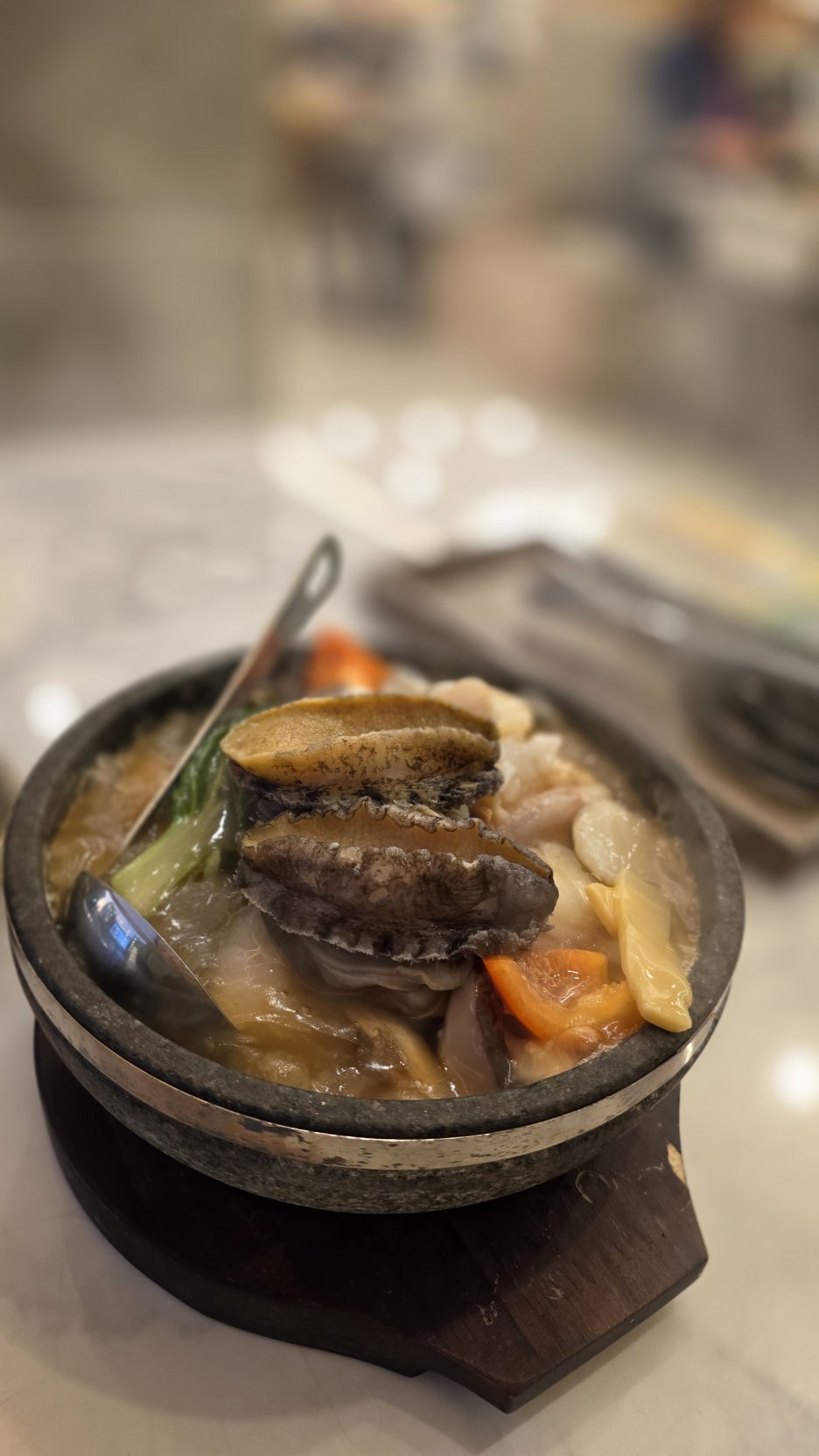
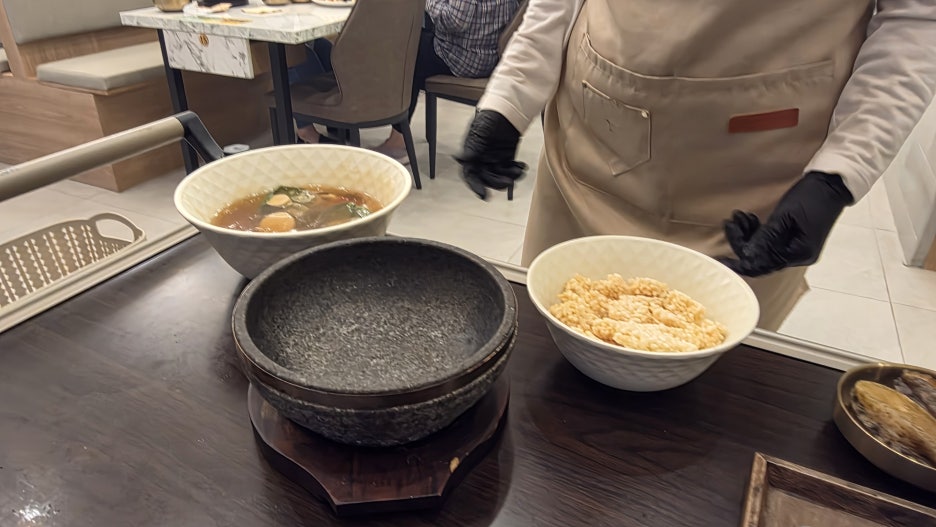
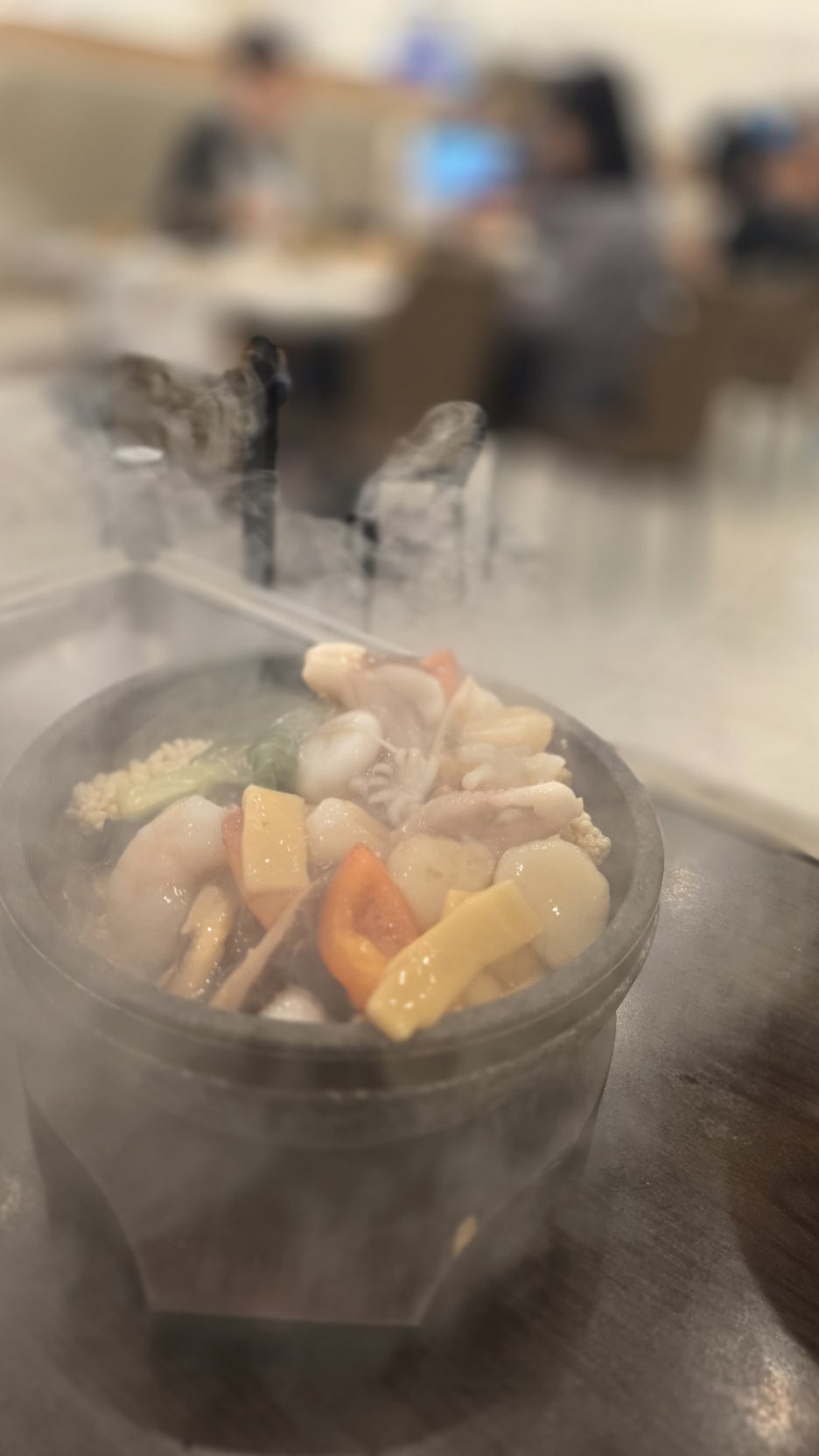
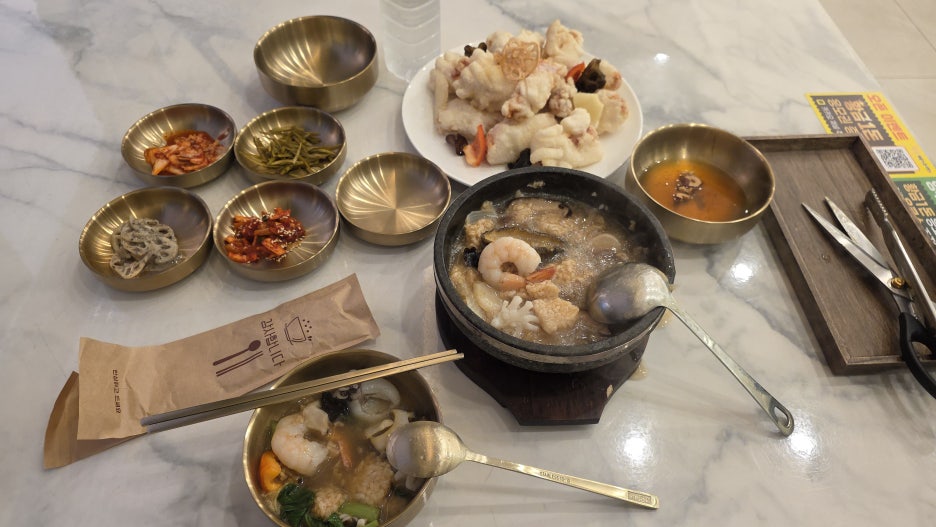
After a short wait, the nurungji-tang came out in its stone pot. It arrives at the table truly boiling hot. The server pours the seafood soup over the scorched rice, and at that moment it sizzles loudly and a cloud of steam rises up, which really got my appetite going. I think this scene is exactly the fun of eating seafood nurungji-tang.
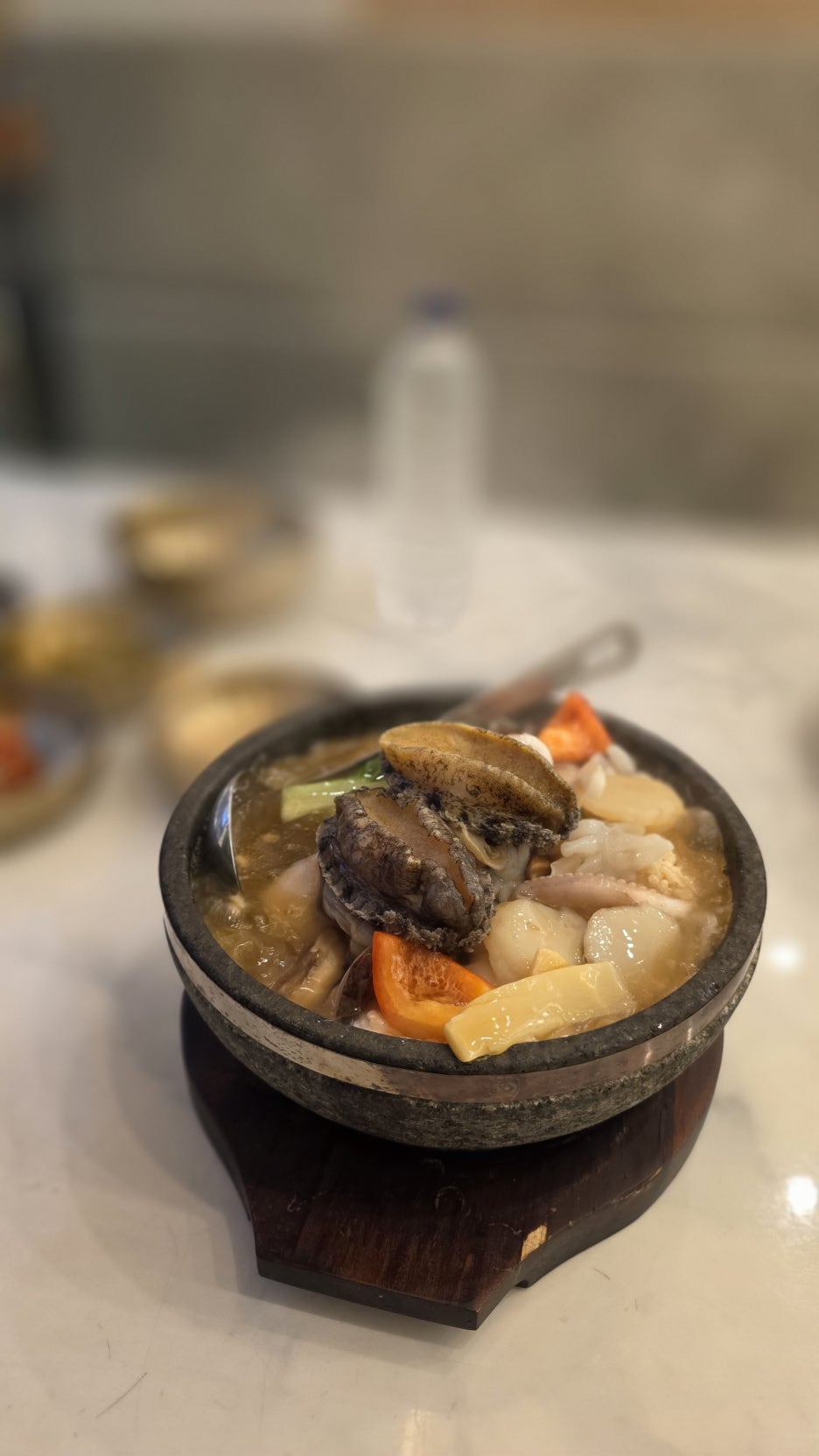
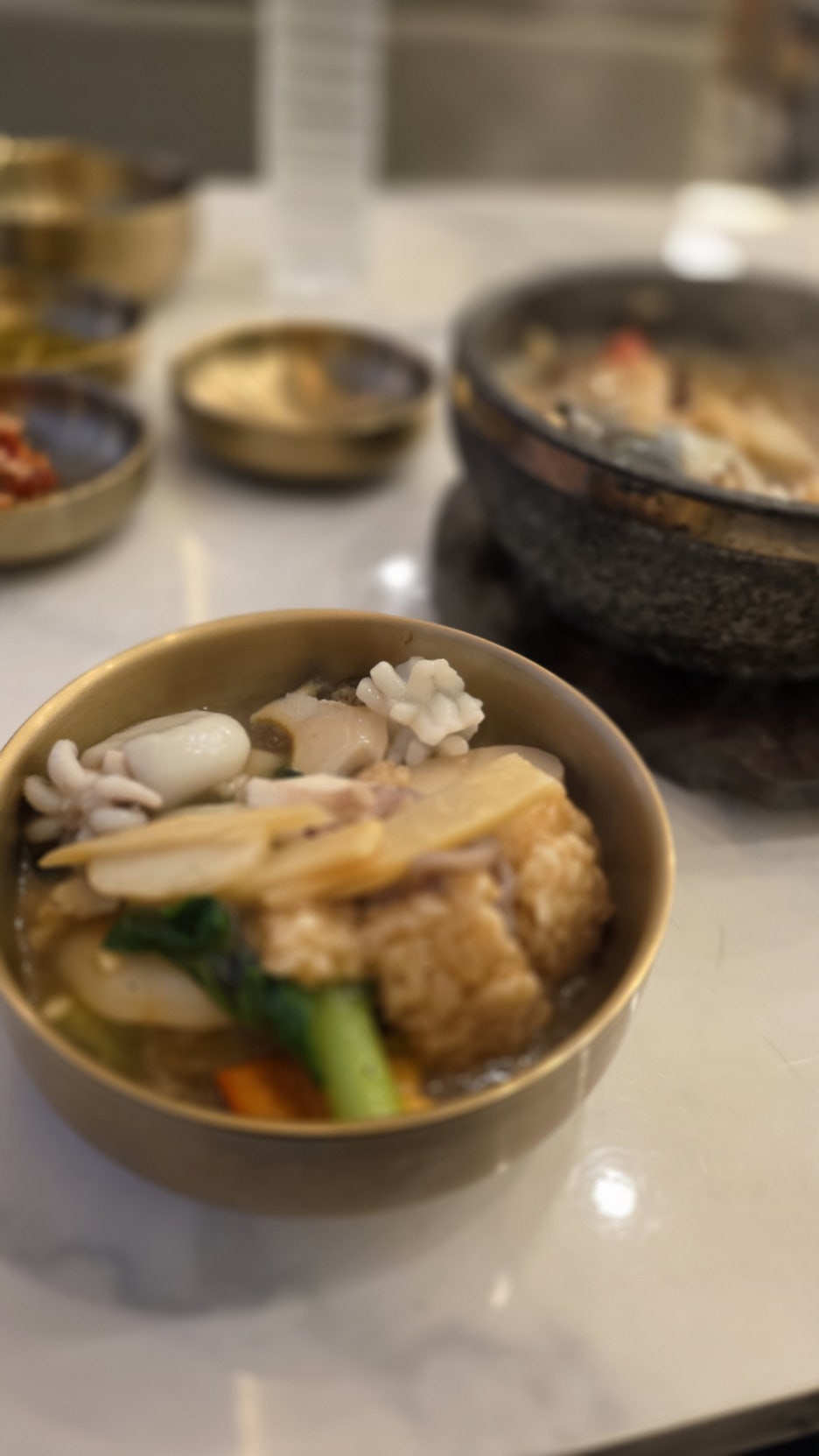
True to its name, the abalone emperor nurungji-tang had big abalone on top. Underneath were shrimp, squid, and various other seafood, plus a generous amount of vegetables. With whole abalone in it, it looked clearly more lavish than the basic seafood nurungji-tang.
The broth was thick, with a deep savory flavor drawn from the seafood. The scorched rice, crispy at first, gradually turns soft and chewy as it soaks up the broth, and I enjoyed how the texture changes over time. If you eat a few spoonfuls of the crispy rice right after the soup is poured, and later have the chewy rice that has fully absorbed the broth, you get two different flavors from the same pot.
Picking out the seafood piece by piece and then taking a spoonful of scorched rice soaked through with broth warms you right to your core. The portion was bigger than I expected, making it a very filling meal. The fun of picking out seafood and the fun of scooping up scorched rice kept alternating, so I never got bored right to the end.
Jirisan black pork glutinous rice tangsuyuk, crispy outside and chewy inside
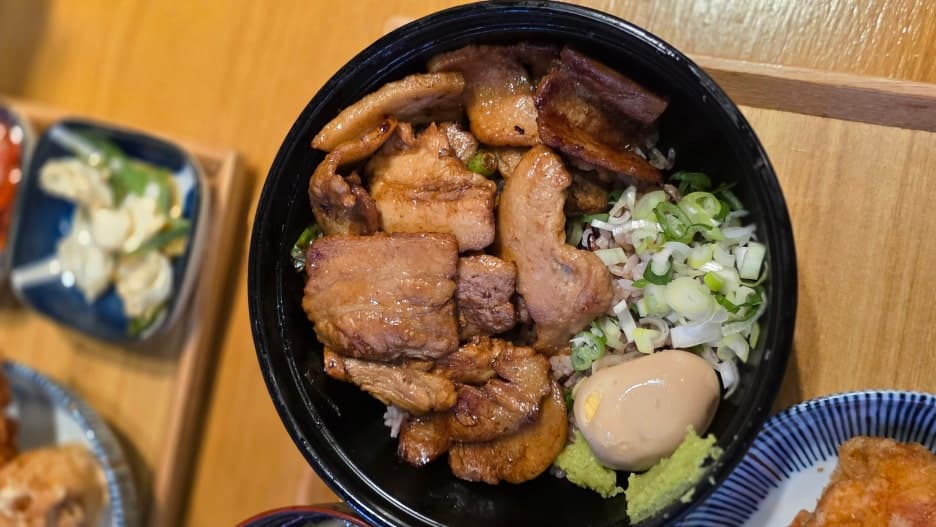
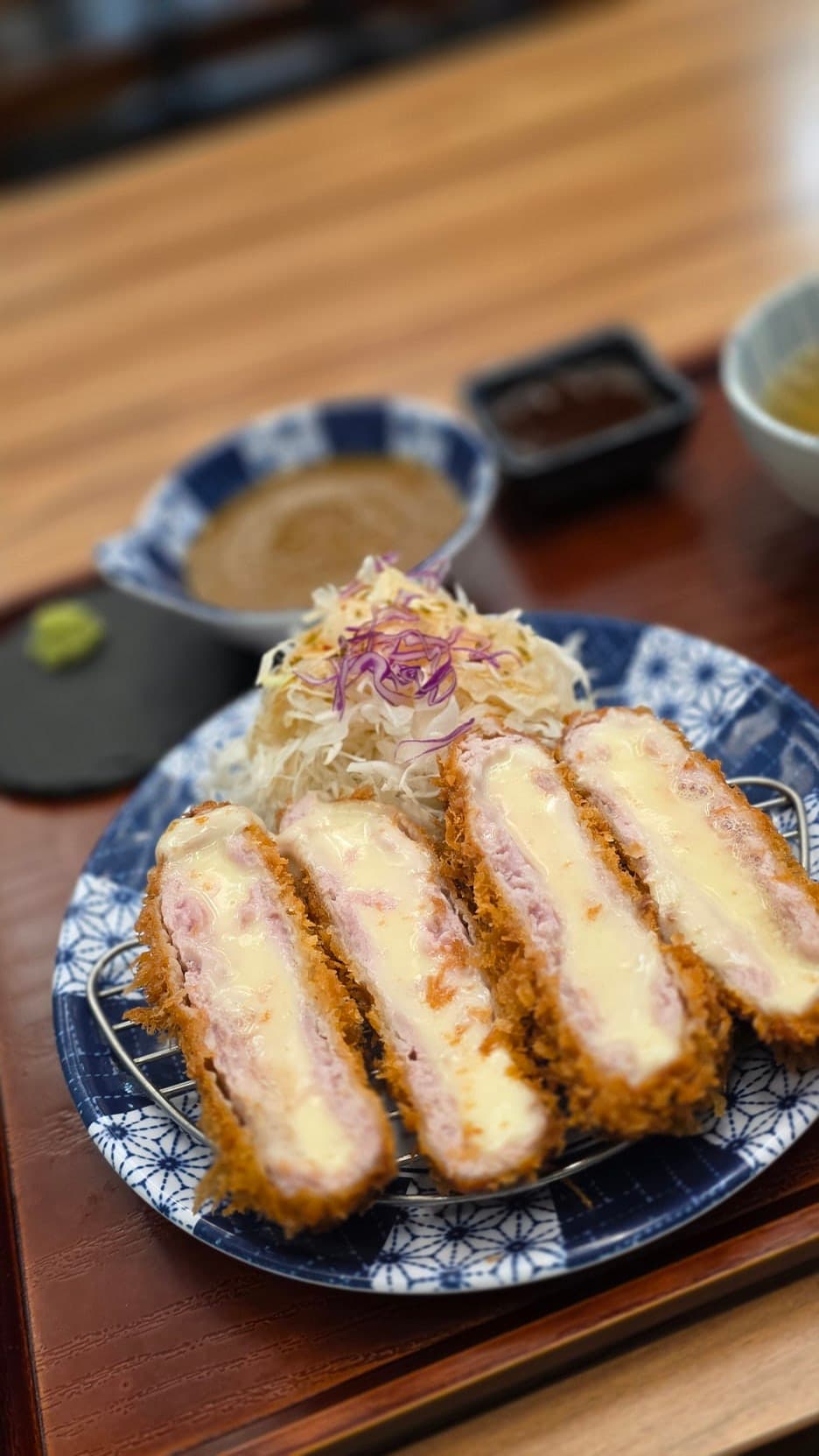
The Jirisan black pork glutinous rice tangsuyuk I ordered alongside also paired well with the nurungji-tang. The bite-sized fried pork had the distinctive chewiness of glutinous rice, so it felt a little different from the usual tangsuyuk.
It's crispy on the outside and chewy inside, and the meat is tender. So I kept reaching for one more piece. Eating only the nurungji-tang could mean one soft texture after another, but adding tangsuyuk here and there really brought the textures to life.
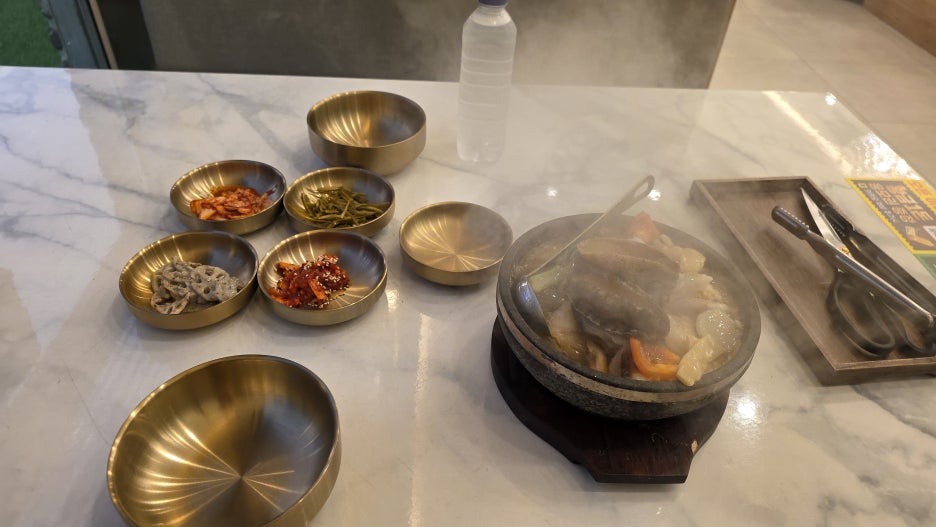
If two people go, ordering one nurungji-tang and the glutinous rice tangsuyuk to share looks like a good combination. The basic banchan (side dishes) were also clean and tidy, good for refreshing the palate in between. Going back and forth between the thick broth and fried pork could get heavy, but thanks to the side dishes I could finish cleanly right to the end.
When you want a hot meal that isn't gukbap or jjigae
After eating hot scorched rice and seafood plus chewy glutinous rice tangsuyuk in one meal, I was fuller than I expected. If you're in Pyeongtaek looking for a hot dish that's a bit different from the usual gukbap (soup with rice) or jjigae (stew), it's worth a stop.
If you especially love seafood, the abalone emperor nurungji-tang looks great and is fun to eat, so it's worth ordering at least once. Next time I plan to try the basic 300-degree seafood nurungji-tang or the wild ginseng root nurungji-tang. Even with the same stone-pot method, comparing how the broth changes depending on the ingredients should be fun.
Check opening hours and closing days on the map before you go.
This box contains affiliate links. If you book through them, Mudung may earn a commission at no extra cost to you.
 Read nextSame neighborhoodPyeongtaek Car Inspection: Fees and Process at Sejin₩40,000Read →
 Read nextSame neighborhoodPyeongtaek Sejin Vehicle Inspection Center | A Regular Inspection with Fees Posted on the Wall₩5,000Read →