Where can you find comforting hot soup in Bundang, Pangyo and Seongnam? Compare 15 personally visited spots for noodles, hot pots and gukbap.
| Place | Dish | Price |
|---|---|---|
| Mimyeonjeong Seohyeon (미면정 서현점) — Seohyeon | Baekban (home-style set meal) | ₩21,800 |
| Sammidang Jeongja (삼미당 정자점) — Jeongja | Ramen | ₩14,000 |
| Ho Chinese Restaurant (호차이니즈 레스토랑) — Yatap | Jajangmyeon | ₩8,000 |
| Gohyang Kimchi Jeongol Bundang (고향김치전골 분당직영점) — Ori | Jeon (savory pancakes) | ₩25,000 |
| Suaega Cheonggyesan (수애가 청계산본점) — Cheonggyesan, Sujeong-gu | Steak | ₩15,000 |
| Sanseong Haejang Gukbap Dandaeogeori (산성해장국밥 단대오거리점) — Old Seongnam, Geumgwang-dong | Gukbap (rice in hot soup) | ₩9,000 |
One dish per place. The full price list follows each section.
Each photo opens the full review of that place, written after our own visit. A few are available in Korean only.
In this article Show
- At a Glance
- Mild and Comforting Broths
- Sugyeok Main Branch (수계옥 본점)
- Mimyeonjeong Seohyeon (미면정 서현점)
- Oksoban Bundang Seohyeon (옥소반 분당서현점)
- Hyeonpung Dak Kalguksu (현풍닭칼국수)
- Sammidang Jeongja (삼미당 정자점)
- Myeongpum Paju (명품파주)
- Bold and Spicy
- Ho Chinese Restaurant (호차이니즈 레스토랑)
- Jjamppong Jijeon Sunae (짬뽕지존 수내점)
- Horangigul Seohyeon (호랑이굴 서현점)
- Uju Budaejjigae (우주부대찌개)
- Gohyang Kimchi Jeongol Bundang (고향김치전골 분당직영점)
- Hearty Rice Soups
- Yeokjeon Gukbap (역전국밥)
- Suaega Cheonggyesan (수애가 청계산본점)
- Myeongbaekjip West Pangyo (명백집 서판교점)
- Sanseong Haejang Gukbap Dandaeogeori (산성해장국밥 단대오거리점)
- How to Choose a Hot Soup Restaurant in Bundang and Seongnam
Looking for something steaming hot on a cold day in Bundang, Pangyo or Seongnam? This guide brings together 15 restaurants I personally visited, organized by neighborhood and soup style. From spicy jjamppong and bubbling hot pots to mild shabu-shabu, chicken soup, Japanese ramen and hearty Korean rice soups, there is something for different tastes and occasions.
All prices reflect the time of my visit. Restaurants where meals were provided by the business are individually disclosed below.
At a Glance: 15 Hot Soup Restaurants
| Restaurant | Area | Signature Dish | Price (at Time of Visit) |
|---|---|---|---|
| Ho Chinese Restaurant (호차이니즈 레스토랑) | Yatap | Oyster jjamppong | - |
| Jjamppong Jijeon Sunae (짬뽕지존 수내점) | Sunae | Jijon jjamppong | - |
| Sugyeok Main Branch (수계옥 본점) | Migeum | Neungi mushroom chicken hot pot set for two with nurungji porridge and kalguksu | ₩36,000 |
| Horangigul Seohyeon (호랑이굴 서현점) | Seohyeon | Beef intestine hot pot | - |
| Uju Budaejjigae (우주부대찌개) | Ori | Minari and Super budaejjigae | Under ₩30,000 combined |
| Gohyang Kimchi Jeongol Bundang (고향김치전골 분당직영점) | Ori | Small kimchi hot pot | ₩25,000 |
| Mimyeonjeong Seohyeon (미면정 서현점) | Seohyeon | Jeong Shabu set meal | ₩21,800 |
| Oksoban Bundang Seohyeon (옥소반 분당서현점) | Seohyeon | Shabu-shabu | From ₩16,900 |
| Hyeonpung Dak Kalguksu (현풍닭칼국수) | Yatap | Samgye chicken kalguksu | ₩11,500 |
| Yeokjeon Gukbap (역전국밥) | Yatap | Pork and rice soup | ₩10,000 |
| Suaega Cheonggyesan (수애가 청계산본점) | Cheonggyesan, Sujeong-gu | Intestine sundae soup | ₩11,000 |
| Myeongbaekjip West Pangyo (명백집 서판교점) | West Pangyo, Unjung-dong | Black pork gomtang | ₩10,000 |
| Sanseong Haejang Gukbap Dandaeogeori (산성해장국밥 단대오거리점) | Old Seongnam, Geumgwang-dong | Jangteo beef rice soup | ₩9,000 |
| Myeongpum Paju (명품파주) | Old Seongnam, Sujeong-gu | Herbal samgyetang | ₩15,000 |
| Sammidang Jeongja (삼미당 정자점) | Jeongja | Special shoyu ramen | ₩13,000 |
Mild and Comforting Broths: Chicken, Shabu-Shabu and Ramen
Sugyeok Main Branch (수계옥 본점) — Migeum
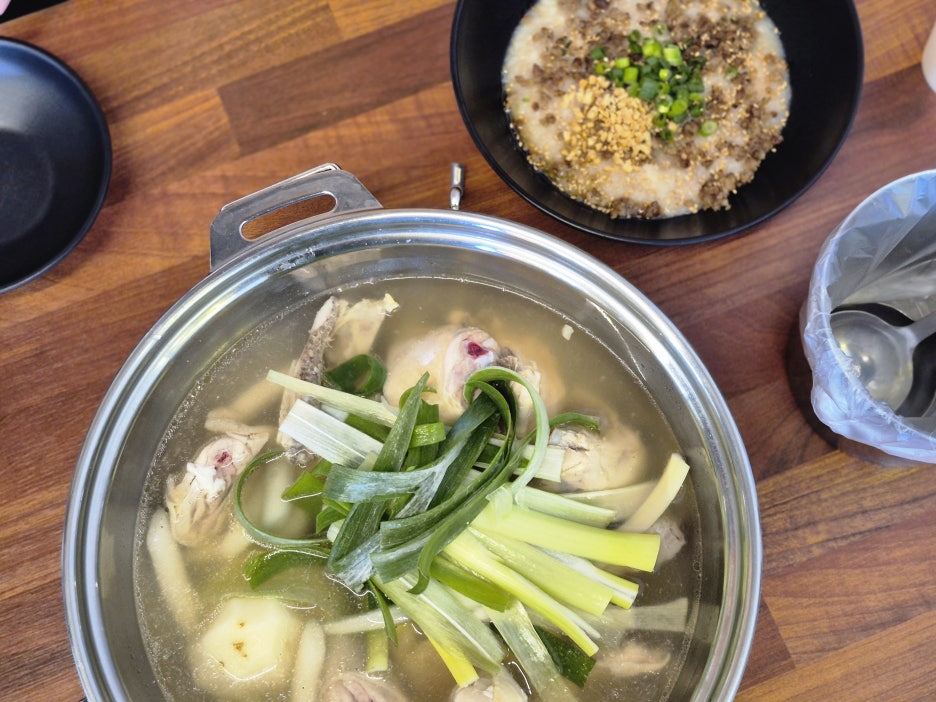
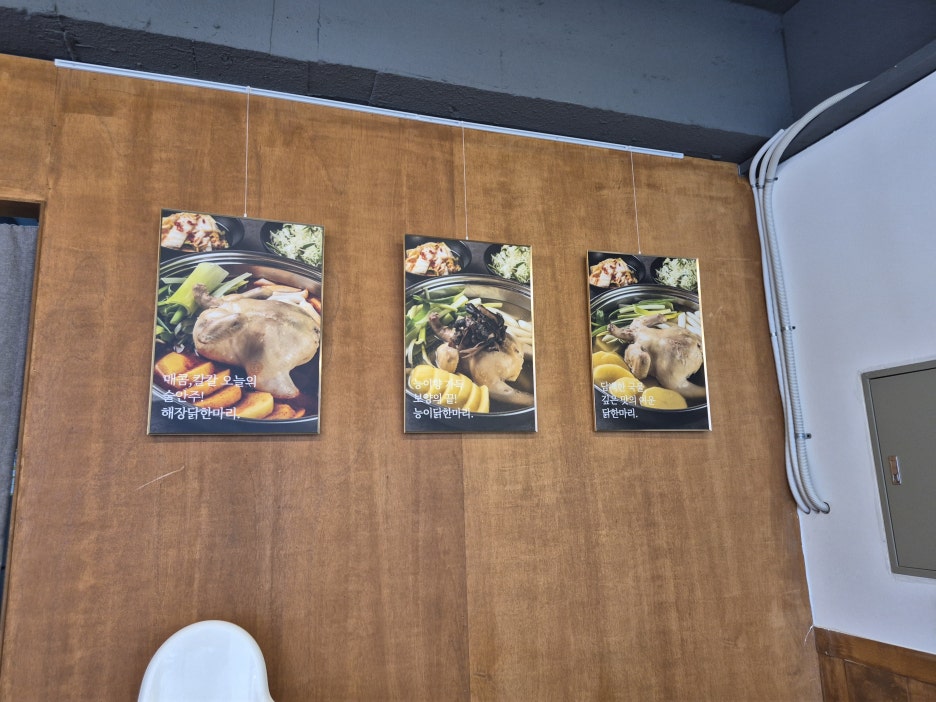
Sugyeok is a good choice around Migeum when you want a substantial chicken-based meal. It was about a five-minute walk from Migeum Station, and there was space for approximately five cars in front of the restaurant when I visited. I ordered the two-person set featuring neungi mushrooms, whole-chicken hot pot, scorched-rice porridge and knife-cut noodles for ₩36,000 at the time. The chicken was tender, and the fragrant mushroom broth tasted clean and lighter than a typical thick chicken soup. Staff set a timer to guide the order in which the ingredients should be eaten. The highlight is how the meal progresses from fragrant chicken broth to nutty scorched rice and finally kalguksu noodles in the same pot. The white kimchi was also memorable, and I would happily return. This restaurant was visited with a meal provided by the business.
Mimyeonjeong Seohyeon (미면정 서현점) — Seohyeon
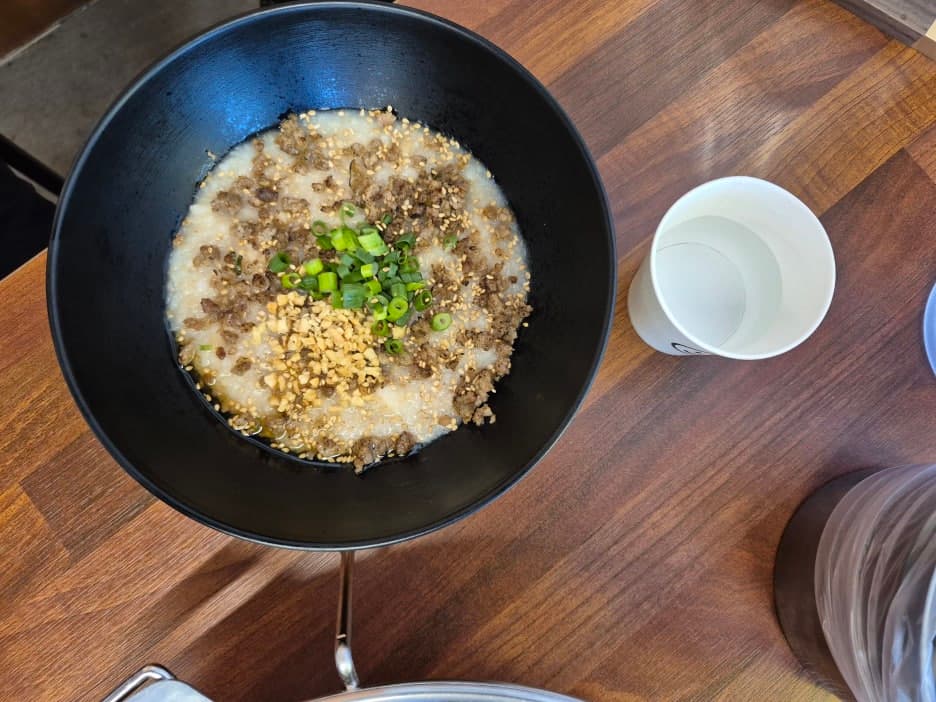
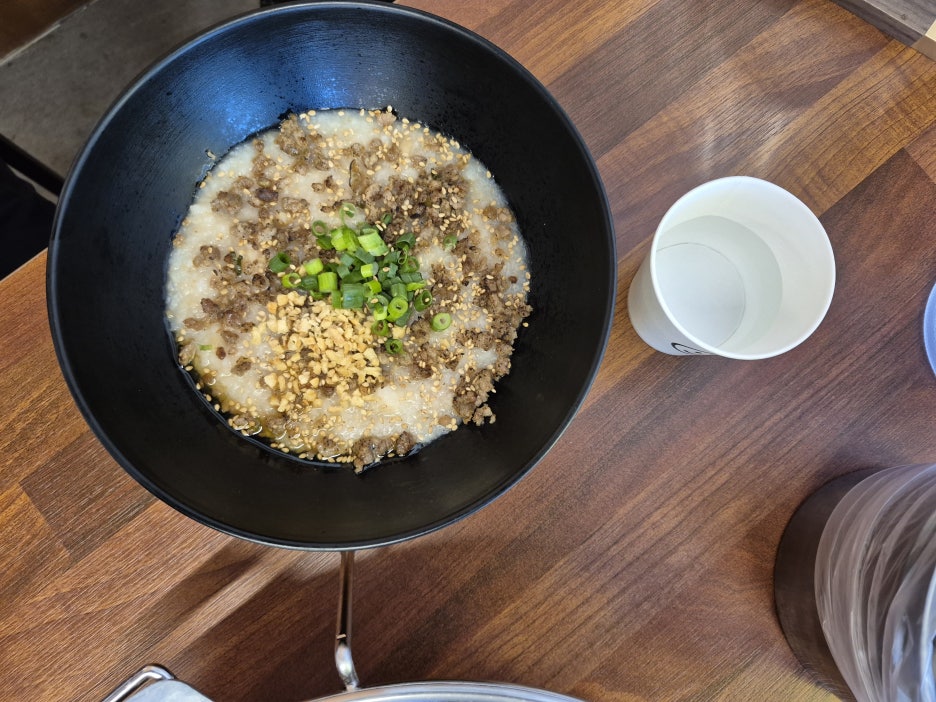
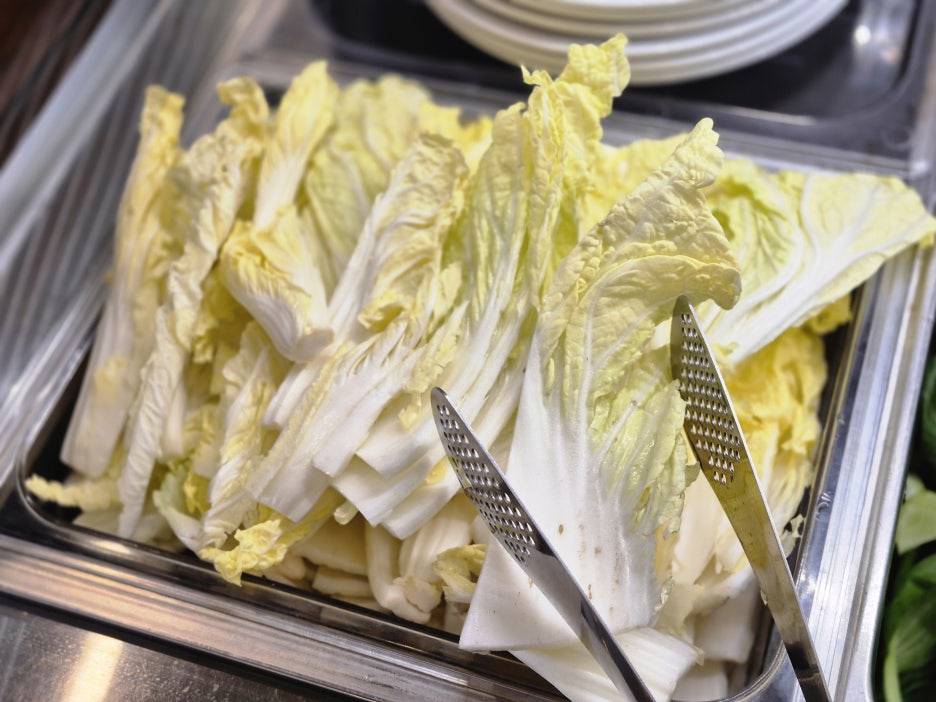
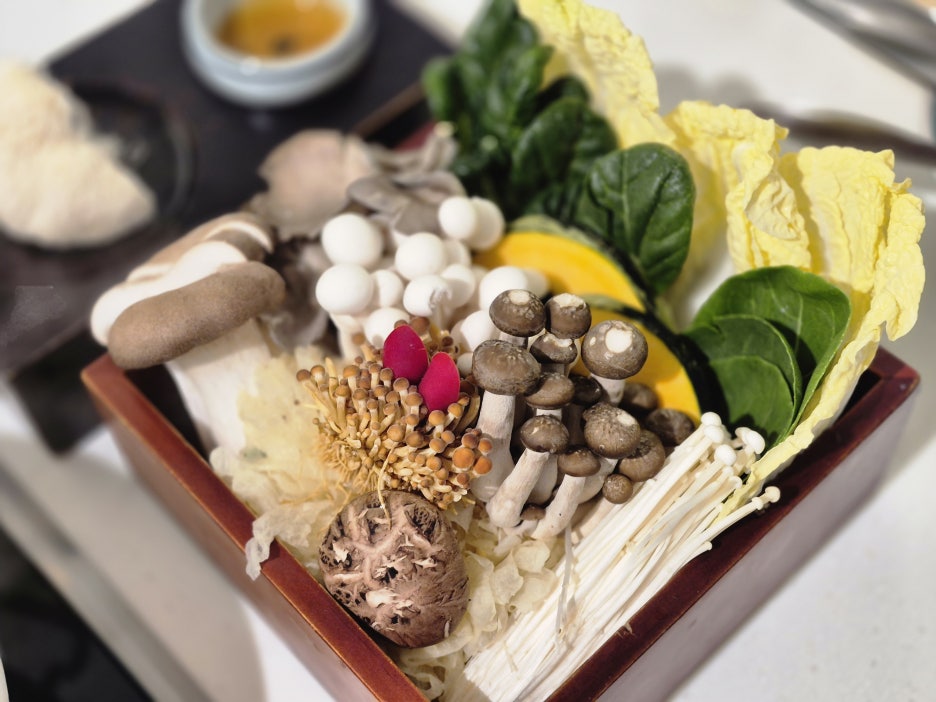
Mimyeonjeong is worth considering if you want a generous shabu-shabu meal near Seohyeon Station. It was approximately five minutes on foot from Exit 5, and the AK Plaza parking facility offered three hours of complimentary parking at the time of my visit. The Jeong Shabu set cost ₩21,800 per person and included beef, assorted vegetables, handmade kalguksu noodles and ingredients for porridge. The broth had a clean finish, while the self-service station allowed unlimited refills of vegetables, noodles, eggs and porridge ingredients. It is particularly appealing for diners who want plenty of vegetables followed by noodles and perilla-seed porridge. A certificate recognizing Korean cuisine master Jo Jae-min was displayed inside, and the staff carefully explained the menu and cooking steps. Spacious table arrangements also made the restaurant comfortable for families and groups. This restaurant was visited with a meal provided by the business.
| Baekban (home-style set meal) (정샤부정식) | ₩21,800 |
|---|---|
| Baekban (home-style set meal) (서울식 불고기 정식) | ₩19,800 |
| Baekban (home-style set meal) (정식) | ₩23,800 |
| Baekban (home-style set meal) (정식) | ₩21,800 |
| Baekban (home-style set meal) (정식) | ₩19,800 |
| Kalguksu (knife-cut noodles) (단품 칼국수와 들깨죽) | ₩3,000 |
Oksoban Bundang Seohyeon (옥소반 분당서현점) — Seohyeon
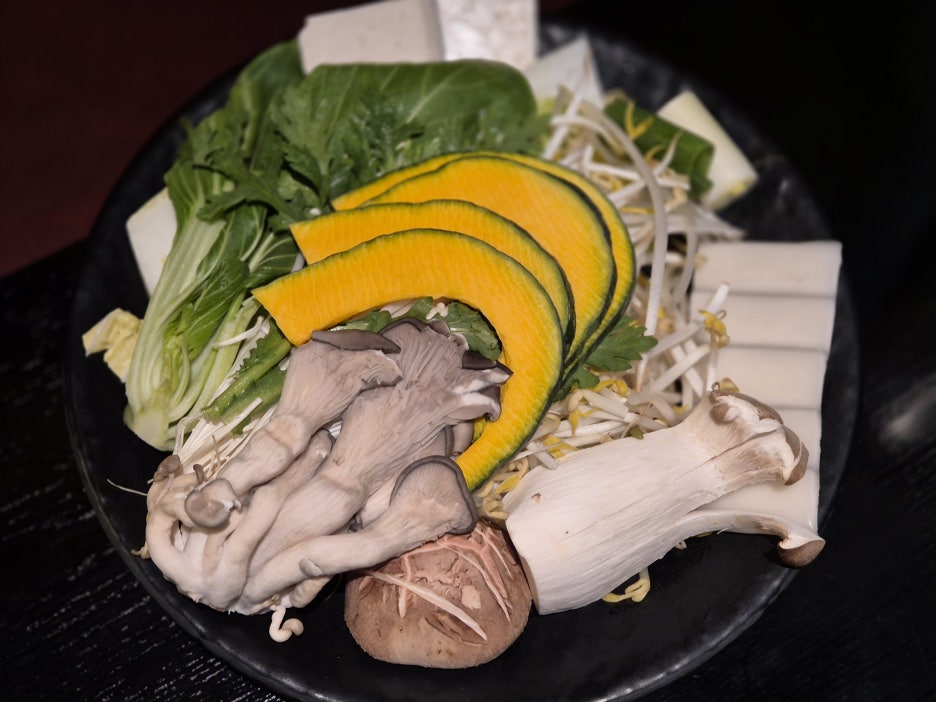
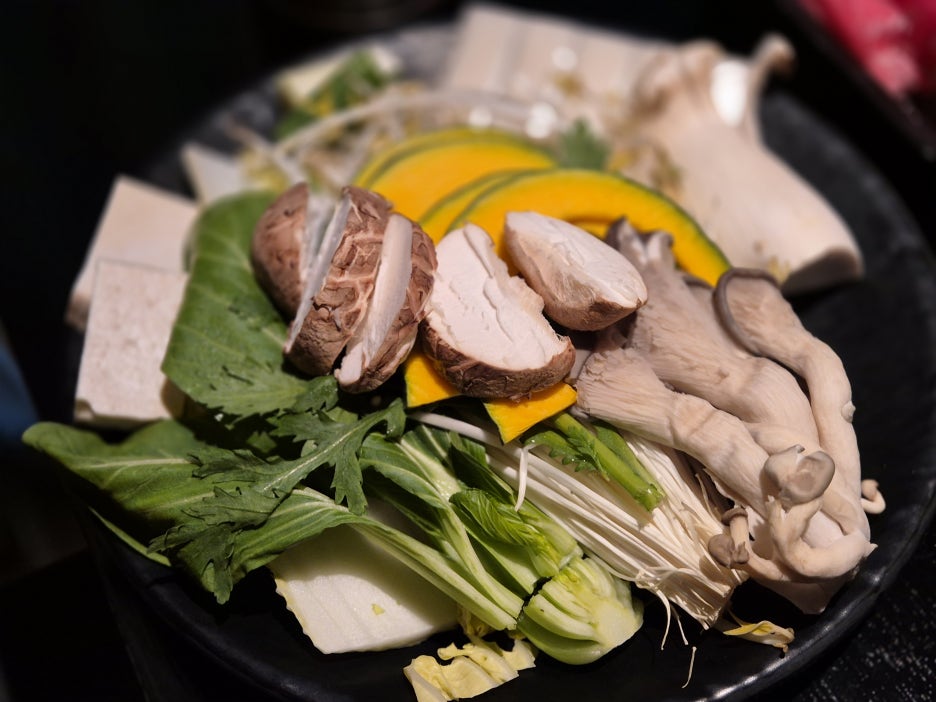
Oksoban offers shabu-shabu in a calm, stylish setting near Seohyeon Station. The restaurant was approximately five minutes from the station, and parking was available when I visited. Shabu-shabu started at ₩16,900 per person at that time, with broth, beef, mushrooms and vegetables served together. The ingredients looked fresh, and the thinly sliced beef remained tender when briefly cooked in the broth. Vegetables could be refilled without limit, and the restaurant's distinctive soybean-based dipping sauce added a savory layer to the meat. Unlimited vegetables and the choice of finishing with either kalguksu noodles or porridge make this a satisfying hot-pot meal. The low lighting and quiet interior suited relaxed conversations, while staff attended to broth and refills at comfortable intervals. This restaurant was visited with a meal provided by the business.
Hyeonpung Dak Kalguksu (현풍닭칼국수) — Yatap
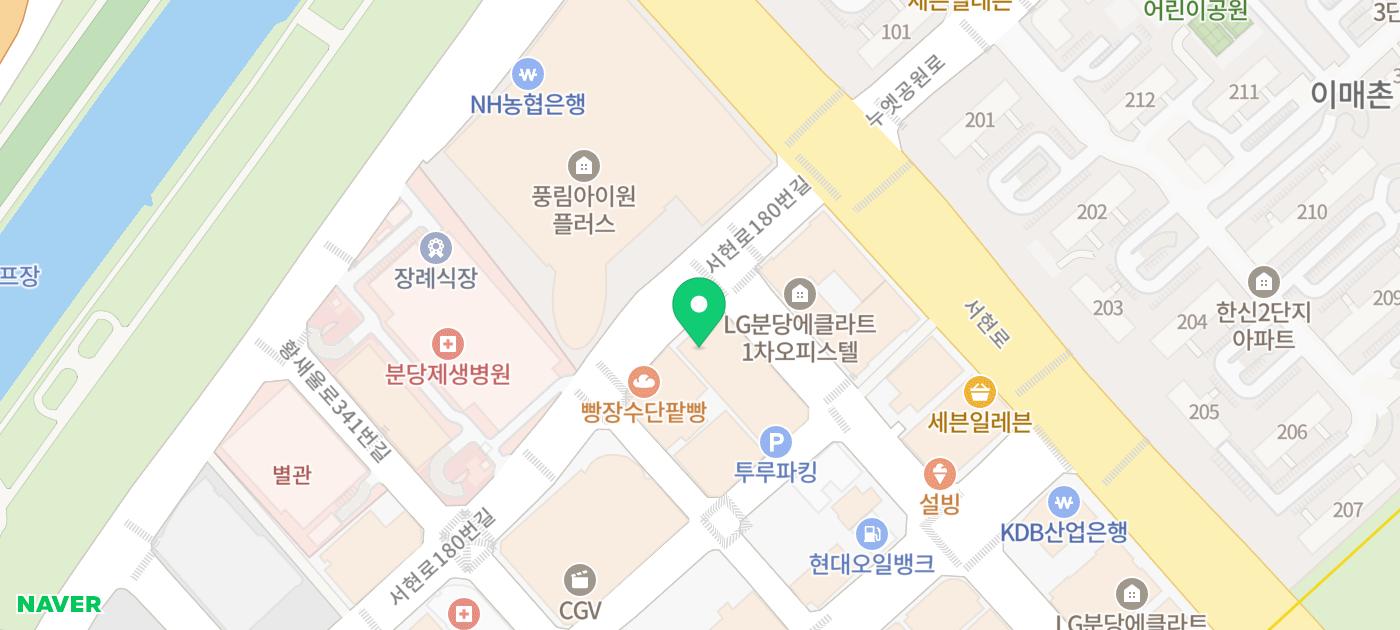
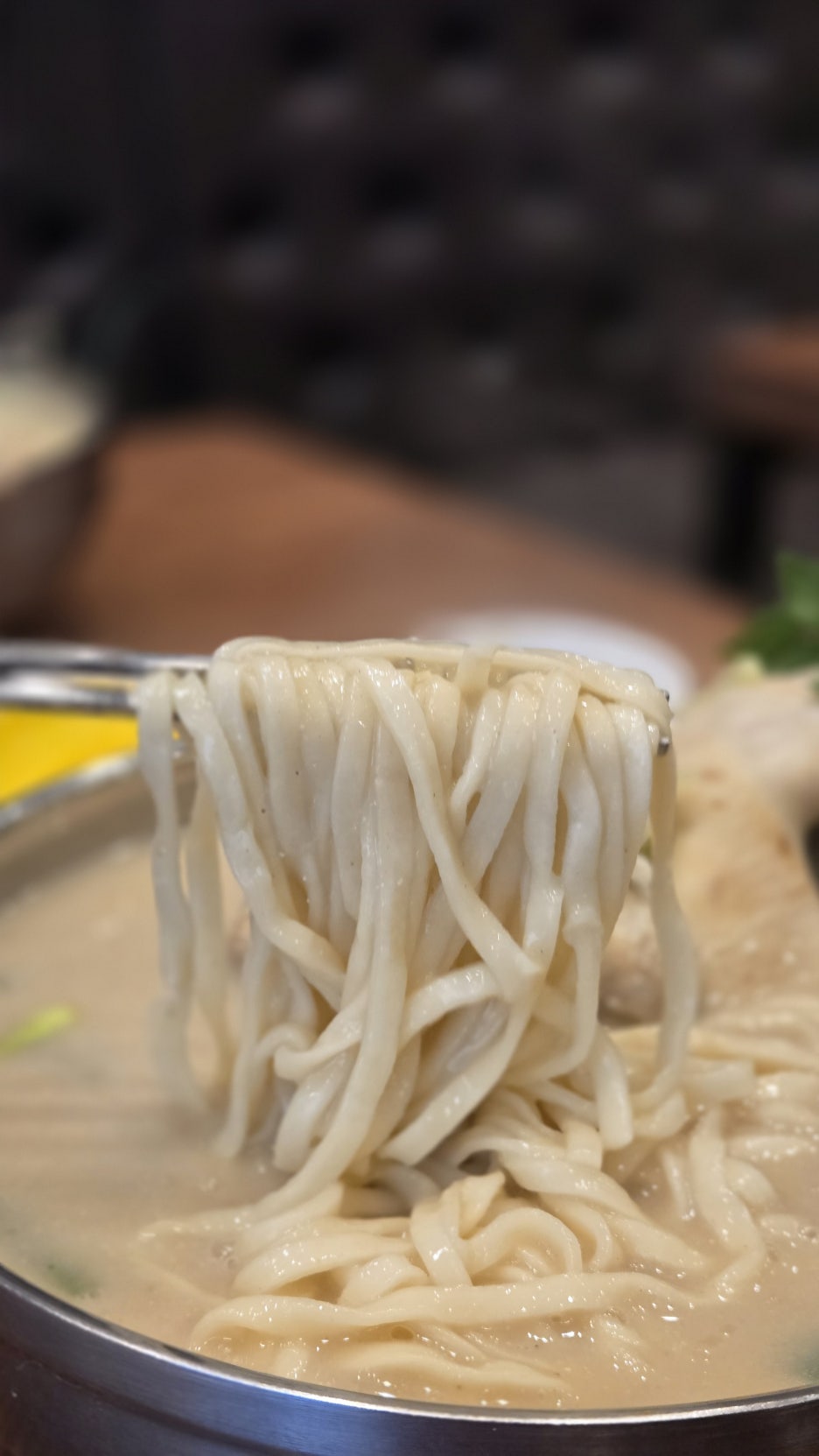
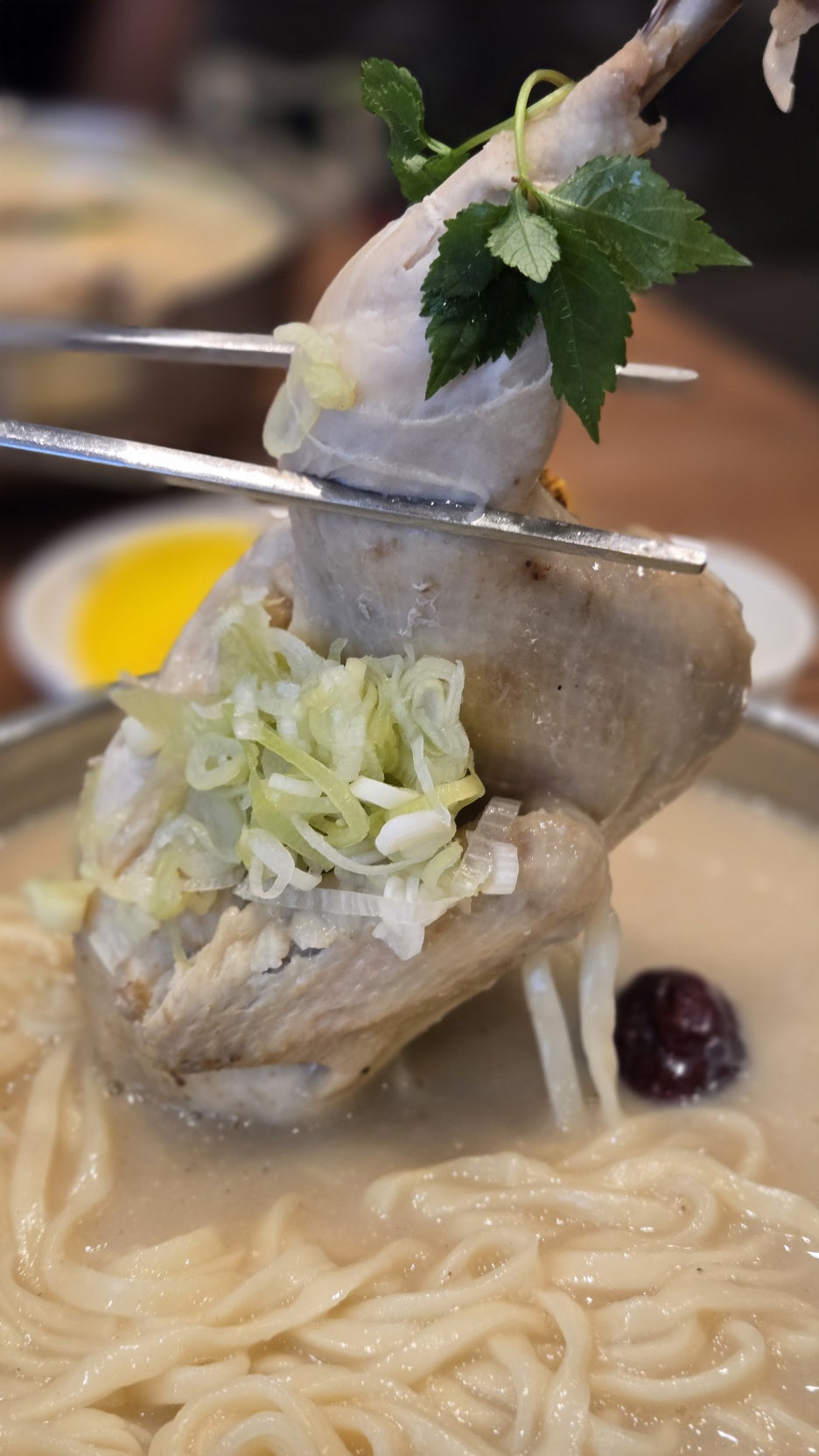
Hyeonpung Dak Kalguksu is a comforting option in Yatap when spicy or greasy food does not appeal. I ordered two portions of samgye kalguksu at ₩11,500 per person, totaling ₩23,000 at the time of my visit. Each serving featured a small whole chicken in a rich, slightly thick broth, creating an impression closer to samgyetang with noodles than ordinary kalguksu. The noodles were pleasantly chewy yet soft, and the chicken was tender rather than dry. The pleasure comes from alternating between deep chicken broth, springy noodles and soft chicken, with kimchi providing a refreshing contrast. Information about naturally fermented noodles was displayed on the wall, and the noodle texture was noticeably different from standard kalguksu. A self-service counter offered kimchi and side dishes, including kimchi described as freshly made in-house each day. I would visit again. This restaurant was visited with a meal provided by the business.
Sammidang Jeongja (삼미당 정자점) — Jeongja
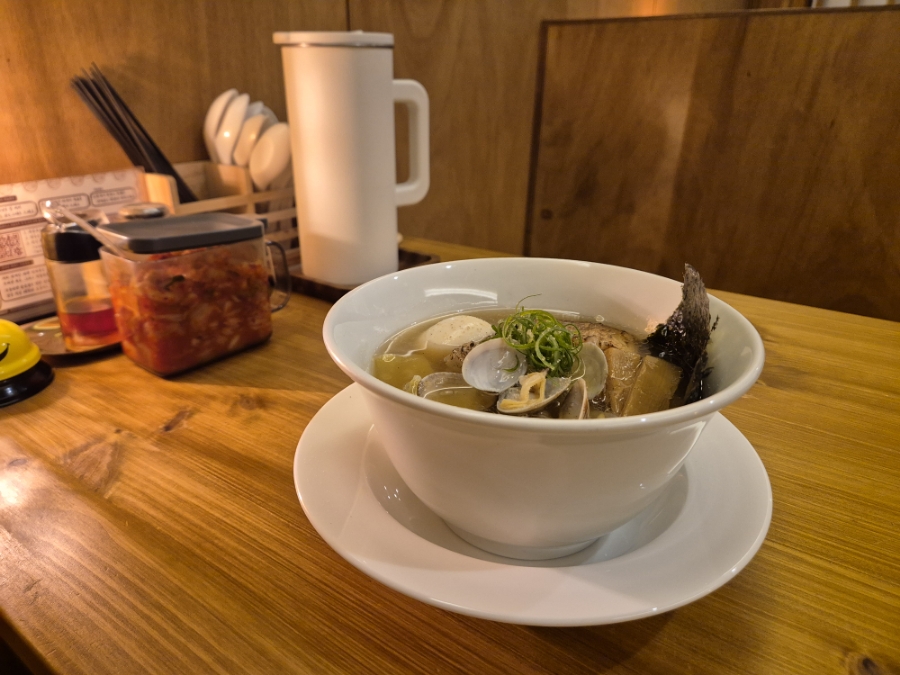
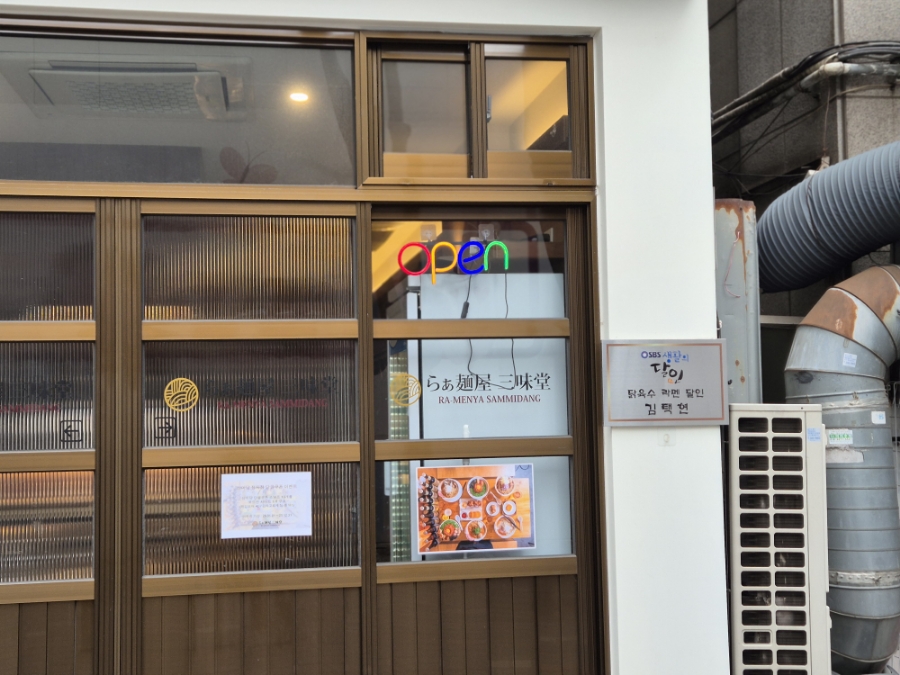
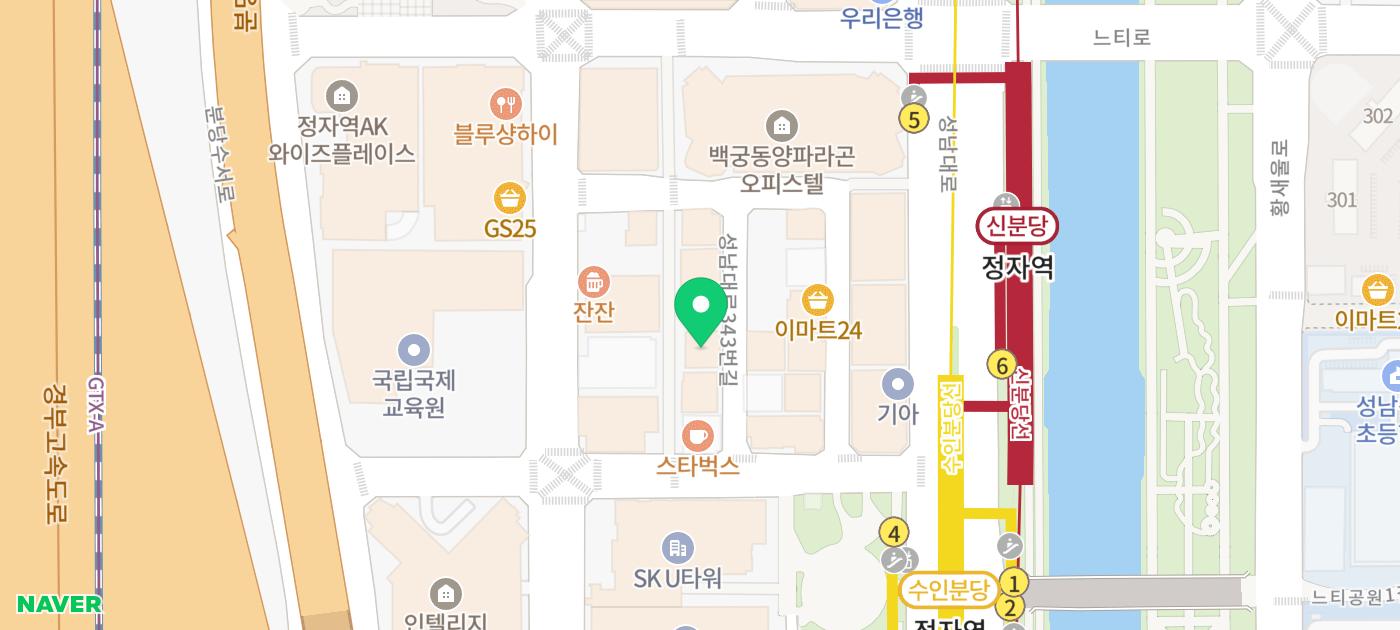
For a Japanese-style noodle soup in Jeongja, Sammidang is a memorable option. It was about a three-minute walk from Exit 4 of Jeongja Station, and mechanical parking was available at the time of my visit. The special shoyu ramen cost ₩13,000 and came with chashu, sous-vide pork belly, thinly sliced pork loin, wonton, bamboo shoots and seaweed. Its chicken-based broth carried a pronounced soy-sauce flavor and lingering umami. If the seasoning felt too strong, additional broth could be requested to adjust the concentration. This bowl brings together deeply seasoned shoyu broth, several pork toppings and chewy house-made noodles. The restaurant's operating hours at the time were 11:00 a.m.–9:00 p.m., with a break from 3:00–5:00 p.m. This restaurant was visited with a meal provided by the business.
| Ramen (시오라멘) | ₩14,000 |
|---|---|
| Ramen (쇼유라멘) | ₩13,000 |
| Ramen (쇼유라멘) | ₩10,000 |
| Ramen (시오라멘) | ₩11,000 |
| Ramen (쇼유라멘) | ₩13,500 |
Myeongpum Paju (명품파주) — Old Seongnam, Sujeong-gu
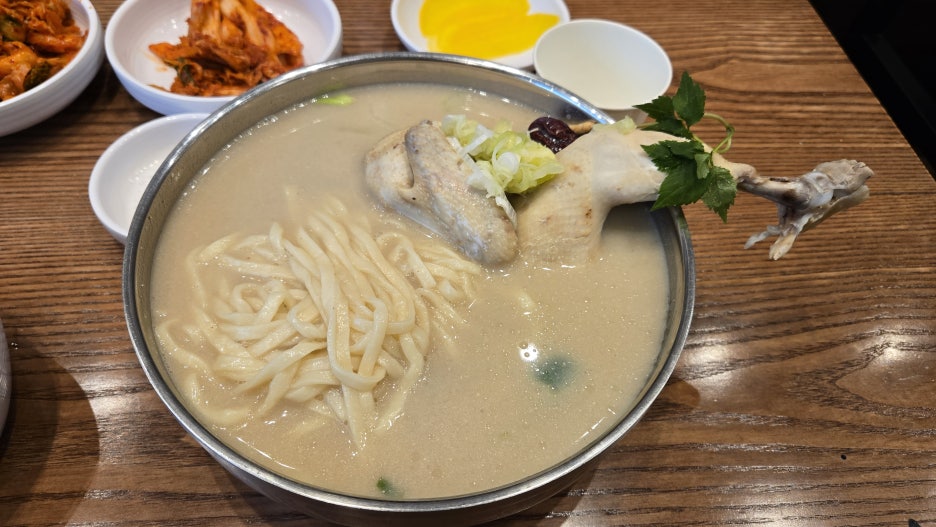
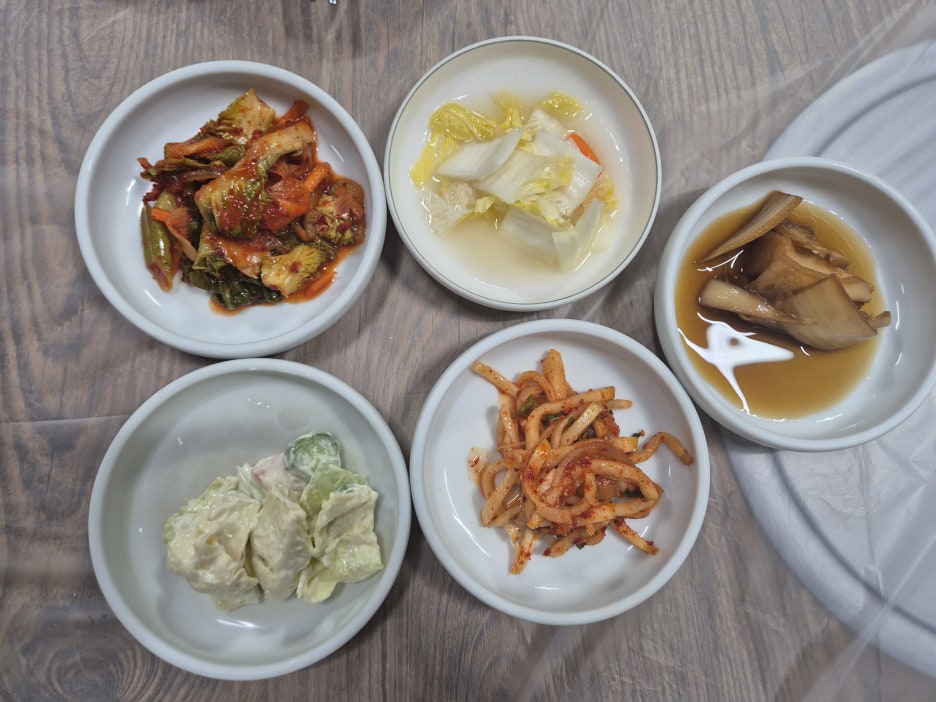
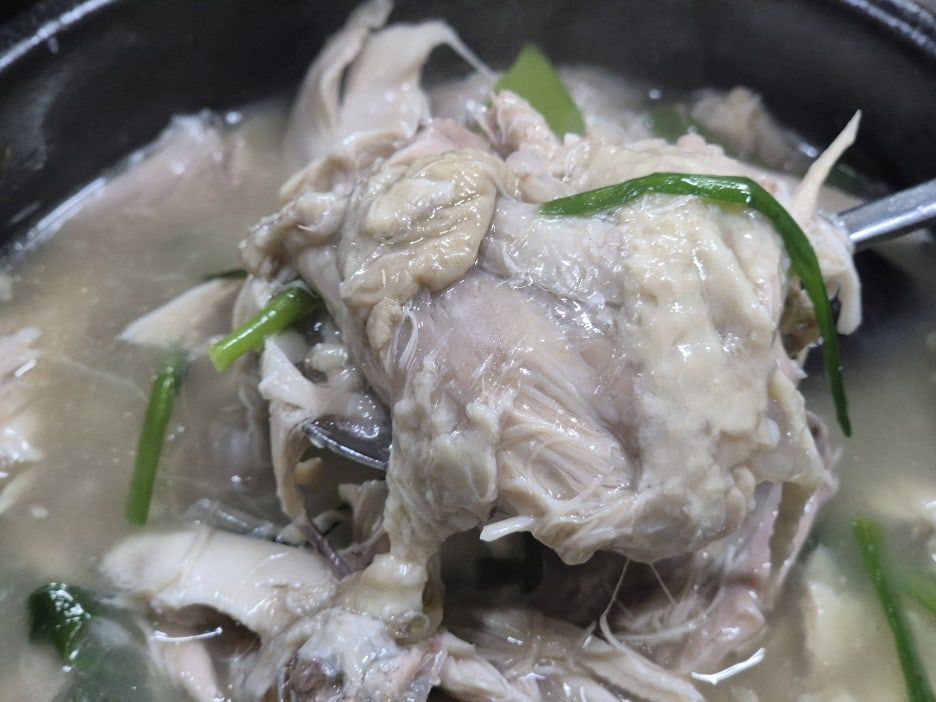
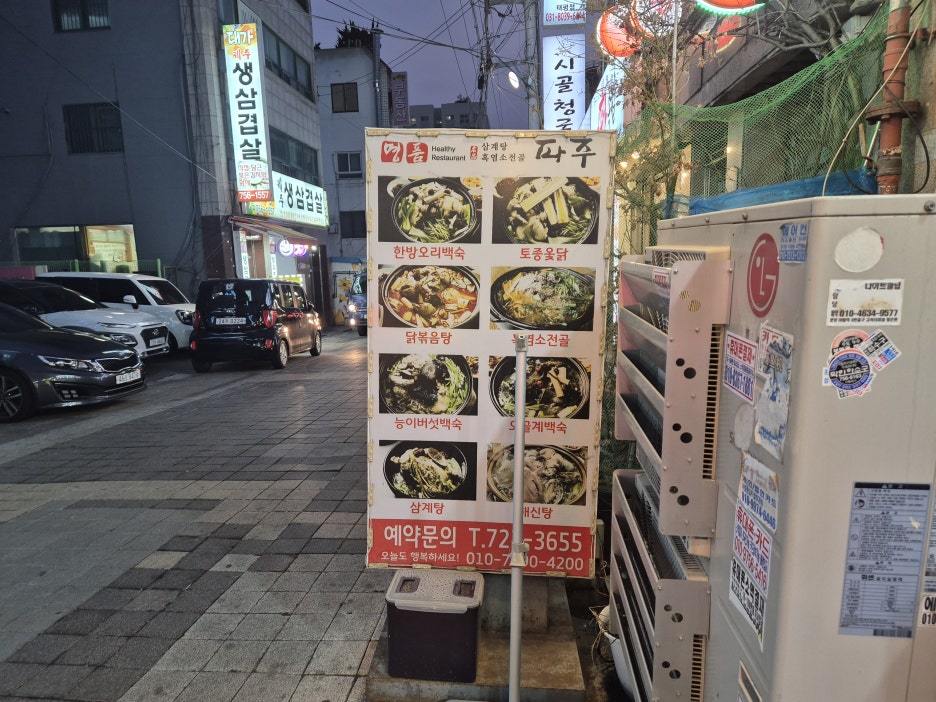
Myeongpum Paju is an option for traditional Korean chicken soup in Seongnam's Sujeong-gu district. Located in an alley off Sujeong-ro 159beon-gil, this restaurant specializes in chicken soups and baeksuk. The herbal samgyetang cost ₩15,000 per bowl at the time of my visit, and we ordered two. The soup arrived bubbling in hot earthenware bowls, with a gentle herbal aroma rising from the broth. Chicken richness and herbal notes were balanced rather than overpowering, while the meat was tender enough to separate easily with a spoon. The glutinous rice inside had absorbed the broth and tasted pleasantly nutty. Its appeal lies in a deeply flavored but not excessively herbal broth, paired with moist, tender chicken. The house-prepared side dishes and friendly service added to an enjoyable meal. This restaurant was visited with a meal provided by the business.
Bold and Spicy: Jjamppong, Intestine Hot Pot and Budaejjigae
Ho Chinese Restaurant (호차이니즈 레스토랑) — Yatap
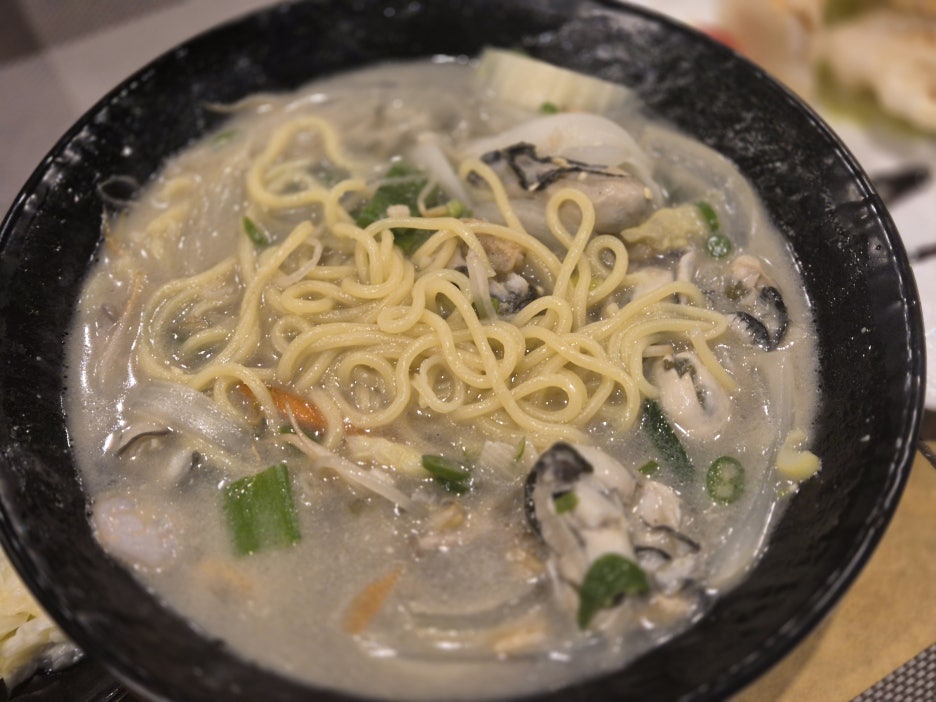
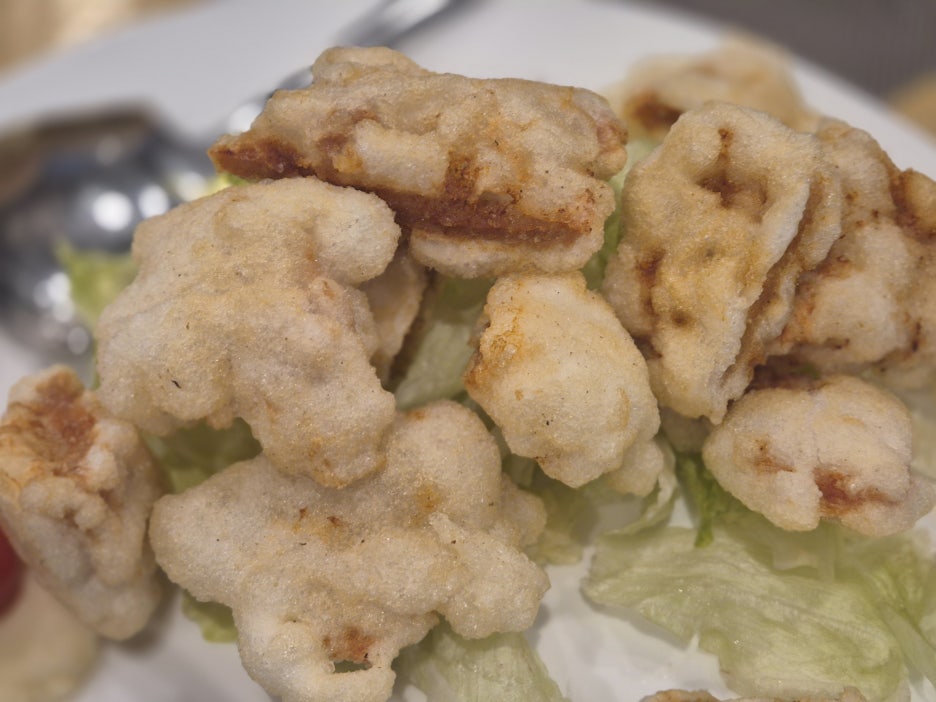
Ho Chinese Restaurant stood out for its oyster jjamppong when I wanted a spicy Chinese-style seafood noodle soup in Yatap. The restaurant occupied two floors with a spacious dining area. At the time of my visit, operating hours were listed as 11:00 a.m.–10:00 p.m., and parking was available. The oyster jjamppong contained oysters throughout the bowl rather than only as a garnish, and seafood and vegetables contributed considerable depth to the broth. It was spicy and savory but finished refreshingly without a heavy aftertaste. The accompanying glutinous-rice tangsuyuk had a crisp yet chewy texture, with sauce served separately. Of everything I ate that day, the rich oyster-infused jjamppong broth was the standout. For reference, other listed prices at the time included ₩12,000 for samseon jjamppong, ₩10,000 for white jjamppong and ₩12,000 for XO crab fried rice. This restaurant was visited with a meal provided by the business.
| Jajangmyeon (짜장면) | ₩8,000 |
|---|---|
| Jjamppong (spicy seafood noodles) (삼선짬뽕) | ₩12,000 |
| Jjamppong (spicy seafood noodles) (차돌박이짬뽕) | ₩14,000 |
| Jjamppong (spicy seafood noodles) (백짬뽕) | ₩10,000 |
| Jjamppong (spicy seafood noodles) (해물짬뽕) | ₩10,000 |
| Tangsuyuk (sweet and sour pork) (찹쌀탕수육) | ₩28,000 |
Jjamppong Jijeon Sunae (짬뽕지존 수내점) — Sunae
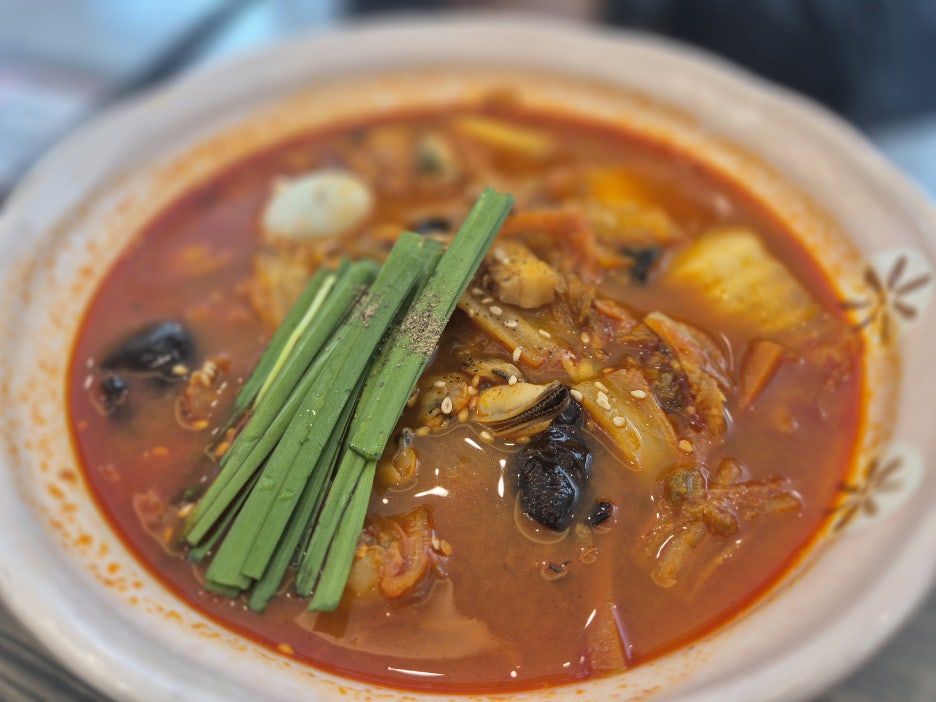
Jjamppong Jijeon is a good Sunae option for noodles with a pronounced wok-fired aroma. The restaurant was around five minutes on foot from Exit 2 of Sunae Station. During my visit, a two-hour complimentary parking coupon was available through the Lotte Department Store parking facility. The signature jjamppong released a smoky stir-fried aroma as soon as it arrived, and its broth was deep, concentrated and moderately spicy rather than watery. There was also a generous amount of seafood. The combination of spicy jjamppong and sweet, chewy glutinous-rice tangsuyuk worked especially well. The fried rice came with a separate serving of jjamppong broth, making it enjoyable with a little spicy soup poured over the grains. A tangsuyuk size-up promotion was running that day, and the portions were substantial even when shared among three people. This restaurant was visited with a meal provided by the business.

Horangigul Seohyeon (호랑이굴 서현점) — Seohyeon
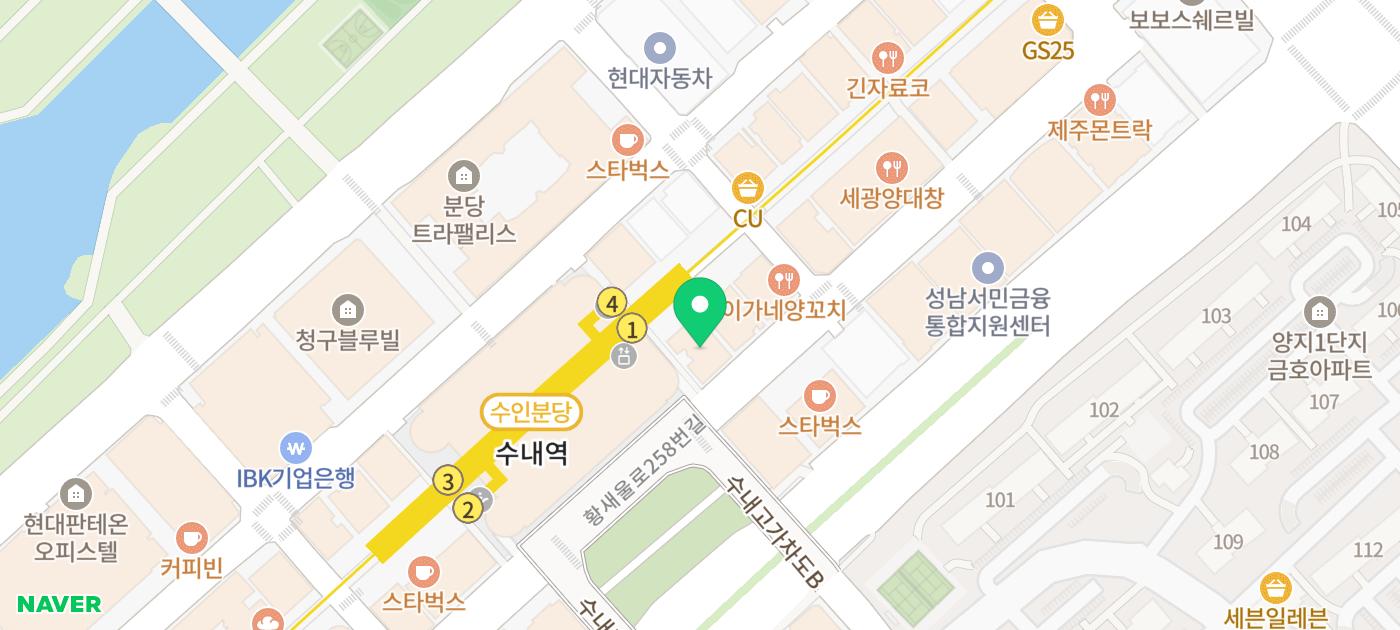
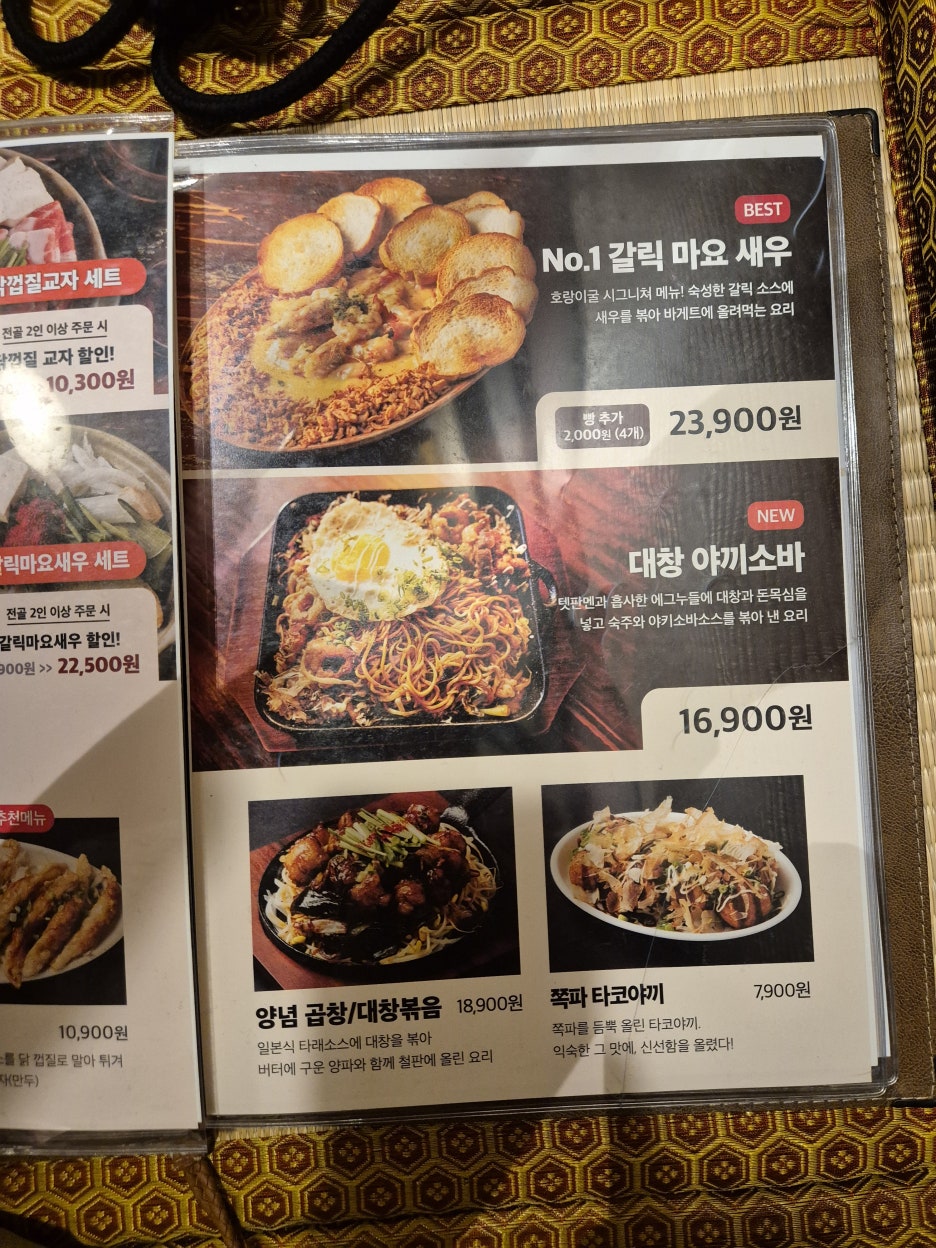
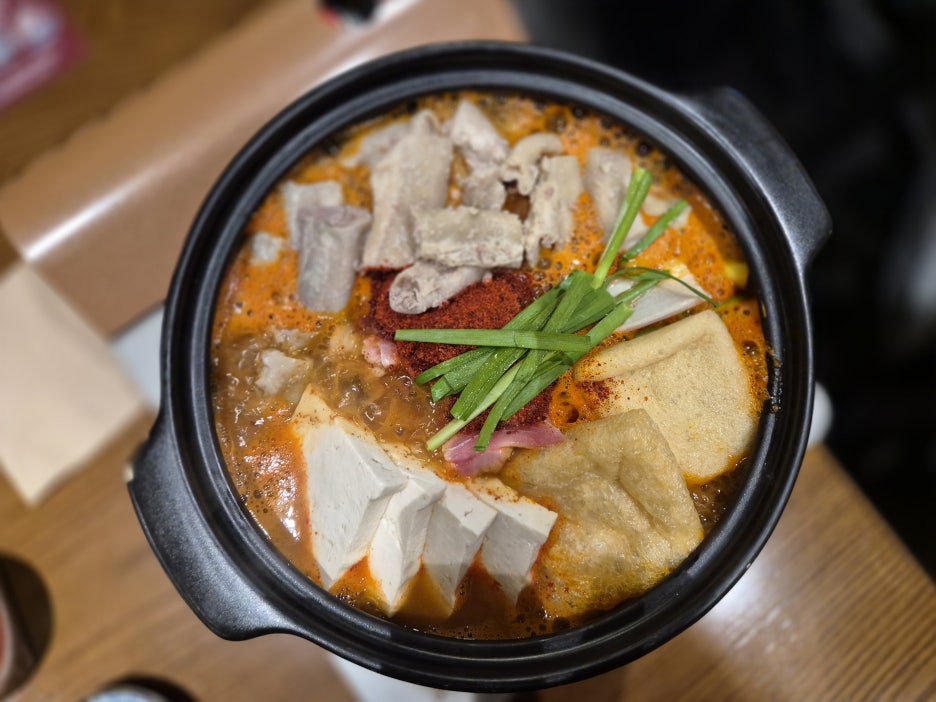
Horangigul is a strong candidate in Seohyeon for a shared pot of beef intestine stew. It was close to Seohyeon Station, with a surprisingly spacious Japanese-inspired interior and comfortable gaps between tables. We ordered the signature intestine hot pot at its mildest spice level, described as the clean-tasting version. The broth grew richer as it simmered, drawing flavor from Korean beef large intestine and a special sauce. The pot was generously filled with intestines, pork belly, pork neck, fish balls, fried tofu, tofu and fresh vegetables. The red broth gradually absorbed the richness of the intestine, while ramen noodles added at the end took on its concentrated flavor. Other finishing options included cheese risotto, wide glass noodles, rice-cake noodles and jjamppong noodles. Staff were prompt and friendly throughout the meal. This restaurant was visited with a meal provided by the business.

Uju Budaejjigae (우주부대찌개) — Ori
Uju Budaejjigae near Ori Station was memorable for its generous Korean army stew and flexible self-service station. It was about a five-minute walk from the station, with operating hours listed as 11:00 a.m. to midnight when I visited. We ordered both the minari herb budaejjigae and the Super budaejjigae for a combined total of less than ₩30,000 at the time. The minari version offered a fragrant, clean finish, whereas the Super version emphasized a richer broth with abundant sausage, ham and vegetables. One particularly useful feature was unlimited self-service access to rice, side dishes, sauces and instant ramen noodles. Beer, soju and makgeolli were each ₩3,000 during my visit, and the building parking facility offered one complimentary hour per table. Takeout was also available. This restaurant was visited with a meal provided by the business.
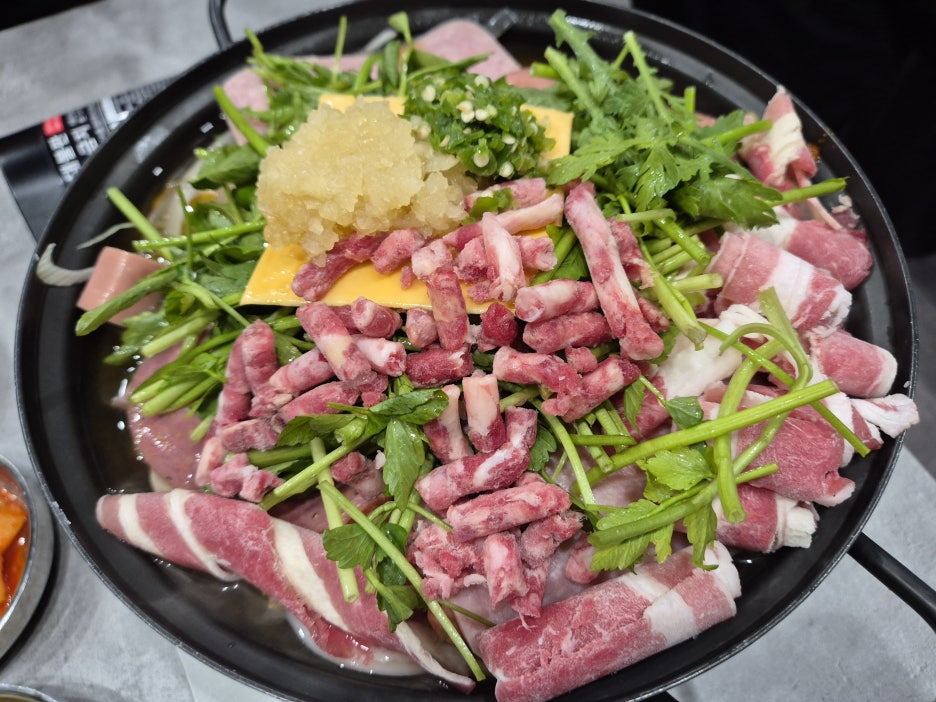
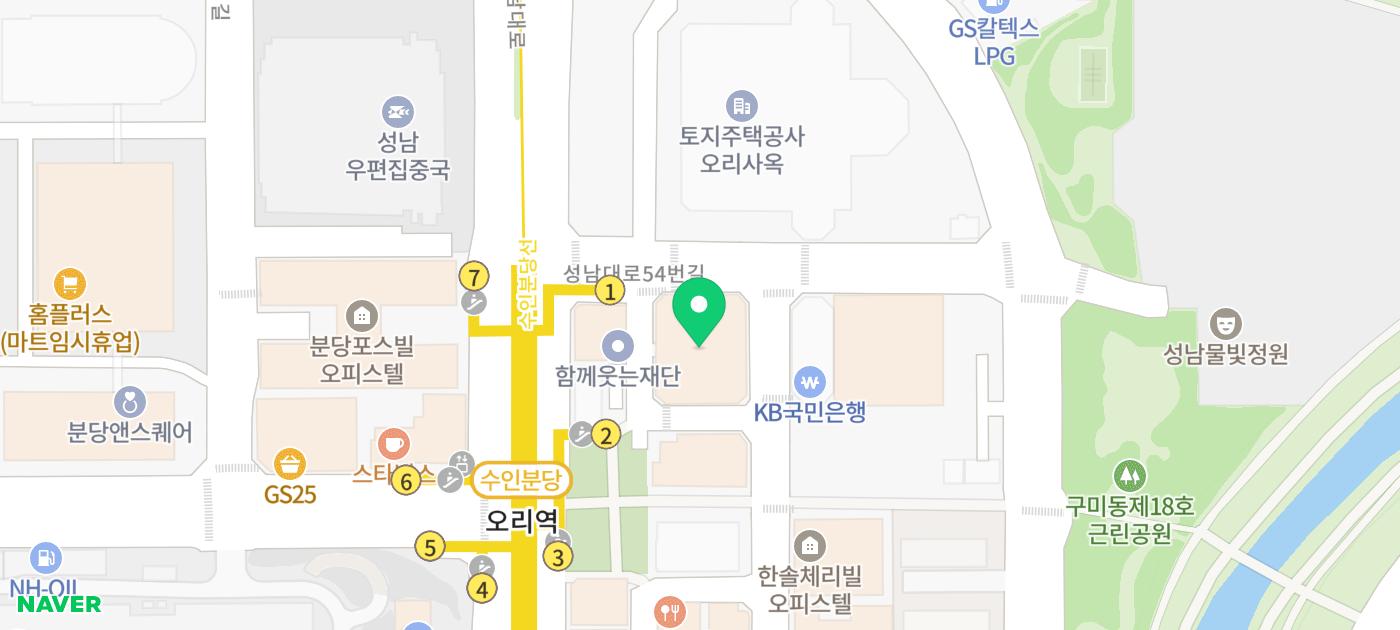
Gohyang Kimchi Jeongol Bundang (고향김치전골 분당직영점) — Ori
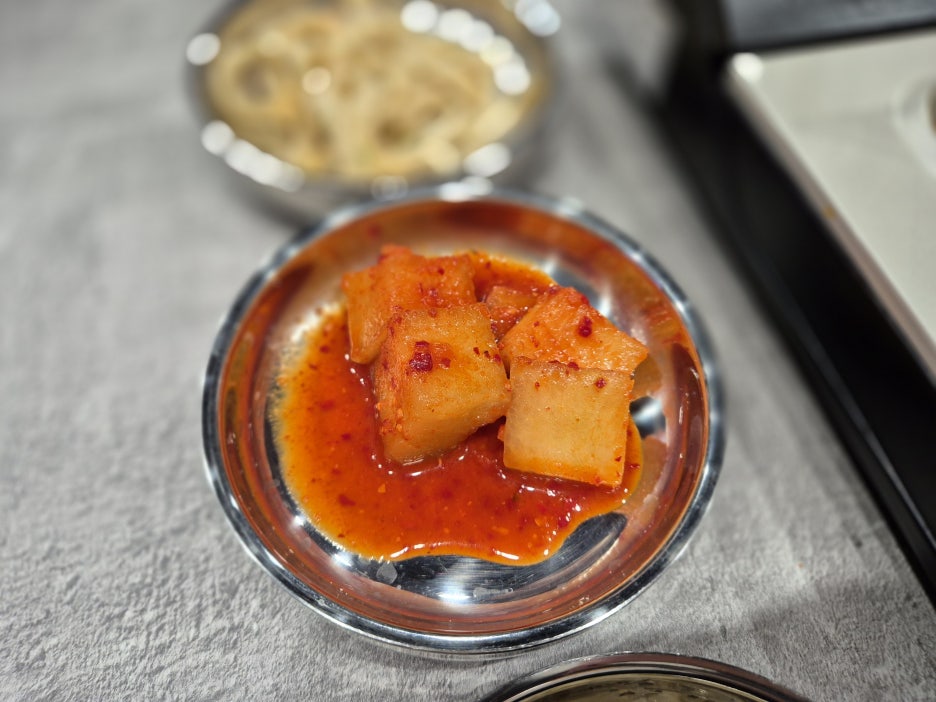
For a home-style kimchi hot pot near Ori Station, Gohyang Kimchi Jeongol is worth remembering. It was approximately five minutes on foot from Exit 3, tucked into a quieter side street. The small kimchi hot pot, intended for two diners, cost ₩25,000 when I visited. The pot contained aged kimchi, thinly sliced pork belly, tofu, onion and green onion, producing a broth that tasted salty and savory but finished cleanly. The aged kimchi had acidity without being excessively sour. The most memorable detail was the soft-cooked egg served over rice, which tasted particularly good when mixed with the spicy kimchi broth. Three neatly prepared side dishes accompanied the meal: stir-fried seaweed stems, braised quail eggs and pickled cucumber. Operating hours were listed as 11:30 a.m.–10:00 p.m. without a break at the time of my visit. This restaurant was visited with a meal provided by the business.
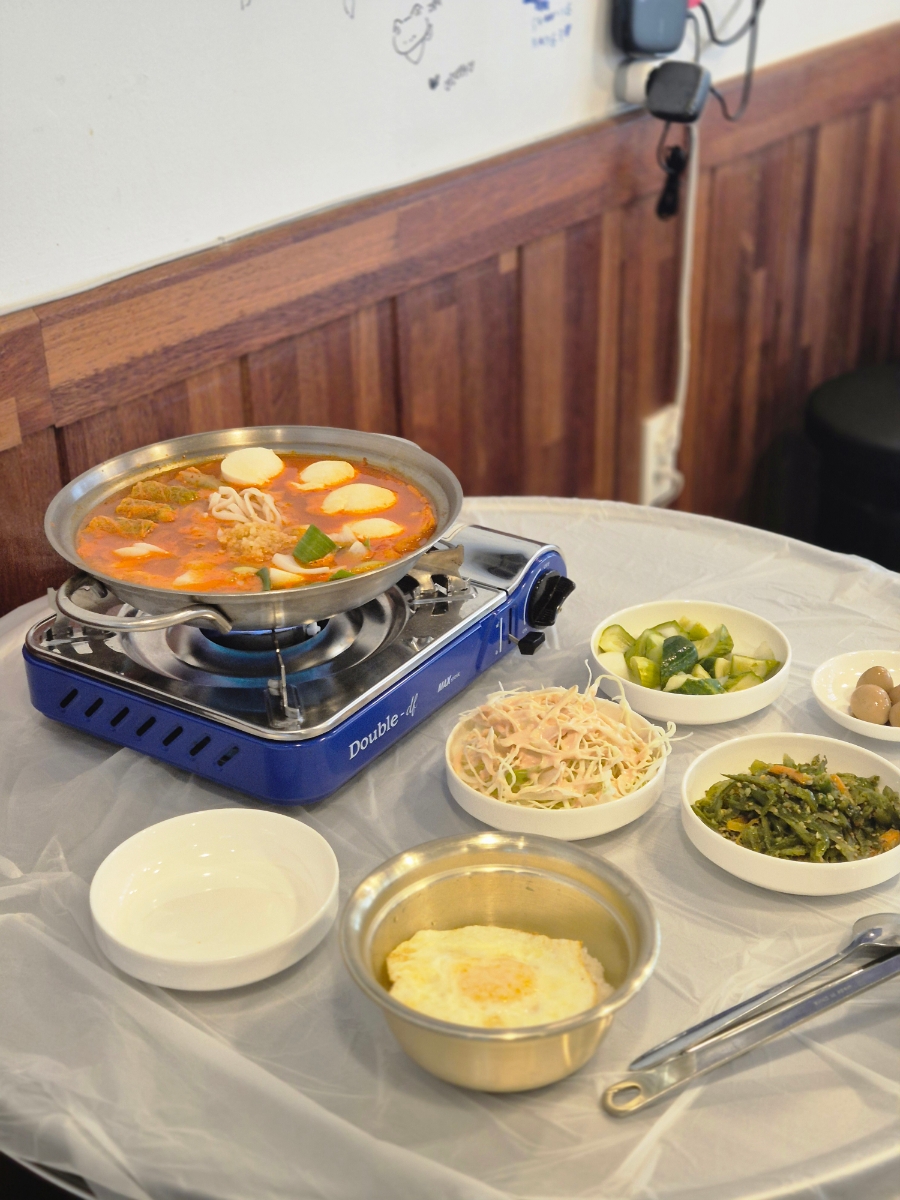
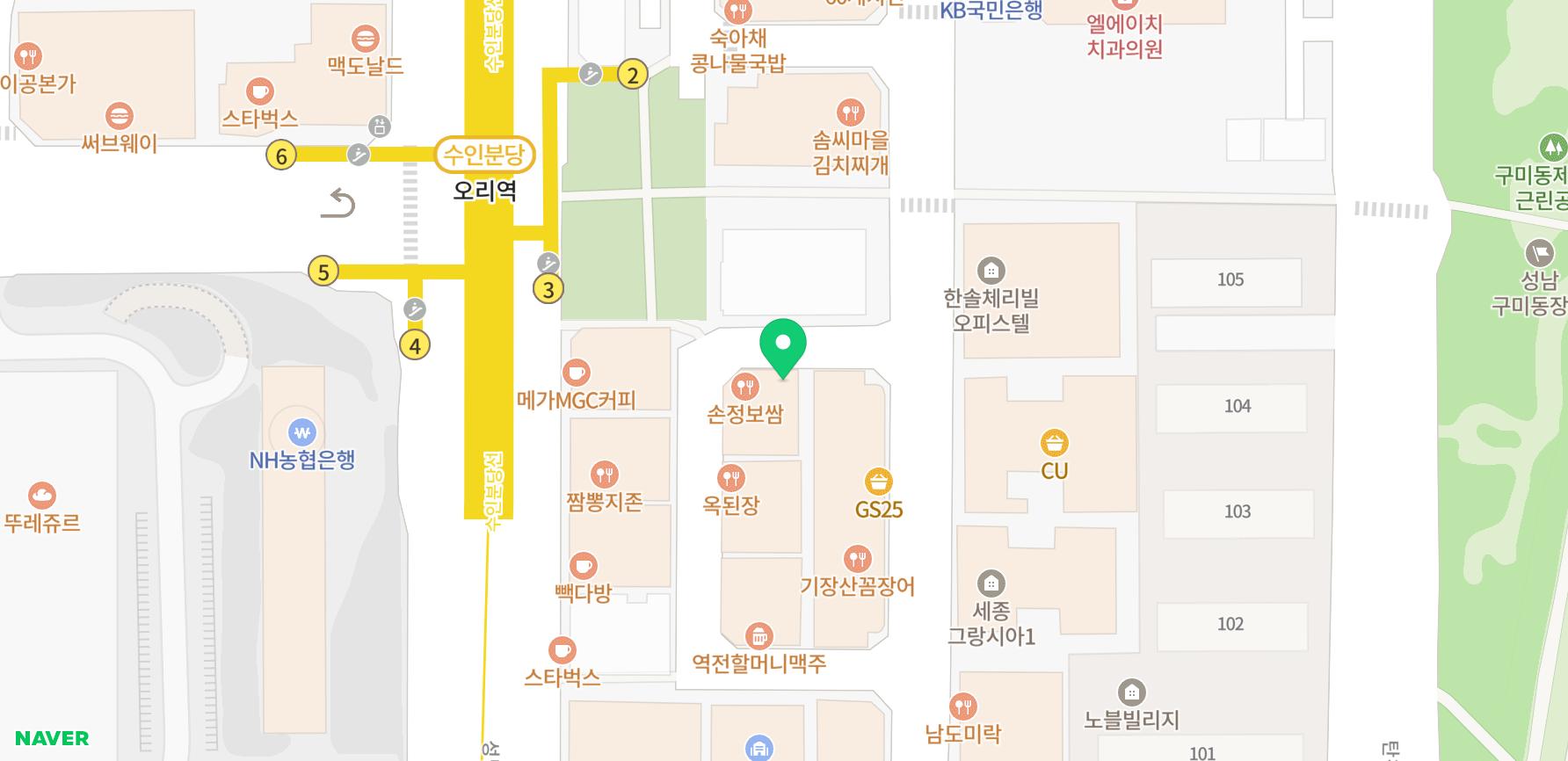
| Jeon (savory pancakes) (김치전골 소 사이즈) | ₩25,000 |
|---|
Hearty Rice Soups: Gukbap and Gomtang
Yeokjeon Gukbap (역전국밥) — Yatap
Yeokjeon Gukbap was especially useful when I wanted a hot meal late at night around Yatap. It was within walking distance of Yatap Station and advertised 24-hour operation at the time of my visit. The menu included pork and rice soup, sundae soup, spicy pork soup, beef head soup and hangover soups. Regular pork soup was listed at ₩10,000, although we ordered special-sized pork soup and spicy pork soup to compare their flavors. The milky pork broth was rich in meaty aroma yet clean, while the spicy version worked particularly well after a late gathering. We also ordered boiled beef head meat and alternated between the two soups and the sliced meat. The restaurant offered several accompanying dishes suitable for a late meal, and both the interior and staff service were pleasant even in the early morning hours. I visited independently without sponsorship.
Suaega Cheonggyesan (수애가 청계산본점) — Cheonggyesan, Sujeong-gu
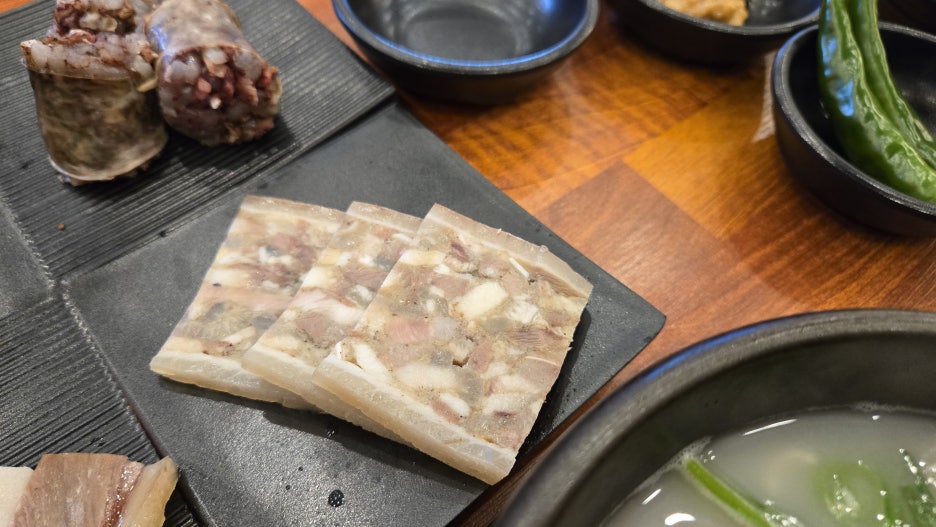
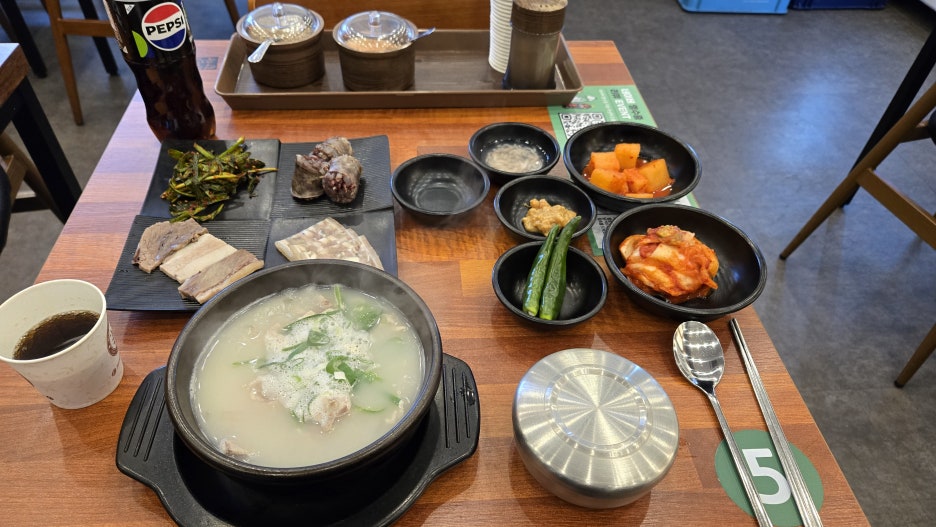
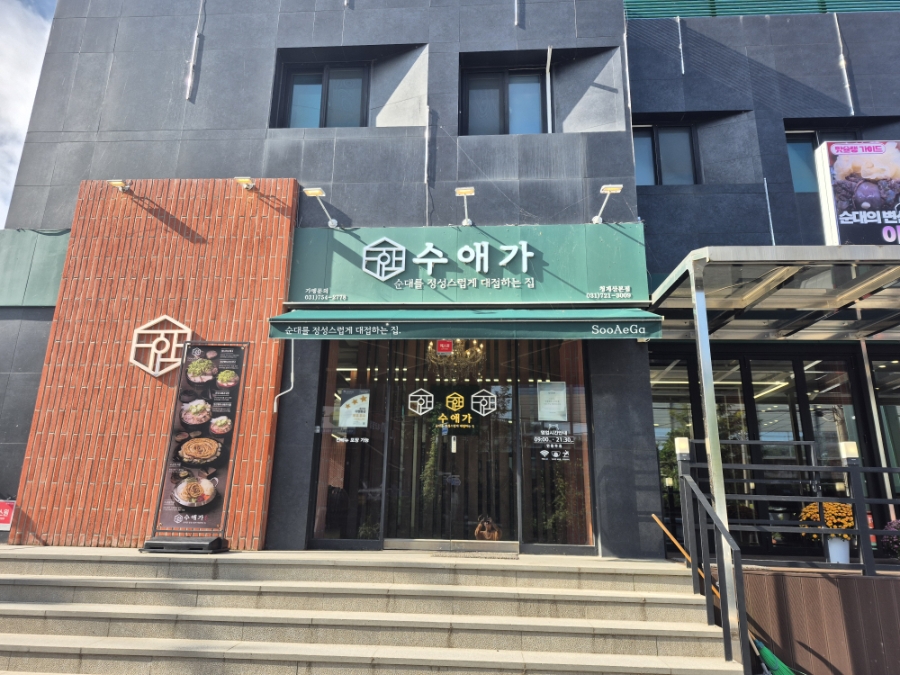
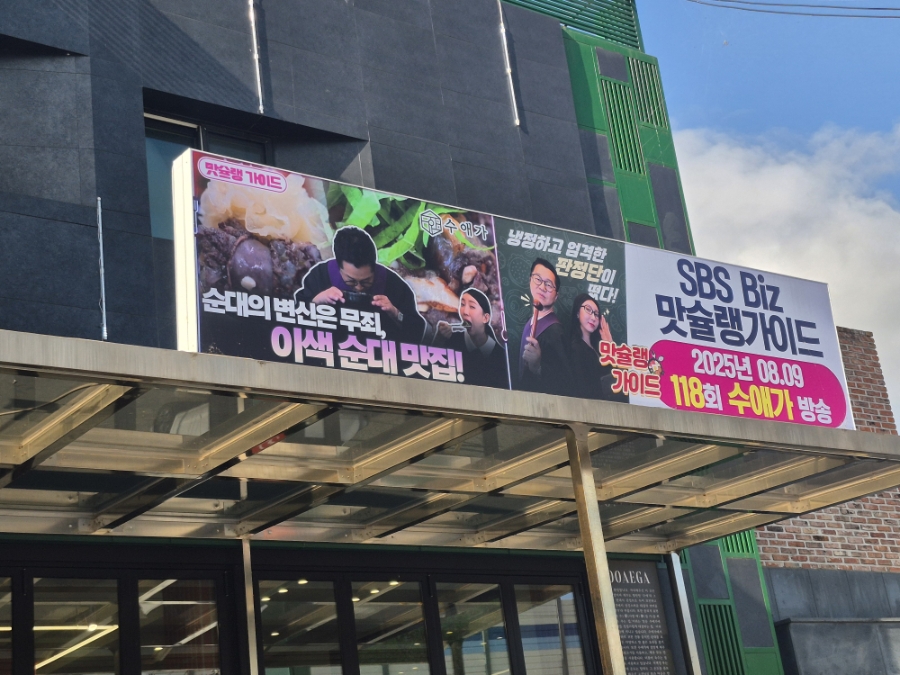
Suaega near the entrance to Cheonggyesan Mountain is a place I returned to for its rich sundae soup. The restaurant is in Sangjeok-dong, Sujeong-gu, and has a spacious parking area in front. On this visit, I ordered intestine sundae soup for ₩11,000 and bulgogi sundae steak for ₩15,000, both prices reflecting that visit. The soup contained generous pieces of offal in a substantial pork-bone broth. It tasted deep and savory but did not leave an excessively greasy finish. What made the second visit satisfying was finding the same rich broth that had impressed me the first time. The bulgogi sundae steak had a lightly seared exterior, soft interior and sweet-salty seasoning that worked well with crunchy kkakdugi radish kimchi. Standard sides included kkakdugi, napa cabbage kimchi and salted shrimp. This restaurant was visited with a meal provided by the business.
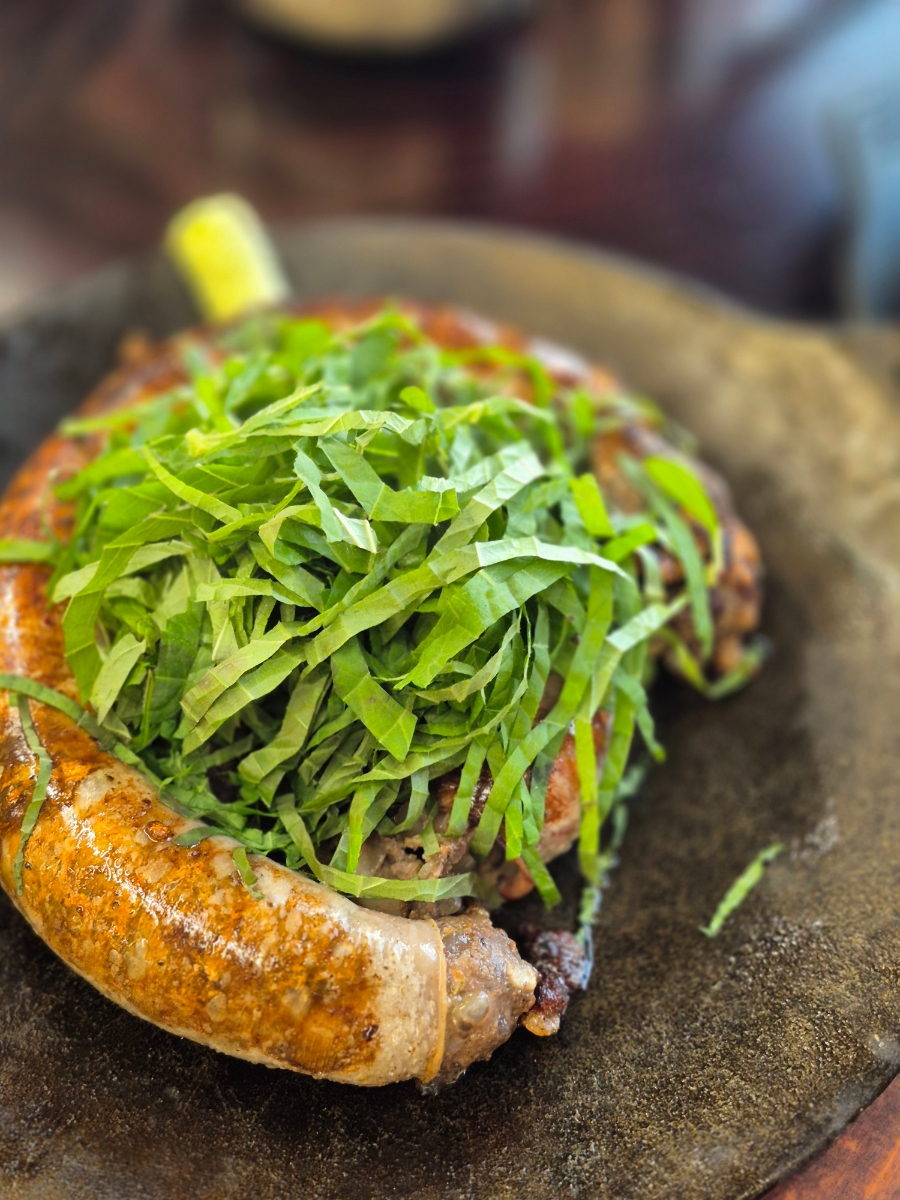
| Steak (불고기순대스테이크) | ₩15,000 |
|---|---|
| Sundae (Korean blood sausage) (내장순대국) | ₩11,000 |
Myeongbaekjip West Pangyo (명백집 서판교점) — West Pangyo, Unjung-dong
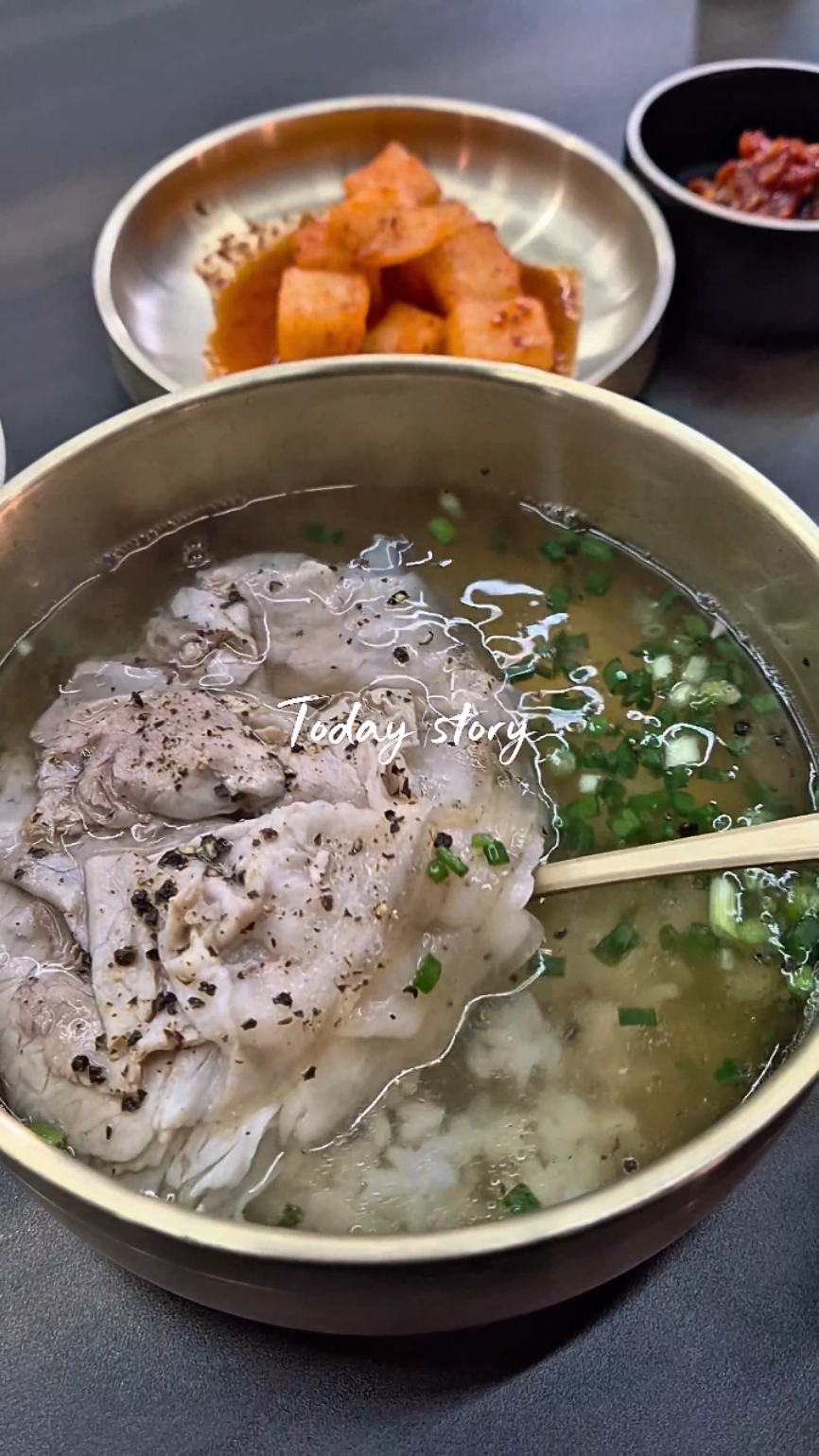
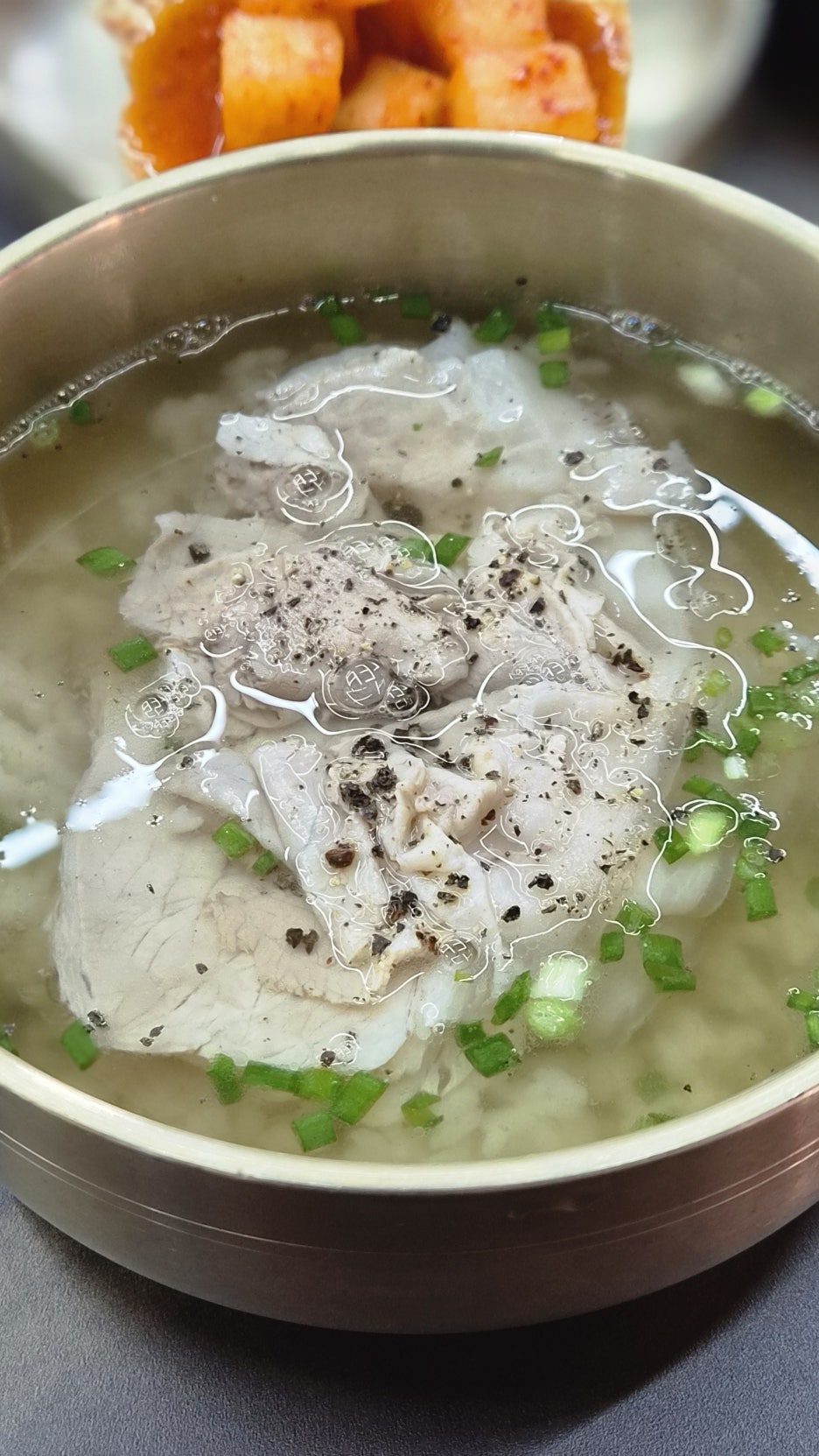
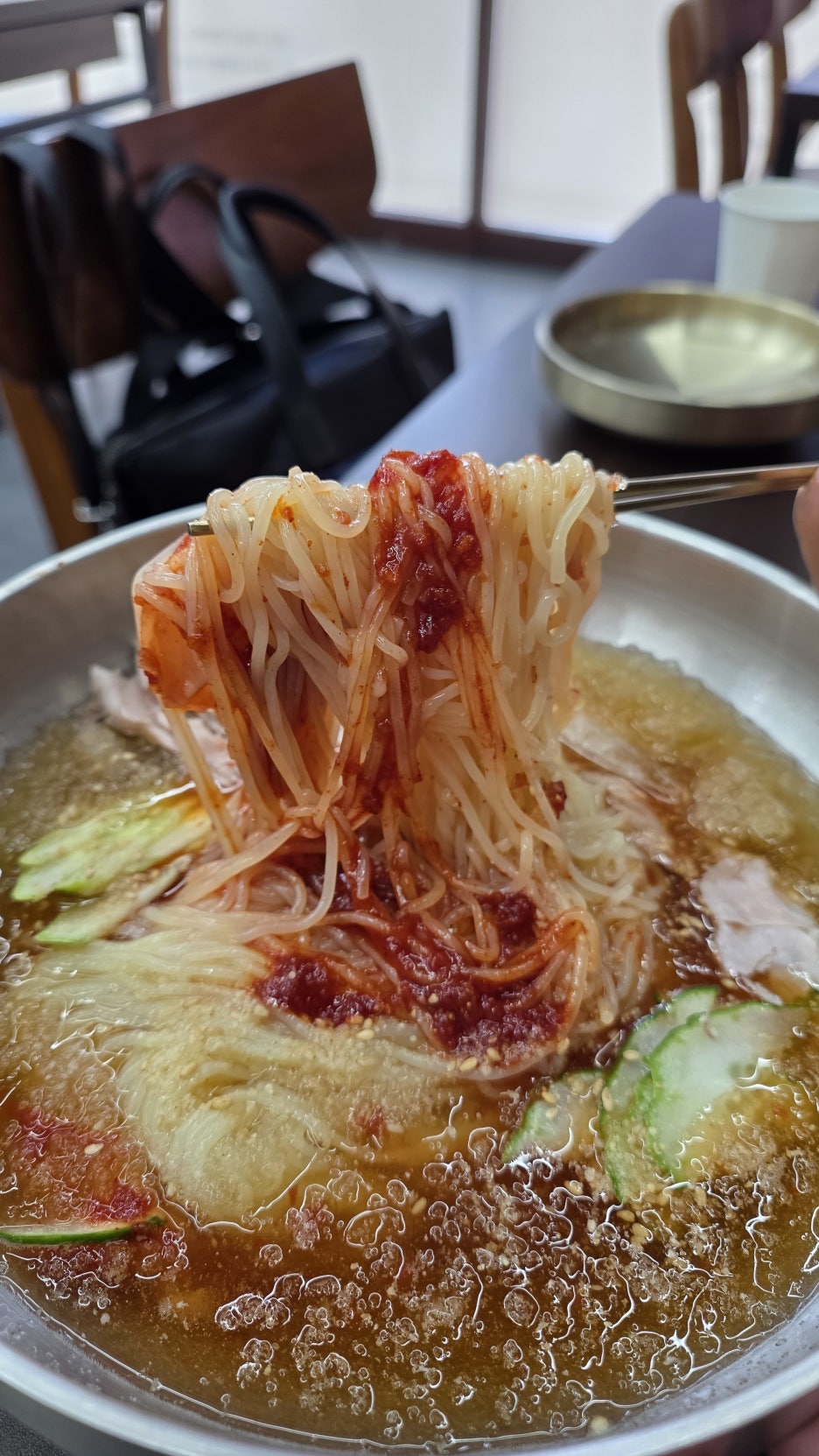
Myeongbaekjip in Unjung-dong is an appealing choice for diners who prefer a clear pork broth rather than a thick, cloudy one. I parked behind the restaurant and ordered from a menu where regular black pork gomtang and milmyeon each cost ₩10,000, while six crab-and-shrimp dumplings cost ₩5,000 at the time. The gomtang arrived with a transparent broth and several broad, thin slices of black pork. Its initial flavor was mild and comforting, followed by delicate pork umami. I recommend tasting the clear broth first, then adding a little mustard or pairing it with salted squid from the self-service counter. Kimchi and kkakdugi were also available at the counter. We shared the warm gomtang, icy milmyeon and seafood dumplings, enjoying the contrast between the hot and cold dishes. This restaurant was visited with a meal provided by the business.
Sanseong Haejang Gukbap Dandaeogeori (산성해장국밥 단대오거리점) — Old Seongnam, Geumgwang-dong
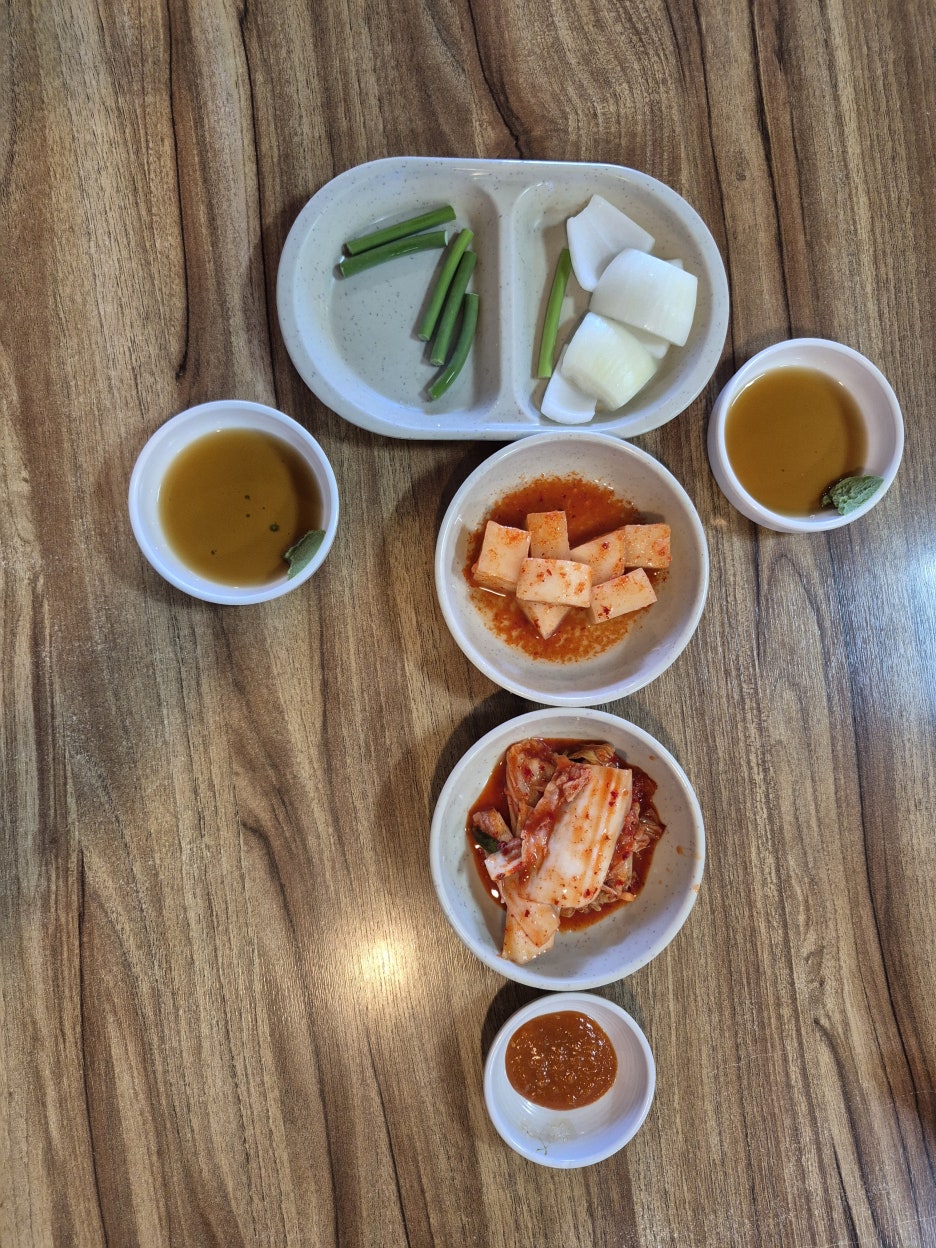
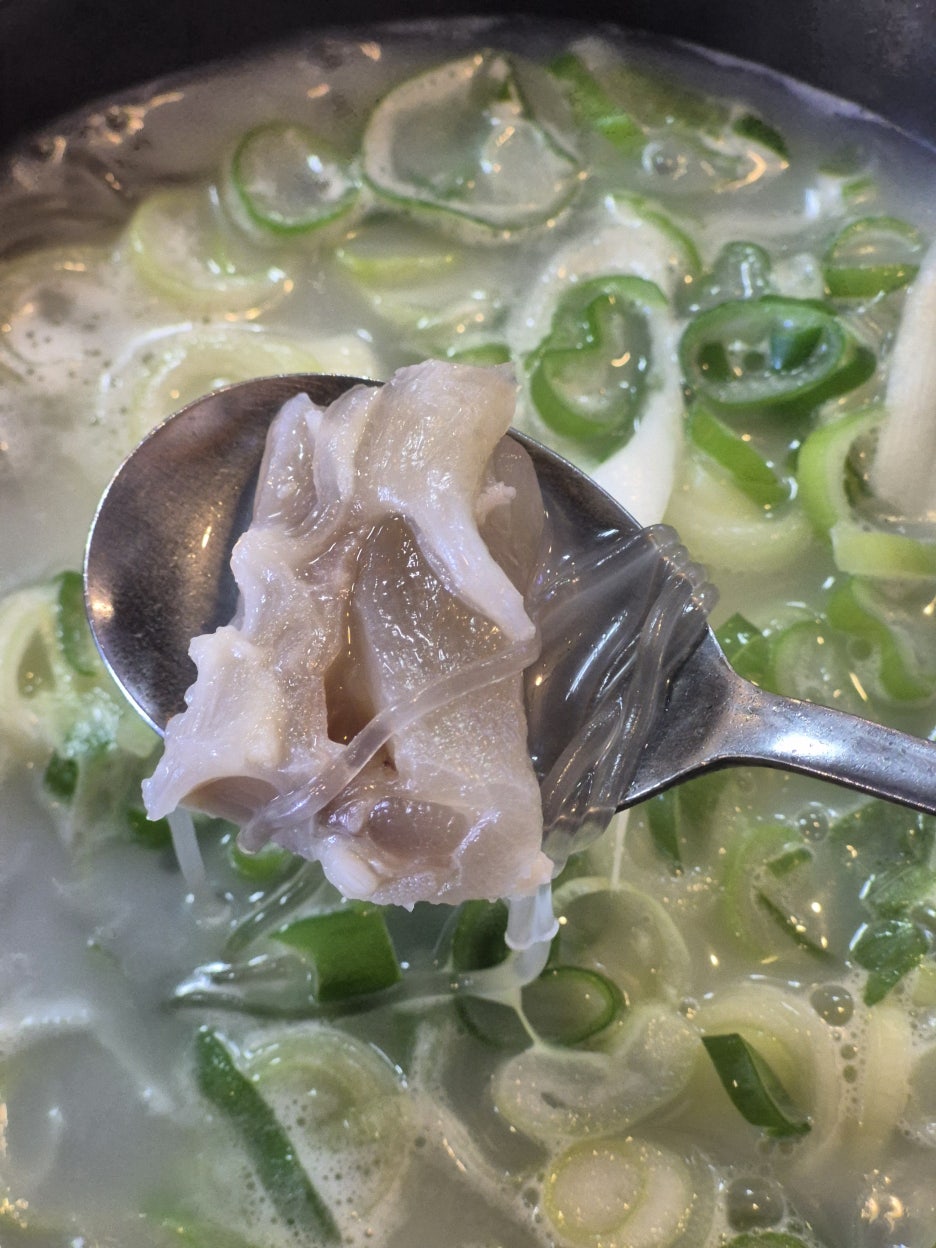
In Geumgwang-dong, Sanseong Haejang Gukbap offers a straightforward rice-soup meal in an old neighborhood setting. At the time of my visit, jangteo gukbap and seolleongtang were both ₩9,000, tripe soup was ₩10,000, and both sugu re soup and beef head soup were ₩11,000. I ordered jangteo gukbap, a broth containing beef brisket, radish, green onion, dried radish greens and bean sprouts. Unlike many spicy hangover soups, it tasted clear, deep and relatively gentle. This is a good match when you want a refreshing, substantial rice soup without an aggressively spicy broth. The beef pieces were generous, and kkakdugi, cabbage kimchi and seasoned chives accompanied the bowl. Menu descriptions on the walls explained the ingredients and preparation methods, while the comfortable table spacing made the restaurant suitable for a solo meal. This restaurant was visited with a meal provided by the business.
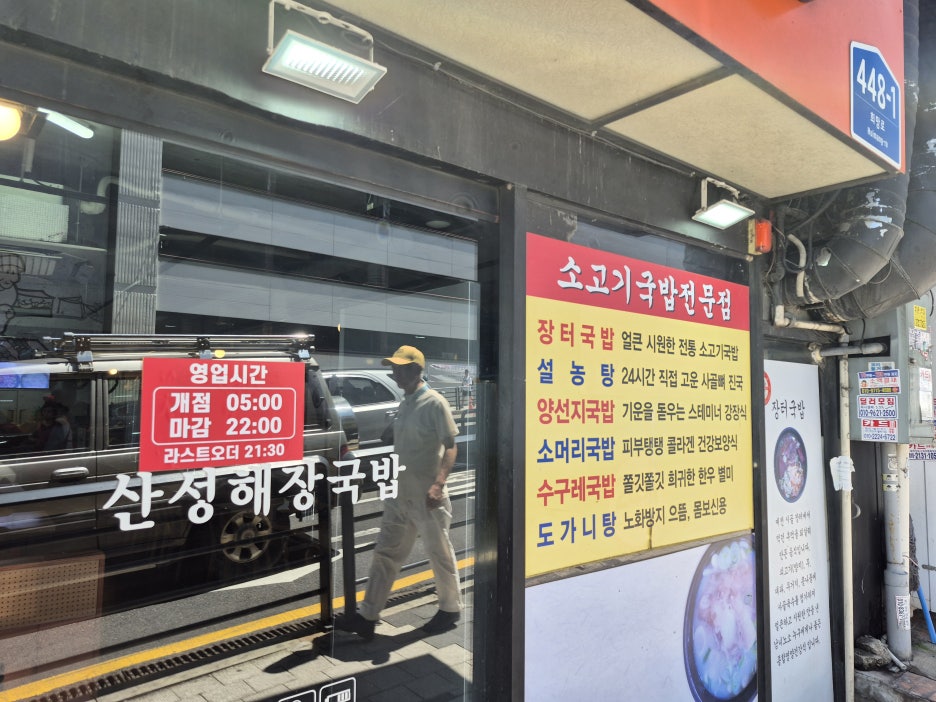
| Gukbap (rice in hot soup) (장터국밥) | ₩9,000 |
|---|---|
| Gukbap (rice in hot soup) (소양국밥) | ₩10,000 |
| Gukbap (rice in hot soup) (수구레국밥) | ₩11,000 |
| Gukbap (rice in hot soup) (소머리국밥) | ₩11,000 |
| Seolleongtang (ox bone soup) (스지도가니탕) | ₩14,000 |
How to Choose a Hot Soup Restaurant in Bundang and Seongnam
If you want heat, smoky wok flavor and seafood depth, start with Jjamppong Jijeon in Sunae or Ho Chinese Restaurant in Yatap. For a meal built around a simmering pot and conversation, consider intestine hot pot or shabu-shabu in Seohyeon, or budaejjigae and kimchi hot pot near Ori Station.
For a milder meal, compare the mushroom chicken hot pot in Migeum, samgye kalguksu in Yatap, black pork gomtang in West Pangyo and herbal samgyetang in Sujeong-gu. When eating alone or looking for a straightforward bowl, the ramen in Jeongja and gukbap options in Yatap and Geumgwang-dong are practical choices.
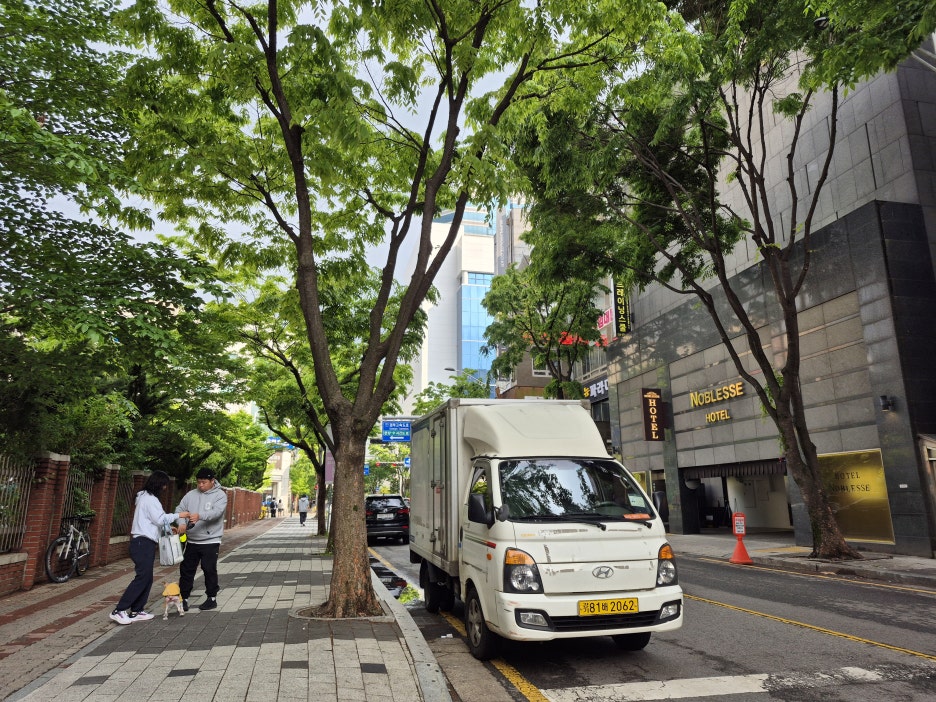
If you are driving, consider the parking arrangements recorded during each visit. Sugyeok had space for around five cars in front, Mimyeonjeong offered three hours of complimentary AK Plaza parking, Uju Budaejjigae offered one hour per table, Suaega had a spacious parking area, and Sammidang provided mechanical parking. These are historical observations, and operating conditions may have changed.
More guides to read next
This box contains affiliate links. If you book through them, Mudung may earn a commission at no extra cost to you.
 Read nextSame neighborhoodSeongnam Beef Tendon Soup and Spicy Pork near Yatap₩26,000Read →
 Read nextA roundup with this spotBundang & Pangyo Meat Restaurants for Special OccasionsRead →
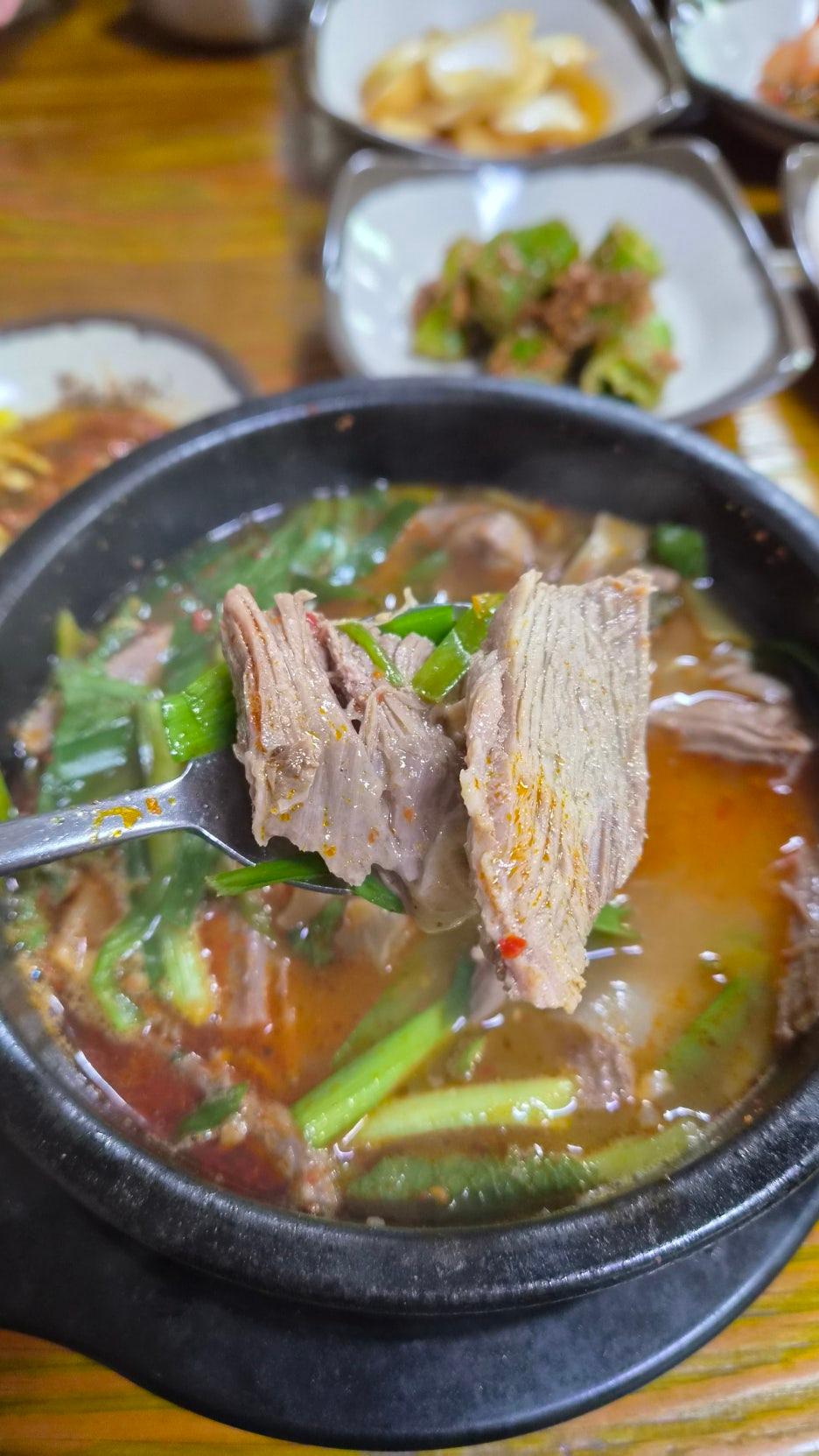 Read nextSame neighborhoodBlack Goat Soup and Suyuk at Moran Market, Seongnam₩23,000Read →