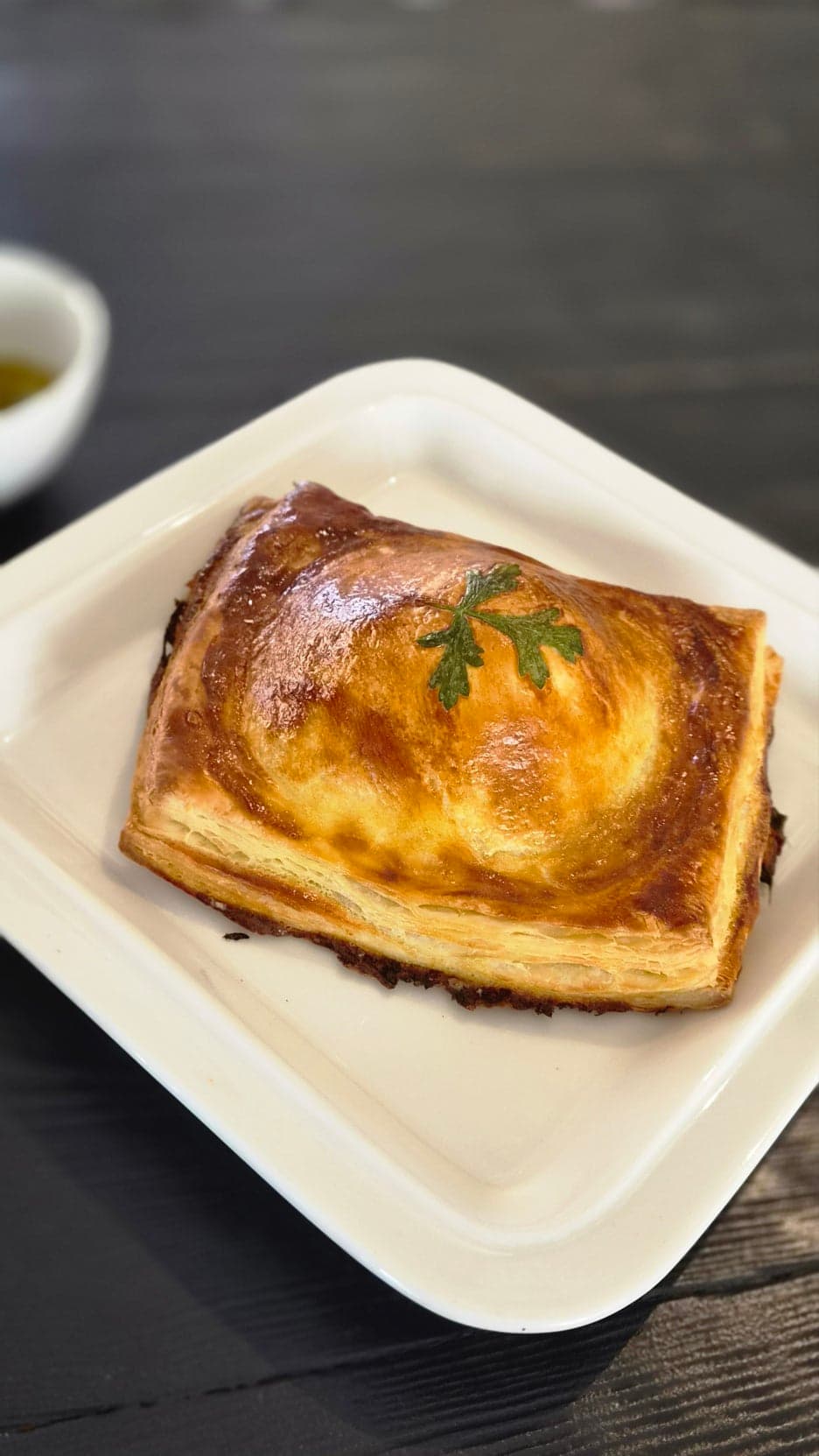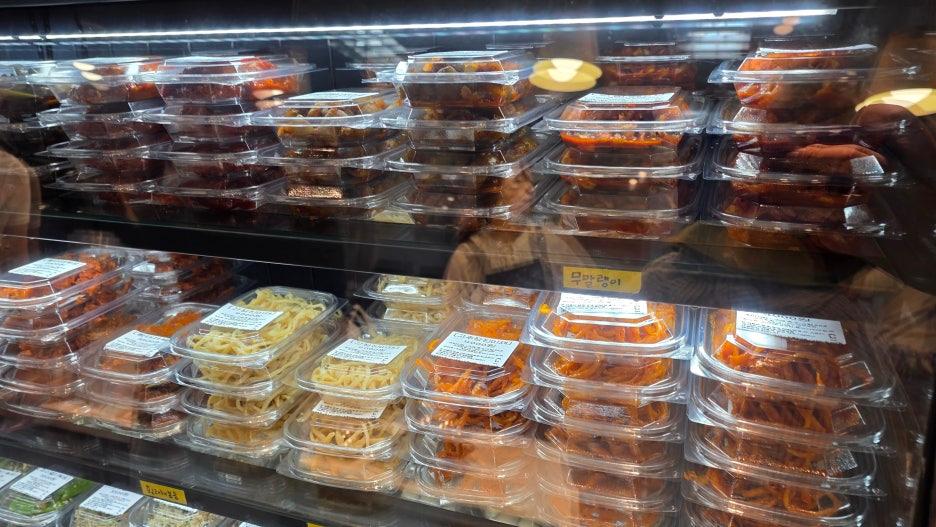
Jeong Insuk Jip Banchan, on B1 of Central S Town on Metapolis-ro in Dongtan, is a side dish shop with namul, seasoned salads, kimchi, soups and stews, jeon and LA galbi, all in small packs that make it easy to mix and match.
In this article Show
- On a day when making side dishes felt like too much, I went to Jeong Insuk Jip Banchan in Dongtan
- Signs out front for app orders and pickup reservations
- Surprised by the number of side dishes as soon as I walked in
- Homestyle meals from basic side dishes to soups and mains
- Small packs, so you can get a little of many things
- Notes on storage and reheating
- A neighborhood side dish shop with a steady stream of customers
- A place I will think of when I need homestyle side dishes
On a day when making side dishes felt like too much, I went to Jeong Insuk Jip Banchan in Dongtan
There are days when you want to eat a home-cooked meal but cannot face making every side dish yourself. If you cook the rice, open the fridge and find nothing suitable to go with it, you end up opening a delivery app, and at times like that it is reassuring to know a reliable banchan (side dish) shop near home.
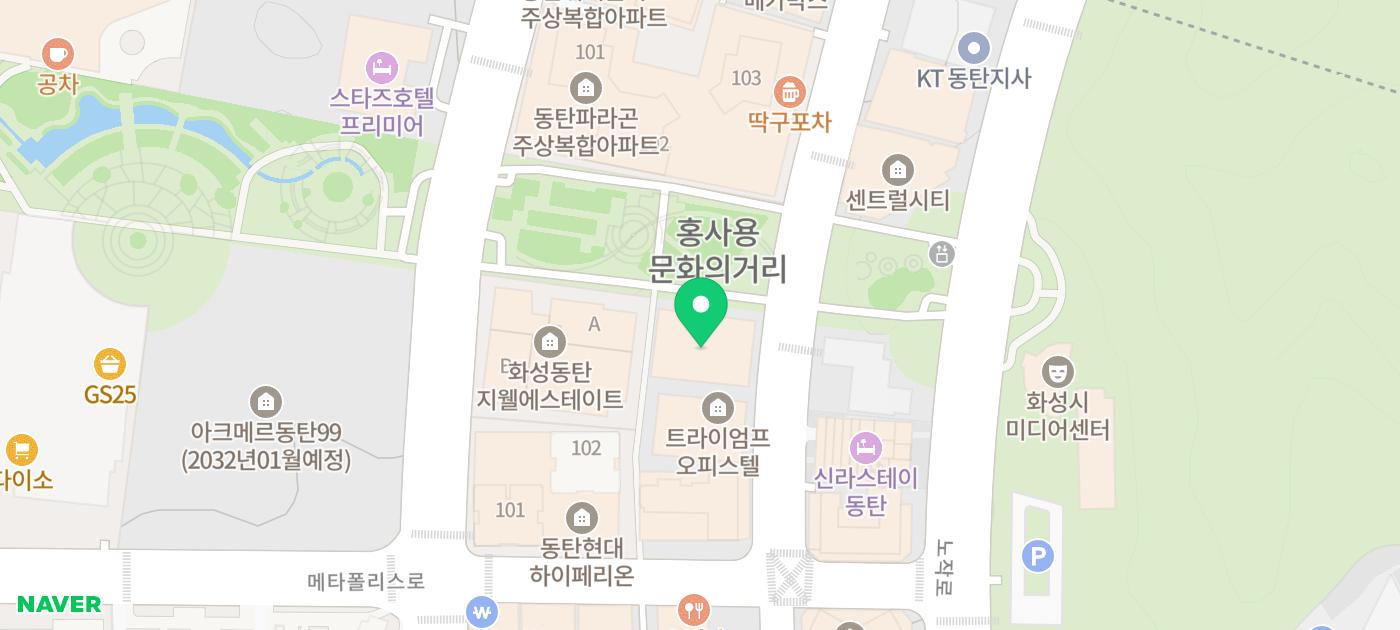
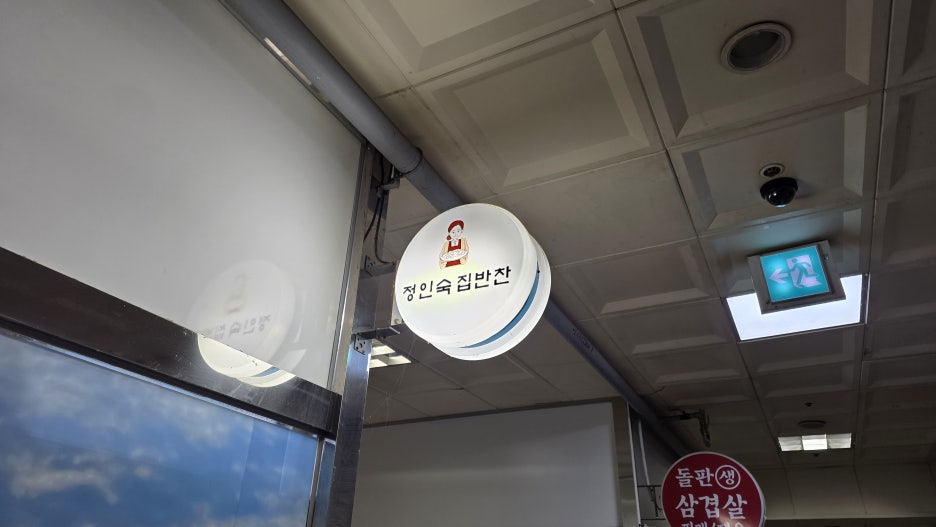
So this time I went to Jeong Insuk Jip Banchan (정인숙집반찬), a shop in Dongtan where you can buy lots of different side dishes in one go. The address is B1, Central S Town, 47-25 Metapolis-ro, Dongtan-gu, Hwaseong-si, Gyeonggi-do.
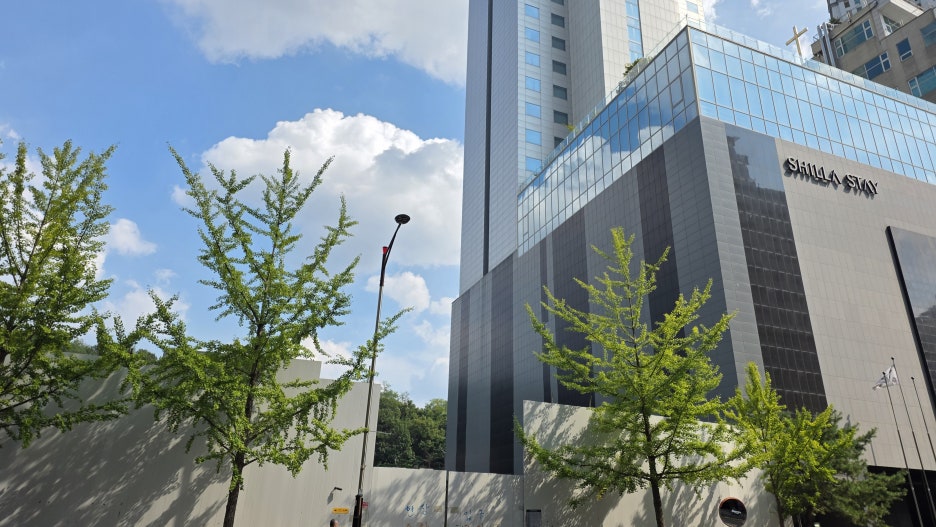
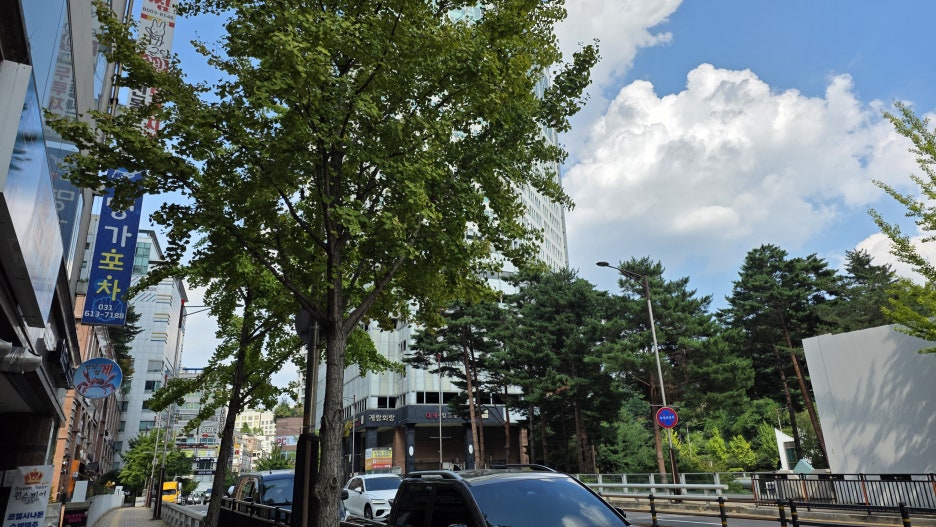
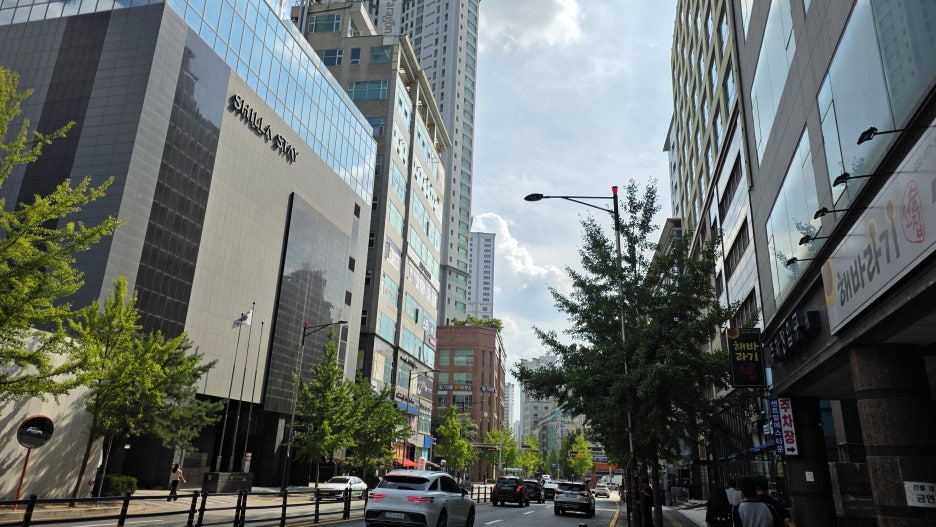
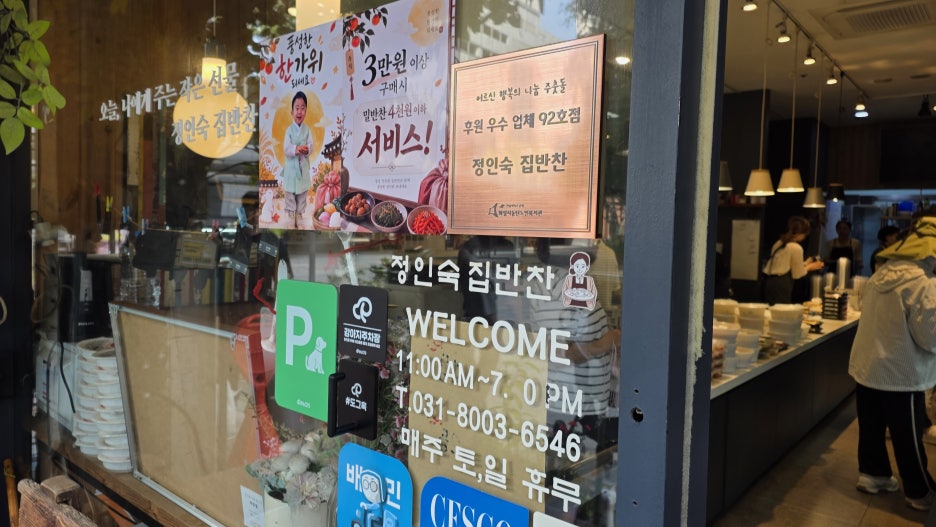
The shop is on the Metapolis-ro side of Dongtan. Walking along the main road, a white sign reading Jeong Insuk Jip Banchan in large letters catches your eye at the front of the building, so even on my first visit it was easy to find.
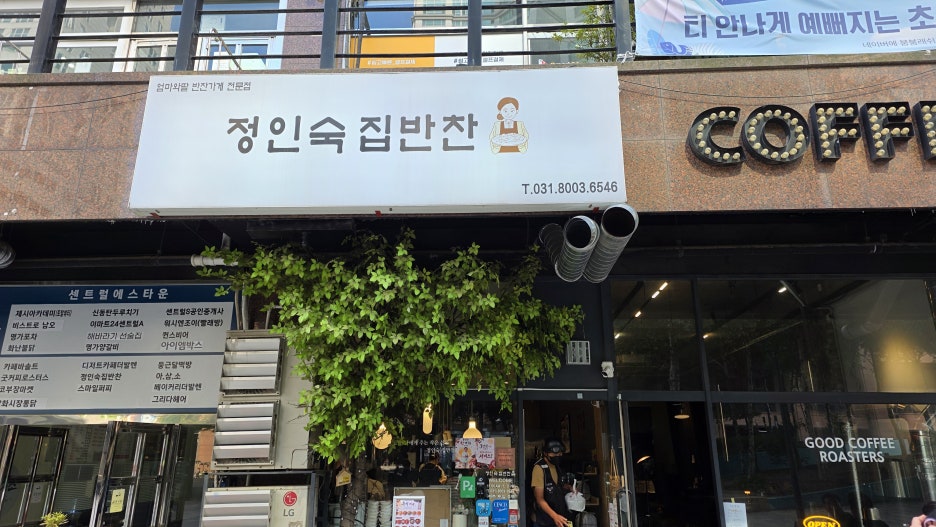
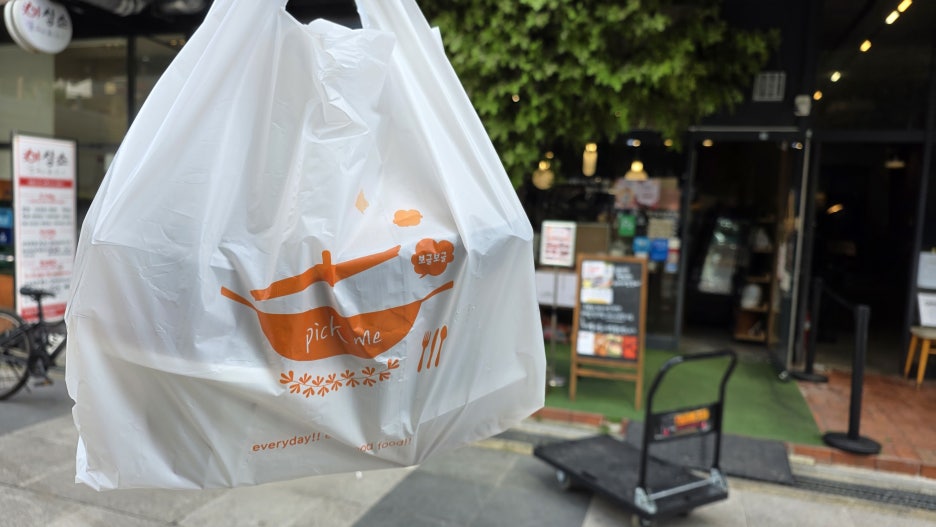
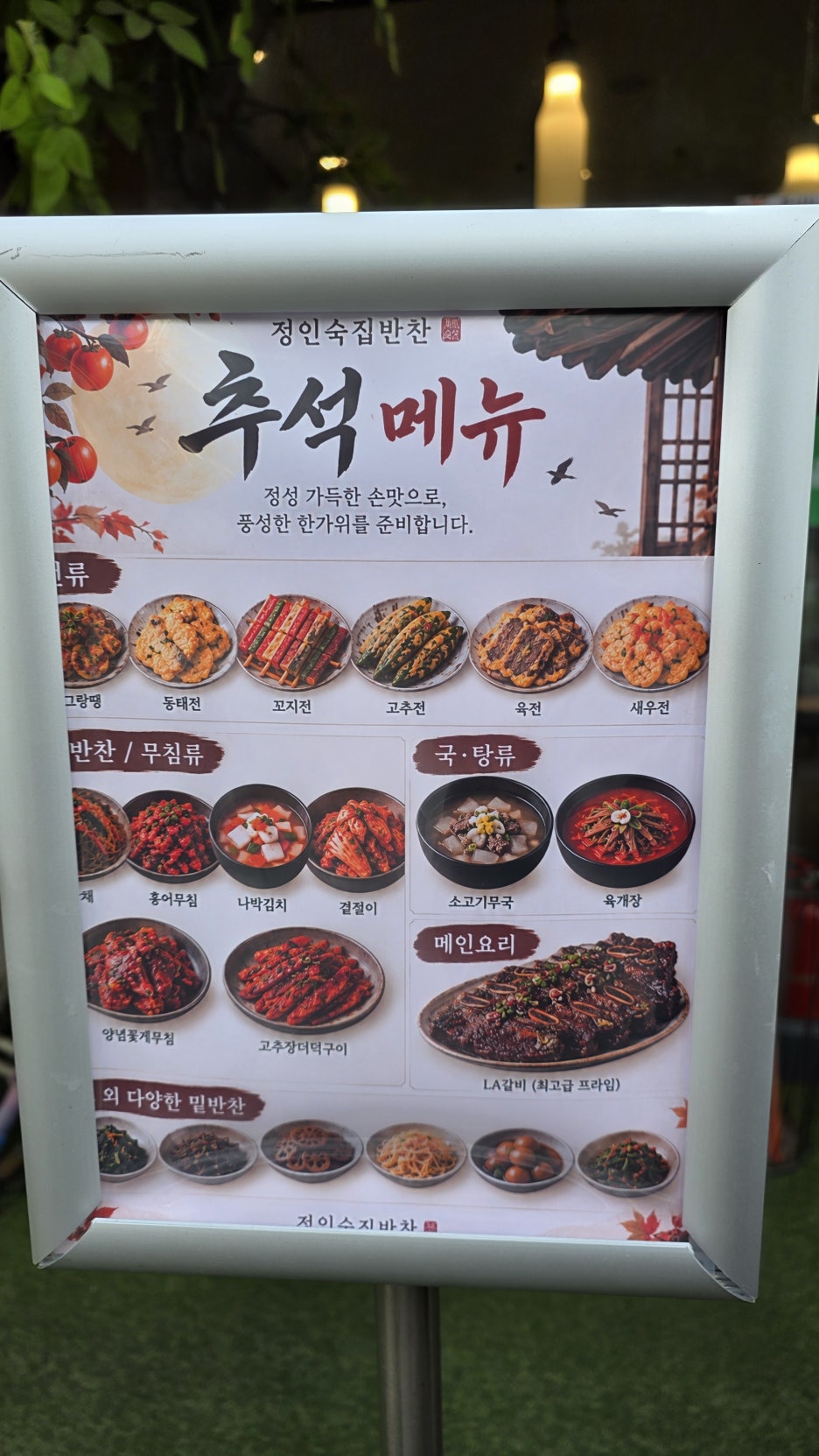
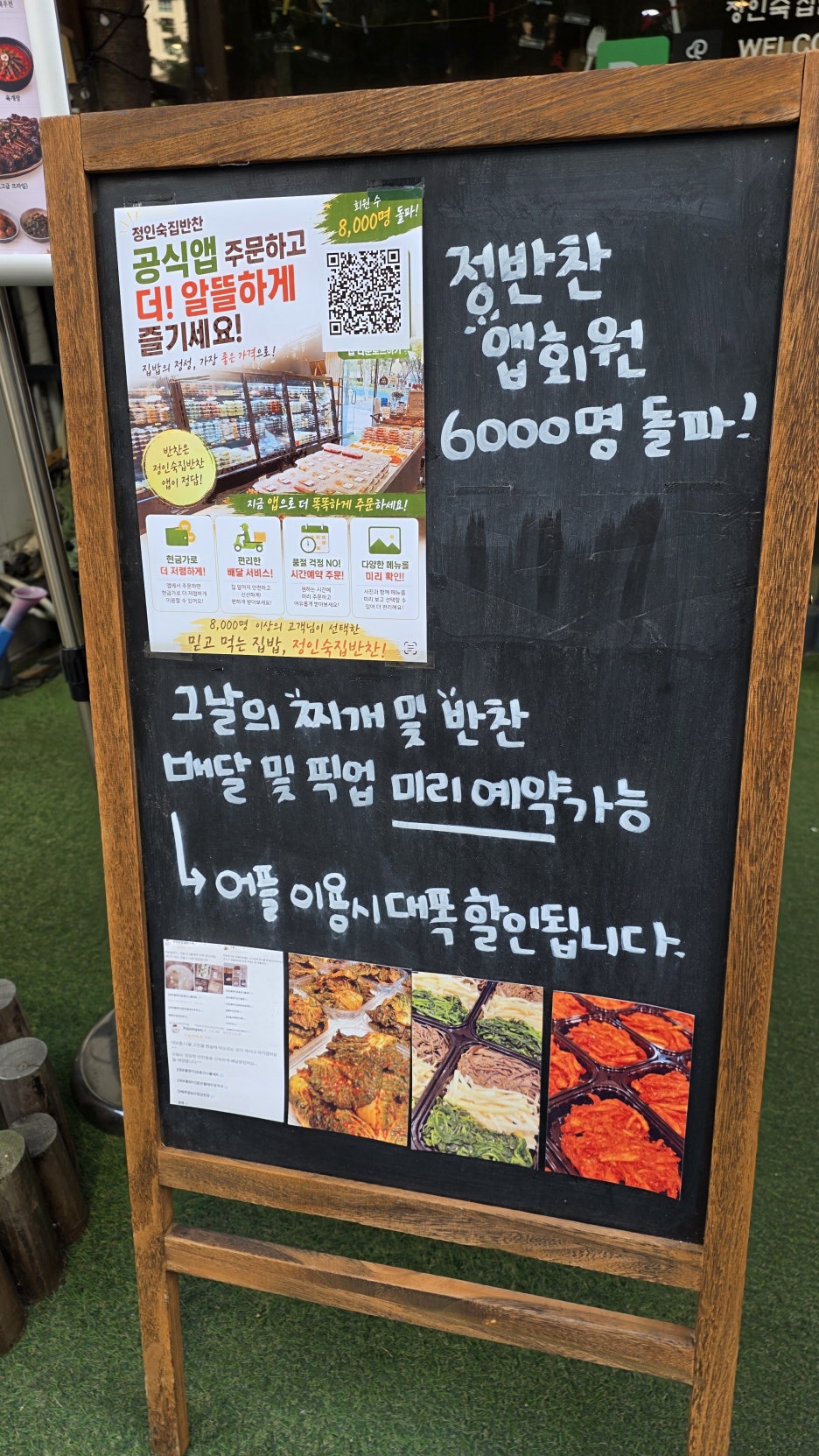
Signs out front for app orders and pickup reservations
In front of the shop there were notices about takeout and reservations. According to the notice at the time of my visit, you can order through the "Jeong Banchan" app, and pickup reservations are available too.
On days when time is tight, like on the way home from work, ordering ahead in the app and just stopping by to quickly collect the dishes you need seemed very convenient. Apart from the fun of picking things out one by one in the store, if you have side dishes you buy regularly, reserving definitely saves time.
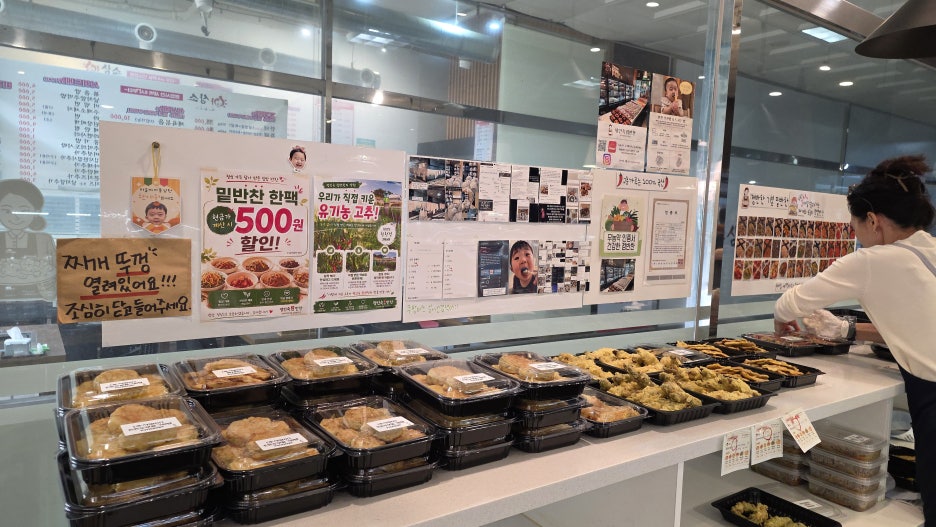
In the same spot there was also a notice that seemed to show they were preparing holiday foods ahead of Chuseok, such as dongtae-jeon (pan-fried pollock), kkochi-jeon (skewer pancakes), gochu-jeon (stuffed peppers), yukjeon (pan-fried beef) and saeu-jeon (pan-fried shrimp). For households that find it a burden to fry every holiday dish at home, this is worth keeping an eye on.
Surprised by the number of side dishes as soon as I walked in
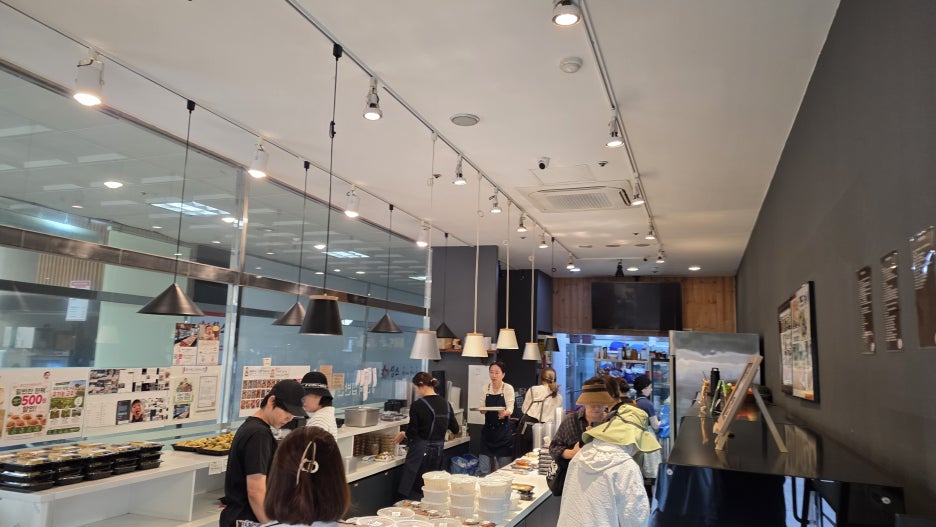
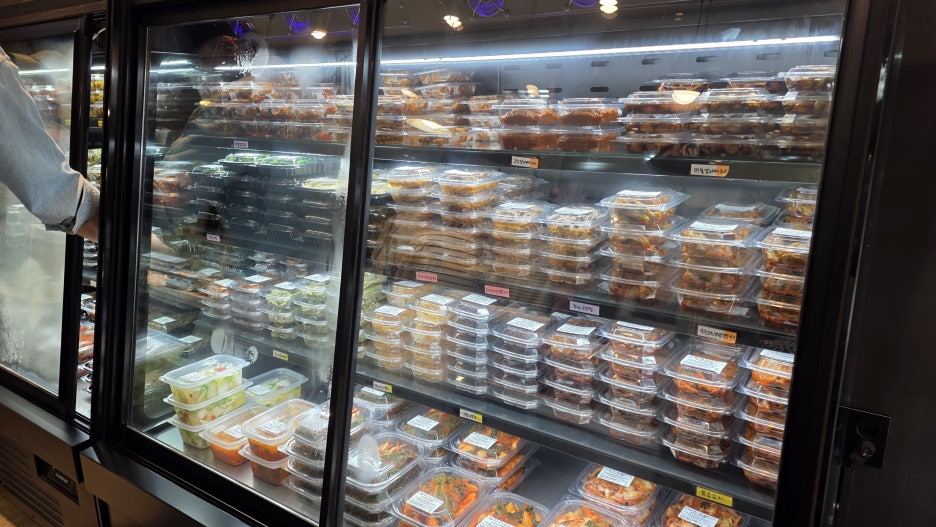
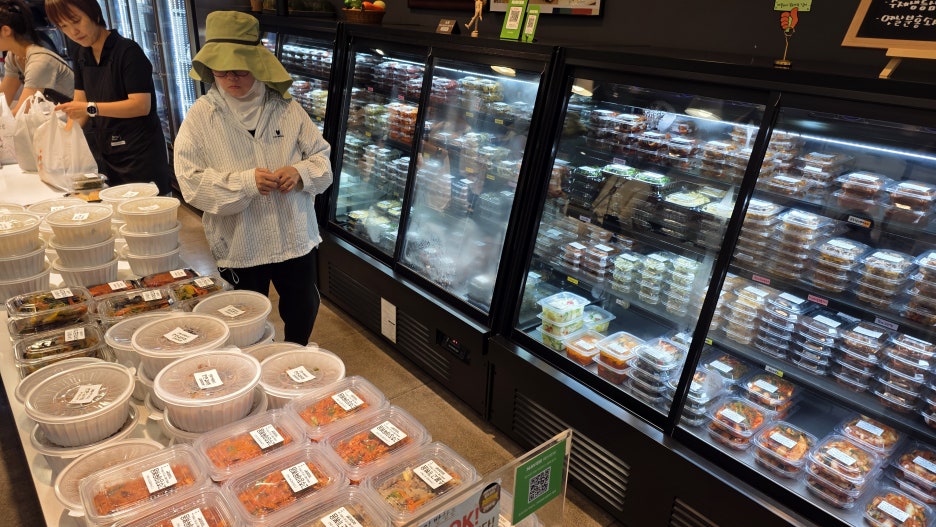
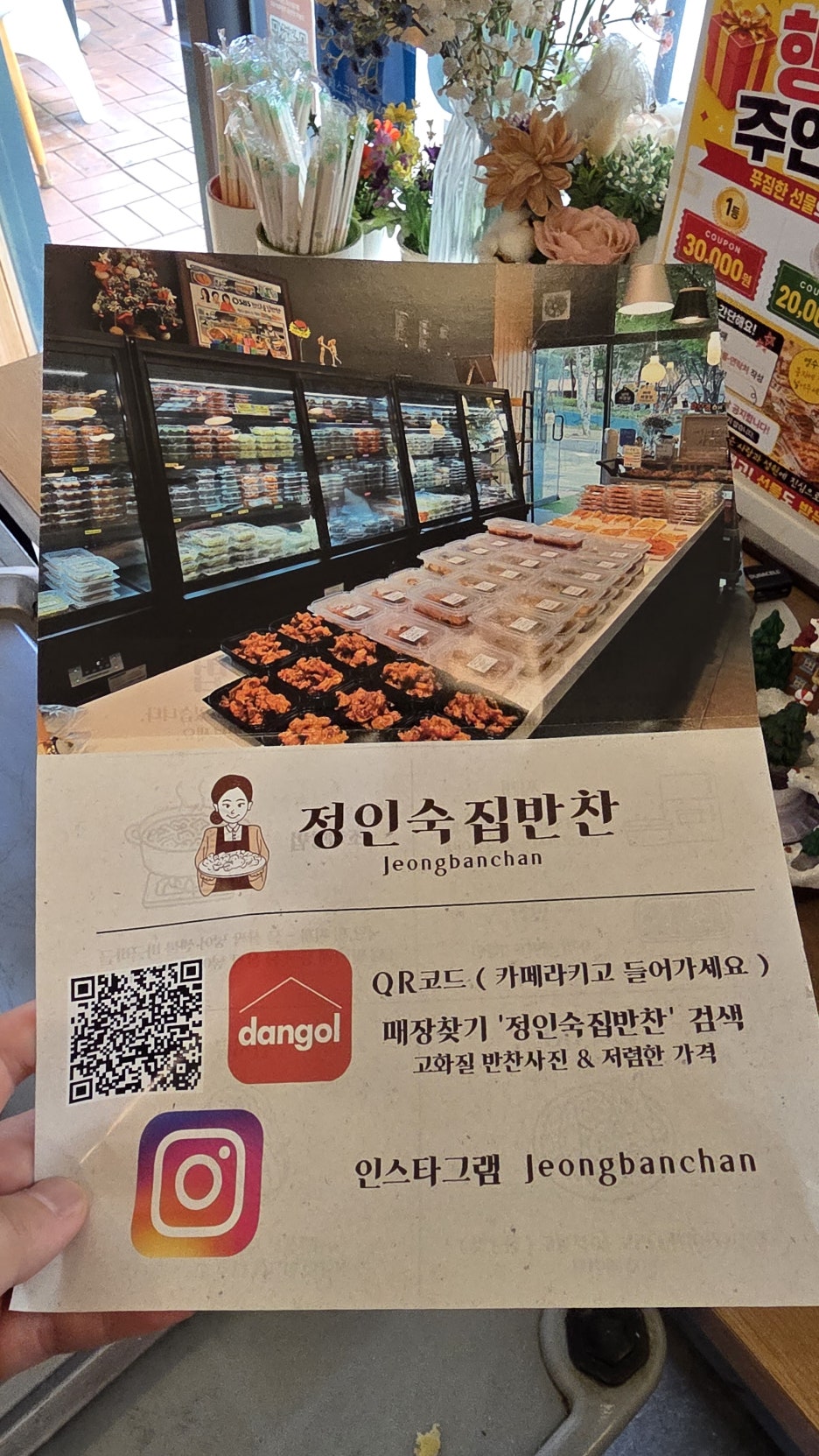
I walked in thinking of it as just a side dish shop and was a little surprised by how many kinds there were. The first thing I noticed on entering was a long refrigerated display case.
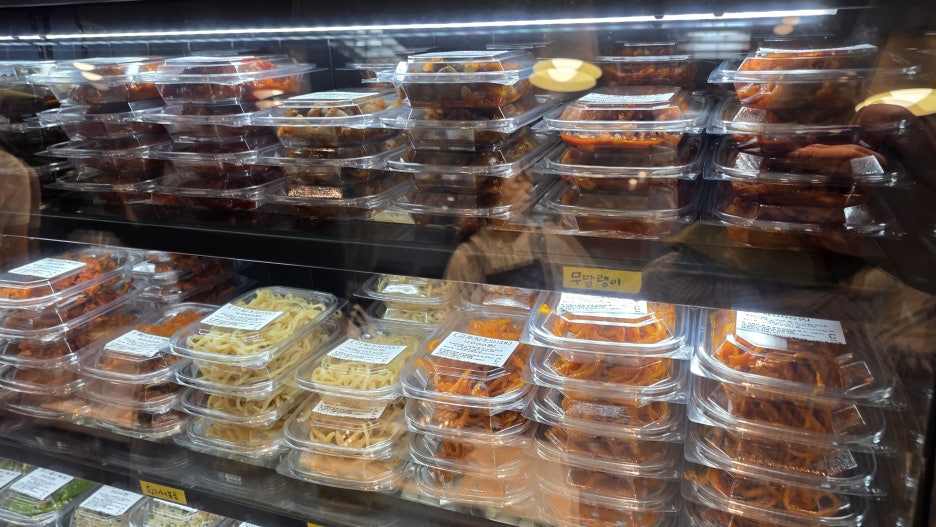
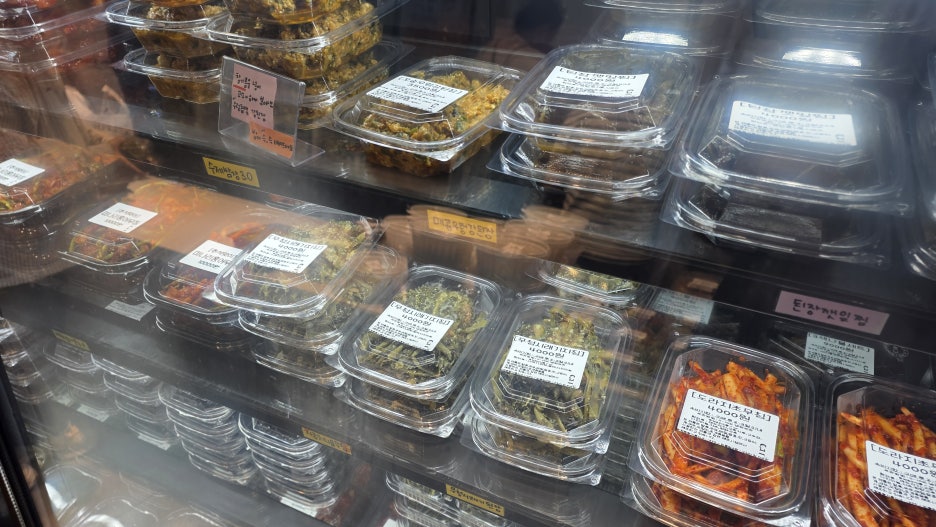
Not just one or two items, but all sorts of namul (seasoned vegetables), muchim (seasoned salads), bokkeum (stir-fries), jorim (braised dishes) and kimchi were packed tightly along the case, so just walking around once before deciding what to buy was fun in itself. Each side dish was neatly packaged, which made it easy to pick out what I needed.
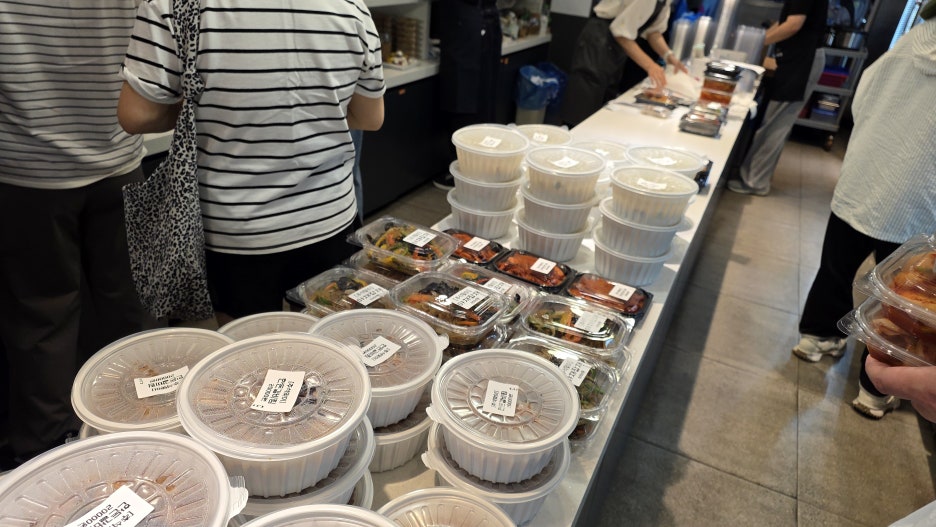
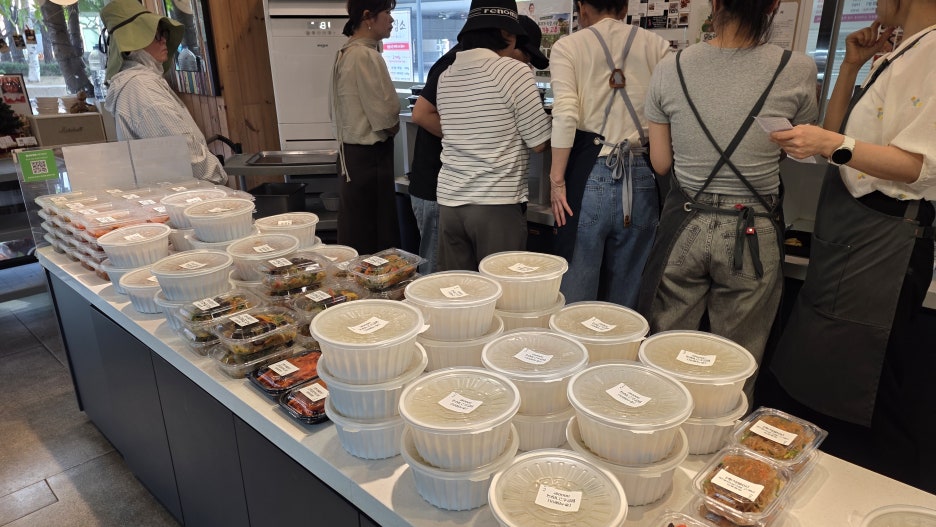
The table in the middle of the shop was full of soups and stews, plus dishes like japchae (glass noodles) that can go straight on the table. The refrigerated case was for basic side dishes and the center table for soups and dishes ready to eat, so it felt natural to choose as you moved through the shop.
I was told the lineup changes a little from day to day, so it seems you could have fun picking a new side dish each visit. Choosing your usual dishes plus one item you have never seen before would keep your table from getting boring.
Homestyle meals from basic side dishes to soups and mains
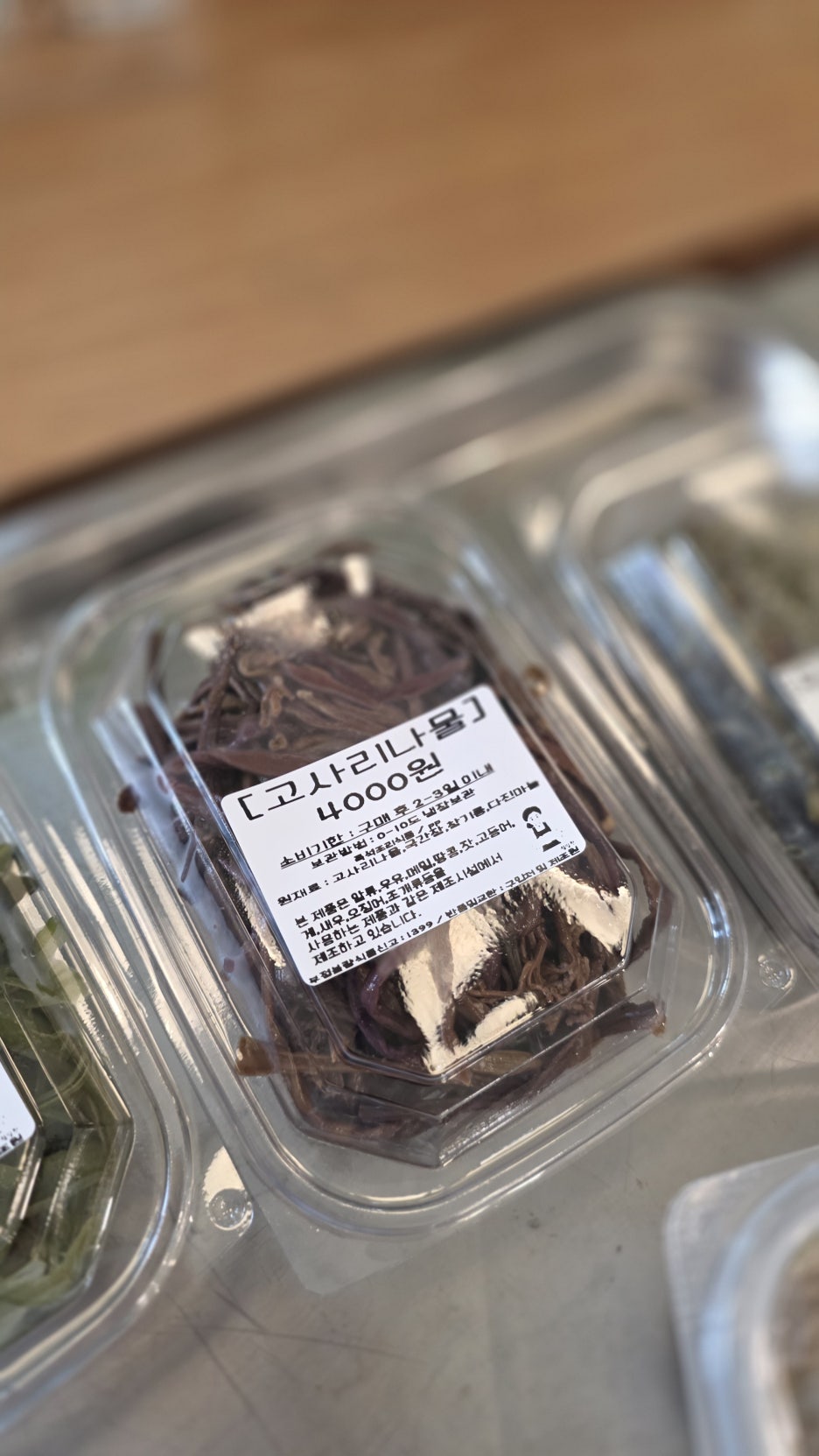
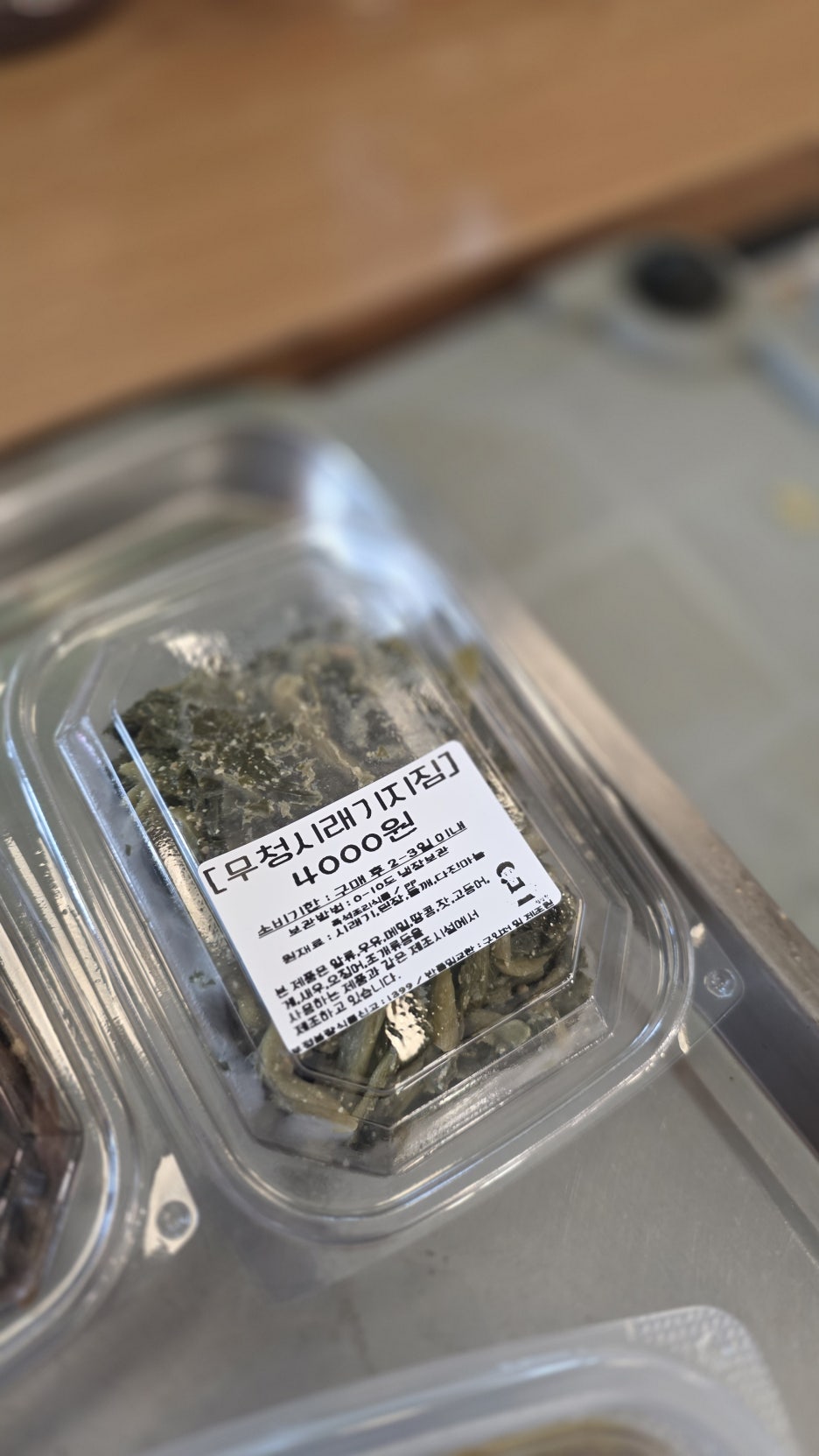
Jeong Insuk Jip Banchan is not a place that only sells the basic side dishes you usually think of. The menu is pretty broad, with familiar homestyle dishes like stir-fried seaweed stems and japchae, along with jeon and fried items, various muchim, kimchi, and soups and stews.
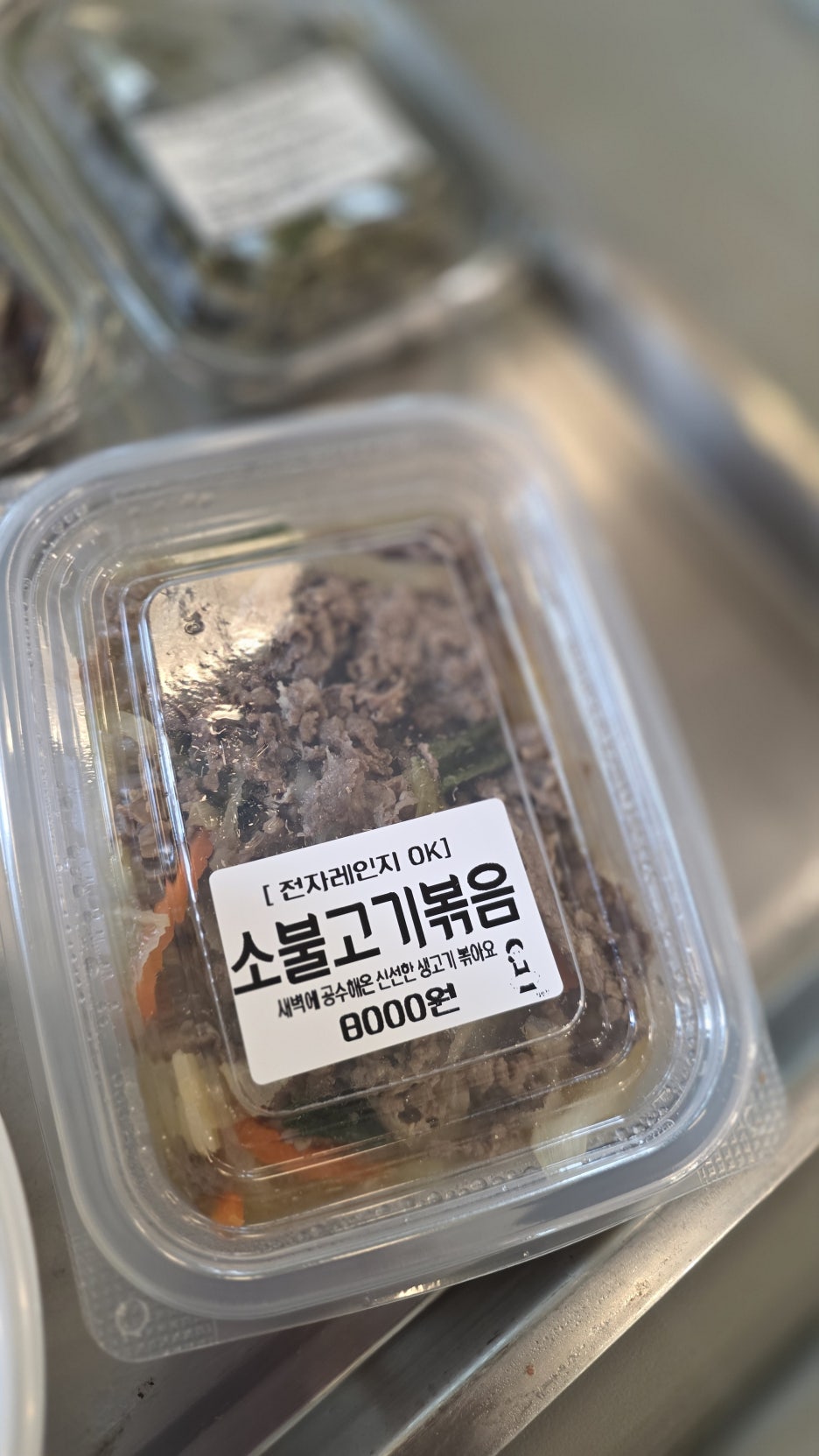
With soups like sogogi muguk (beef and radish soup) and yukgaejang (spicy beef soup) and even mains like LA galbi (marinated beef short ribs), it felt less like a shop for picking up a few side dishes and more like a place where you can put together a whole meal. Just cook some rice, and with one soup, one main and two or three side dishes, a full spread is ready in no time.
I thought it would be especially useful for one- or two-person households or dual-income families who find it hard to make side dishes every time. When you think about the effort of buying ingredients, prepping them and dealing with leftovers, buying only what you need actually means less waste.
Small packs, so you can get a little of many things
One of the things I look at closely in a side dish shop is the pack size. No matter how tasty a side dish is, if there is too much of it you end up eating the same thing for days.
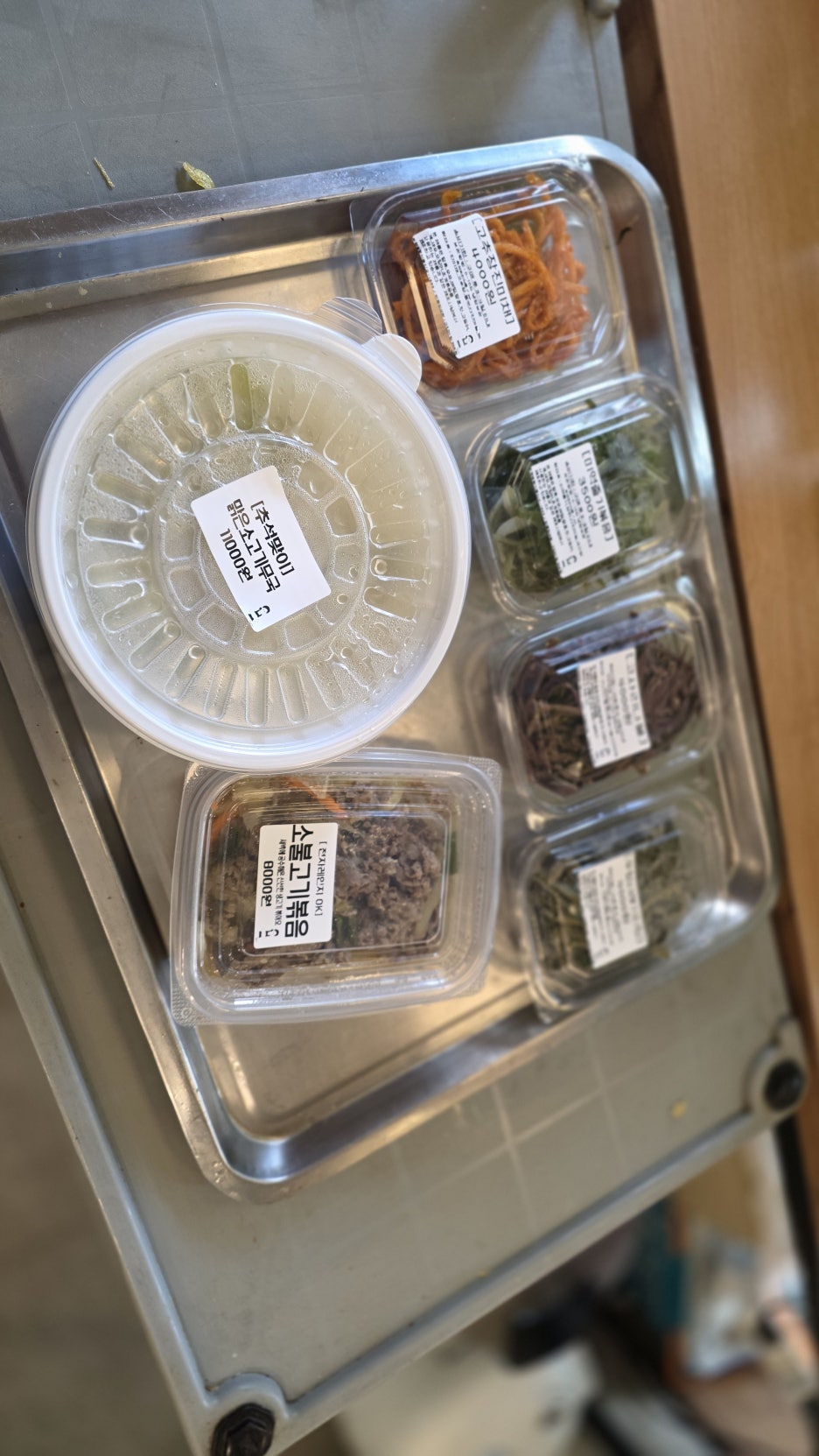
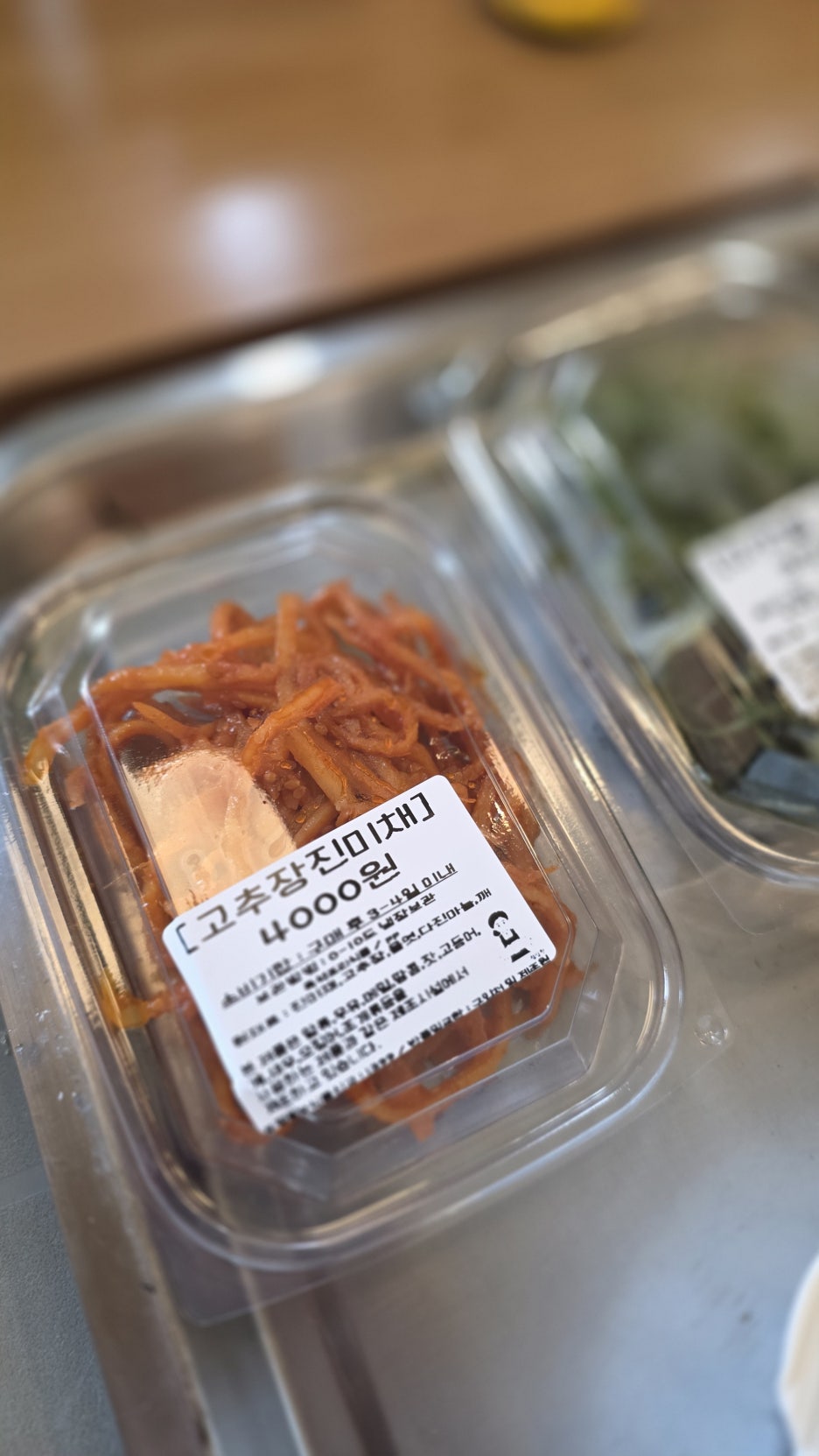
This shop has lots of containers in sizes you can pick up without a second thought, so it was better for buying small amounts of several kinds than a lot of one. Grabbing one of this and one of that in front of the display case naturally makes your table more varied.
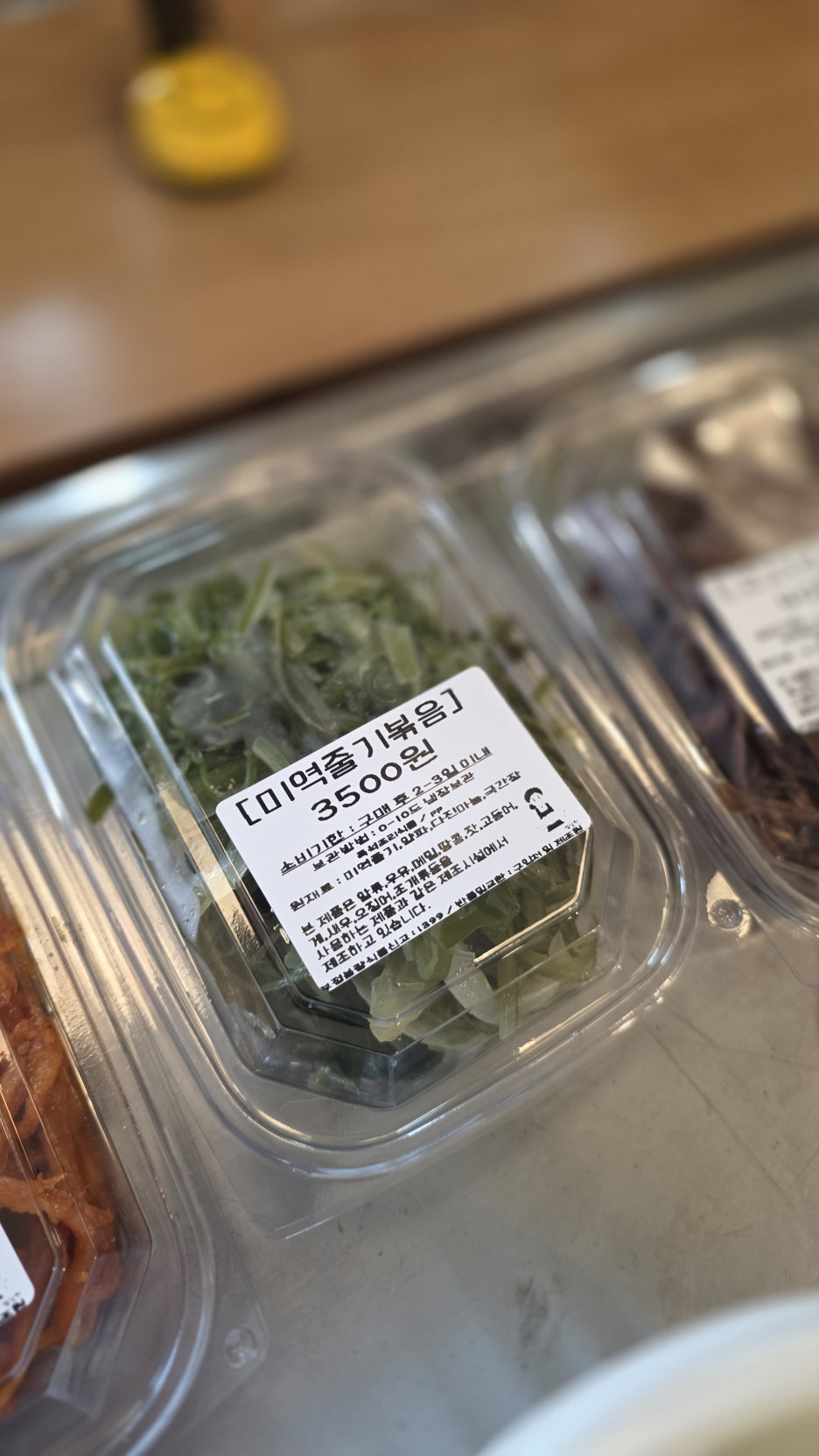
The stir-fried seaweed stems in my photo were 3,500 won at the time of my visit. Making it at home means soaking the seaweed stems, getting the salt out and stir-frying while adjusting the seasoning, which is quietly a hassle, so being able to just take it home felt convenient.
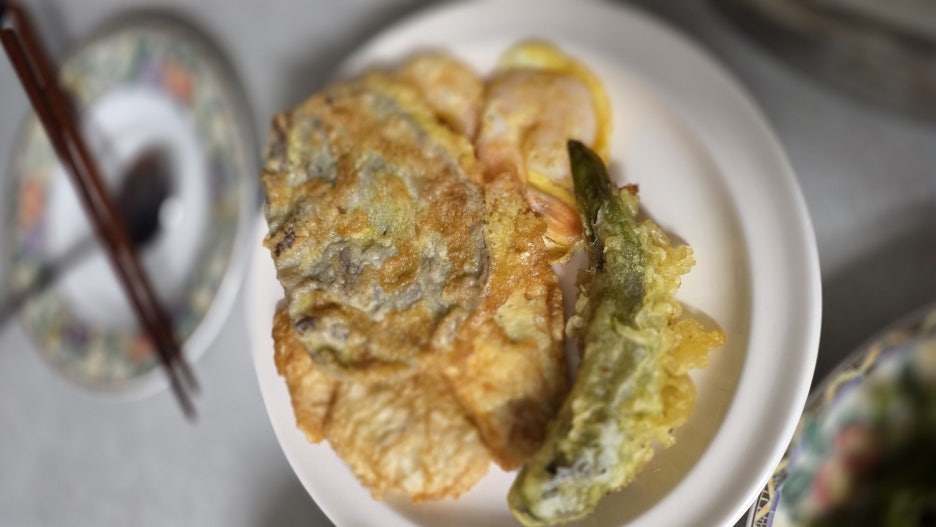
Jeon and fried items were also packed separately, and they looked good as a side with rice or as a simple snack with drinks. Mixing everyday side dishes like namul with occasional ones like jeon lets you put together a lineup that does not get boring for several days, even in small amounts.
Notes on storage and reheating
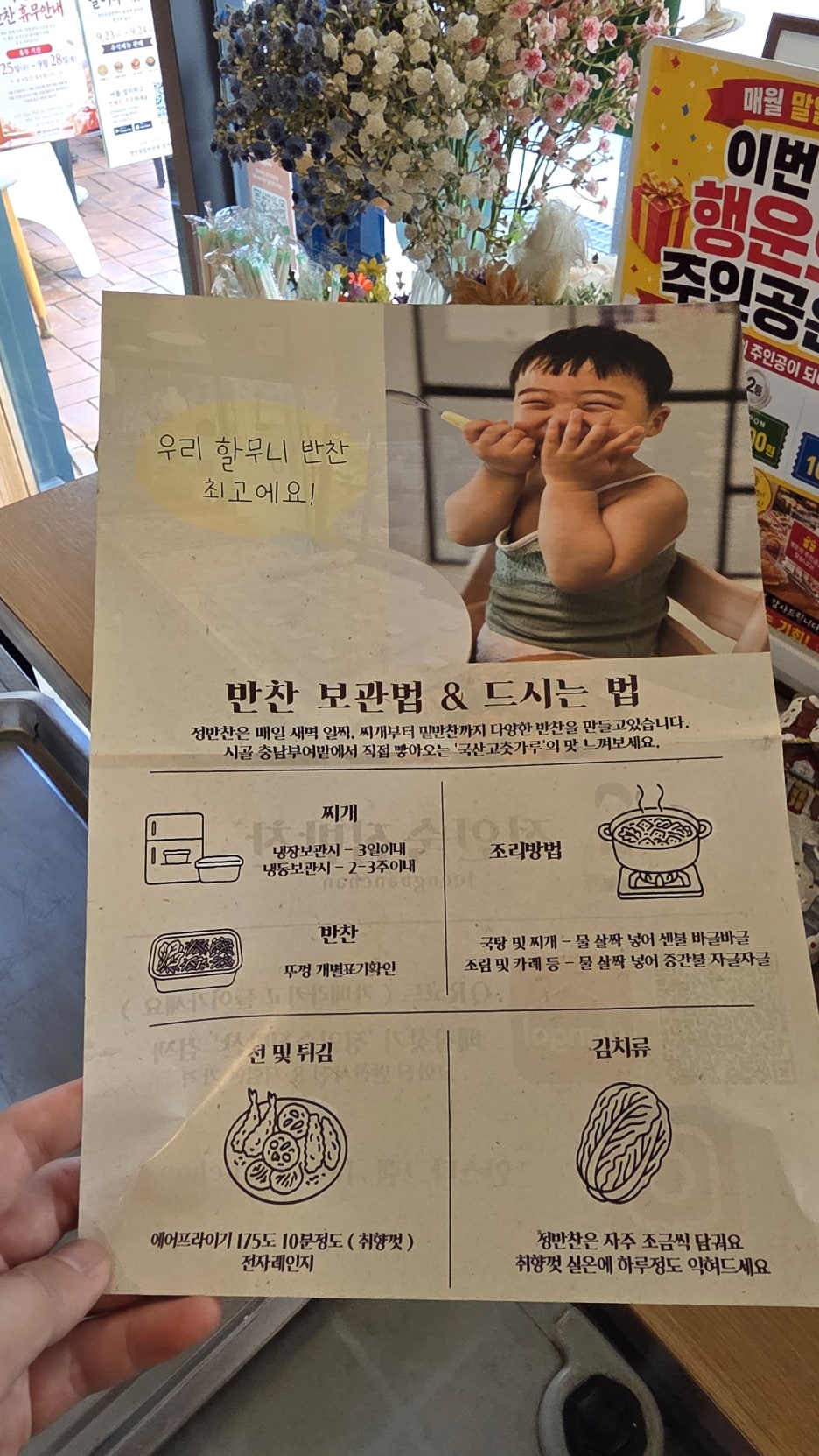
On one side of the shop, there were separate notes on how to store the side dishes and how to enjoy them at their best. For stews, the guidance was to eat them within 3 days if refrigerated and within 2 to 3 weeks if frozen.
It also explained heating soups and stews with a little added water, and reheating jeon and fried items in an air fryer or microwave. That means you do not have to figure out on your own how to reheat things once you get them home.
It may seem like a small detail, but it is quite useful once you actually get home. Dishes like jeon in particular can turn soggy depending on how you reheat them, so having methods listed for each appliance put my mind at ease.
A neighborhood side dish shop with a steady stream of customers
When I visited, quite a few customers were in the shop picking out side dishes. Some stood in front of the fridges looking over the dishes one by one, while others were picking up orders they had placed in advance.
Out front there was also a notice saying the app had passed 6,000 members, which gave me the impression that it has plenty of regulars who keep coming back. Inside, there was a board about the shop's support for the local community, giving it the feel of a side dish shop that has been part of the neighborhood for a long time.
A place I will think of when I need homestyle side dishes
After looking around in person, the biggest strength of Jeong Insuk Jip Banchan really is the huge range of side dishes to choose from. It is good to stop by when you just need one namul, and when you need to sort out soups and mains all at once, you can do it in one place.
The packaging was neat, and the refrigerated displays were organized so they were easy to browse, making it simple to find what I wanted. On a day when you are wondering what to have for dinner but do not feel like making several side dishes yourself, it is a shop worth stopping by if you are looking for banchan in Dongtan.
Check opening hours and closing days on the map before you go.
This box contains affiliate links. If you book through them, Mudung may earn a commission at no extra cost to you.
 Read nextSame neighborhoodBundang Lamb Ribs near Jeongja Station: Steamed Set for TwoRead →
 Read nextSame neighborhoodSuwon Gwanggyo Movie Theater: CGV IMAX in Galleria, ParkingRead →